
When we compare app development in Singapore providers, we do not just look at portfolios. We look at fit. A strong partner should challenge scope, explain trade-offs clearly, and stay useful after launch. That matters because most buyers are not purchasing code alone. They are buying judgment, delivery discipline, and a working relationship that can survive change. Demand is already mobile-heavy. Singapore has more than 5.7 million smartphone users, so new products enter a market where phone behavior is mature and expectations are already high.
User expectations are higher too. McKinsey found mobile-banking leaders now resolve more than 80 percent of routine interactions in the app, which helps explain why buyers increasingly treat the app as a primary service channel, not a side experiment. Singapore’s own digital habits make that concrete. GovTech says more than 4.2 million people use the Singpass app, so local users are already comfortable with mobile login, identity checks, and digital signing. That is one reason products like Singpass, Grab, and banking apps raise the bar for every new launch.
This guide is our working shortlist, built from public company information, delivery signals, case-study patterns, and what we would actually ask in a buying process. We also point out which firms are truly local, which ones operate through a Singapore presence, and where each option feels stronger or weaker once the project gets real.
Quick Comparison of App Development in Singapore
If you want the fast scan first, this table gives our short take on the first ten companies in this guide. The fuller reviews below are where the trade-offs become clearer.
| Agency | Best for | Strength | Potential drawback | Good question to ask |
|---|---|---|---|---|
| SleekDigital | SMEs and fast launches | Lean local delivery | Smaller enterprise bench | Who owns architecture and support? |
| Originally US | Regulated mobile apps | Strong consultancy depth | Heavier process for tiny MVPs | What security work is included? |
| TechTide Solutions | Offshore-friendly custom builds | Backend and workflow depth | Not Singapore-headquartered | Who leads weekly delivery? |
| Lizard Global | Product discovery | Strong strategy and UX | Premium, workshop-heavy start | What gets validated before build? |
| Codigo | Design-led consumer apps | Polished UX and brand fit | Less budget-friendly for basic tools | How much discovery is mandatory? |
| 8Creation | Budget-aware SMEs | Practical delivery | Small-team capacity | Who covers QA and maintenance? |
| Buuuk | Enterprise UX and innovation | Strong design thinking | May be strategy-heavy | Can we see adoption outcomes? |
| Singsys | Broad build capacity | Wide service range | Must confirm product ownership | Who is our senior PM? |
| Orfeostory | Website plus app projects | Good one-vendor option | Less obvious fit for deep SaaS | Who owns backend architecture? |
| Pixium Digital | AR, VR, and IoT builds | Cross-disciplinary engineering | May be overkill for simple apps | What needs custom R&D? |
Recommended reading: Top 20 Android App Development Companies in USA for Startups and Enterprises
Top 20 App Development in Singapore Companies
We do not read this list as a one-size-fits-all ranking. Some firms are local boutiques. Others are global or offshore-led teams with a Singapore base or commercial presence. That difference matters because workshops, procurement, support windows, and decision speed all feel different depending on how the vendor is set up.
1. SleekDigital
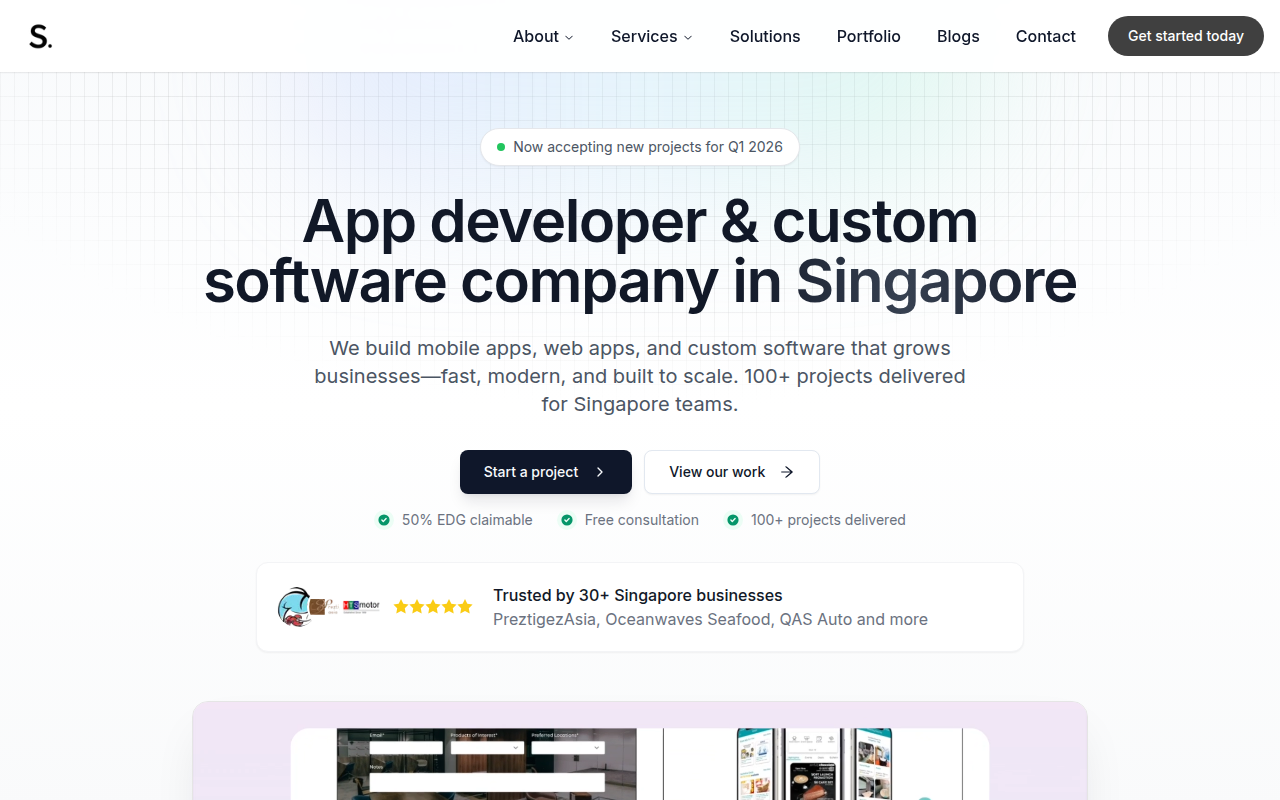
We see SleekDigital as a lean Singapore shop for app and custom software work. Public profiles place it at roughly 2 to 49 employees, founded in 2017, and based in Singapore.
- Service scope: Mobile apps, web apps, internal systems, and UI/UX.
- Industry specialization: Local SMEs, startup launches, and operational tools.
- Ideal client size: Early-stage firms to mid-sized businesses.
- Pricing model: Usually project-based, with support added later.
- Onboarding process: Best when discovery trims the feature list first.
- Communication style: Direct and founder-led, with fewer layers.
- Proof/case-study requirements: Ask for live systems and what changed after launch.
- Red flags to check before hiring: Confirm enterprise security depth and release ownership.
- Questions to ask before signing: Who owns architecture, QA, and production release?
2. Originally US
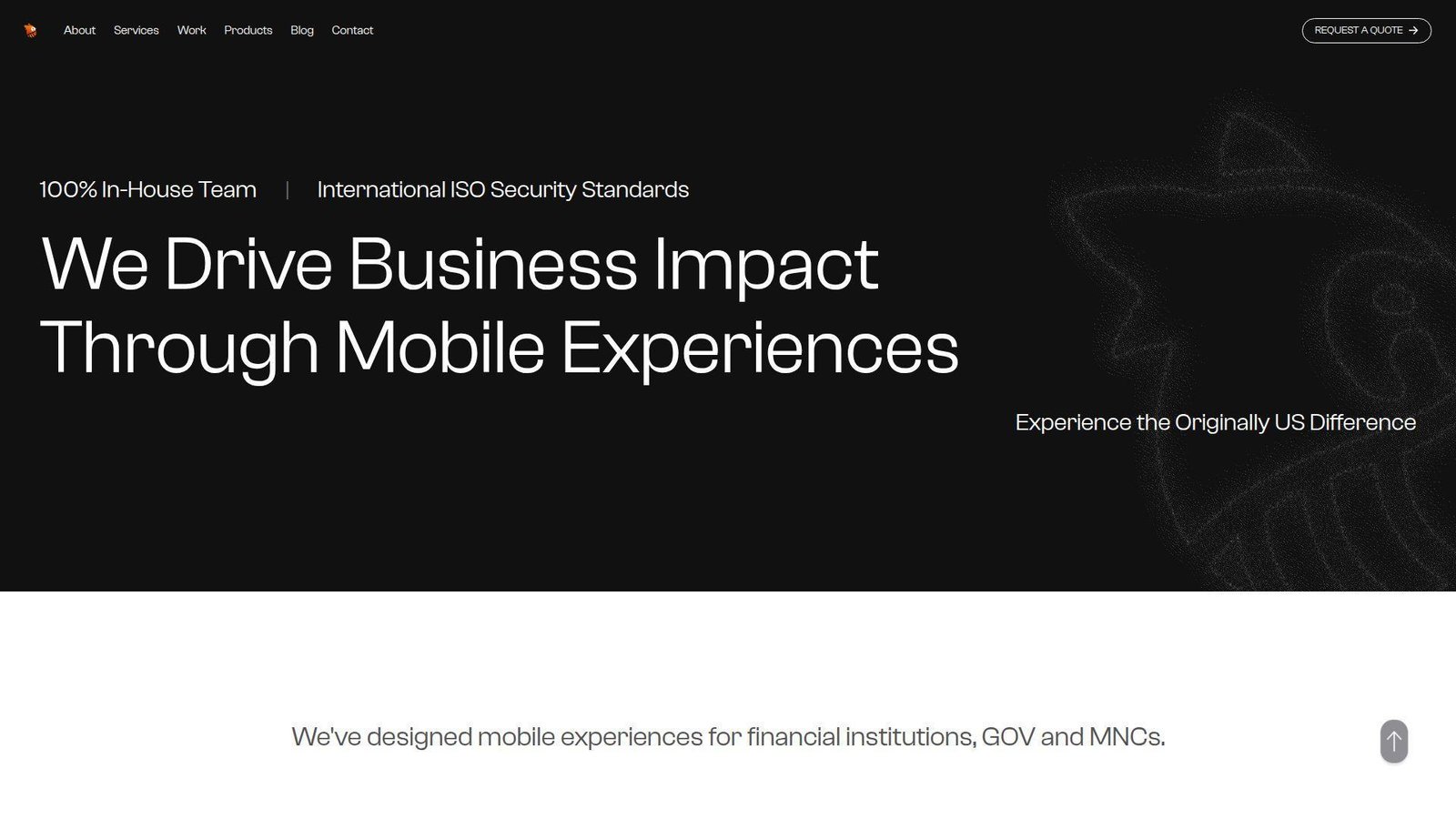
We rate Originally US as one of the cleaner fits for regulated mobile work. Public profiles place it at roughly 11 to 50 employees, founded in 2014, and headquartered in Singapore.
- Service scope: Mobile consultancy, UX, development, cybersecurity, hosting, and IoT.
- Industry specialization: Financial institutions, MNCs, and government work.
- Ideal client size: Mid-market firms, enterprises, and public-sector buyers.
- Pricing model: Project-based, with room for longer support engagements.
- Onboarding process: Structured discovery and architecture planning tend to matter here.
- Communication style: Polished, process-aware, and enterprise-friendly.
- Proof/case-study requirements: Ask for regulated deployments, not just attractive UI work.
- Red flags to check before hiring: Tiny MVPs may get more process than they need.
- Questions to ask before signing: What security review happens before the first sprint?
3. TechTide Solutions
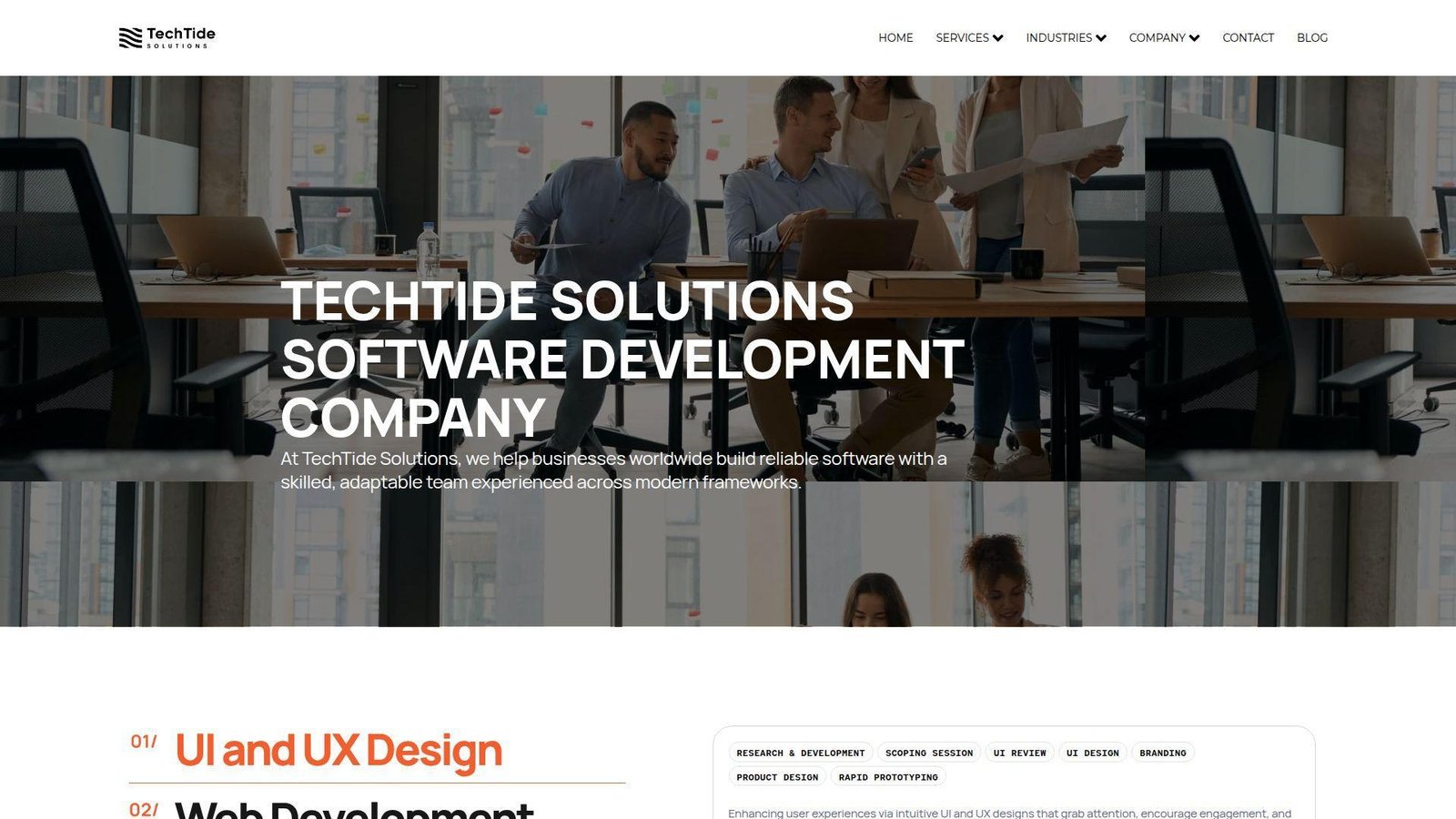
We know our own model best, so we can be blunt about fit. TechTide Solutions focuses on custom software, mobile, web, and backend delivery. Public profiles suggest roughly 51 to 200 employees, founded in 2022, with headquarters in Ho Chi Minh City rather than Singapore.
- Service scope: Custom mobile apps, web platforms, backend systems, and UI/UX.
- Industry specialization: Workflow-heavy builds, fintech, healthcare, and custom platforms.
- Ideal client size: Startups to mid-market teams comfortable with offshore-led delivery.
- Pricing model: Project-based or dedicated-team engagements.
- Onboarding process: Discovery, technical review, roadmap, then phased execution.
- Communication style: Hands-on and engineering-forward.
- Proof/case-study requirements: Ask us for architecture thinking, not just screens.
- Red flags to check before hiring: If you require a purely local team, we are not the cleanest fit.
- Questions to ask before signing: Who is the daily lead, and how do time zones affect support?
4. Lizard Global
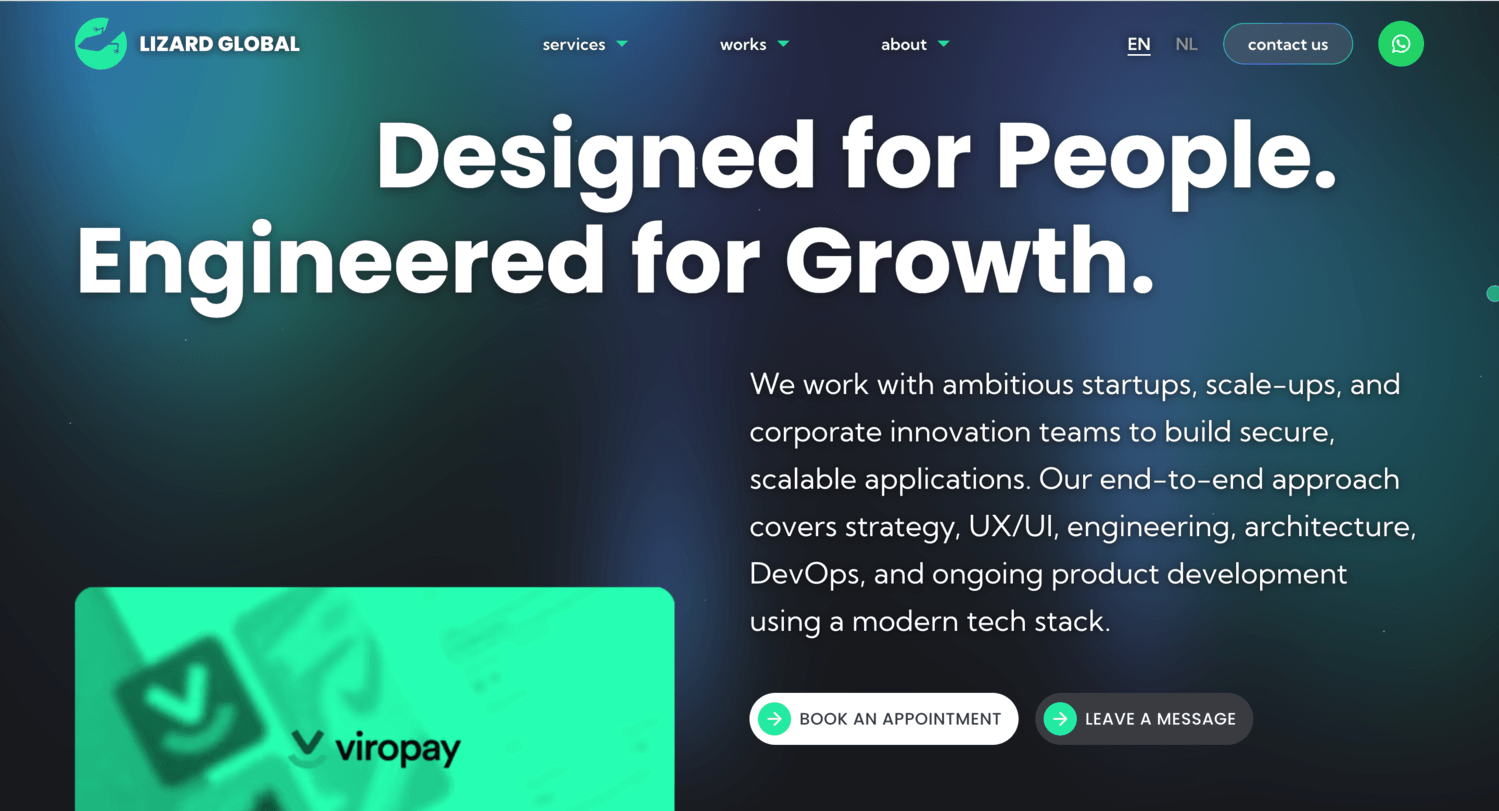
We place Lizard Global closer to a product consultancy than a coding-only shop. Public profiles place it at roughly 51 to 200 employees, founded in 2012, and headquartered in Rotterdam with Singapore coverage.
- Service scope: Product strategy, UX/UI, app development, custom software, and growth work.
- Industry specialization: Scale-ups, B2B products, and digital transformation programs.
- Ideal client size: Funded startups, scale-ups, and mid-market firms.
- Pricing model: Discovery-first and usually premium.
- Onboarding process: Workshops, product framing, and validation tend to come first.
- Communication style: Consultative and international.
- Proof/case-study requirements: Ask for outcome metrics after discovery, not only launch photos.
- Red flags to check before hiring: Staff augmentation buyers may find the model too strategy-heavy.
- Questions to ask before signing: What gets validated before code begins?
5. Codigo
In our view, Codigo is one of the stronger design-led choices in this field. Public profiles place it at roughly 51 to 200 employees, founded in 2010, and headquartered in Singapore.
- Service scope: Mobile apps, websites, backend systems, games, and UX/UI.
- Industry specialization: Consumer apps, brand-led products, and enterprise digital experiences.
- Ideal client size: Funded startups, enterprises, and government-linked teams.
- Pricing model: Premium project pricing is the safer assumption.
- Onboarding process: Product and design discovery usually carry real weight.
- Communication style: Polished, agency-led, and product-aware.
- Proof/case-study requirements: Ask for live apps still being maintained today.
- Red flags to check before hiring: Internal tools may not need this much design depth.
- Questions to ask before signing: How much budget goes to discovery versus build?
6. 8Creation
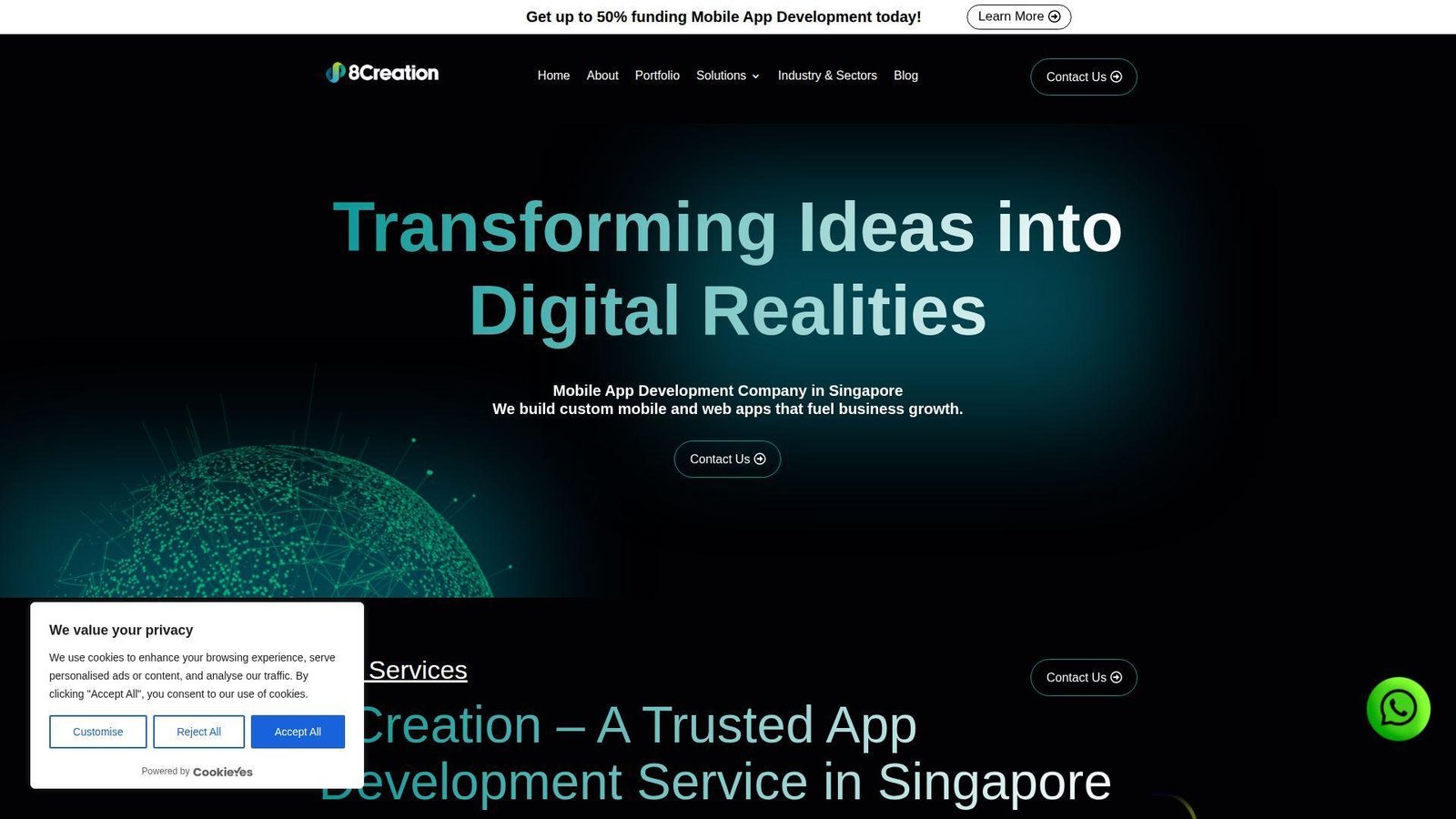
We see 8Creation as a smaller, practical option for businesses that want an app, custom system, or website without hiring a large consultancy. Public profiles place it at roughly 2 to 9 employees, founded in 2017, with Singapore and Malaysia presence.
- Service scope: Mobile apps, web apps, custom software, ready-made solutions, and UI/UX.
- Industry specialization: SMEs, logistics, finance, healthcare, and education.
- Ideal client size: Local SMEs, startups, and price-sensitive buyers.
- Pricing model: Usually project-based and cost-aware.
- Onboarding process: Lighter scoping and quicker proposal cycles.
- Communication style: Direct and practical.
- Proof/case-study requirements: Ask for projects similar in size, not just in brand name.
- Red flags to check before hiring: Small-team risk if the build needs parallel workstreams.
- Questions to ask before signing: Who will code, test, and support our app day to day?
7. Buuuk
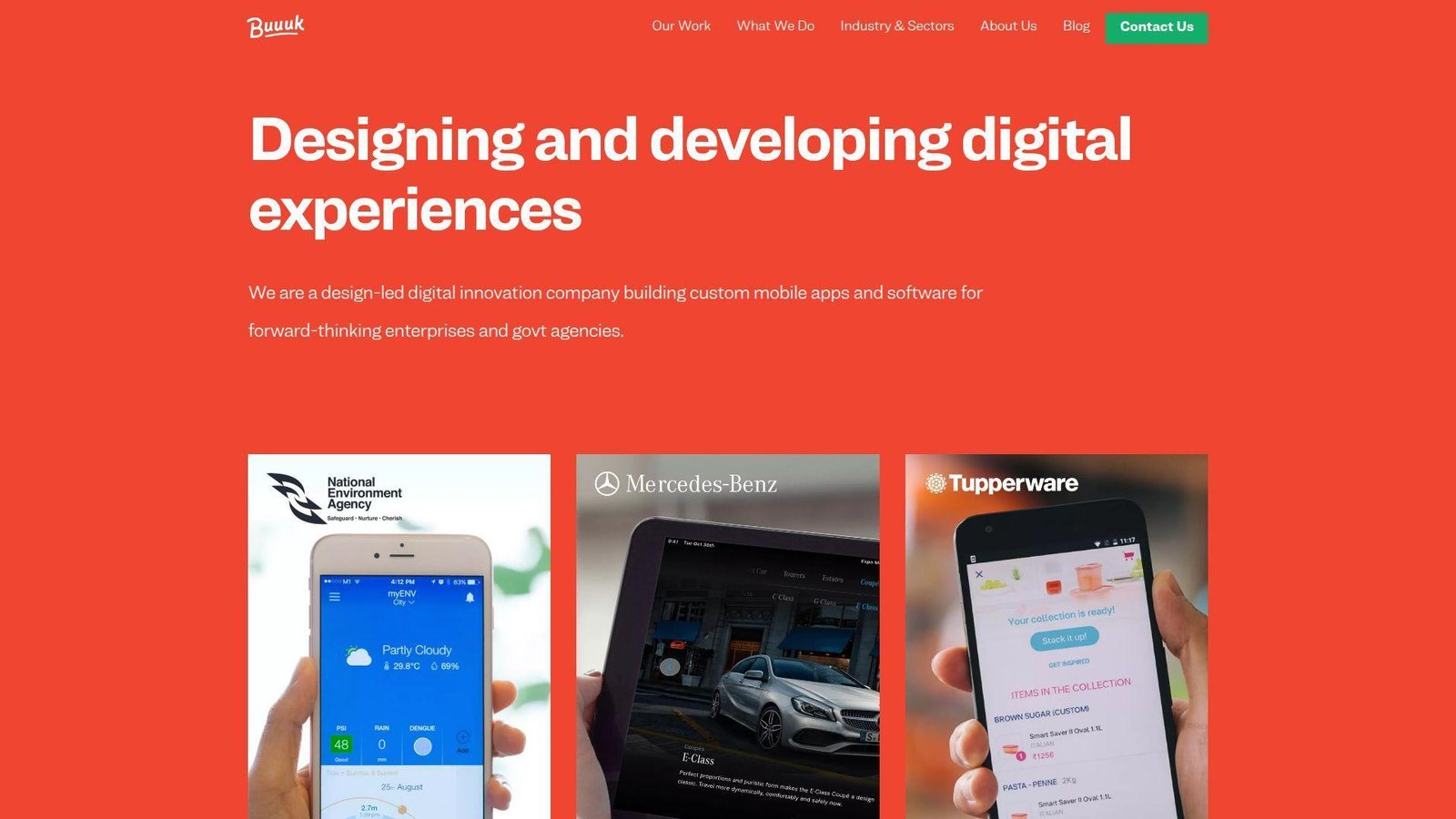
We think Buuuk is a strong fit when the product problem is bigger than the interface. Public profiles place it at roughly 11 to 50 employees, founded in 2008, and headquartered in Singapore.
- Service scope: Digital product strategy, UX/UI, app development, and innovation consulting.
- Industry specialization: Enterprise experience work, innovation programs, and customer-facing products.
- Ideal client size: Enterprise teams, funded brands, and innovation units.
- Pricing model: Premium consulting or project engagement.
- Onboarding process: Discovery workshops and research tend to lead.
- Communication style: Senior and design-led.
- Proof/case-study requirements: Ask for adoption outcomes, not just polished screens.
- Red flags to check before hiring: Commodity development work may underuse their best strengths.
- Questions to ask before signing: What user problem are you solving first?
8. Singsys
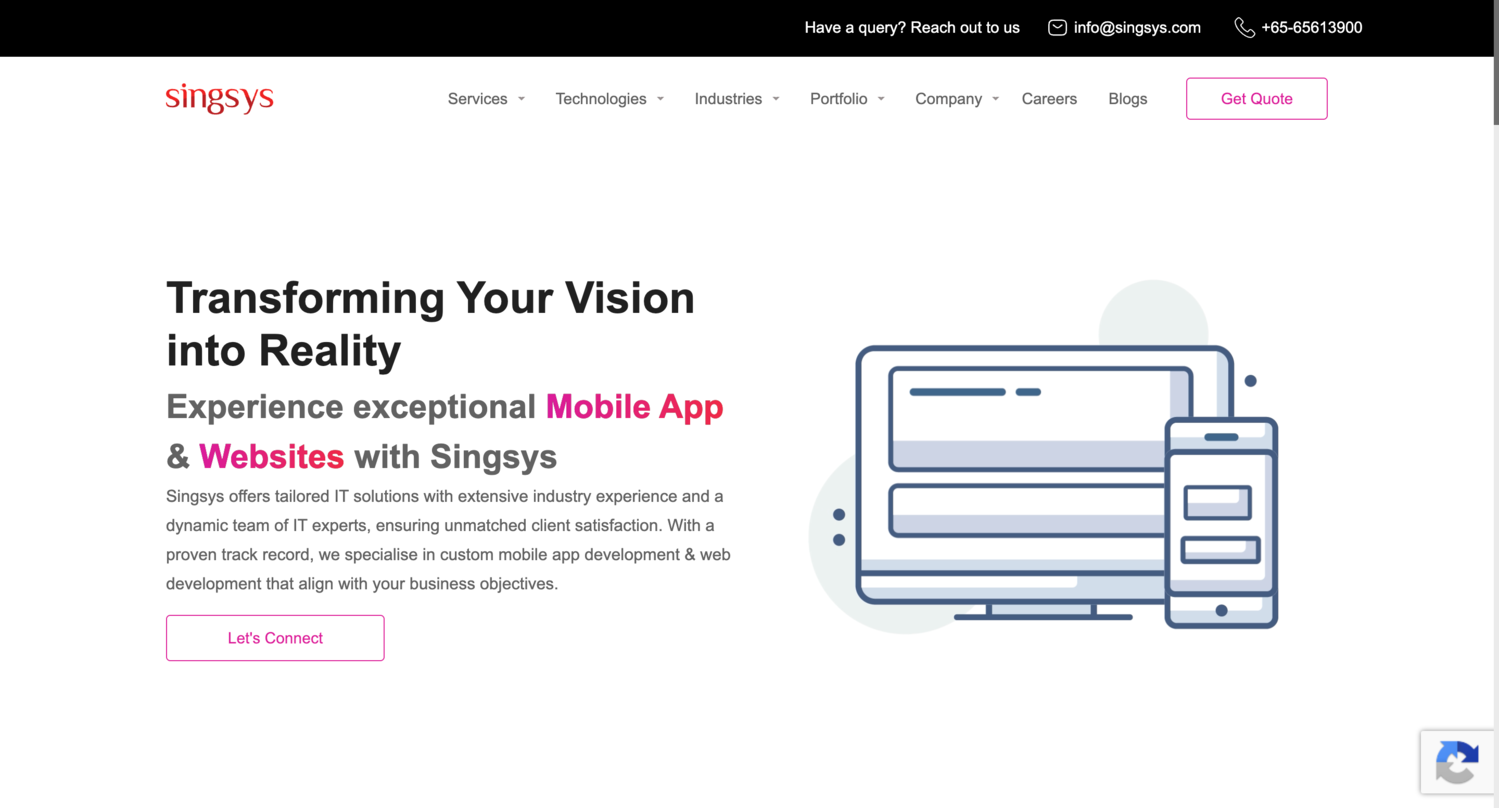
Singsys feels like the broad-service delivery shop on this list. Public profiles place it at roughly 51 to 200 employees, founded in 2009, and headquartered in Singapore.
- Service scope: Native and cross-platform apps, web, e-commerce, UI/UX, and security support.
- Industry specialization: B2B, enterprise websites, consumer apps, and commerce.
- Ideal client size: SMEs, enterprise departments, and brands needing breadth.
- Pricing model: Project-based, with support or marketing add-ons.
- Onboarding process: Formal requirement gathering and delivery planning.
- Communication style: Process-driven and service-oriented.
- Proof/case-study requirements: Ask for the exact team mix on similar builds.
- Red flags to check before hiring: A wide menu can hide weak product ownership.
- Questions to ask before signing: Who is the senior PM and product decision-maker?
9. Orfeostory
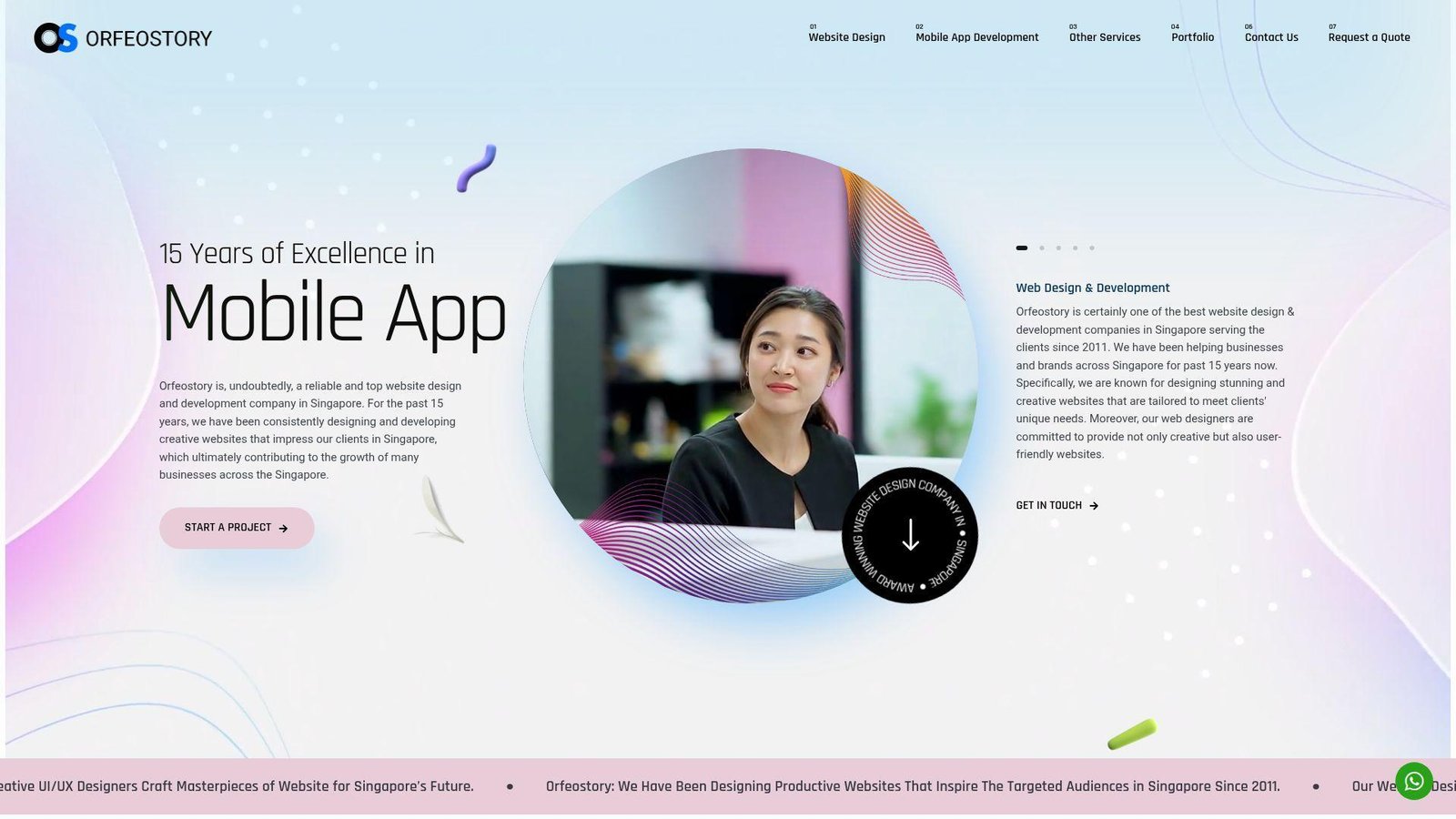
We see Orfeostory as a reliable Singapore digital agency if your project sits between website, app, and general business presence. Public profiles place it at roughly 11 to 50 employees, founded in 2011, and based in Singapore.
- Service scope: Website design, development, mobile apps, e-commerce, and maintenance.
- Industry specialization: SMBs, associations, service brands, and local businesses.
- Ideal client size: Small to mid-sized businesses that want one vendor.
- Pricing model: Usually project-based and more approachable than strategy-heavy firms.
- Onboarding process: Quote-driven, then planning once requirements are clearer.
- Communication style: Friendly and agency-style.
- Proof/case-study requirements: Ask for custom backend work, not only front-end design.
- Red flags to check before hiring: Deep SaaS or compliance-heavy builds may need more engineering depth.
- Questions to ask before signing: What parts are custom versus standard site tooling?
10. Pixium Digital
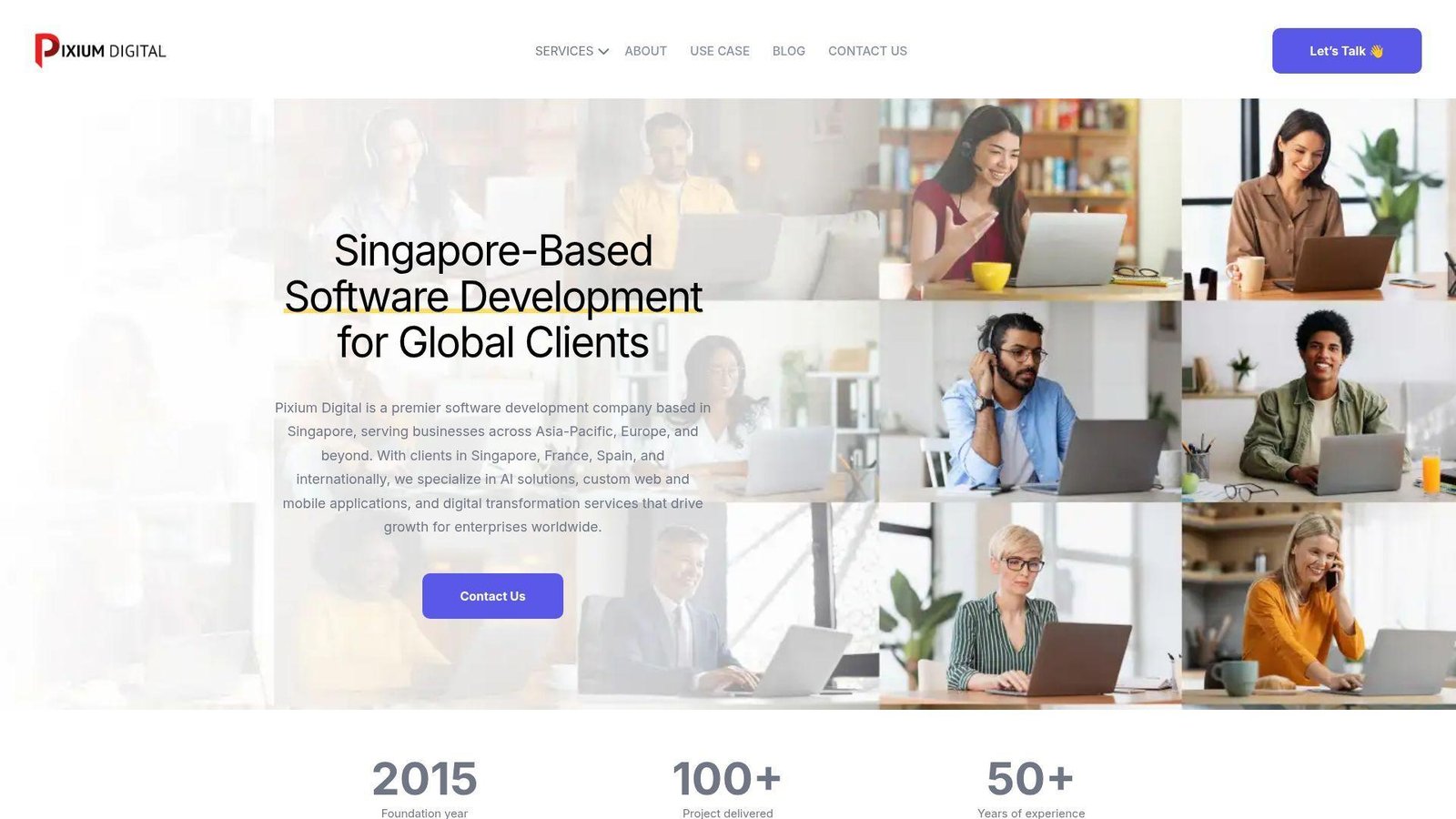
Pixium Digital stands out when the build touches advanced experiences. Public profiles place it at roughly 11 to 50 employees, founded in 2015, and headquartered in Singapore.
- Service scope: Mobile apps, web apps, AR, VR, IoT, and software development.
- Industry specialization: Innovation projects, connected products, and immersive experiences.
- Ideal client size: Startups, innovation teams, and brands testing differentiated features.
- Pricing model: Project-based and strongly scope dependent.
- Onboarding process: Idea framing, then agile delivery.
- Communication style: Product-minded and international.
- Proof/case-study requirements: Ask how they maintained experimental features after release.
- Red flags to check before hiring: Simple booking or content apps may not need this level of specialization.
- Questions to ask before signing: Which parts of our scope really need custom R&D?
11. HokuApps
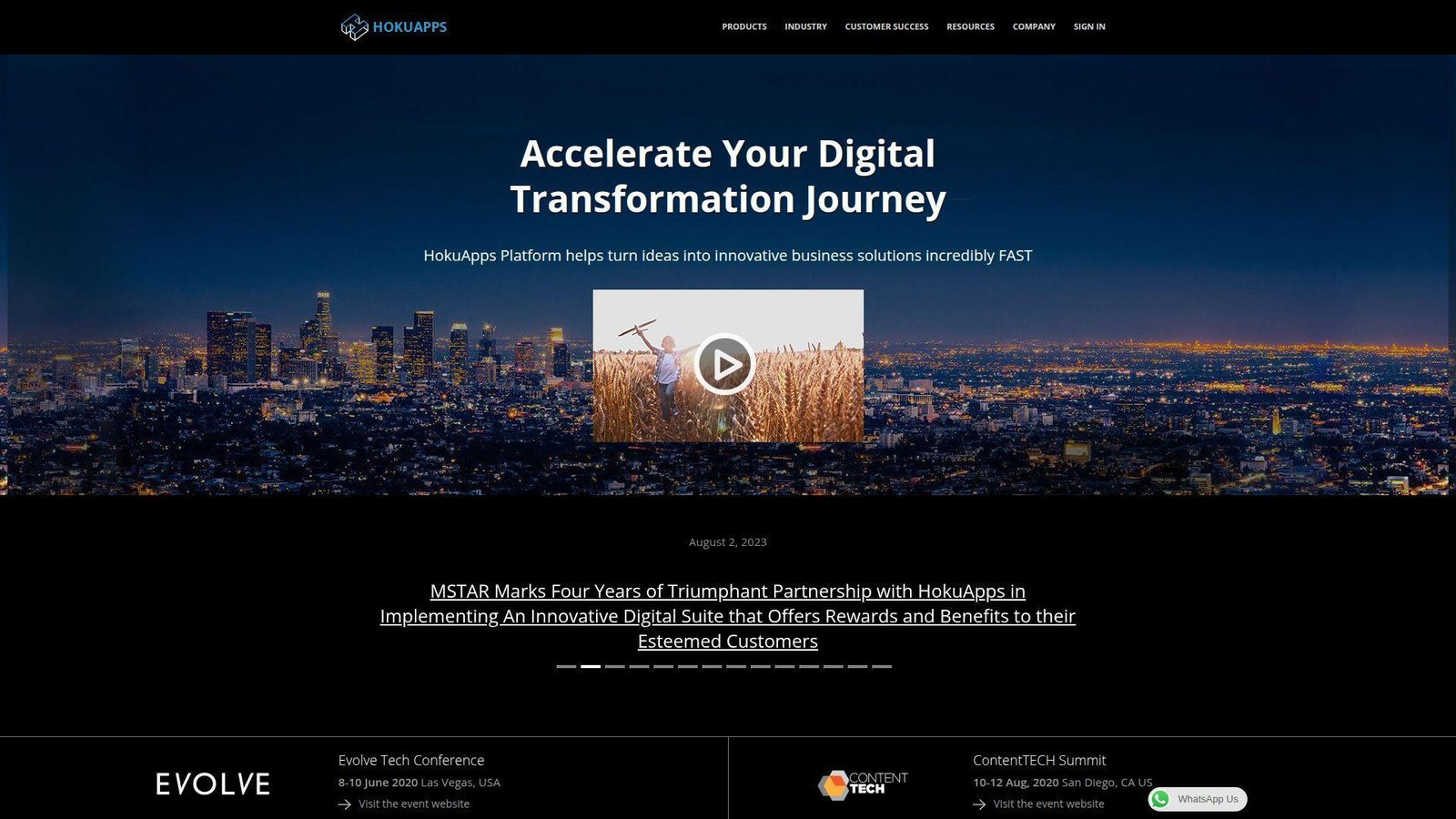
We classify HokuApps as an enterprise platform player more than a typical agency. Public profiles place it at roughly 201 to 500 employees, founded in 2014, and headquartered in Singapore.
- Service scope: Low-code app development, integration, BPM, and enterprise workflow apps.
- Industry specialization: Internal operations, field service, and process-heavy enterprise work.
- Ideal client size: Mid-market firms and enterprises with repeat workflows.
- Pricing model: Platform licensing plus implementation and support.
- Onboarding process: Platform demo, use-case mapping, and integration review.
- Communication style: Enterprise sales and solution-consulting style.
- Proof/case-study requirements: Ask for portability, source ownership, and product limits.
- Red flags to check before hiring: Vendor lock-in if the app later outgrows the platform.
- Questions to ask before signing: What happens if we want to move off the platform later?
12. DEHA Global
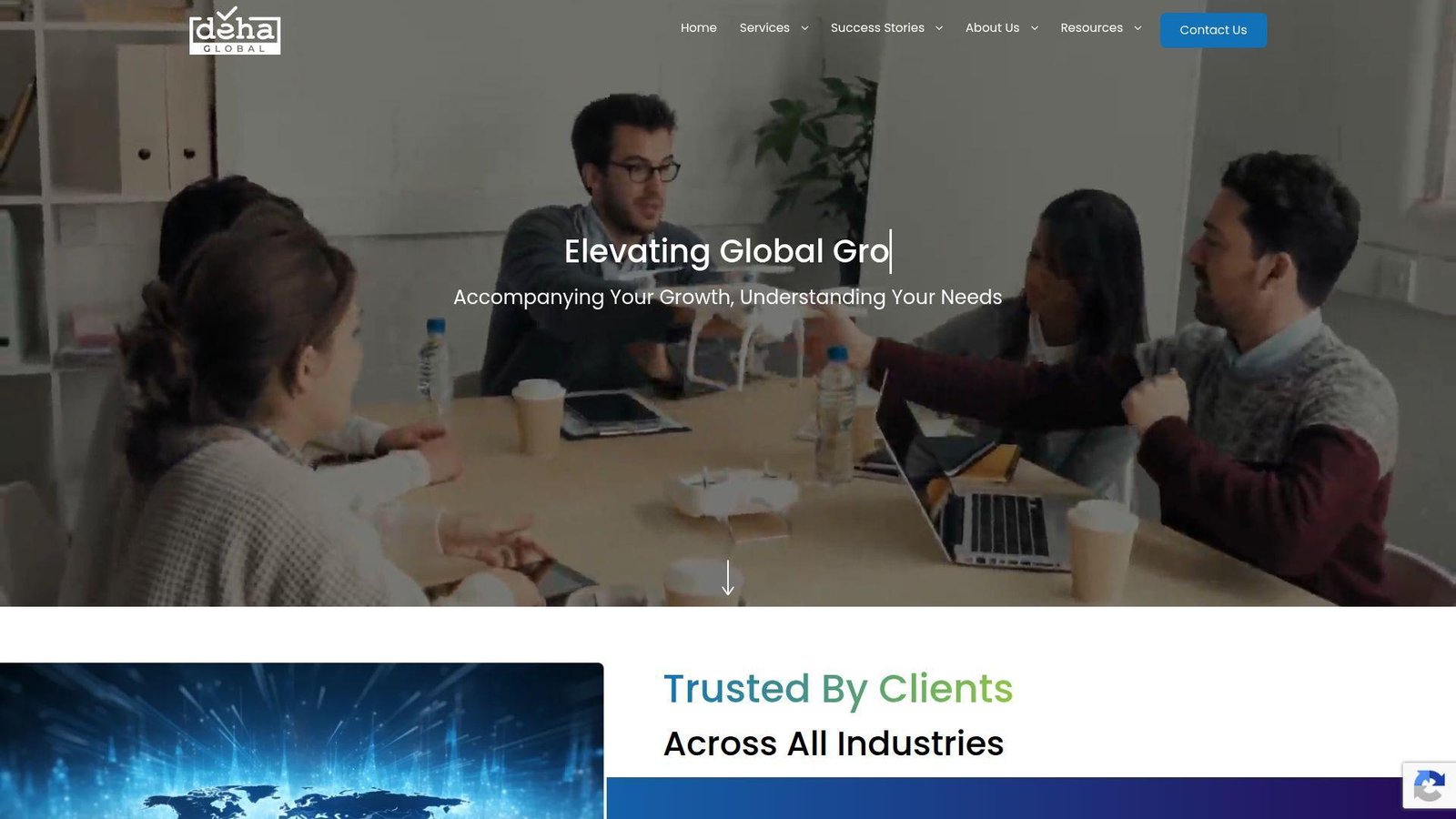
DEHA Global looks strongest for engineering-led clients who care about structured delivery. Public materials place it around 250 to 300 employees, founded in 2016, with a Singapore office and core headquarters in Hanoi.
- Service scope: AI development, AI MVPs, custom systems, cloud migration, and maintenance.
- Industry specialization: APAC enterprise, Japan-facing work, government, finance, and education.
- Ideal client size: Mid-market firms and enterprise teams.
- Pricing model: Project-based or dedicated-team delivery.
- Onboarding process: Technical discovery, architecture review, and delivery planning.
- Communication style: Structured and process-led.
- Proof/case-study requirements: Ask for live, certified delivery examples in your sector.
- Red flags to check before hiring: Verify where key decision-makers actually sit.
- Questions to ask before signing: Which roles are in Singapore and who signs off architecture?
13. Brainvire Infotech
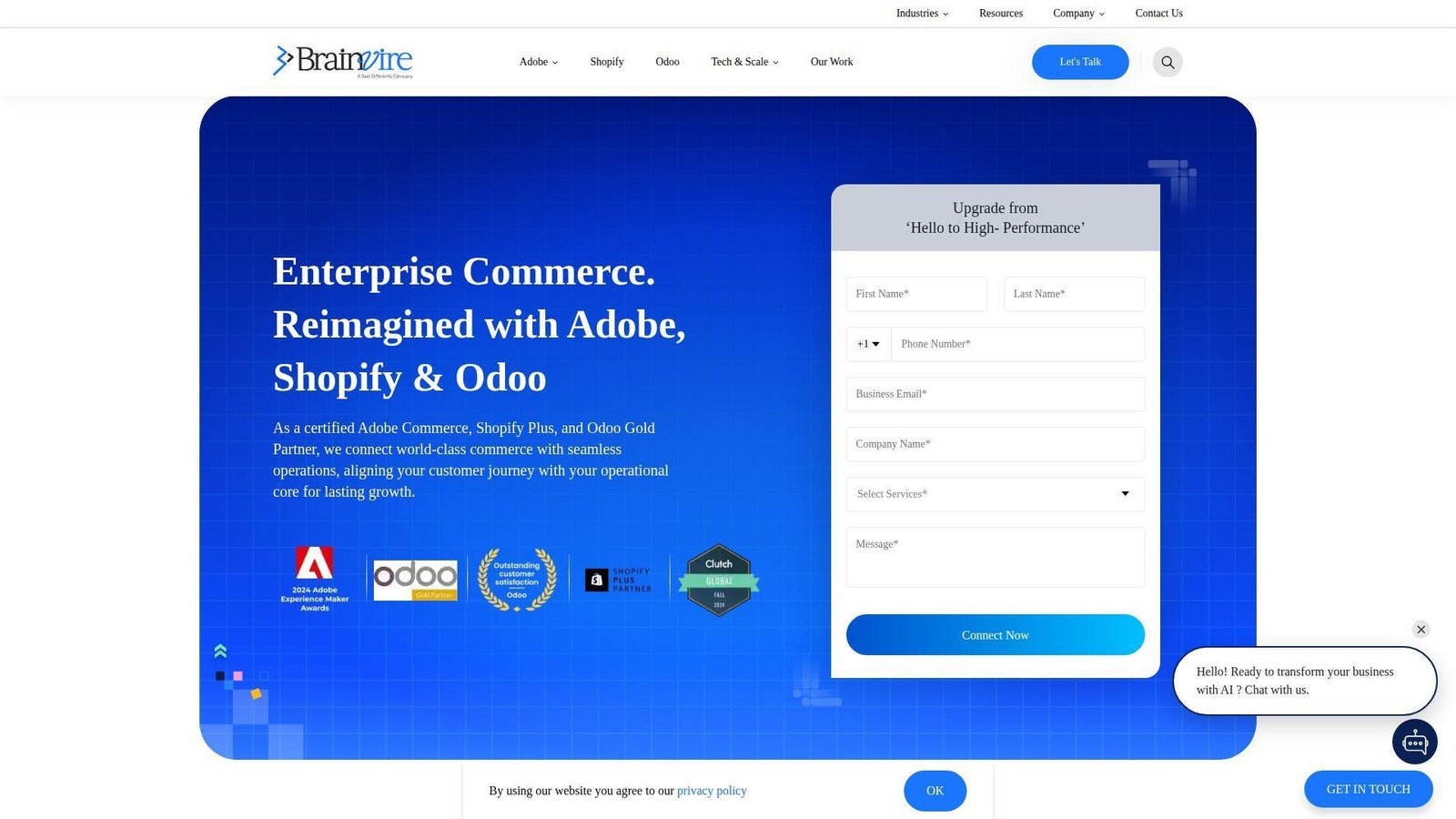
Brainvire is the biggest name here by global scale. Public profiles suggest at least 500 employees, while the company markets a much larger expert base. It was founded in 2000, headquartered in Irving, Texas, and operates a Singapore office.
- Service scope: Mobile apps, platform engineering, AI, cloud, e-commerce, and enterprise systems.
- Industry specialization: Retail, healthcare, BFSI, education, manufacturing, and media.
- Ideal client size: Larger mid-market firms and enterprises.
- Pricing model: Enterprise project pricing, managed teams, and longer programs.
- Onboarding process: Formal discovery, account setup, and multi-role staffing.
- Communication style: Layered, global, and partner-led.
- Proof/case-study requirements: Ask for similar-sized engagements and exact team composition.
- Red flags to check before hiring: Lean founders can get buried in a large delivery model.
- Questions to ask before signing: Who will be hands-on each week and how stable is the team?
14. TechTIQ Solutions
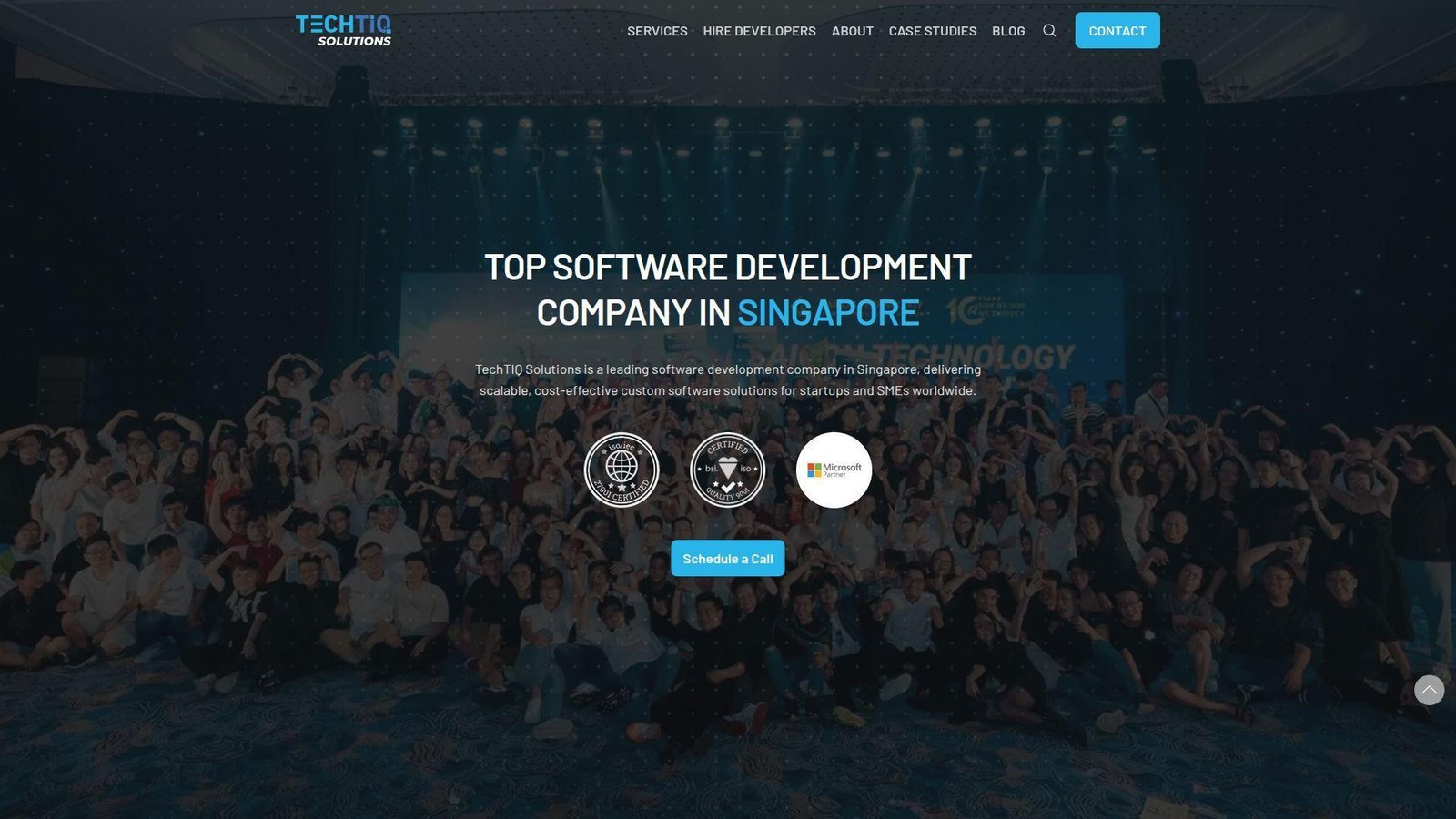
TechTIQ Solutions is interesting because its public positioning points to a small Singapore front office but a much larger offshore bench. Public profiles show 2 to 10 employees in Singapore, while company materials claim a far larger global team. It was founded in 2017 and is based in Singapore.
- Service scope: Custom software, web, mobile, enterprise systems, and IT staffing.
- Industry specialization: Startups, SMEs, finance, logistics, and e-commerce.
- Ideal client size: Cost-aware businesses that still want structured outsourcing.
- Pricing model: Project-based, dedicated team, and staff augmentation.
- Onboarding process: Consultation first, then solution breakdown and team allocation.
- Communication style: PM-led and offshore-friendly.
- Proof/case-study requirements: Ask who exactly is assigned to your build.
- Red flags to check before hiring: Watch for unclear distinction between core staff and wider bench.
- Questions to ask before signing: Which roles sit in Singapore and which are offshore?
15. ROCKETECH
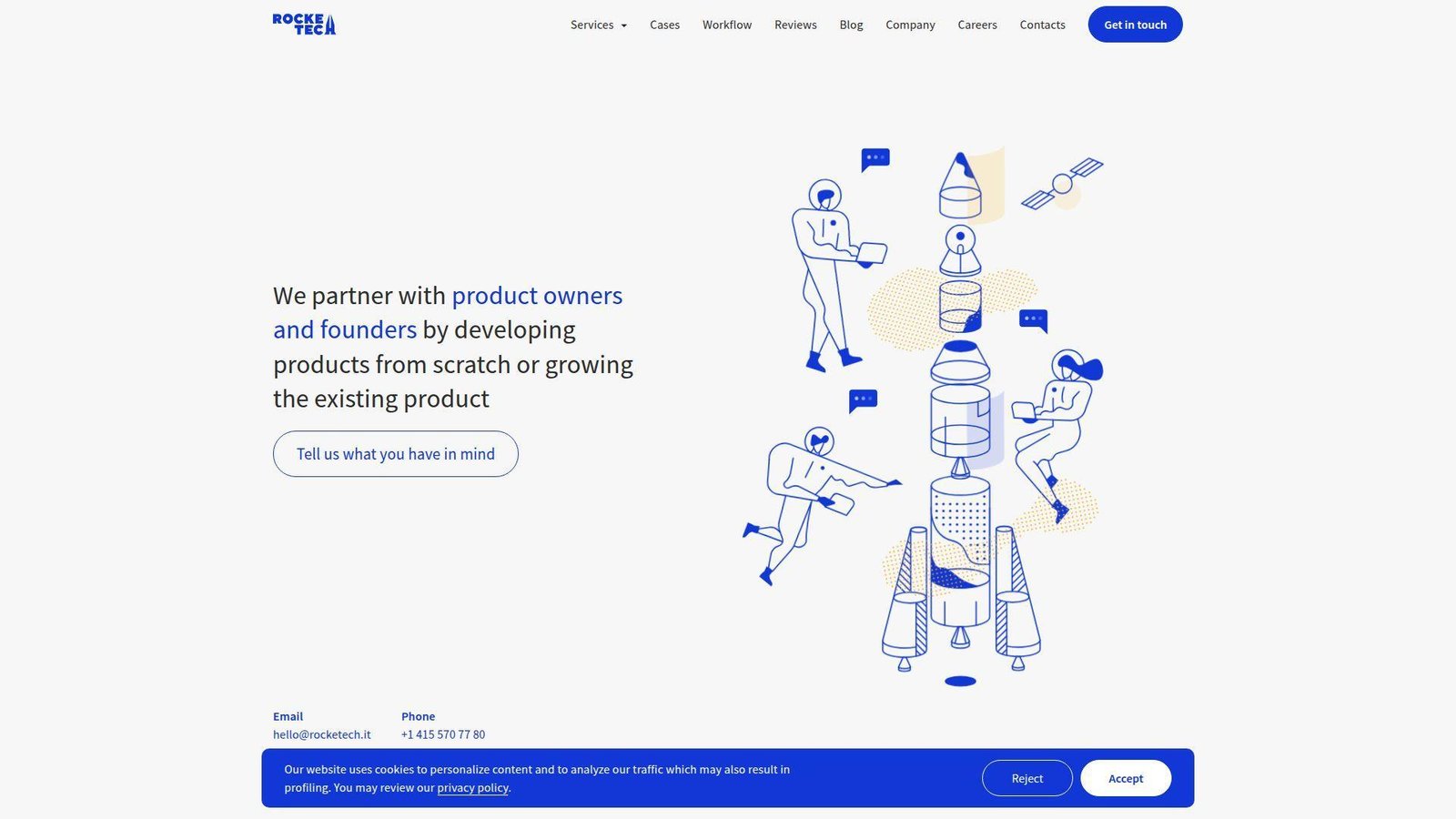
We see ROCKETECH as a modern software house for buyers who want product thinking plus analytics. Public profiles place it at roughly 51 to 200 employees, founded in 2016, and headquartered in Singapore.
- Service scope: Web and mobile development, UX/UI, and analytics-driven product work.
- Industry specialization: Startups, marketplaces, digital products, and internal tools.
- Ideal client size: Funded startups, scale-ups, and growth-minded businesses.
- Pricing model: Project-based, often with advisory in the scoping phase.
- Onboarding process: Consultation, analysis, and phased delivery planning.
- Communication style: Direct, data-minded, and international.
- Proof/case-study requirements: Ask how analytics changed product decisions after launch.
- Red flags to check before hiring: Confirm where execution happens if you want a local team.
- Questions to ask before signing: What events, KPIs, and dashboards are included from day one?
16. RailsFactory
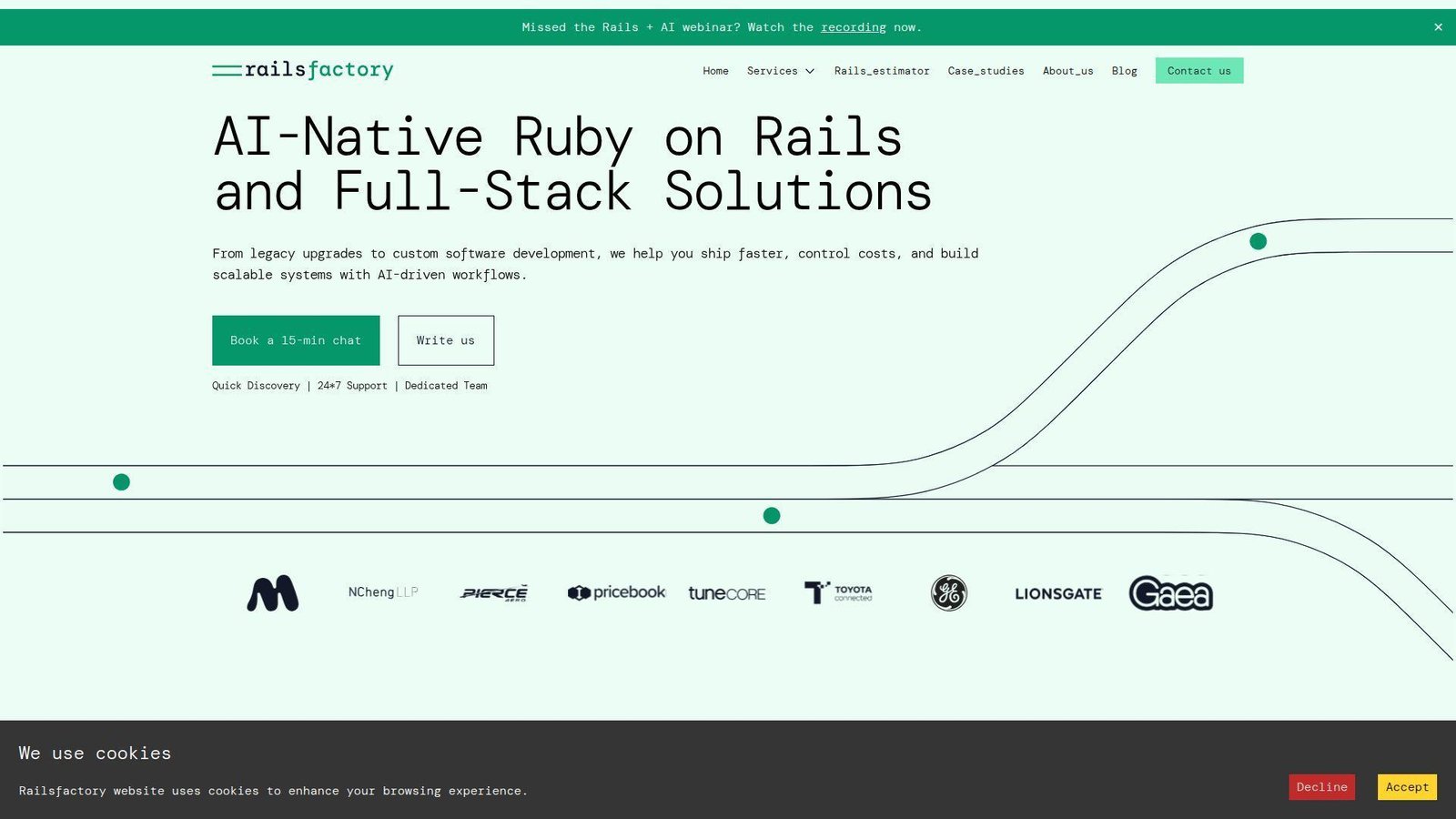
RailsFactory is the specialist on this list. Public profiles place it between 51 and 200 employees, founded in 2006, and headquartered in Chennai rather than Singapore.
- Service scope: Ruby on Rails, full-stack web work, DevOps, code audits, and mobile support.
- Industry specialization: SaaS products, platform modernization, and long-term web applications.
- Ideal client size: Software companies and startups with ongoing product work.
- Pricing model: Project-based or dedicated engineering team.
- Onboarding process: Code audit or technical scoping usually comes first.
- Communication style: Engineering-led and detail-heavy.
- Proof/case-study requirements: Ask for upgrade, performance, and maintenance examples.
- Red flags to check before hiring: Do not hire a Rails specialist if Rails is not the right fit.
- Questions to ask before signing: Why is Rails still the best stack for our roadmap?
17. Manifera
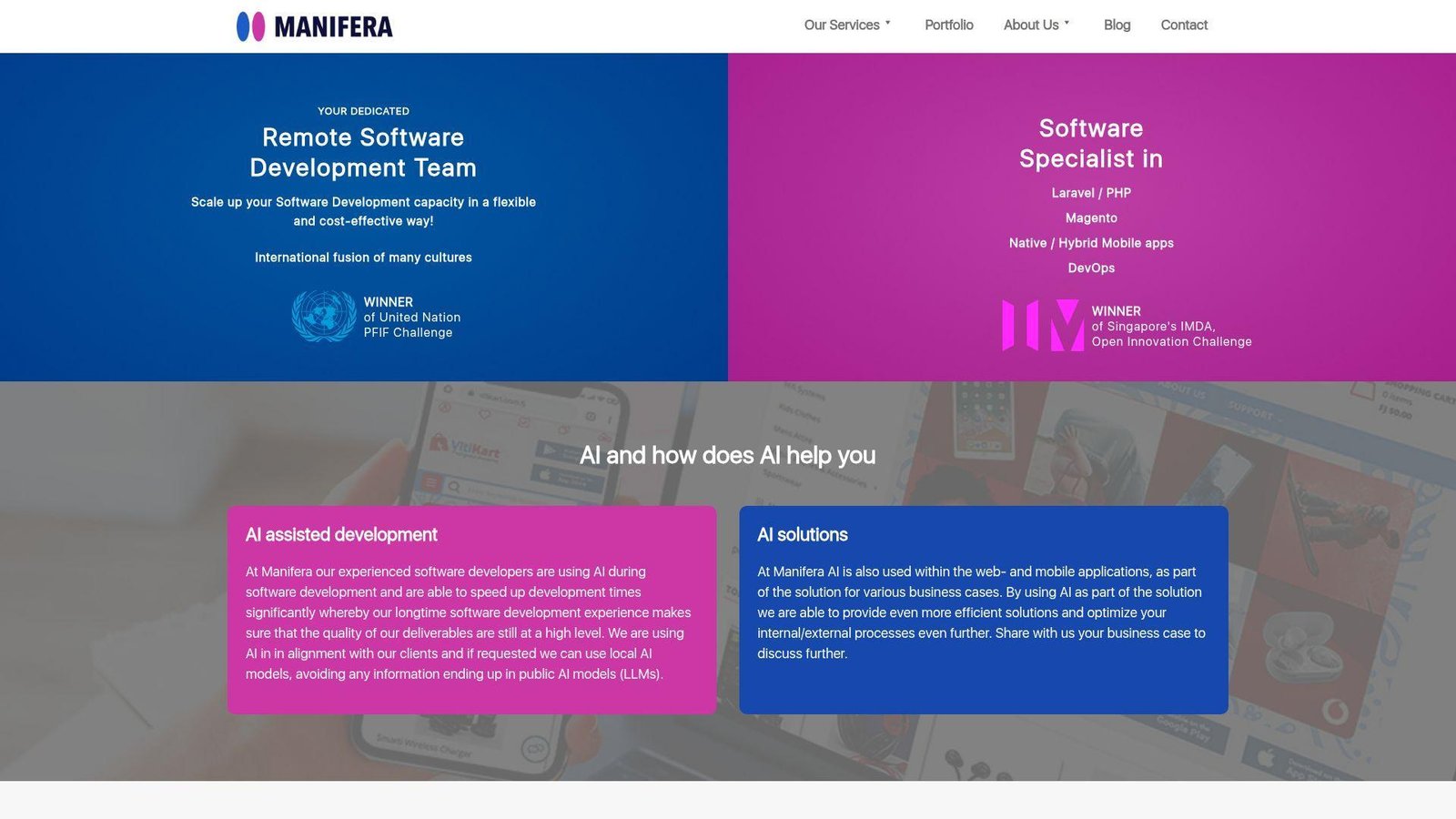
Manifera blends Singapore management with a Vietnam delivery base, and we think that matters for buyers who want closer business communication without pure onshore pricing. Company materials point to a 30-plus developer team, founded in 2014, with headquarters in Singapore.
- Service scope: Custom software, remote teams, offshore development, and app delivery.
- Industry specialization: Software product companies, fintech, IoT, and enterprise work.
- Ideal client size: SMEs and firms with recurring development needs.
- Pricing model: Fixed-price or dedicated remote team.
- Onboarding process: Discovery, staffing plan, and phased setup.
- Communication style: Partnership-focused and transparent.
- Proof/case-study requirements: Ask for long-term client relationships, not one-off launches.
- Red flags to check before hiring: Fixed-price work still needs clear change control.
- Questions to ask before signing: When do you recommend fixed-price versus a dedicated team?
18. Coconut Lab
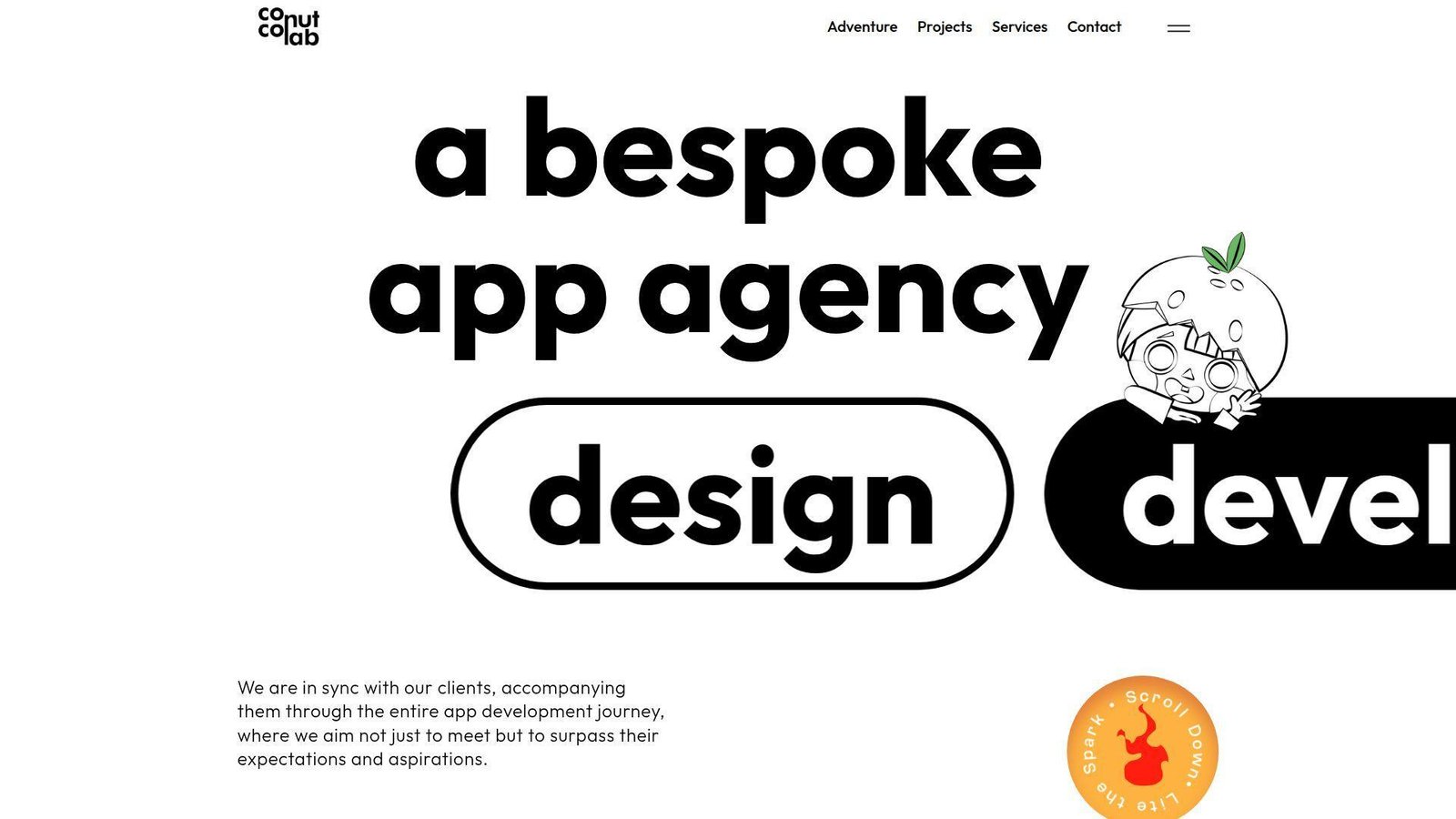
Coconut Lab looks like a smaller Singapore app agency with a design-and-growth angle. Public profiles place it at roughly 11 to 50 employees, with headquarters in Singapore. A reliable public founding year is not easy to verify.
- Service scope: App design, development, web builds, brand work, and AI-enabled automation.
- Industry specialization: Service businesses, lifestyle apps, and brand-led digital products.
- Ideal client size: Startups and SMEs that want one team across design and build.
- Pricing model: Project-based, with advisory blended into delivery.
- Onboarding process: Concept planning, user-journey review, then design and build.
- Communication style: Collaborative and founder-style.
- Proof/case-study requirements: Ask for live products with real traction, not concept work alone.
- Red flags to check before hiring: Confirm backend depth if integrations matter.
- Questions to ask before signing: Who owns backend architecture and post-launch support?
19. Awebstar Technologies
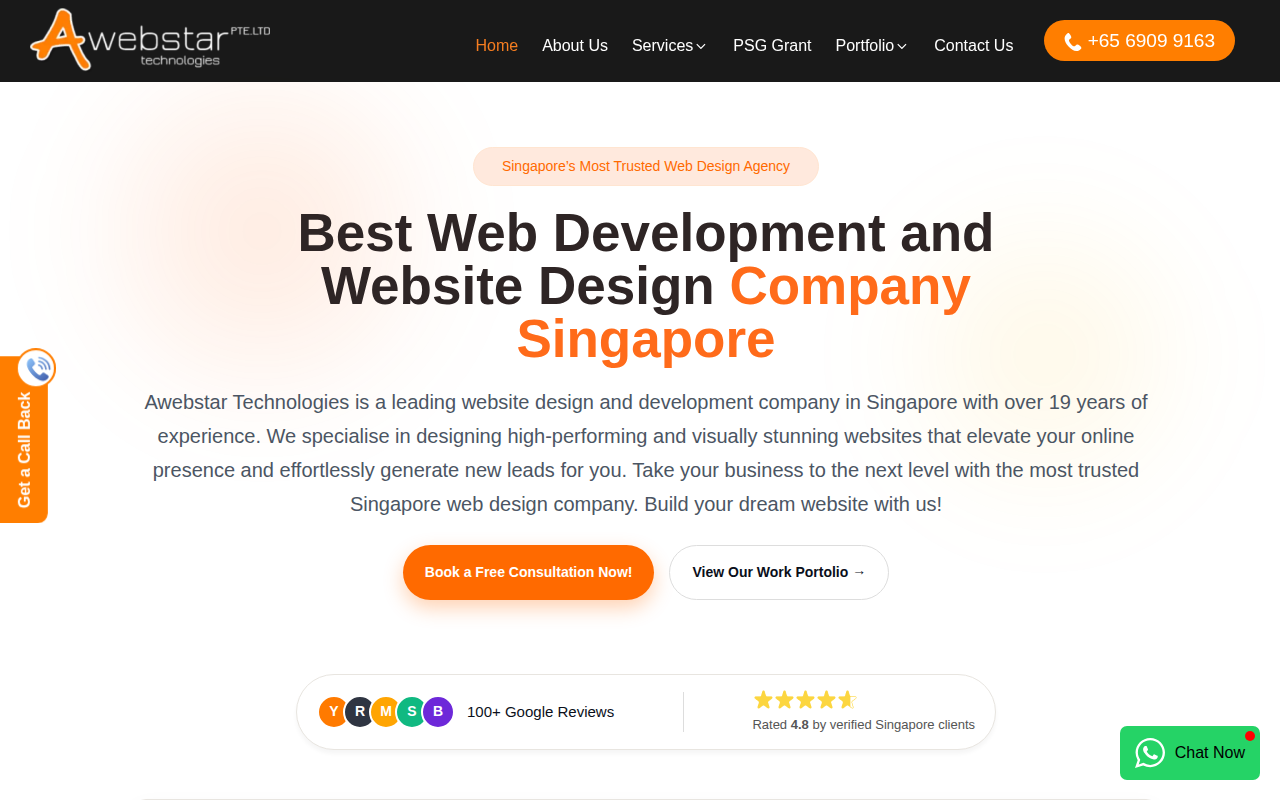
Awebstar is a long-running Singapore digital agency that covers web, marketing, software, and app work under one roof. Public profiles place it at roughly 51 to 200 employees, founded in 2007, and headquartered in Singapore.
- Service scope: Website development, mobile apps, software, SEO, and e-commerce.
- Industry specialization: SMEs, service businesses, and brands wanting broad digital support.
- Ideal client size: Small and mid-sized businesses.
- Pricing model: Project-based, with marketing retainers as add-ons.
- Onboarding process: Sales consultation, quote, then staged execution.
- Communication style: Agency-style and service-led.
- Proof/case-study requirements: Ask for custom app examples, not only website redesigns.
- Red flags to check before hiring: Broad service menus can dilute deep product ownership.
- Questions to ask before signing: Who leads product strategy if the app grows past phase one?
20. Globalware Solutions
Globalware Solutions is harder to place because its public messaging spans software, e-commerce, insurance, and logistics. What is clearer is its Singapore base and about 25 years of experience. Public team size is not clearly disclosed.
- Service scope: Custom software, e-commerce, supply chain, and business-system work.
- Industry specialization: Logistics, commerce operations, and operational workflows.
- Ideal client size: Established businesses with process-heavy needs.
- Pricing model: Likely project-based or solution-based.
- Onboarding process: Requirements discovery should be mandatory here.
- Communication style: Best fit if they lead with business-process understanding.
- Proof/case-study requirements: Ask for named projects in your exact vertical.
- Red flags to check before hiring: Broad positioning can hide unclear product focus.
- Questions to ask before signing: Which vertical is your strongest right now?
Recommended reading: Top 20 Sydney Web Design Companies for Businesses That Want Better Results
How We Judged the Best App Development Companies in Singapore
We judged these firms the way a buyer with budget, internal politics, and launch pressure would. Awards help. Brand names help. Still, neither matters much if the vendor cannot scope risk, communicate plainly, or support the product after release.
1. Product Strategy, UX, and Discovery Depth
The first question we ask is simple. Did the team try to understand the business, or did it rush to a build quote? Good discovery covers user roles, success metrics, key flows, edge cases, and what version one should leave out. If an agency jumps straight from idea to estimate, we get cautious.
That matters because app development in Singapore is rarely just a pretty front end. Many builds combine customer flows, admin panels, staff workflows, payments, reporting, and identity logic. In our view, Codigo, Buuuk, Lizard Global, and Originally US tend to look stronger when the brief is still fuzzy and the product needs shaping before code starts.
2. Technical Range, Integrations, and Delivery Process
Pretty screens do not carry a project alone. We looked for evidence of backend delivery, API integrations, QA, release management, analytics, and post-launch support. That is the line between a demo app and a product people can rely on during actual work.
We also separated firms by what they seem built for. A consumer booking app, a field-service tablet tool, and a regulated bank workflow may all sit under mobile development, but the engineering needs are different. HokuApps, DEHA, Brainvire, Singsys, and TechTIQ stand out here for different reasons, even though they are not interchangeable.
3. Post-Launch Support, Local Fit, and Business Value
We care a lot about the boring parts. Who handles store submissions, watches crashes and patches libraries? Who answers when logins break after an OS update? If those answers are vague, the proposal is not complete.
Local fit mattered too. Singapore buyers often need clean consent flows, direct communication with business stakeholders, and documentation that stands up in procurement or compliance conversations. We favored teams that look capable of tying product work to business value, not just shipping features and moving on.
Recommended reading: Top 20 IT Outsourcing Companies for Growth, Innovation, and Scale
How App Development Companies in Singapore Differ by Strength
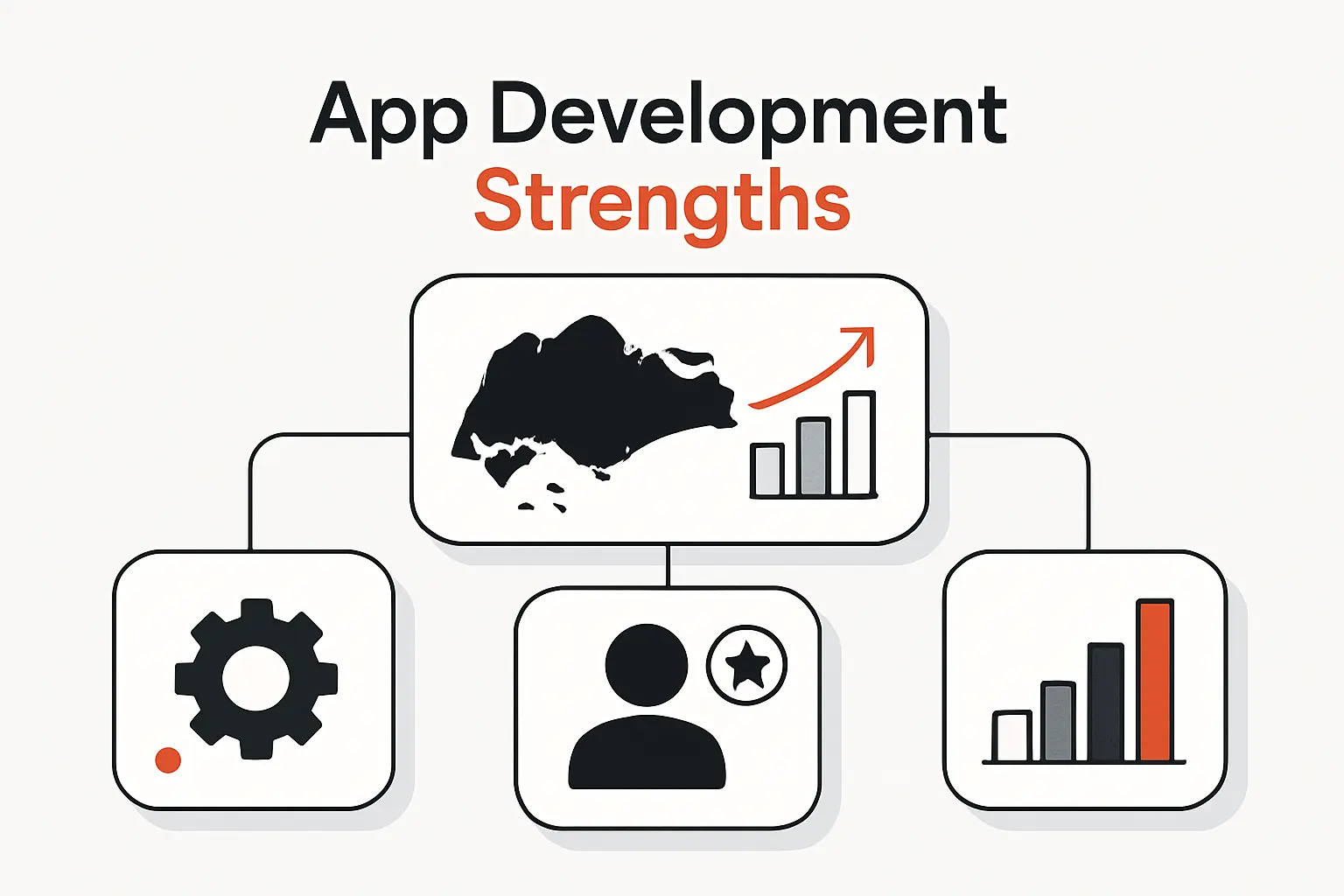
Once we mapped the market, three buying patterns showed up clearly. App development in Singapore is not one category. There are product studios, custom software partners, and enterprise-focused teams. Mixing them up is where shortlists go wrong.
1. Product-First Teams for MVPs and Fast Iteration
If your idea is still moving, choose the team that thinks like a product owner, not a ticket taker. Codigo, Buuuk, Lizard Global, ROCKETECH, Pixium Digital, and sometimes SleekDigital fit this pattern best. They are more likely to challenge onboarding, simplify flows, and cut waste from version one.
The trade-off is straightforward. You may spend more upfront on discovery and UX, but you often waste less on rework later. That is a good deal when adoption, retention, and clarity matter more than raw speed to first code commit.
2. Custom Software Partners for Internal Tools and Operational Workflows
A lot of app development in Singapore is really workflow development with a mobile front end. Think inspections, approvals, claims, bookings, member portals, or sales tools. In that lane, SleekDigital, 8Creation, TechTIQ, Manifera, Globalware Solutions, and often TechTide Solutions make more sense than a brand-heavy design studio.
These projects live or die on permissions, admin simplicity, integration quality, and how quickly the tool fits daily operations. A prettier UI helps, but it will not save weak workflow logic. If your app is for staff, franchisees, or field teams, this category deserves more attention than many buyers give it.
3. Enterprise-Focused Teams for Security, Compliance, and Complex Integrations
Originally US, HokuApps, DEHA Global, Brainvire Infotech, and some Singsys engagements make more sense when procurement, security review, or system integration already sit inside the brief. These firms are rarely the cheapest. Frankly, that is the point. They are built to reduce risk where the cost of mistakes is higher.
The trade-off is more process, more documentation, and sometimes a slower start. That can frustrate founders chasing a fast MVP. Still, for regulated products or multi-system enterprise work, a slower clean start usually beats a fast messy one.
Recommended reading: Top 20 Product Development Companies: Complete Guide and Selection Criteria
App Development Costs in Singapore and What Changes the Price
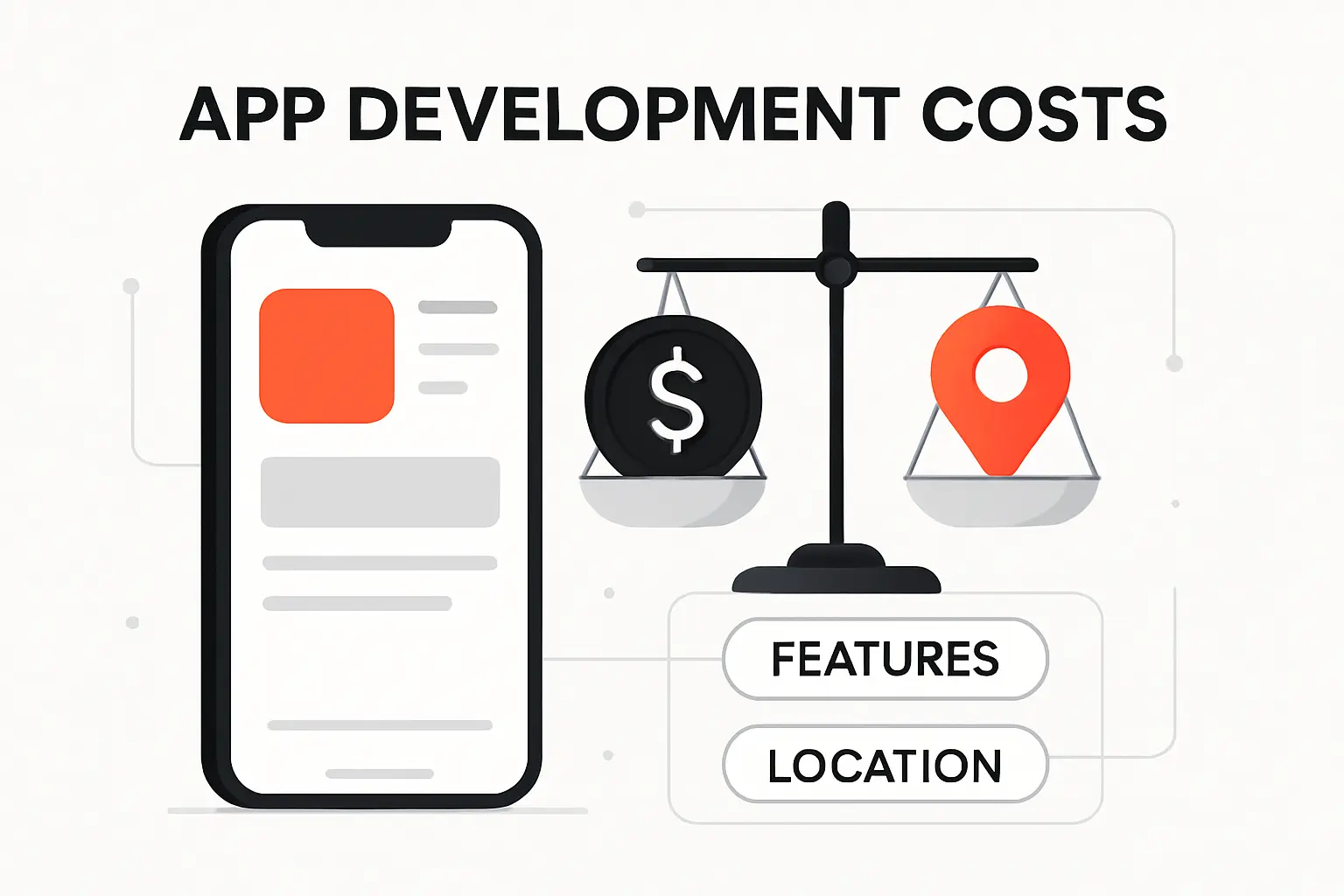
Price anxiety is normal. The trick is to compare scope, not just totals. Two vendors can quote the same project title and mean very different things by it. One may include discovery, QA, analytics, and support. Another may include only build hours.
1. MVP Scope, Feature Depth, and Timeline Pressure
Public Singapore cost guides commonly cite SGD 20,000 to SGD 300,000+, and we think that range is more useful as a warning than as a budget. One quote may cover a simple login flow and a basic admin panel. Another may include roles, payments, data migration, APIs, QA, store release, and support. Those are not the same job.
In real buying decisions, scope changes price faster than city does. A small internal workflow app can stay contained. A public app with maps, subscriptions, promotions, notifications, and analytics grows quickly. Timeline pressure raises cost too, because more parallel work, tighter review cycles, and heavier release coordination are needed.
2. Native vs. Cross-Platform vs. Web App Trade-Offs
Native iOS and Android make the most sense when hardware behavior, performance, or platform-specific polish really matters. Think camera-heavy flows, Bluetooth, background activity, or high-touch consumer experiences. You pay more, but you get more control.
Cross-platform tools are often the best business answer for version one. They reduce duplicated work, keep feature parity easier, and help one team move faster. Web apps are the sleeper option. If the product is mostly forms, admin logic, and staff workflows, a good web app can be the smarter first release.
3. Maintenance, Compliance, and Post-Launch Growth Costs
The first build is rarely the full bill. Cloud hosting, monitoring, bug fixes, analytics, library updates, and app-store release work continue after launch. If the product succeeds, growth adds more cost through new user roles, more integrations, better reporting, and stronger support expectations.
Compliance also changes total cost. Once you deal with personal data, payments, healthcare details, or government-linked workflows, testing and documentation take more time. That is why we tell buyers to ask for total ownership thinking, not just phase-one development effort.
Security, Compliance, and Tech Stack Choices That Matter in Singapore
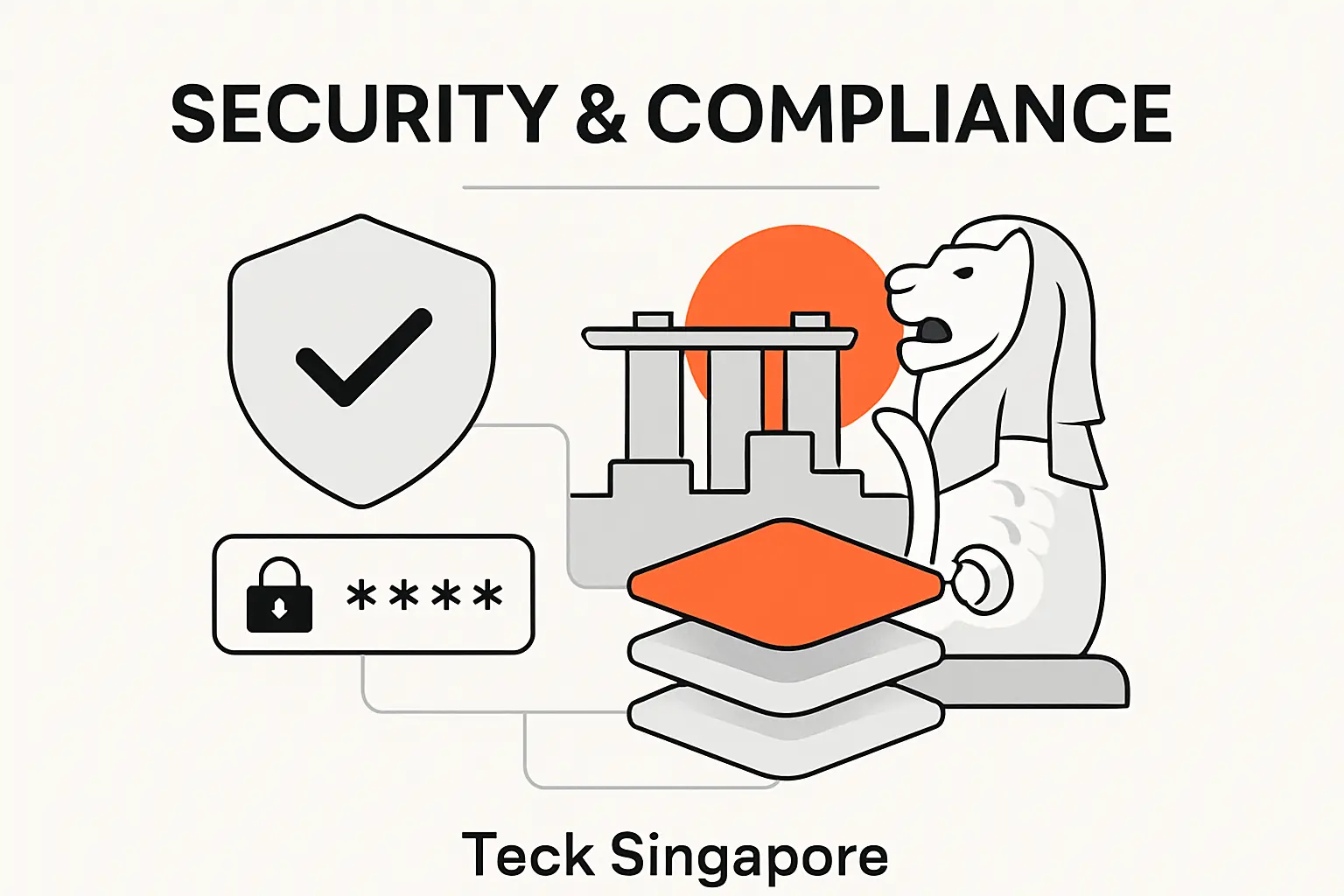
The wrong stack choice can lock you into expensive rework. The wrong compliance choice can stop a launch. In app development in Singapore, security and stack are not side notes. They shape vendor fit from the start.
1. PDPA, Data Protection, and Consent Requirements
Trust is part of the product. Deloitte surveyed about 3,500 US consumers and found that people want transparency, control, and data security as digital tools get deeper into daily life. We hear the same concern in Singapore, especially when apps touch identity, payments, employee data, or health information.
Under PDPA, the practical questions are plain. What data do you collect? Why do you need it? Who can access it? Where is it stored? How long is it kept? How is consent captured and changed later? A vendor that cannot answer those questions before development starts is asking for trouble.
2. Swift, Kotlin, React Native, Flutter, and Low-Code Trade-Offs
Swift and Kotlin make sense when you need deeper hardware control, tighter performance, or platform-specific behavior. React Native usually fits teams that want a faster shared-code path without giving up too much flexibility. Flutter can be a strong choice when UI consistency matters and the team already knows the stack well.
Low-code is different. It can be a smart move for internal workflow apps with forms, approvals, and dashboards. It becomes riskier when the roadmap includes custom UX, heavier offline behavior, or a future need to move off the platform. HokuApps is the clearest example on this list of a vendor where platform fit matters as much as agency fit.
3. Finance, Healthcare, Government, and IoT Use Cases
Finance apps need audit trails, access control, strong authentication, and careful release discipline. Healthcare apps add privacy, consent, patient-facing clarity, and often ugly edge cases around records or appointments. Government and public-sector work usually brings documentation, procurement discipline, and stricter expectations around accessibility and security.
IoT is its own beast. Device pairing, background sync, connectivity drops, and field conditions can turn a simple-looking brief into a hard engineering job. That is where a firm like Pixium Digital may make more sense than a general web-first agency, and where backend and QA depth matter more than glossy design language.
Common Mistakes to Avoid When Hiring for App Development in Singapore
We see the same buying mistakes over and over. They look cheap or fast at first, then expensive later. A good shortlist should reduce those traps, not decorate them.
1. Picking the Cheapest Bid Without Scoping the Build
Cheap quotes can be a trap. Many low bids leave out discovery, QA, analytics, admin logic, release management, or support. The quote looks attractive because the scope is thin. Then the missing work comes back as change requests.
We would rather see a vendor explain what is excluded than promise everything for less. In practice, the clearer quote is usually the safer quote.
2. Ignoring Local Market Fit, User Behavior, and Regulations
Singapore users are used to clear self-service flows, reliable mobile identity, and quick task completion. If your onboarding is clumsy, your app feels slow, or your consent flow is vague, people notice fast. That is especially true when the product touches payments, booking, verification, or public-facing service flows.
Regulations matter too. PDPA, vendor access rules, retention choices, and integration responsibilities should be part of scoping. They are not details to clean up right before release.
3. Skipping Post-Launch Support, Analytics, and Scaling Plans
An app launch is not the finish line. Without crash tracking, event tracking, funnel visibility, and a named owner for updates, teams lose control quickly. Even a good version-one release can drift if nobody is watching user behavior or handling updates with intent.
That is why we ask vendors how they support the product after release. If the answer is vague, the plan is incomplete. Full stop.
Frequently Asked Questions

These are the questions we hear most often when companies start comparing app development in Singapore vendors. The short answers are below, but the right vendor usually depends on whether you are building a customer product, an internal tool, or a regulated service.
1. How Much Does It Cost to Develop an App in Singapore?
The honest answer is still “it depends,” but that phrase hides useful distinctions. Cost moves when you add user roles, admin tools, integrations, data migration, payment flows, analytics, and compliance work. A quote is only as useful as the scope behind it.
We care less about the headline number and more about what it includes. Compare discovery, design, backend work, QA, launch support, analytics setup, and maintenance before you compare totals.
2. How Long Does It Take to Build a Mobile App?
A focused MVP can land in a few months if the scope is tight and approvals move quickly. A consumer app with multiple integrations or a regulated platform will take longer. Discovery, UI design, backend work, QA, and store review all need breathing room.
If someone promises a full production app almost immediately, we would ask what was removed from the plan. Fast is possible. Unrealistic is common.
3. What Is the Difference Between a Web App and a Mobile App?
A web app runs in the browser and is often better for staff tools, portals, dashboards, and admin-heavy workflows. A mobile app lives on the phone and is stronger when you need push notifications, camera access, biometrics, location, or frequent daily use.
Many businesses need both. The mobile side handles customer or field interactions. The web side handles admin, approvals, and reporting.
4. Can App Development Companies Handle Post-Launch Support?
Yes, but “support” means different things to different vendors. Some firms mean bug fixes only. Others include monitoring, release management, analytics reviews, feature improvements, and backlog planning.
We suggest asking for a support model in writing. Who responds, how quickly, and what kinds of updates are included should all be clear before the contract is signed.
5. Should You Build a Native or Cross-Platform App First?
Start native when device behavior, performance, or platform-specific polish is core to the product. Start cross-platform when speed, budget control, and shared logic matter more than edge-case performance.
For internal tools, do not ignore the web-app option. In many cases, the smartest first release is not an app-store launch at all. It is a browser-based product that solves the workflow cleanly.
How TechTide Solutions Helps You Build the Right Custom App
Because we are part of this market, we should be clear about where we fit. At TechTide Solutions, we work best when the problem is bigger than a simple front end and when the client wants an engineering partner that can keep improving the product after launch.
1. Translate Business Needs Into a Clear Product Roadmap
We start by translating business goals into user flows, roles, API needs, and a version-one plan. That sounds basic, but it prevents the common failure where a team buys features before it buys clarity.
We would rather remove a weak feature early than ship a crowded first release that nobody enjoys using. In our experience, this is where a lot of wasted budget disappears.
2. Build Custom Mobile, Web, and Backend Solutions for Your Workflow
We build mobile, web, and backend pieces together because many apps fail in the handoff between them. If your team needs customer-facing flows, admin dashboards, notifications, reporting, or third-party integrations, we prefer to treat that as one system.
That gives clients fewer blind spots during QA and launch. It also makes ownership clearer when something breaks, because one side is not pointing at another.
3. Launch, Improve, and Scale Through Ongoing Development Support
We stay involved after release, which means bug triage, backlog shaping, analytics-informed improvements, and new integrations as the product changes. We are not the perfect fit for every brief.
If you only need a design-heavy campaign site or a very light app wrapper, a smaller creative shop on this list may be leaner. If you need custom workflows, backend logic, and ongoing product work, we are more likely to be the right match.
Final Thoughts on Choosing App Development in Singapore
The right app development in Singapore partner depends on what kind of risk you are buying down. If design clarity is the biggest risk, look harder at Codigo, Buuuk, Lizard Global, or Pixium Digital. And for internal workflows and operational logic matter most, compare SleekDigital, TechTIQ, Manifera, Globalware Solutions, and us. If security, scale, and integration complexity dominate, start with Originally US, HokuApps, DEHA Global, Brainvire Infotech, or Singsys.
Our practical advice is simple. Shortlist three agencies, give them the same brief, and ask them what they would cut from version one, what team you would actually get, and how they handle support after launch. The best answer is usually calmer, clearer, and less flashy than the sales deck.
If you are still undecided, ask one last question before you hire: which team would you trust to tell you “no” when a feature is wrong for the product?