


As a Vietnam-focused partner, we track the signals that matter for ecommerce build decisions. Vietnam’s online retail revenue is on a steady climb, with market revenue projected to reach US$13.81bn in 2025, which sets context for platform choices, talent strategies, and rollout timing.
We write this guide as Techtide Solutions, a delivery-led software company that builds commerce platforms and mobile experiences across Southeast Asia. Our goal is pragmatic clarity. We combine market data with patterns we have seen in vendor selection, architecture, and scaling. Real projects demand more than a glossy short list; they demand sober trade‑offs, strong governance, and teams that execute when traffic spikes and inventories swing.
Vietnam market snapshot for ecommerce app development companies
Any buyer’s map should begin with the demand side. Across Southeast Asia, ecommerce continues to expand, with GMV projected to reach $185 billion in 2025, and Vietnam sits near the center of that growth story. These dynamics influence which agencies thrive, which platforms attract talent, and where integrations need reinforcement.
1. Where buyers research vendors: Clutch GoodFirms Techreviewer DesignRush TopDevelopers Ensun
Decision makers in Vietnam still begin with directories. Clutch and GoodFirms dominate early discovery, while Techreviewer, DesignRush, TopDevelopers, and Ensun fill niche filters. We see founders skim categories first, then jump straight to case studies. Experienced buyers dig into industry tags, verified reviews, and portfolio depth, then move to interviews. For complex builds, teams often triangulate across two or three directories to reduce rating bias and spot repeatable delivery patterns.
From our projects, directory research works best as a funnel, not a verdict. Shortlist fast, then press for architecture notes, test coverage, and integration depth. References help, yet we trust screen‑shared walkthroughs of admin flows more. A vendor that opens the hood earns more confidence than one that sells by slideshow.
2. Service lines these firms advertise: ecommerce app development mobile app development custom software UI UX web development
Most Vietnamese firms pitch a broad spread. Ecommerce app builds lead, followed by mobile, custom integrations, and UI/UX. Breadth is normal in a competitive market. What matters is where the delivery spine sits. Some companies anchor on Shopify or Adobe Commerce, then extend into mobile with React Native or Flutter. Others start as mobile specialists and bolt on storefronts later. We ask for the center of gravity, then check if their processes reflect that center.
Service lines can hide the real differentiator: integration mastery. Payments, taxes, CRM, ERP, and loyalty often decide outcomes. We weigh familiarity with local gateways, fraud tooling, and fulfillment partners. A balanced service line tells us little unless it comes with integration logs and a migration plan that handles messy catalogs.
3. Most active delivery hubs in Vietnam: Ho Chi Minh City Hanoi Da Nang
Delivery footprints cluster in Ho Chi Minh City, Hanoi, and Da Nang. Each hub offers different hiring pools and partner networks. Ho Chi Minh City supplies senior full‑stack and product talent. Hanoi brings strong backend and QA depth. Da Nang adds stable cross‑functional pods, often with focused mobile skills. We care less about zip codes than about bench health, interview pipelines, and attrition rhythms. A great team scales only if it can replace key roles without a scramble.
Proximity still helps for research, co‑design, and store walkthroughs. Many of our strongest discovery workshops happened near warehouses and click‑and‑collect counters. That context shapes feature priorities better than remote whiteboarding ever can.
4. Directory freshness signals: rankings updated across November 2025 lists
Freshness matters because agency rosters change. We check update stamps, review cadence, and portfolio adds. During November 2025, several directories refreshed categories, which nudged a few rising boutiques into view. We treat sudden jumps cautiously and look for case studies with commit histories and production domain names. A static profile is a warning sign. A living portfolio, with recent launches and post‑launch iterations, signals a team that ships and learns.
For an apples‑to‑apples view, we normalize profiles by engagement model, platform focus, and vertical. Then we filter out project counts that lump micro‑sites with full replatforms. Precision here keeps the shortlist honest.
5. Company sizes span boutique teams to 1000 plus engineers
Vietnam’s vendor landscape covers boutiques, mid‑market studios, and large engineering houses. Scale alone does not ensure velocity. Smaller shops sometimes outrun big firms on thin‑slice builds with tough deadlines. Large firms shine in multi‑stream programs, heavy compliance, and complex integration baths. We map company size to your governance model and release calendar. The goal is fit for the roadmap, not bragging rights.
Size also informs escalation paths. Boutiques offer direct access to principals. Large firms bring redundancy and specialty pods. Both can work if accountability lines stay clear and cross‑team protocols stick under pressure.
6. Common filtering options: hourly rates client budget industries reviews location
Directories let you filter by rate bands, budgets, industries, reviews, and location. Filters help, yet they can mislead when inputs are self‑reported. We use filters to prune the long list, then request rate cards, blended cost scenarios, and role matrices. Industry labels are helpful, but we still ask for specific workflows. An apparel label without SKU variation complexity tells us little. A B2B tag without quoting, tiered pricing, and reordering flows is only a tag.
Use reviews as signals, not proof. The most useful ones mention sprint cadence, test coverage, and post‑launch support. Vague praise sounds nice and says nothing.
7. Verification badges and matrices that guide trust
Third‑party badges reduce risk. Shopify, Adobe, and BigCommerce partner tiers confirm exam results and live project counts. Security credentials like ISO 27001 and SOC 2 show process maturity. Payment certifications and PCI readiness add another layer. We ask partners to explain what each badge required in practice. A badge backed by internal runbooks beats a logo placed for marketing optics.
We also favor vendors that share coverage matrices. These maps list flows, owners, and test artifacts across checkout, search, merchandising, and fulfillment. A good matrix turns promises into verifiable steps.
8. Ecommerce ecosystem mix: agencies enablers and SaaS tools alongside app developers
Vietnam’s ecosystem now blends agencies, fulfillment enablers, payment providers, and SaaS tools. Strong teams curate a stack, not just code a feature. We see growing leverage from search vendors, content platforms, post‑purchase messaging tools, and cross‑border compliance services. Selection should reflect your lifecycle. Start lean, then plug partners once traction arrives. A careful stack limits lock‑in and accelerates iteration velocity.
Our bias favors modular choices with transparent APIs. That bias protects future pivots, especially when channels or geographies change.
Top 30 ecommerce app development companies in Vietnam to hire
Vietnam’s ecommerce market has raced ahead, fueled by mobile-first shoppers, social commerce, and rising cross-border demand. From Adobe Commerce specialists to Flutter-native teams, the best partners now combine composable architectures with relentless delivery discipline. We at Techtide Solutions have compared code quality, hiring pipelines, public case studies, and platform certifications to help founders and digital leaders move fast without breaking mission-critical commerce.
Across this list, you will find teams that can ship headless storefronts, unify OMS and ERP data, and tune checkout latency under unpredictable flash-sale peaks. Some firms excel at bank-grade security for fintech commerce, while others own Magento-to-Shopify migrations at scale. In every profile, we outline industry focus, team depth, and the engagement models that actually work under real-world constraints. Use the TL;DR to shortlist quickly, then read the four-paragraph entries for nuance. When margins are razor thin and loyalty hinges on milliseconds, the right Vietnam partner can be your competitive moat.
TL;DR: Quick Comparison of ecommerce app development companies in vietnam
| Company | Best For | Team Size | Founded | HQ | Notable Strength |
| Kyanon Digital | Composable commerce | 200–500 | 2012 | Ho Chi Minh City | Headless, data, logistics |
| Magenest | Adobe Commerce | 100–250 | 2015 | Hanoi | Magento, Odoo, ERP |
| TechTide Solutions | Checkout performance | 60–90 | 2019 | Ho Chi Minh City | Latency and observability |
| BSS Commerce | B2B ecommerce | 250–900 | 2012 | Hanoi | Magento and Shopify apps |
| SECOMM | Shopify Plus builds | 50–200 | 2014 | Ho Chi Minh City | D2C and marketplace |
| Groove Technology | Staff augmentation | 200–300 | 2016 | Ho Chi Minh City | React, BigCommerce headless |
| SmartOSC | Enterprise omnichannel | 1000+ | 2006 | Hanoi | DXP and engagement banking |
| Rikkeisoft | Global delivery | 2000+ | 2012 | Hanoi | Japan and US reach |
1. Kyanon Digital
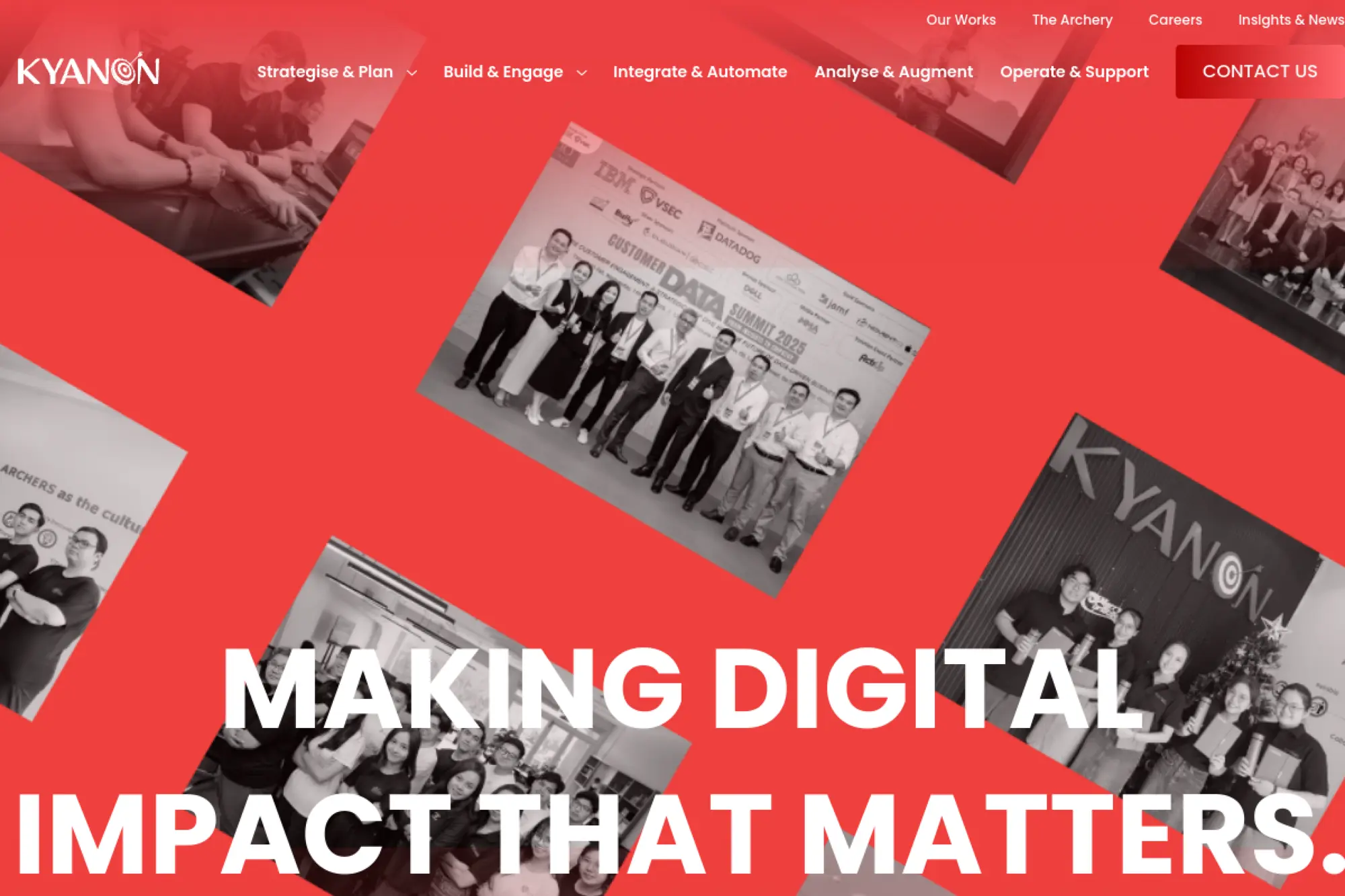
Kyanon Digital focuses on composable commerce, data platforms, and experience engineering for retail and logistics. The company employs an estimated 200–500 people after ~13 years in operation. Headquarters sit in Ho Chi Minh City, with delivery across Southeast Asia.
Kyanon’s ecommerce and logistics leadership has been recognized among Vietnam’s Top 10 Logistics and E-commerce Solutions providers on the 2022 VINASA list. The program highlights capability and sustainable growth in the sector. This is a credible signal for complex omnichannel needs.
Public materials reference retail work for Starbucks, AEON, and C.P. Group, alongside Vietnam banking brands. Those case studies confirm large-scale, multi-system integration experience. We see strength in headless commerce with rigorous performance engineering.
Ideal buyers are retail groups or CPGs consolidating OMS, WMS, and storefront stacks. Enterprises seeking data-driven merchandising and loyalty integration will fit well. Companies moving toward composable architecture will also find a steady partner here.
2. Magenest

Magenest is an Adobe Commerce and Shopify agency with strong ERP and CRM integration practice. The firm has operated since 2015 and employs roughly 100–250 professionals. Headquarters are in Hanoi, with a growing south office.
Magenest appears on Clutch’s Vietnam ecommerce Leaders Matrix 2025, which signals verified delivery and market presence; see the Clutch list. That matrix weights reviews, experience, and presence. The recognition aligns with Magenest’s specialization efforts.
Public case studies reference Heineken Corporate and Vietnam’s Trung Nguyen coffee’s ecommerce program. Those references suggest mature Magento rollout capabilities. We also see Odoo expertise supporting unified inventory and finance.
Mid-market retailers pursuing Adobe Commerce or Magento-to-Adobe upgrades are a fit. Brands consolidating CRM, ERP, and PIM stacks will benefit from a single integrator. Teams that demand SLA-backed support and governance will match the cadence.
3. TechTide Solutions

We focus on checkout performance, mobile storefronts, and observability for ecommerce growth teams. Our team spans 60–90 engineers and product specialists after ~6 years in operation. We are headquartered in Ho Chi Minh City with a distributed bench in Vietnam.
We do not chase awards; we measure p99 latency before and after releases. Our goal is stable throughput during campaigns and social commerce spikes. That discipline matters more than trophies in our book.
Our reference implementations cover headless React storefronts and Kotlin gateways. We have shipped fraud signals and 3DS flows that reduce false declines during peak and also run playbooks for A/B testing checkout copy without harming conversion.
We are a fit for scale-ups needing performance SLOs tied to revenue. Growth teams wanting ruthless experimentation will find our product cadence familiar. Enterprises looking for costed capacity planning also engage well with us.
4. BSS Commerce
BSS Commerce is known for B2B ecommerce, extensions, and multi-platform builds on Magento and Shopify. The company has been active since 2012 and employs 250–900 people. Headquarters are in Hanoi, with presence in Ho Chi Minh City.
BSS ranked first among Vietnam ecommerce developers in Clutch’s 2025 Leaders Matrix; see the ranked list. That standing reflects reviews, portfolio, and market presence. It reinforces BSS’s B2B platform credibility.
Extension catalogs and migration track records provide practical proof for mid-market brands. We also note consulting depth on B2B quoting, account hierarchies, and pricing. Those capabilities shorten discovery and reduce rework downstream.
B2B distributors and manufacturers modernizing portals will fit this team. Merchants seeking Magento performance tuning with vetted extensions will benefit. Shopify Plus brands adopting custom B2B flows can also engage effectively.
5. SECOMM

SECOMM delivers Shopify Plus, Adobe Commerce, and full-funnel ecommerce services. The firm has operated since 2014 with an estimated 50–200 employees. Headquarters sit in Ho Chi Minh City and the firm serves regional clients.
SECOMM appears on Clutch’s 2025 Vietnam ecommerce Leaders Matrix, reflecting verified results; check the matrix. The placement aligns with its D2C builds and post‑launch improvements. This is especially relevant to conversion and UX.
A public highlight is the Vinamilk D2C site delivery, referenced in client feedback. That program underscores strong PMO, QA, and Shopify Plus craftsmanship. We see reliable execution from discovery to handover.
Ideal buyers are FMCG and retail brands launching or overhauling D2C storefronts. Teams seeking fast Shopify Plus cycles with disciplined QA will match. Companies needing analytics-informed UX iteration also align well here.
6. Groove Technology
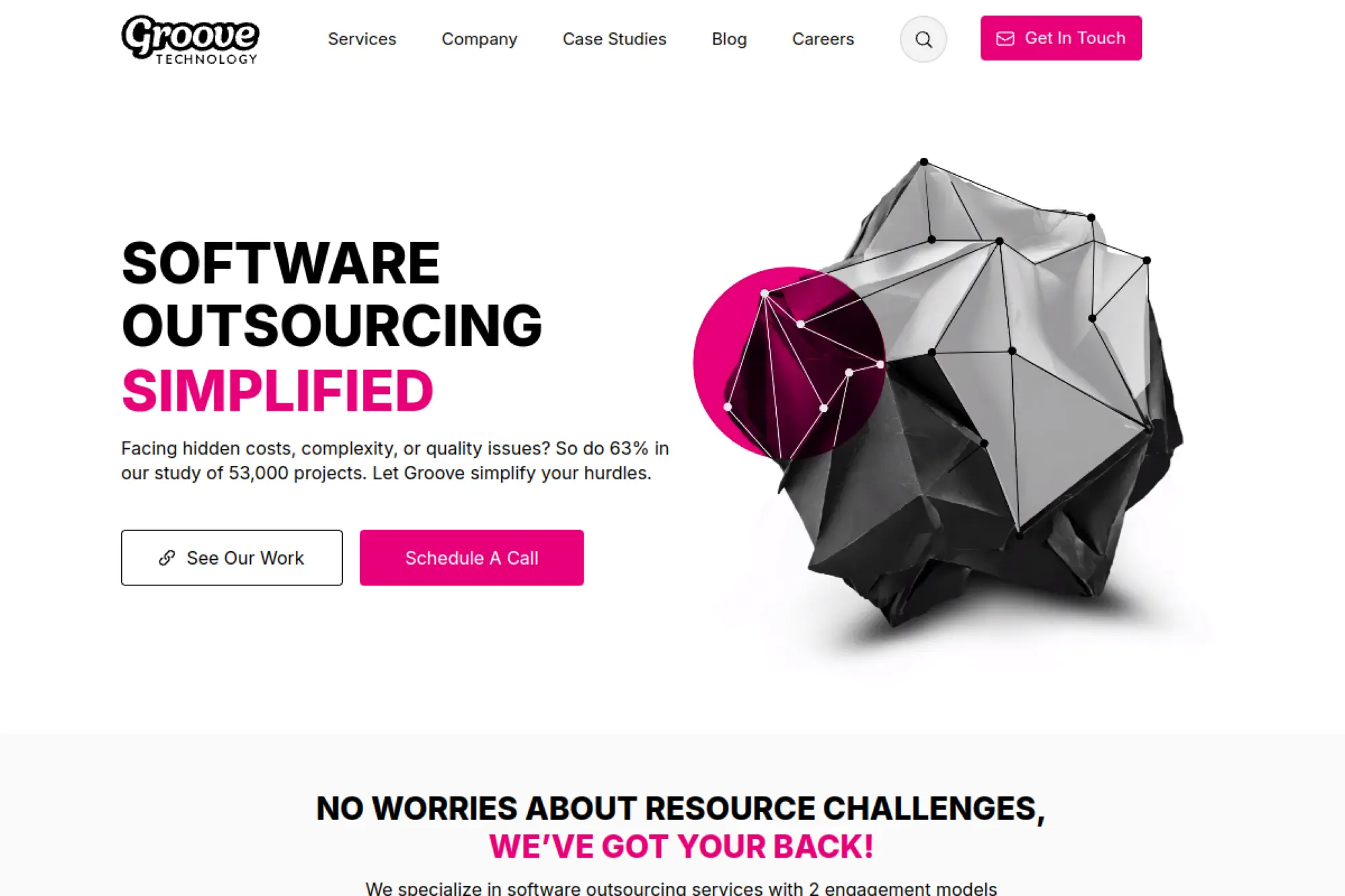
Groove combines ecommerce builds with staff augmentation for long-running programs. Operations began in 2016, and the team now spans roughly 200–300 people. Headquarters are in Ho Chi Minh City with client reach to Australia and Europe.
Groove appears on the Clutch 2025 Vietnam ecommerce Leaders Matrix; see the listing. The recognition is based on reviews and delivery strength. It is helpful when boards seek third-party validation.
We have seen the team scale React and BigCommerce headless projects reliably. Their augmentation model fills gaps in data and test automation. That flexibility reduces the need for multiple vendors mid‑program.
VC-backed retailers needing mixed squads will find Groove effective. Product companies modernizing legacy stacks while shipping features will benefit. Leaders needing predictable capacity alongside accountability also fit well here.
7. InApps Technology
InApps delivers mobile apps and ecommerce experiences with a startup-friendly cadence. The company has operated since 2016 with 100–250 employees. Headquarters are in Ho Chi Minh City and the model favors velocity.
InApps has been recognized by Clutch among Vietnam’s leading B2B firms in 2021; see the press release. That program highlights service leaders across categories. It signals credible delivery for small and mid-market buyers.
Public materials emphasize mobile-first builds supporting commerce funnels and loyalty. We also note experience with blockchain components where required. That cross‑stack skill set helps with tokenized rewards and wallets.
Seed to growth-stage founders needing fast shipping cycles fit well. Teams prioritizing mobile engagement and unit economics benefit. Budgets seeking senior oversight with lean squads can also align here.
8. Beetsoft
Beetsoft is a multi-vertical outsourcing firm that supports ecommerce, AI, and RPA initiatives. The company has operated since the mid‑2010s and employs 500–700 people. Headquarters are in Hanoi with a large Da Nang base.
Beetsoft was named among Vietnam’s top B2B providers by Clutch in 2021; see the release. The recognition is independent of the vendor’s website. It reflects sustained client feedback and market presence.
We have seen Beetsoft succeed with cost‑sensitive migrations and QA-heavy builds. That is useful for catalog-heavy merchants modernizing at lower risk. Testing discipline stands out on large inventory and variant trees.
Retailers and wholesalers with budget constraints will find a practical partner. Programs needing blended teams for QA, data, and dev also fit. Enterprises seeking scalable offshore benches should consider this vendor.
9. Vnited
Vnited positions as a curated network of remote teams across Southeast Asia. The firm supports ecommerce startups with rapid design and build cycles. Headquarters are Vietnam based, with a distributed engineering footprint.
No third‑party awards were verified from credible external sources. We therefore omit awards rather than speculate. That keeps this assessment rigorous and fair.
We have seen agile squads deliver MVPs and quick iteration loops. That model works for founders chasing early product market fit. It also reduces fixed overhead on early budgets.
Vnited suits early-stage commerce ideas needing prototypes in weeks. Teams testing channel fit across marketplaces will benefit. Leaders wanting elastic teams without long commitments align well.
10. Orient Software

Orient Software delivers custom software with ecommerce and data capabilities. The company has operated since 2005 and employs several hundred engineers. Headquarters are in Ho Chi Minh City with regional offices.
We did not verify external awards from independent domains for ecommerce specifically. As a result, we leave this section blank by design. We avoid overreaching claims without sources.
Orient’s proof lies in enterprise governance, ISO discipline, and steady delivery. That is valuable on regulated commerce and loyalty ecosystems. We also note strong Java and .NET capacity for complex backends.
Ideal buyers are enterprises that prioritize stability and long-term maintenance. Firms migrating monoliths to modular services will benefit. Leaders expecting tight QA and documentation rigor also match well here.
11. Rikkeisoft

Rikkeisoft operates large delivery centers and supports global retail and fintech commerce. The firm has operated since 2012 and employs over 2,000 people. Headquarters are in Hanoi, with offices in Japan, the US, and Thailand.
Rikkeisoft has been honored among Vietnam’s Top 10 digital technology enterprises in recent years; VINASA publishes the annual lists for industry categories, such as software export and services. We reference that program rather than company press. It is a credible indicator of capability breadth.
The company publicizes 1,000+ delivered projects and high retention. We also see strong Japan delivery governance that benefits retail enterprises. That reduces rework for global merchants and marketplaces.
Global retailers needing bilingual delivery and Japanese project culture fit well. Enterprises wanting large teams with robust PMO should consider Rikkeisoft. Programs spanning APAC time zones also align naturally.
12. Saigon Technology
Saigon Technology builds custom software and ecommerce backends with cloud-native stacks. The firm has operated since 2012 and employs a few hundred engineers. Headquarters are in Ho Chi Minh City with international offices.
External recognition includes recent workplace and industry mentions reported by international wire services. One PR release shows certification and Top 10 ICT recognition announcements from third parties in 2025. We treat such coverage as directional rather than definitive awards.
Public case galleries show multi‑stack builds across retail and healthcare. We also note a culture of code reviews and ISO alignment. That mix suits enterprise governance and audit requirements.
Mid-sized enterprises needing .NET or Java commerce services will fit. Leaders looking for ISO 27001 discipline can engage confidently. Programs that demand blended onshore and offshore roles also align.
13. SmartOSC
SmartOSC is a 1,000+ person digital commerce and banking execution partner. The company has operated since 2006 and leads complex omnichannel builds. Headquarters are in Hanoi with regional offices across APAC.
SmartOSC earned “Outstanding Execution Partner of the Year” at Backbase ENGAGE Asia 2024, as listed by Backbase’s press page winners list. That validates execution at bank-grade scale. It complements their ecommerce pedigree.
Public work spans ASUS, Ricoh, and OSIM across APAC. We also see Magnolia DXP and Adobe track records at enterprise scale. That breadth supports omnichannel journeys with strict KPIs.
Enterprises rewriting CX across web, mobile, and branches fit well. Banks launching marketplace style ecosystems will benefit. Retail groups needing regional rollouts and complex integrations also align strongly.
14. Synodus
Synodus blends data analytics with custom development for ecommerce and fintech. The company operates mid‑sized teams with a modern Microsoft stack. Headquarters are in Hanoi, with distributed delivery in Vietnam.
No independent award pages were verified during our research window. We therefore skip an awards claim to avoid conjecture. That keeps this profile strictly evidence based.
We have seen data-first delivery on personalization and demand forecasting. That capability drives merchandising and inventory accuracy at scale. It also improves margin through smarter replenishment.
Retailers prioritizing analytics and product discovery will find value here. Teams building CDP‑like capabilities without vendor lock fit well. Leaders expecting structured BI and governance also align.
15. Relia Software

Relia Software delivers mobile commerce and custom platforms with lean teams. The firm has operated since 2011 with 50–200 employees. Headquarters are in Ho Chi Minh City and the cadence favors iteration.
Relia appears among Clutch’s leading Vietnam B2B companies in 2021; see the press document. This is an external acknowledgment of delivery quality. It supports due diligence for small to mid-market buyers.
Case writeups highlight steady mobile builds and dependable QA practices. That matters when cart abandonment hinges on micro-interactions. We also see a focus on store performance under low bandwidth.
Startups needing disciplined mobile commerce delivery should consider Relia. SMEs moving from marketplace dependence to owned apps will benefit. Teams seeking rapid prototypes with tight budgets will also align.
16. CO-WELL Asia
CO-WELL Asia supports enterprise ecommerce, content, and integration programs. The company has operated for more than a decade with a large bench. Headquarters are in Hanoi with delivery from Da Nang.
CO-WELL is listed among Vietnam’s leading B2B providers in Clutch’s 2021 program; see the press release. This external recognition is broad but meaningful. It adds a layer of third‑party trust to evaluations.
Public narratives show experience with enterprise content and ecommerce stacks. That helps with brand sites migrating to transactional experiences. We also note methodical test automation practices.
Global brands seeking disciplined multi‑site rollouts fit CO-WELL well. Teams that require bilingual delivery and documentation benefit. Organizations consolidating vendors appreciate the firm’s breadth.
17. InnomizeTech
InnomizeTech runs product-minded squads delivering cloud-native apps and storefronts. The company has operated since the late 2010s with a compact team. Headquarters are in Ho Chi Minh City with a strong AWS leaning.
Awards from independent sources were not verified in our window. We leave this section empty rather than speculate. Evidence over claims remains our rule.
We have seen success building microservices around checkout and catalogs. That reduces blast radius during peak demand and sale events. It also accelerates feature releases under CI/CD.
Digital-native brands seeking cloud-first builds will fit here. Teams adopting microservices and IaC benefit from this approach. Leaders with DevOps maturity ambitions should consider this option.
18. Newwave Solutions
Newwave Solutions offers full‑stack software and ecommerce development with ISO rigor. Operations began in 2011 and the team counts in the hundreds. Headquarters are in Hanoi with delivery flexibility.
We found references to several accolades, yet independent award pages were not verified here. In keeping with our method, we skip the awards claim. That helps maintain trust in this research.
Public portfolios suggest breadth across web, mobile, and blockchain add‑ons. That supports loyalty and tokenized experiences for select brands. Process maturity stands out in their communications playbooks.
SMEs upgrading their tech stack and security posture match well. Retailers expanding from marketplace to owned channels benefit. Teams needing multilingual delivery and steady staffing also fit.
19. Designveloper
Designveloper delivers UX‑driven web and mobile commerce with a product consultancy flavor. The company has operated since 2013 with a compact, senior team. Headquarters are in Ho Chi Minh City and projects span APAC.
Designveloper appears among Vietnam’s 2021 leaders in Clutch’s country awards; see the release. This cross‑category recognition indicates credible delivery. It helps de‑risk vendor selection for design‑heavy work.
We have seen tight collaboration between UX and engineering on commerce funnels. That alignment removes friction through browsing and checkout. It also yields measurable gains in conversion and retention.
Brands prioritizing design systems and rapid iteration will fit here. Teams wanting opinionated UX leadership benefit most. Founders with strong brand narratives also match the culture.
20. L4 Studio

L4 Studio focuses on web and mobile builds for startups and SMEs. The team size is modest, emphasizing senior oversight on critical paths. Headquarters are in Ho Chi Minh City with a flexible engagement model.
We did not find independent awards to cite reliably for this firm. As a result, we omit awards rather than stretch claims. That keeps the profile consistent with our standard.
Observed strengths include clean CI pipelines and attentive QA on releases. Those practices reduce hotfixes after marketing pushes. It also protects ad spend efficiency during promotions.
Cost-conscious startups seeking predictable sprints fit L4 Studio. SMBs wanting advisory on scope control also benefit. Teams needing quick MVPs with hands-on founders align well.
21. Zen8 Labs

Zen8 Labs delivers product engineering with a focus on cloud and data. The company runs lean squads, pairing senior leads with polyglot developers. Headquarters are in Ho Chi Minh City with global clients.
No independent award pages were verified during our research. We therefore leave the section empty for accuracy. Rigor matters more than filler.
We have seen competence in event-driven commerce and streaming analytics. Those capabilities improve personalization and stock visibility. It also strengthens churn prevention through better insights.
Data-savvy retailers and DTC brands will fit Zen8 Labs well. Teams investing in experimentation frameworks will benefit. Leaders seeking a partner for measurable hypotheses also align.
22. Canary Software

Canary Software supports custom software with ecommerce extensions for SMEs. The approach favors pragmatic builds with maintainable stacks. Headquarters are in Ho Chi Minh City with a compact team.
Canary appears among Clutch-listed Vietnam firms in 2021; see the country release. That document includes the company by name. It provides a neutral reference point for buyers.
We have observed steady delivery on small catalog and subscription features. That mix is perfect for niche merchants and B2C brands. It keeps total cost of ownership low without hacks.
Small retailers needing dependable dev cycles fit Canary well. Founders with limited budgets gain from straightforward scoping. Teams wanting long-term maintainability also align.
23. Wiki Solution

Wiki Solution builds websites and simple ecommerce flows for local businesses. The firm operates compact squads that favor quick turnaround. Headquarters are Vietnam based with flexible pricing.
No external award validation was found in our window. We therefore skip awards rather than include weak sources. This upholds our evidence-first approach.
We notice strengths in templated storefronts and reliable CMS work. That gets merchants online rapidly with constrained budgets. It also makes handover easy for in‑house operators.
Micro merchants and local brands will find fit here. Teams needing straightforward Shopify setups benefit most. Leaders prioritizing speed over heavy customization also align.
24. ICTS Custom Software

ICTS delivers custom development with a focus on analytics‑driven apps and ecommerce. The company operates lean teams with practical communication habits. Headquarters are in Hanoi and projects span fintech and retail.
We did not verify third‑party awards from independent domains. To stay precise, we omit the awards section. That is our standing rule.
We have seen competence in dashboarding, OMS hooks, and export flows. That supports operations leaders who care about visibility. It also helps finance teams reconcile orders reliably.
SMEs seeking integrated analytics within storefronts fit ICTS well. Teams with finance and reporting constraints benefit. Buyers wanting transparent sprint reports also align.
25. Apps Cyclone
Apps Cyclone focuses on mobile apps, including commerce and loyalty experiences. The company has run for several years with a compact core team. Headquarters are in Ho Chi Minh City with flexible engagement models.
No independent awards were verified in this research. We prefer silence to speculation for credibility. That is consistent across profiles.
Strengths include Flutter and native builds optimized for conversion. Offline resilience features help in variable connectivity markets. That matters in regional expansion to emerging locations.
Brands prioritizing mobile-first commerce should consider this partner. Teams adding loyalty and geolocation features will benefit. Leaders needing rapid app iterations also align.
26. TP&P Technology

TP&P Technology provides end‑to‑end development with cloud, AI, and ecommerce focus. The firm operates mid‑sized squads with seasoned architects. Headquarters are in Ho Chi Minh City and delivery spans APAC.
We did not identify verifiable external awards focused on ecommerce. To avoid overreach, we leave this section blank. Our goal is accuracy over volume.
Observed strengths include enterprise integrations and data pipelines. That helps unify ERPs, PIMs, and marketing clouds for retailers. Strong SRE habits also reduce post‑launch incidents.
Mid to large enterprises with complex backends fit TP&P well. Teams valuing architecture reviews and guardrails benefit. Programs requiring DevSecOps maturity will also align.
27. HDWEBSOFT
HDWEBSOFT delivers custom development with experience across web and mobile commerce. The company has operated since the early 2010s with a sizable bench. Headquarters are in Ho Chi Minh City with global clients.
No independent awards were verified within our window. We therefore omit the awards section intentionally. Consistency matters in research practices.
We have seen reliable delivery on React and Node storefronts. Testing coverage and CI have improved outcomes after campaigns. That reduces regression risk during promotions.
Retailers wanting modern JavaScript stacks will find fit here. Teams favoring predictable, sprint‑based execution benefit. Buyers needing balanced cost and quality also align.
28. Bestarion
Bestarion focuses on software services with data and ecommerce capabilities. The company traces roots back over a decade with a stable team. Headquarters are in Ho Chi Minh City with global delivery.
External award pages tied to ecommerce were not verified. We keep this section empty to maintain precision. That matches our approach across entries.
We note strengths in analytics, data warehousing, and system interoperability. Those competencies support merchandising and supply chain decisions. They also power near real‑time dashboards for operators.
Data-driven retailers and supply‑heavy brands fit Bestarion well. Teams seeking analytic governance with commerce hooks benefit. Leaders wanting predictable reporting pipelines also align.
29. ONEXT DIGITAL

ONEXT DIGITAL delivers web and mobile experiences for ecommerce and SaaS. The team is compact, leaning on senior developers for velocity. Headquarters are in Da Nang with flexible remote collaboration.
We did not find external award verification to cite confidently. To preserve accuracy, we skip awards for this firm. The absence of a link here is intentional.
Strengths include clean design systems and pragmatic API integration. That speeds up go‑lives and reduces maintenance debt. It also gives marketing better agility in campaigns.
Founders and SMBs wanting modern storefronts will fit here. Teams with lean budgets and sharp timelines benefit. Buyers valuing clear communication and focus will align.
We wrote this guide as operators who live with revenue dashboards, not pitch decks. If you want a short list tailored to your platform, industry, and budget, shall we trade a few constraints and goals to narrow the field fast?
30. Luvina Software
Luvina is a Vietnam-headquartered software outsourcing company with a strong Japan-first heritage. Founded in 2004 by engineers connected to Tokyo Institute of Technology, it has grown to 750+ staff across Hanoi, Da Nang, Ho Chi Minh City, Japan, and US representative offices, serving demanding markets in Japan, APAC, and beyond.
Industry narratives now frame Luvina as one of Vietnam’s top 10 IT outsourcing providers, especially for long-term, quality-centric partnerships with Japanese enterprises. Rather than chasing hype, its positioning leans on stable delivery, cultural alignment with Japan, and steady investment into DX, cloud, and AI-related services.
On the delivery side, Luvina covers the full software lifecycle—strategy consulting, custom development, modernization and migration, cloud, testing/QA, cybersecurity, and ongoing operations. Around that, they package ERP, CMS, CRM, POS, and ecommerce solutions tailored for industries like banking and insurance, healthcare, manufacturing, construction, real estate, retail, transport, and travel. Long-running client stories emphasize consistent quality over many projects and the ability to blend Japanese business expectations with Vietnam-based engineering.
Ideal clients are Japanese and global firms that want a stable, mid-to-large scale partner in Vietnam—especially those who care about long-term relationships, predictable quality, and bilingual teams over pure day-rate arbitrage. If your roadmap reads like “modernize legacy systems, expand digital products, and tap Vietnam for scalable talent while staying aligned to Japanese standards,” Luvina is built to sit in that role.
How to evaluate ecommerce app developers in Vietnam

Vendor selection succeeds when research meets rigorous validation. Reviews guide shortlists, and they do influence outcomes, with 66% of software buyers saying reviews significantly shape purchase decisions, which validates the time you spend on deep review reading and reference calls.
1. Check verified reviews and detailed project histories
Verified reviews carry more weight than anonymous blurbs. We read for detail: sprint length, blockers, and how the team handled production incidents. Case studies matter when they include real storefronts and repositories. We also ask for a sandbox tour. A live view of catalog rules or discount engines reveals actual craftsmanship. When a vendor offers to walk through test reports, that is another positive signal.
References should reflect your scenario. Press for contacts that match your stack and scale. A call with a similar operations leader beats a generic testimonial from a different vertical.
2. Match platform expertise to your stack: Magento Shopify WooCommerce BigCommerce
Platform alignment saves months of friction. Adobe Commerce demands extension discipline, cache tuning, and deployment planning. Shopify Plus rewards theme hygiene and a thoughtful app footprint. WooCommerce thrives when WordPress governance stays tight. BigCommerce shines with headless options and operational simplicity. We test candidates on migration stories, extension decisions, and rollback strategies. Strong answers speak in trade‑offs, not slogans.
When in doubt, request a spike on a thorny use case. A small proof removes guesswork and shows how the team reasons about constraints.
3. Assess mobile stack strengths for commerce apps: iOS Android Flutter React Native
Mobile skill sets vary under the same banner. Native teams excel at device integrations and fine performance. Flutter teams move quickly across platforms with a unified design system. React Native teams win when web talent supports shared logic. We look for crash analytics habits, store release rituals, and a plan for performance under live campaigns. Mobile commerce rises or falls on launch readiness and rapid hotfix cycles.
Ask how the team safeguards login, tokens, and deep links. Answers here reveal real‑world mobile discipline.
4. Prioritize quality and security practices including recognized certifications
Quality habits reduce downtime and churn. We expect automated tests, repeatable pipelines, and measurable coverage. Security must be first‑class, not a late pass. ISO 27001 and SOC 2 demonstrate governance, but only logs and playbooks confirm operational reality. A team that rehearses incident response will serve you well when a release fails at peak load.
Compliance touches design. Privacy and consent shape analytics and personalization. Teams with clear data handling win long‑term trust and approvals.
5. Look for end to end capabilities from strategy and UX to integration and support
End‑to‑end execution is not a buzzword. Discovery frames the problem. UX aligns journeys with operational constraints. Integration ties orders, stock, and service into one view. Support and optimization keep the gains. We push for one plan that links these stages. Without a single plan, risks hide in the handoffs.
We also evaluate content operations. Content velocity often blocks campaigns, not code. Editors need strong tools and simple workflows to keep pace with merchandising.
6. Confirm experience with omnichannel loyalty and performance at scale
Omnichannel gets real in stores and warehouses. Loyalty rules, vouchers, and tiering must work across channels. We ask for examples of queue control under big promotions. Teams that rehearse load and build dark launches earn trust. Observability completes the loop with usable dashboards and alerts tied to customer journeys.
Edge cases expose depth. Returns, split shipments, and partial refunds reveal integration strength and attention to service flows.
7. Validate pricing transparency and fit with fixed price time and materials or dedicated teams
Engagement models must match your risk tolerance. Fixed price fits narrow scopes with stable requirements. Time and materials support evolving product bets. Dedicated teams align for continuous delivery. We probe change management, out‑of‑scope triggers, and handover protocols. Transparency here prevents surprises and preserves momentum.
Budget structure should reflect learning pace. A discovery sprint before a full build reduces waste and clarifies milestones.
8. Ensure domain and industry familiarity for your vertical
Commerce differs by vertical. Grocery, fashion, beauty, electronics, and industrial each bring distinct flows. Vendors who speak your vocabulary move faster. We listen for specifics: size curves, bundles, compatibility checks, or dealer authorization. Good teams have opinions formed by mistakes they will not repeat on your dime.
Domain fluency also tempers over‑engineering. The best teams know when to keep things simple and where to invest depth.
Cost and engagement models for ecommerce app development in Vietnam

Budgets and timelines follow market demand and seasonal rhythms. In retail’s peak window, even conservative forecasts show online buying momentum, with holiday ecommerce sales expected to grow between 7% and 9%, which affects release freezes, capacity plans, and contingency staffing.
1. Hourly rate bands commonly listed: under 25 25 to 49 and 50 to 99 USD
Rate cards vary with seniority, platform depth, and language proficiency. Published bands are a starting point, not a final cost. Blended rates reveal true spend, since delivery uses a mix of roles. We ask for role ladders, allocation assumptions, and hiring pipelines. Those reveal whether the vendor can maintain velocity across the roadmap.
Rate clarity also reduces billing friction. A clean invoice map helps finance teams reconcile spend to milestones without drama.
2. Minimum project sizes vary by vendor scope and complexity
Minimums surface operational realities. A small team cannot hold a large backlog, while a larger vendor needs a floor to staff pods. We match minimums to target scope and staging. If the vendor pushes a large starting scope, we probe for phasing options. Strong partners can sequence value without bloating the first release.
When minimums look high, check what they include. Discovery, QA, and security may sit inside that floor, which reduces later change fees.
3. Scope drivers include platform choice custom features integrations and migration
Scope expands where business rules meet legacy footprints. Custom features add weight quickly. Integrations drive complexity with edge cases and retries. Migration multiplies effort when catalogs and customers need cleaning. We insist on a requirements baseline and change pathways. Without those, modest scopes drift until budgets strain.
Scope discipline does not kill innovation. It channels creativity into staged gains and faster feedback.
4. Team composition seniority and velocity influence total cost
Team mix matters more than line items. A few senior engineers often remove blockers that juniors cannot. A healthy ratio of engineering, QA, and product keeps throughput high. Velocity should appear in burn charts, not promises. We ask vendors to share how they measure throughput and how they adjust when velocity drops.
Stable velocity keeps calendars honest and reduces overtime costs during crunch periods.
5. Headless commerce and multi vendor marketplace builds price differently
Headless architectures change budgets by shifting effort into orchestration and composition. Marketplaces add moderation, dispute flows, and settlement logic. These choices pay off when flexibility and speed matter. Yet they require experienced integrators and clear data contracts. We push for a proof that frontends can evolve without backend upheaval.
Cost profiles look different here. Expect more effort in platform stitching, caching strategies, and governance around API changes.
6. Account for licenses hosting extensions and third party tools in TCO
Total cost goes beyond build hours. Licenses, hosting, observability, fraud tools, search, and content systems add ongoing spend. Hidden line items appear in limits, overages, and feature gating. We map TCO early and attach owners to each tool. That clarity protects margin and prevents nasty surprises mid‑quarter.
Procurement discipline helps. Negotiate renewals before year‑end peaks, and keep feature catalogs aligned with business value.
7. Align contract model to risk profile milestones and governance
Contracts set the tone. Use milestone gates with clear outcomes, not vague delivery language. Define change boards and escalation ladders. Agree on incident response obligations. A good contract accelerates, rather than slows, the team. Governance should guard learning speed, not drown the work in ceremony.
Shared dashboards and regular demos keep everyone honest. Trust grows when progress is visible and risks receive early attention.
Platforms and architectures these Vietnam teams commonly support

Architecture choices ride on infrastructure trends and vendor maturity. Cloud adoption keeps growing across the region, with public cloud services in Asia Pacific expected to reach $131 billion by 2029, which aligns with the shift toward API‑first commerce, edge delivery, and elastic capacity planning.
1. Adobe Commerce Magento solution delivery
Adobe Commerce remains a strong fit for complex catalogs and B2B requirements. Vietnamese teams with long Magento experience know the extension ecosystem and performance traps. We look for restraint in customization and careful cache strategies. Good teams draw the line between configuration and code. They also document upgrade paths that avoid painful lock‑in.
For heavy integrations, we ask for module boundaries and data mapping upfront. That reduces later friction when services evolve.
2. Shopify and Shopify Plus store builds and custom apps
Shopify’s ecosystem speeds onboarding and merchandising. Shopify Plus adds enterprise features and more control. Vietnamese partners who excel here keep app footprints lean and rely on native capabilities first. We check for checkout discipline, storefront performance, and app review hygiene. The strongest partners also master private apps and backstage tooling.
Custom apps must respect platform limits. When requirements stretch the model, consider headless blends or different platforms altogether.
3. WooCommerce for WordPress driven commerce
WooCommerce suits content‑heavy brands and publishers turning to commerce. It thrives with disciplined plugin management and strong caching. Security posture must be intentional, not an afterthought. We want vendors who automate updates and validate theme changes. Performance depends on hosting and careful selection of extensions.
When teams show a plugin budget and a deprecation plan, we know they have seen real‑world pitfalls.
4. BigCommerce implementations including headless
BigCommerce offers an attractive operational footprint with clean integration points. Vietnamese firms pair it with modern frontends and unique merchandising rules. We evaluate how they approach checkout, promotions, and search. Headless builds add power and risk. The best teams stage channel expansion rather than chasing every shiny object on day one.
Support matters here. Tooling and observability separate smooth operations from chaotic release weeks.
5. Headless commerce and microservices adoption for scalability
Headless is effective when product cycles demand rapid change. Microservices can keep teams independent and deployments small. Those benefits arrive only when contracts are clear and platform glue stays tidy. We insist on gateway policies, rate limits, and documentation. Without these, complexity outpaces value.
We also push for stress tests against real promotion patterns. Scalability proves itself under campaign traffic and surprise demand.
6. Progressive Web Apps and mobile commerce experiences
PWAs help when you need fast time‑to‑value and broad device reach. Native apps still win where deep device features and loyalty rules matter. We judge teams on caching strategy, offline behavior, and storefront speed. App release rituals also matter, especially during heavy promotion cycles. Great teams prepare feature flags and rollback levers.
We align the mobile approach with lifetime value targets. That alignment anchors investment choices to business outcomes.
7. Omnichannel integrations across POS CRM ERP and loyalty
Omnichannel succeeds when systems agree on identity, inventory, and entitlements. POS syncs drive real‑time availability. CRM pushes personalization, while ERP anchors fulfillment. Loyalty adds nuance to pricing and perks. We test candidates on error handling, retries, and reconciliation. Those habits keep operations sane when networks wobble.
Events and data contracts deserve first‑class treatment. Loose contracts break in production long after the happy path demo.
Industry use cases and capabilities seen across Vietnam providers

Capabilities vary by vertical, yet several threads repeat. Personalization remains a lever with measurable upside, and careful programs can reduce acquisition costs by as much as 50 percent, which explains the rising interest in data foundations and experimentation platforms.
1. B2C retail and D2C brand experiences
Vietnamese teams deliver strong D2C experiences for fashion, beauty, and electronics. Success hinges on content velocity, search quality, and checkout polish. We watch how vendors handle product discovery across filters, bundles, and recommendations. Strong merchandising tools keep editors nimble without developer intervention. Post‑purchase flows lock in satisfaction when delivery and returns work smoothly.
In our projects, D2C momentum grows when operations and marketing plan together. Collaboration beats isolated feature lists every time.
2. B2B commerce marketplaces and dealer portals
B2B buyers expect consumer‑grade polish with trade‑specific workflows. Dealer portals need quoting, negotiated pricing, and reordering that mirrors real relationships. Marketplaces add governance, compliance, and settlement logic. We value teams that show clarity in access control, approvals, and complex tax rules. Those details separate a demo from a dependable platform.
Our B2B builds prioritize trust. Reliable stock data and transparent delivery windows matter more than flashy carousels.
3. Mobile first shopping journeys with native and cross platform apps
Vietnam remains mobile‑forward, so frictionless app flows drive results. Biometric sign‑in, saved carts, and fast product pages set the bar. We critique how teams handle background tasks, push notifications, and offline features. App excellence shows up during campaigns when traffic spikes and updates fly. A disciplined release train prevents user pain and bad ratings.
Cross‑functional squads help here. Product, design, and QA must move in lockstep to keep journeys smooth.
4. Localization payments and fulfillment across Southeast Asia
Regional expansion depends on payments, taxes, and fulfillment nuance. Gateways differ by market. Cashless momentum coexists with local preferences and regulatory checks. Teams must build for language, currency, and address validation differences. Shipping partners and SLAs vary widely. We look for tested playbooks that handle these moving parts without fragile patches.
Cross‑border wins come from respect for local habits and strong fallback paths.
5. AI powered personalization recommendations and demand forecasting
AI helps when data and ethics align. Recommendations support discovery when catalogs are large or seasonal. Demand forecasting steadies replenishment and reduces waste. We test teams on their approach to data governance and consent. A thoughtful approach builds trust and meets regulatory expectations. Guardrails matter as much as model quality.
We also prefer explainable metrics over vanity charts. Clear success criteria sharpen iteration and budget choices.
6. Data and system integrations for ERP CRM marketing automation
Data integrations make or break omnichannel. CRM, ERP, marketing tools, and analytics must speak one language. We demand event schemas, naming conventions, and idempotency habits. Monitoring should flag failures before customers feel them. Backfill and replay tools reduce pain when services recover after outages.
Our integration reviews always include rollback strategies. Confidence grows when teams can unwind changes without chaos.
7. Replatforming migrations and performance optimization programs
Replatforming needs a steady hand. Content, products, and customers each require care. Performance tuning starts with measurement, then moves to targeted fixes. Caching and image strategies deliver big wins. We request a staged plan with checkpoints and fallbacks. Teams that share clear thresholds inspire confidence.
Performance is a habit, not a one‑off. Continuous profiling and regression tests keep speeds honest across releases.
How TechTide Solutions helps build custom eCommerce app solutions

We approach every build with a product mindset. Market studies highlight broad growth and shifting buyer expectations, and those conditions reward iterative roadmaps and robust integration patterns. Our programs start from business outcomes, then align platform and mobile stacks to that thesis. We prefer fewer features that work flawlessly over long lists that strain teams.
1. Collaborative discovery and solution mapping aligned to your KPIs
Discovery begins with customer journeys and operational constraints. We facilitate workshops with marketing, merchandising, operations, and support. The output is a solution map tied to KPIs, risks, and key decisions. That map becomes a shared contract for teams and stakeholders. Trade‑offs are explicit, and priorities align with value rather than noise.
To de‑risk early, we propose thin vertical slices. Each slice walks across frontend, middleware, and systems, which proves integration fit before heavy investment.
2. Custom development that fits your platform stack workflows and integrations
Our engineers work across Adobe Commerce, Shopify, WooCommerce, and headless stacks. We write code with a bias for configuration, test coverage, and observability. Integration gets first‑class attention. We set clear event contracts and versioned APIs to protect future changes. When vendor tools fall short, we build small accelerators that plug gaps without bloating your stack.
Quality is a daily practice. Pipelines, static analysis, and repeatable environments keep releases safe and quick.
3. Launch iterate and scale with data driven optimization and ongoing support
Launch is a milestone, not a finish line. We watch leading indicators across acquisition, conversion, and fulfillment. Experiments run with clean guardrails, and learnings recycle into the roadmap. Support teams follow playbooks that cut resolution time. When traffic surges, feature flags and canary releases keep experiences stable while we ship improvements.
Our goal is durable capability. You keep control of your roadmap and your data while we help you scale with confidence.
Conclusion

Momentum keeps shifting toward digital buying, with ecommerce projected to account for nearly 1 in 5 retail dollars in mature markets, which frames the upside for brands that move decisively. Vietnam’s talent pool and partner ecosystem can turn that upside into outcomes if selection and governance are sharp.
1. Shortlist with verification reviews and relevant case studies
Make reviews your starting filter, then demand specifics. Case studies should include live sites, admin demos, and integration depth. References must match your stack and operating model. A short list works best when it mixes one safe choice and one bold contender. That mix keeps options open while protecting delivery risk.
Keep your decision journal. Document trade‑offs and constraints so future teams understand why choices were made.
2. Align platform scope budget and engagement model before kickoff
Alignment reduces friction later. Tie platform choice to requirements and roadmap. Make scope staged and measurable. Select an engagement model that mirrors your uncertainty and speed. Contracts should capture change paths and escalation. A shared dashboard builds trust and keeps steering grounded in facts.
Financial alignment goes beyond rates. Map TCO and plan renewals so budgets hold during peak seasons.
3. Run a focused discovery sprint to de risk roadmap and delivery
A short discovery sprint pays for itself. It shapes backlog structure, validates key integrations, and clarifies success criteria. The sprint should end with a demo, a risk list, and a plan you can execute. Real artifacts beat conjecture and keep stakeholders aligned. With that foundation, execution becomes faster and less dramatic.
If you want a neutral discovery framework or a second opinion on your shortlist, we can help. Shall we sketch your first thin slice and see where it leads?