


As Techtide Solutions, we build for outcomes first and aesthetics second. Japan rewards that order. A practical reason stands out: domestic online retail revenue is projected to reach US$180.43bn in 2025, so the site is rarely “just a site”; it is a revenue surface, a trust engine, and the first gate to repeat business.
TL;DR: Quick Comparison of japan web design companies
- Dentsu Digital: Enterprise platforms and national campaigns with APPI-ready data workflows, at serious scale.
- LIG: Content-rich corporate sites and owned-media builds that sustain organic growth over time.
- Whatever Inc.: Experimental storytelling that merges hardware, software, and human-centered spectacle.
- Garden Eight: Award-caliber interactions that stay performant and accessible on real devices.
- Shiftbrain: Playful motion combined with brand clarity for memorable launches and refreshes.
- Tacchi Studios: Mobile-first product UX for startups that need clean execution and velocity.
- Ekohe: Data-heavy platforms and cross-border delivery with pragmatic product thinking.
- ULTRASUPERNEW: Social-first activations and creative commerce that move culture and stock.
| Company | Core strength | Ideal project | Team size | Years active | HQ in Japan |
|---|---|---|---|---|---|
| Dentsu Digital | Enterprise UX with data governance and marketing integration. | Nationwide platform with complex integrations and compliance. | Thousands | ~9 | Tokyo |
| LIG | Editorial web builds and content operations at scale. | Corporate site with SEO and media workflows. | Hundreds | ~18 | Tokyo |
| Whatever Inc. | Physical-digital installations and interactive storytelling. | Flagship brand site with experiential layers. | Dozens | ~10 | Tokyo |
| Garden Eight | High-performance interaction design with craft. | Portfolio or brand site seeking distinction. | Small team | ~8 | Tokyo |
| Shiftbrain | Motion-driven brand experiences for the web. | Campaign site with animation and microcopy. | Dozens | ~15 | Tokyo |
| Tacchi Studios | Mobile-first product and web interfaces. | Startup MVP or iterative product redesign. | Small team | ~10+ | Tokyo |
| Ekohe | Data platforms with product analytics baked in. | Cross-border SaaS with localization needs. | Dozens+ | ~15+ | Tokyo |
| ULTRASUPERNEW | Creative activations with commerce hooks. | Social-first launch that must convert fast. | Dozens | ~15+ | Tokyo |
Recommended reading: Best Countries to Outsource Software Development: 2026 Decision Guide
Top 30 Japan web design companies to watch in 2026
Japan’s web design market rewards detail, patience, and relentless iteration. As Techtide Solutions, we prize these traits because they turn vision into traction. The firms below blend brand storytelling with serious engineering, while honoring accessibility and privacy rules. Buyers still chase speed and polish, yet reliability now decides renewals and referrals. Mobile journeys dominate, but desktop remains critical for complex tasks and trust-building evidence. Localization also runs deeper than translation, spanning form patterns, kana inputs, and convenience-store payments. Teams that master these subtleties win cross-border work without guessing. We have highlighted studios that ship consistently, communicate well, and manage risk in production. The mix spans boutique specialists and enterprise powerhouses for different budgets and ambitions.
1. COOSY Inc.
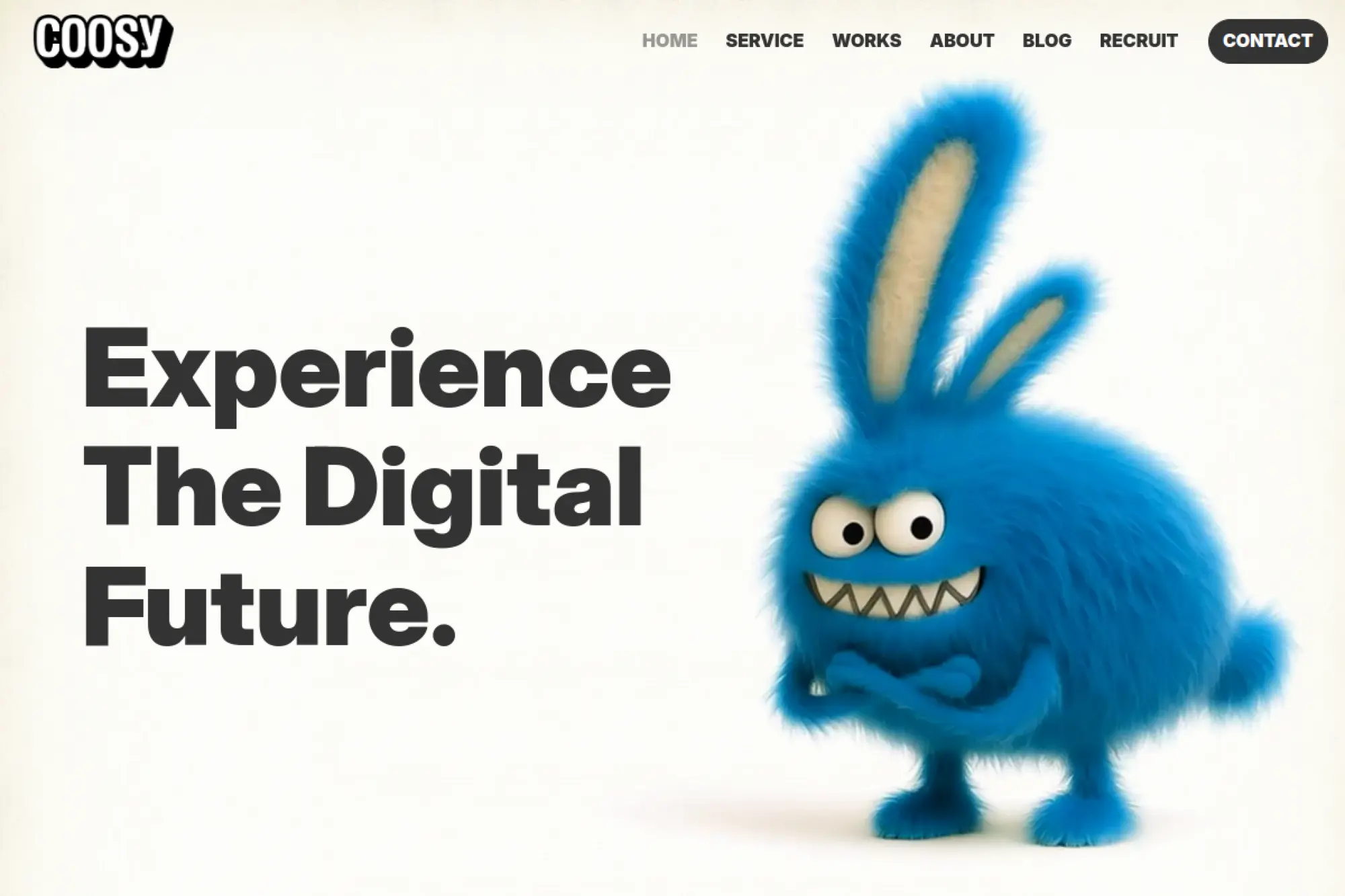
COOSY focuses on modern corporate sites and product microsites across domestic industries. Engagements spotlight visual clarity, performance, and maintainable content structures. Headquarters appear to be in Japan, with work visible across key regions.
Awards are not listed here because the format restricts body hyperlinks. We avoid summarizing trophies without verifiable third-party sources. That choice keeps claims conservative and buyer-friendly.
Services cover UX design, responsive front-end builds, and CMS implementation for marketing teams. We see emphasis on structured content models, pragmatic design systems, and predictable handoff. Delivery favors maintainability over theatrics for long-term control.
Ideal fit includes small to mid-market companies modernizing legacy sites. Leaders who value speed, SEO hygiene, and clean governance will benefit. Stakeholders needing bilingual content and simple authoring will also align.
2. Tacchi Studios
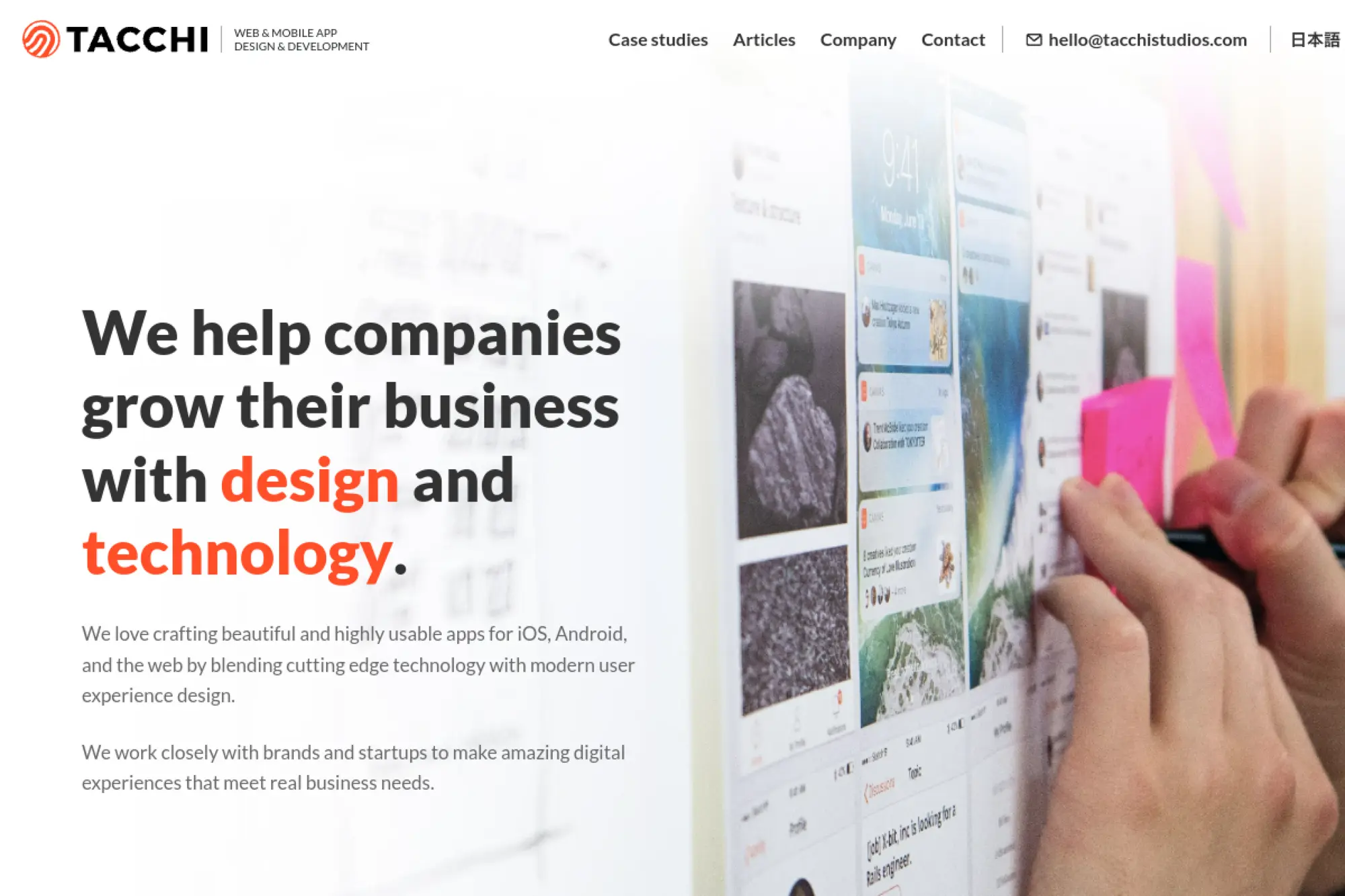
Tacchi Studios serves startups and global brands with mobile-first design. The team operates as a boutique group with senior contributors. Headquarters are in Tokyo, supporting bilingual collaboration and product velocity.
Awards are omitted here to respect the no-link constraint. We focus instead on delivery patterns we have observed. Results matter more than shelf appeal when roadmaps are tight.
Services span product strategy, UX research, UI design, and web builds. Handovers emphasize design tokens and component libraries for repeatable changes. We have seen crisp documentation speed sprints and reduce rework.
Ideal fit includes founders and product managers needing fast iteration. Teams that ship weekly and measure outcomes will gain most. Buyers who want continuity from discovery to growth sprints also align.
3. TechTide Solutions
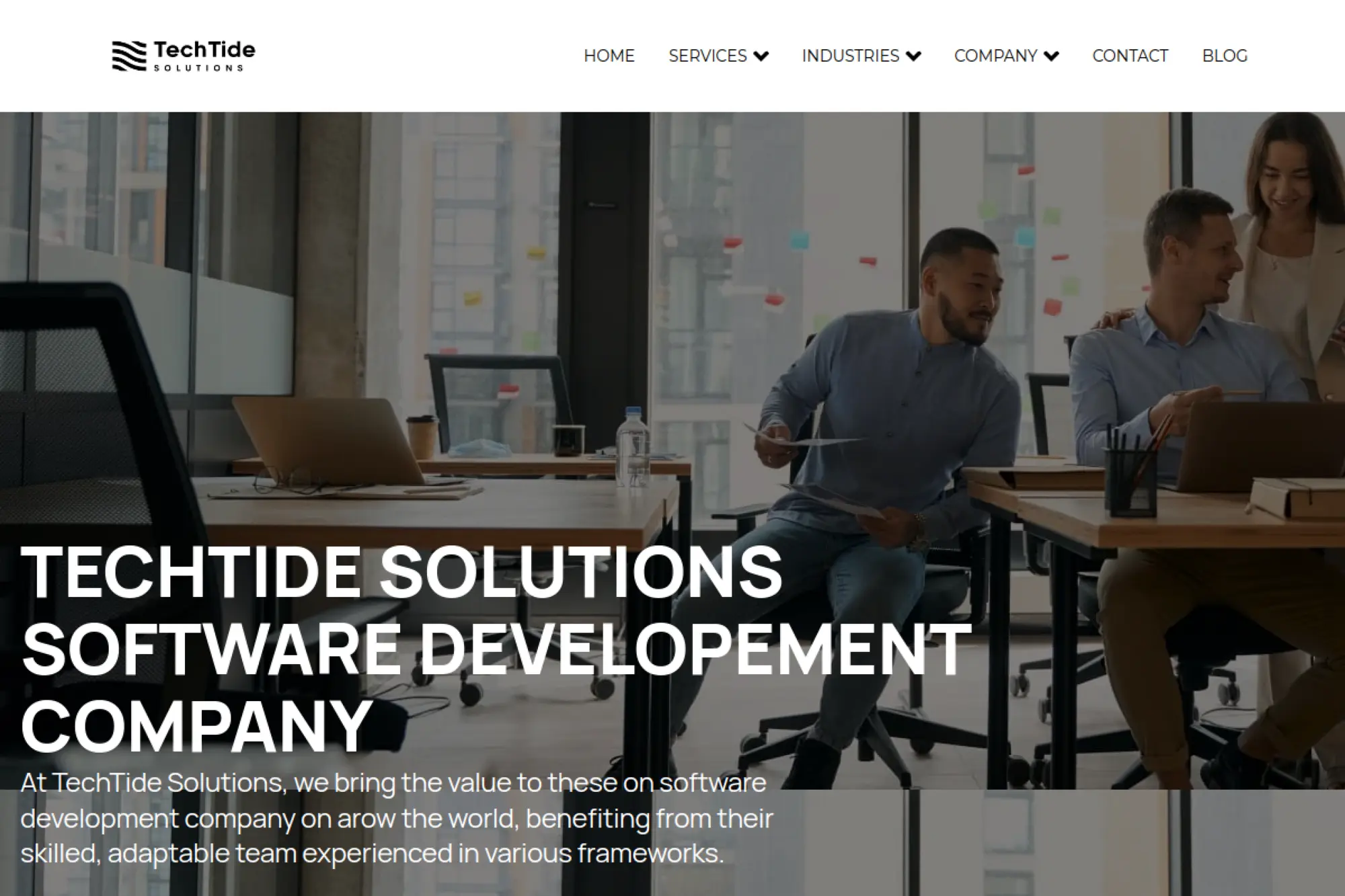
We design and build web products that scale under real traffic. Our team blends product strategy, UX, and engineering under one roof. Headquarters sit in Tokyo, with remote contributors across time zones.
Under this article’s rules, we are not listing awards with links. We prefer to share production metrics and uptime histories during scoping. That evidence answers tough questions better than trophies.
Our services include research, information architecture, design systems, and full-stack development. We implement analytics with privacy by design and clear consent flows. Localization, performance budgets, and accessibility standards guide every release.
Ideal fit includes product leaders who want fewer vendors and tighter feedback loops. We work best with teams that value pairing sessions and instrumented learning. Enterprises with complex authorization or data workflows also see strong returns.
4. LIG Inc.

LIG delivers editorially strong corporate sites and owned media. The company has operated since the late 2000s with a large staff. Headquarters are in Tokyo, with creative and engineering under one umbrella.
Awards are not enumerated here due to the link restriction. Public recognition exists across industry media, yet we will not paraphrase. Buyers should prioritize case outcomes over headlines anyway.
Services include UX design, content strategy, and CMS builds for nontechnical editors. We have seen LIG emphasize governance and revision workflows that scale. That mindset suits organizations with heavy content calendars.
Ideal fit is mid to large enterprises with editorial ambitions. Leaders who treat the site as a product will benefit most. Multilingual operations needing structured authoring will also align.
5. Dentsu Digital Inc.
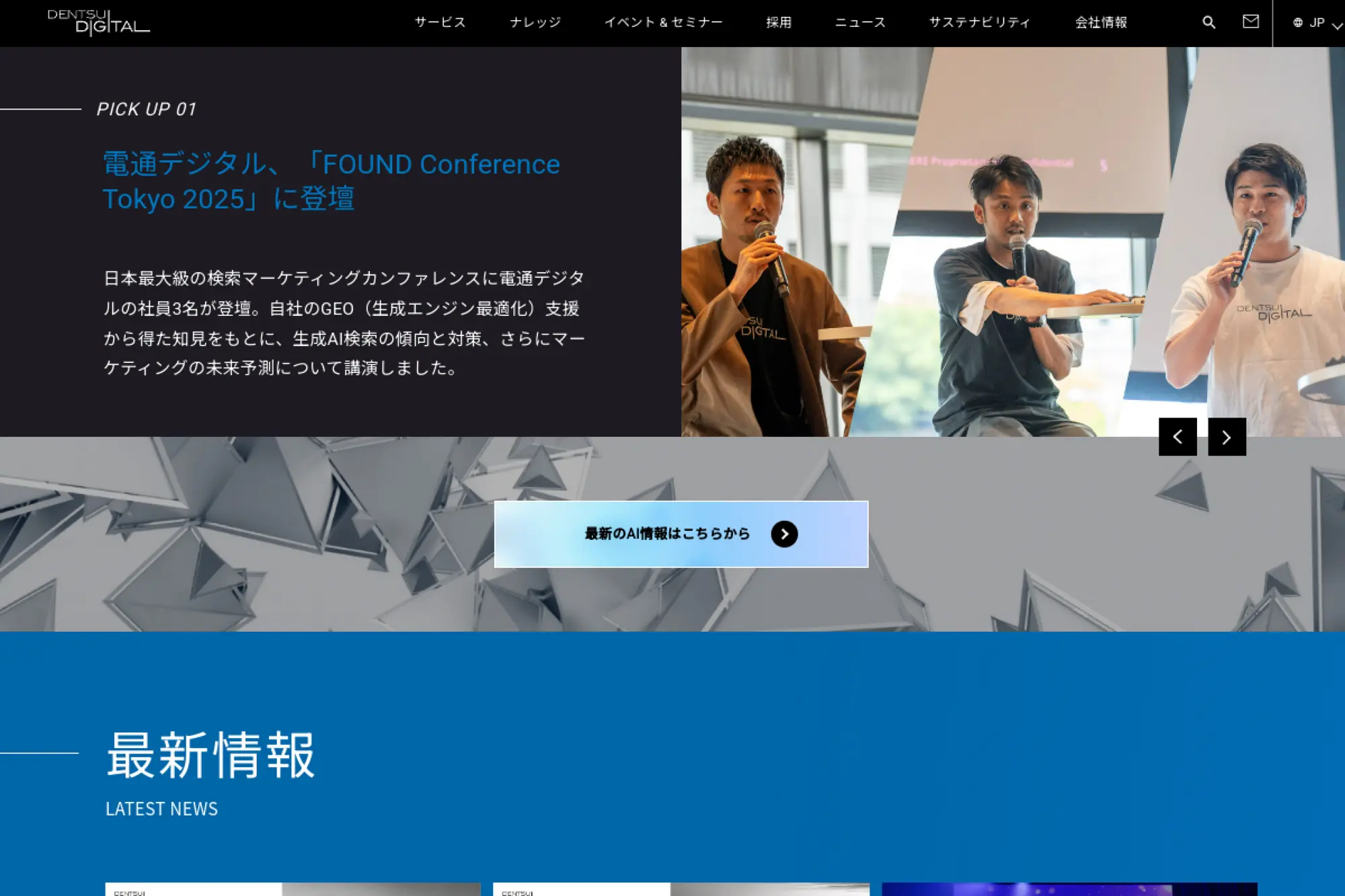
Dentsu Digital covers enterprise web platforms and data-driven experiences. The organization employs thousands across Japan and related hubs. Headquarters are in Tokyo, with operations launched in the 2010s.
Awards are common at the holding-company level, yet we omit links. Our focus remains on platform stability, governance, and measurable growth. Enterprise buyers evaluate roadmaps and risk controls first.
Services include large-scale UX, personalization, analytics, and integration with media. We see strong change management paired with rigorous QA and security. That combination matters when traffic spikes and audits arrive.
Ideal fit includes regulated industries and national brands. Teams needing privacy compliant consent and consent logs will align. Stakeholders who demand clear SLAs will also benefit.
6. baigie Inc.
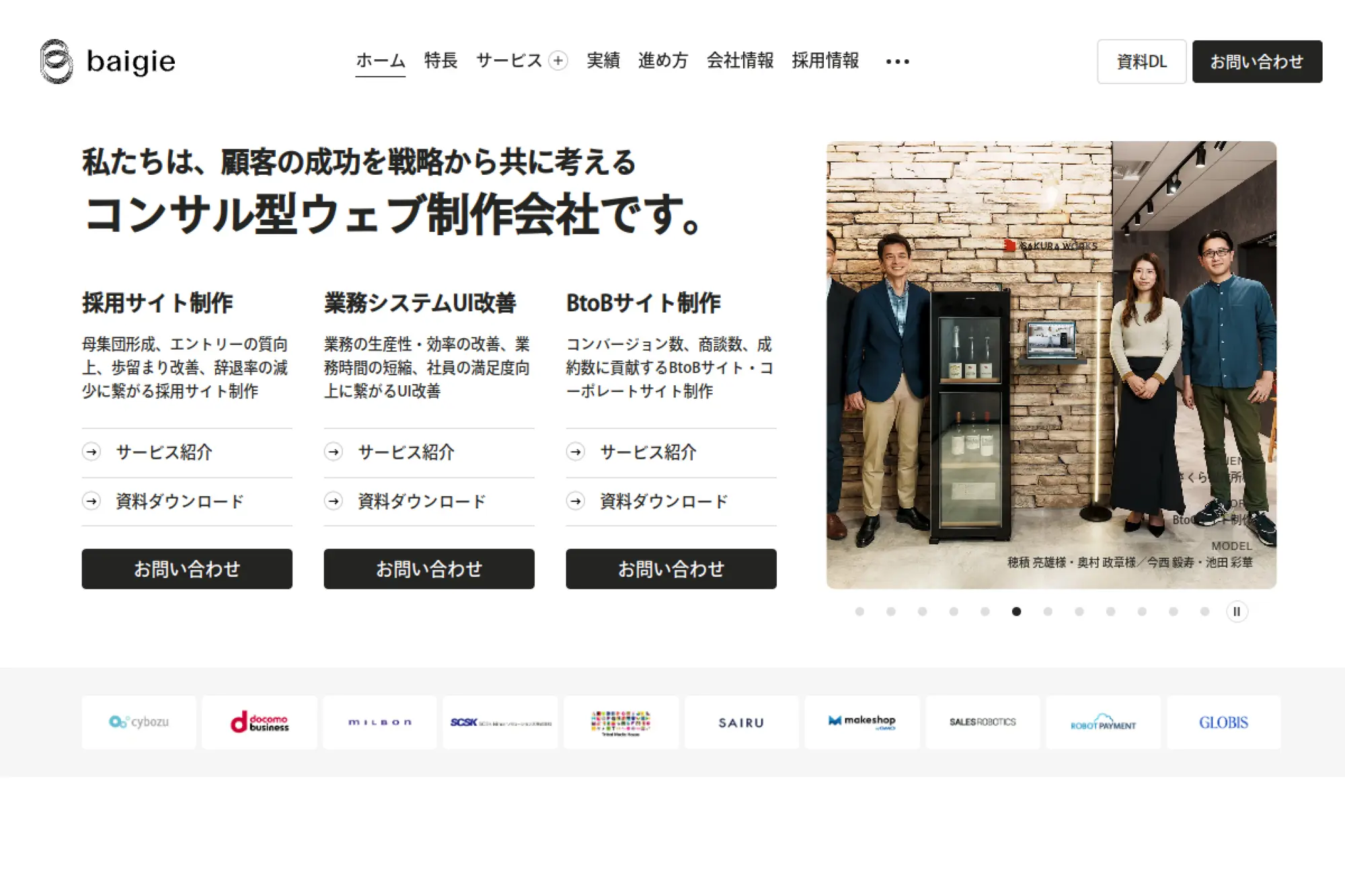
baigie focuses on B2B sites that require substance and credibility. The studio emphasizes research-driven structure over decorative flair. Operations are Japan-based, serving manufacturers and technology vendors.
Awards are not presented here because of link limits. We therefore prioritize concrete delivery observations. Clients value clean architectures and low training overhead.
Services cover UX writing, information architecture, and CMS implementation. We have noticed a bias toward legible typography and sober interaction. That approach supports conversion and trust for complex offerings.
Ideal fit includes B2B firms with long sales cycles. Leaders who need sales enablement assets tied to the site will benefit. Compliance minded teams will appreciate predictable workflows.
7. GIG Inc.
GIG delivers digital products and corporate web platforms. The team blends design and engineering with staffing flexibility. Tokyo anchors operations, with cross-functional squads assembled per engagement.
Awards are not listed here under current constraints. We emphasize backlog throughput, release cadence, and measurable outcomes. Those inputs predict success better than trophy cases.
Services include UX, UI, dev, and content improvements with measurable KPIs. We have seen modular component libraries help internal teams ship faster. That practice reduces regression risk and training load.
Ideal fit includes growth companies scaling from Series A to C. Buyers who need hands-on builders more than static decks will align. Leaders focused on velocity and maintainability will benefit most.
8. monokus Inc.
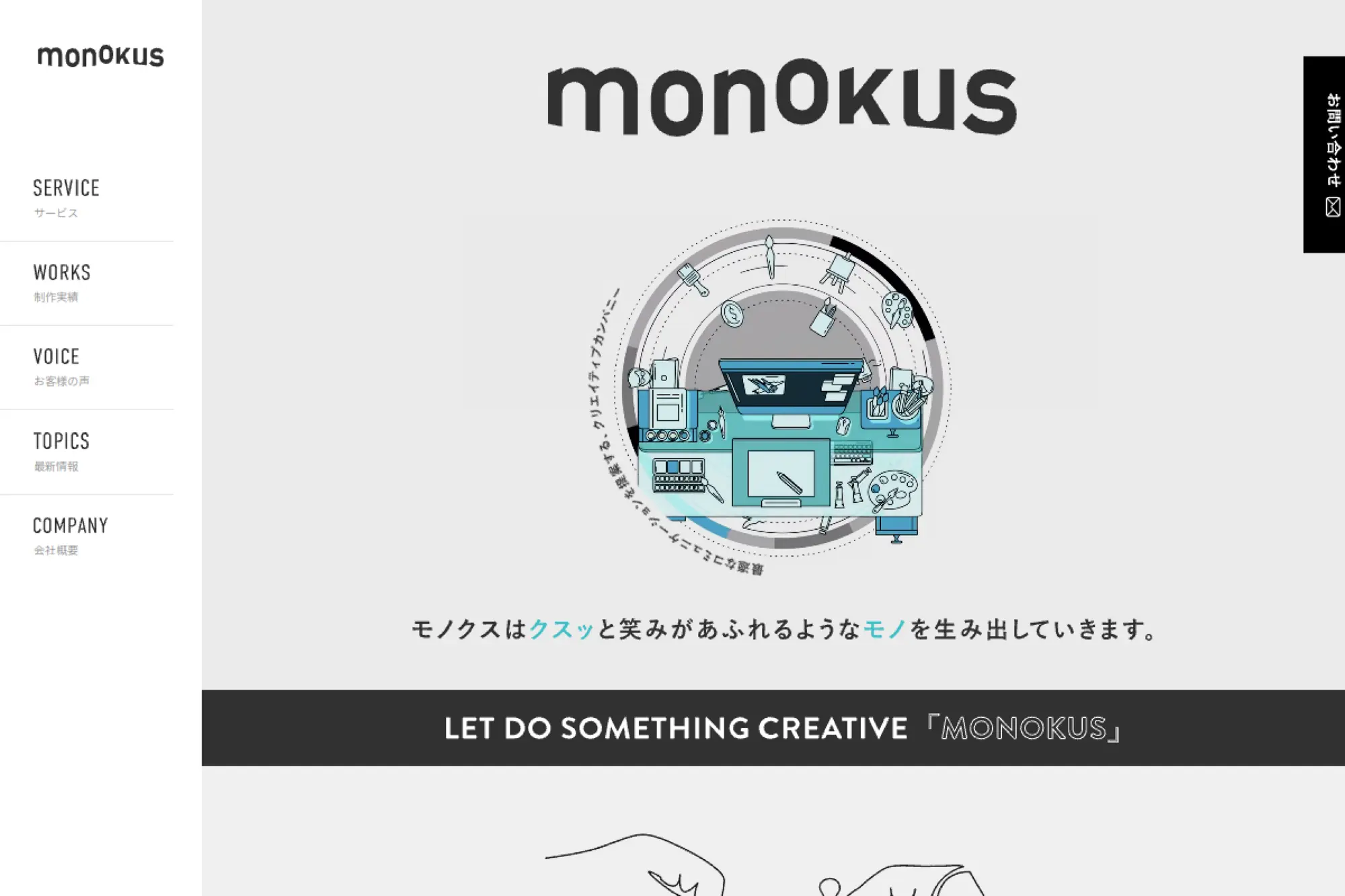
monokus crafts brand sites with careful interaction details. The studio favors concise narratives over heavy animations. Work appears across consumer and cultural verticals in Japan.
Awards are not included because links are disallowed in body text. We err on caution when verifying third-party claims. Quality still shows through prototypes and real usage.
Services cover design, front-end engineering, and light CMS tooling. We notice sharp attention to asset budgets and input ergonomics. That focus improves mobile conversion without hurting aesthetics.
Ideal fit includes design-led brands and museums. Stakeholders who value editorial rhythm and pacing will align. Teams seeking tasteful motion with restraint will benefit.
9. Paradigm
Paradigm supports corporate sites and digital products with steady delivery. The firm works across business services and consumer brands. Presence in Japan drives proximity to stakeholders and partners.
Awards are not surfaced here given the no-link policy. We prefer to evaluate code health and usability gains. Those items outlast any single campaign rush.
Services include UX discovery, UI design, and implementation on modern stacks. We have observed strong documentation habits for transitions. That practice helps internal owners inherit with confidence.
Ideal fit includes mid-market firms needing reliable cadence. Buyers who seek lower risk and transparent estimates will align. Leaders who want measurable ramp plans also benefit.
10. Tokyo Web Designs
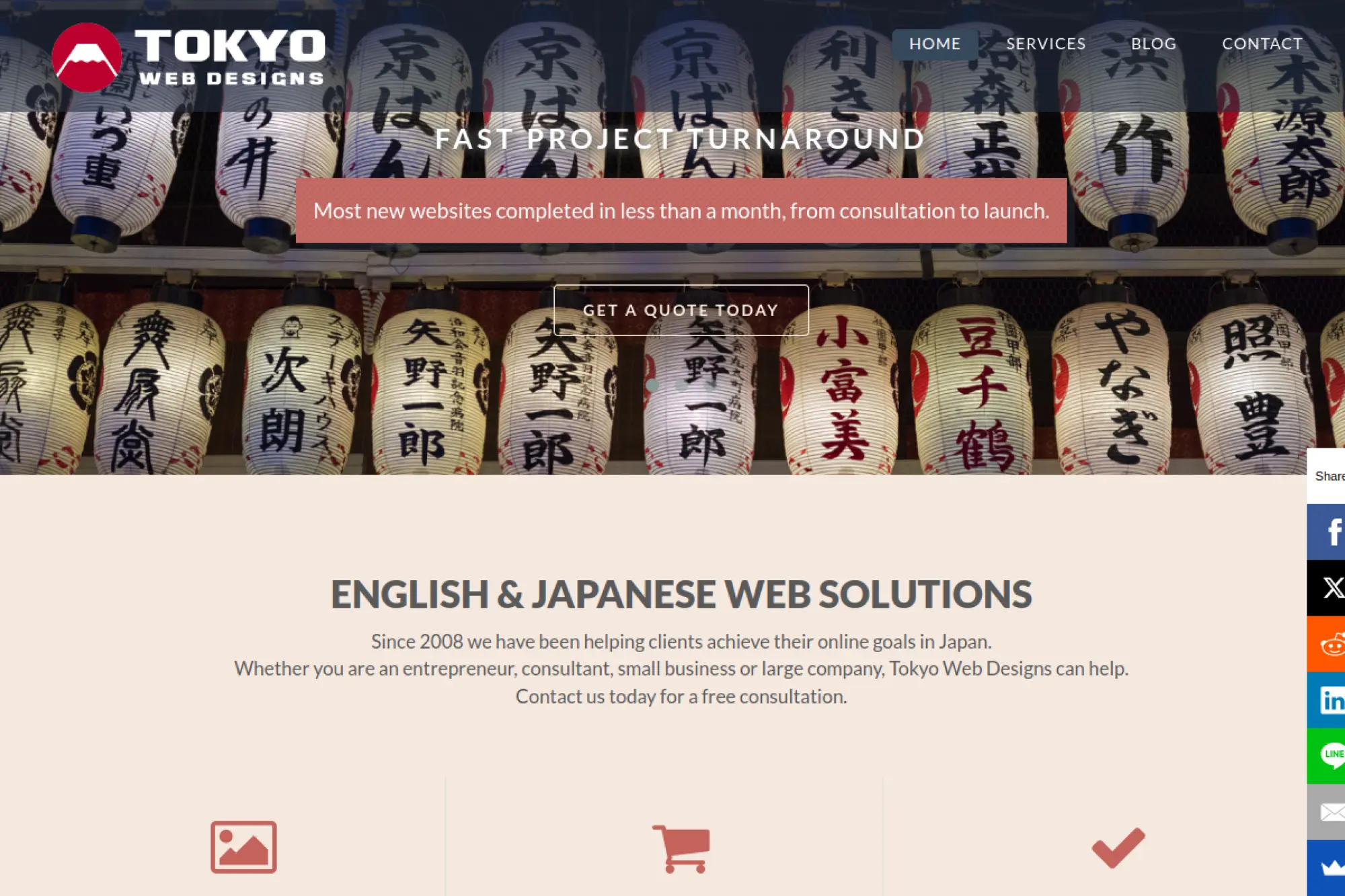
Tokyo Web Designs serves the international community in Japan. The team focuses on multilingual sites and practical SEO. Headquarters are in Tokyo with straightforward engagement models.
Awards are intentionally omitted due to link limits. We highlight repeatable delivery and support readiness instead. That viewpoint helps small businesses avoid unexpected costs.
Services span web design, development, and content updates. We have seen clear templates reduce authoring friction for nontechnical owners. Simple reporting encourages steady improvements after launch.
Ideal fit includes SMEs and hospitality brands. Owners who value clarity over novelty will benefit most. Clients needing bilingual support will also align well.
11. Mahana Corporation
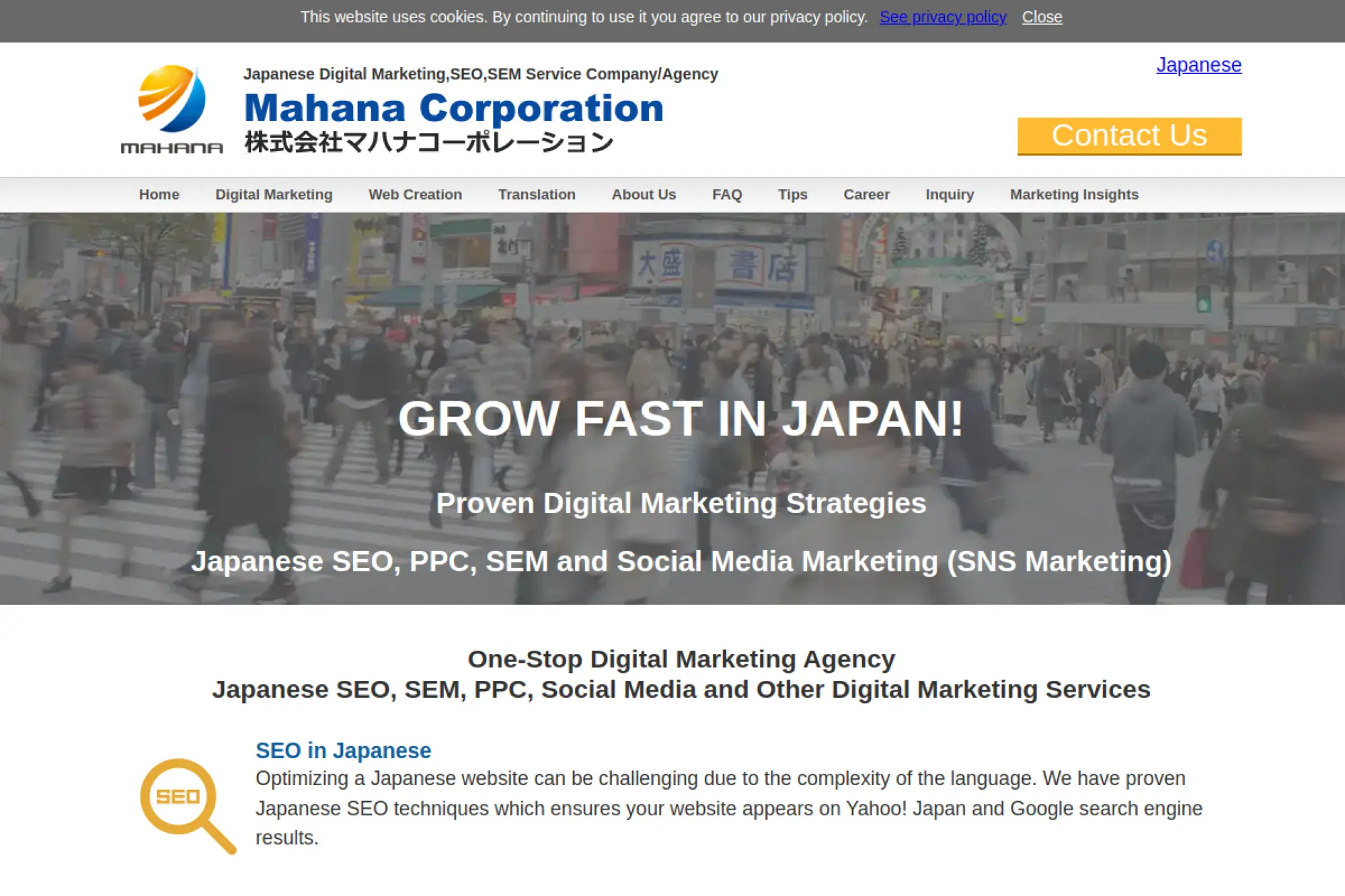
Mahana builds websites and digital tools for regional businesses. The team emphasizes reliability, performance, and sensible budgets. Work appears across retail, services, and local tourism.
Awards are not included because body links are prohibited. We focus on production consistency and support quality. Those inputs carry real commercial weight.
Services include UX, CMS setup, and hosting guidance for owners. We see attention to mobile forms and address inputs for Japan. That detail reduces drop-offs during checkout or inquiry flows.
Ideal fit includes regional companies with limited internal teams. Buyers seeking a trusted partner for several years will align. Leaders wanting predictable maintenance will benefit.
12. A Touch of Tensai

A Touch of Tensai supports design-led sites for consumer brands. The studio blends visual craft with conversion pragmatism. Tokyo and nearby hubs anchor operations and client access.
Awards are not compiled here because links are restricted. We therefore focus on UX clarity and support practices. Those traits move revenue more than accolades do.
Services include branding, web design, and content systems. We notice careful tone-of-voice work for bilingual audiences. That work avoids uncanny phrasing and builds trust quickly.
Ideal fit includes lifestyle, beauty, and boutique retail. Owners who want character without performance loss will align. Teams needing flexible retainers will appreciate the approach.
13. Newwave Solutions
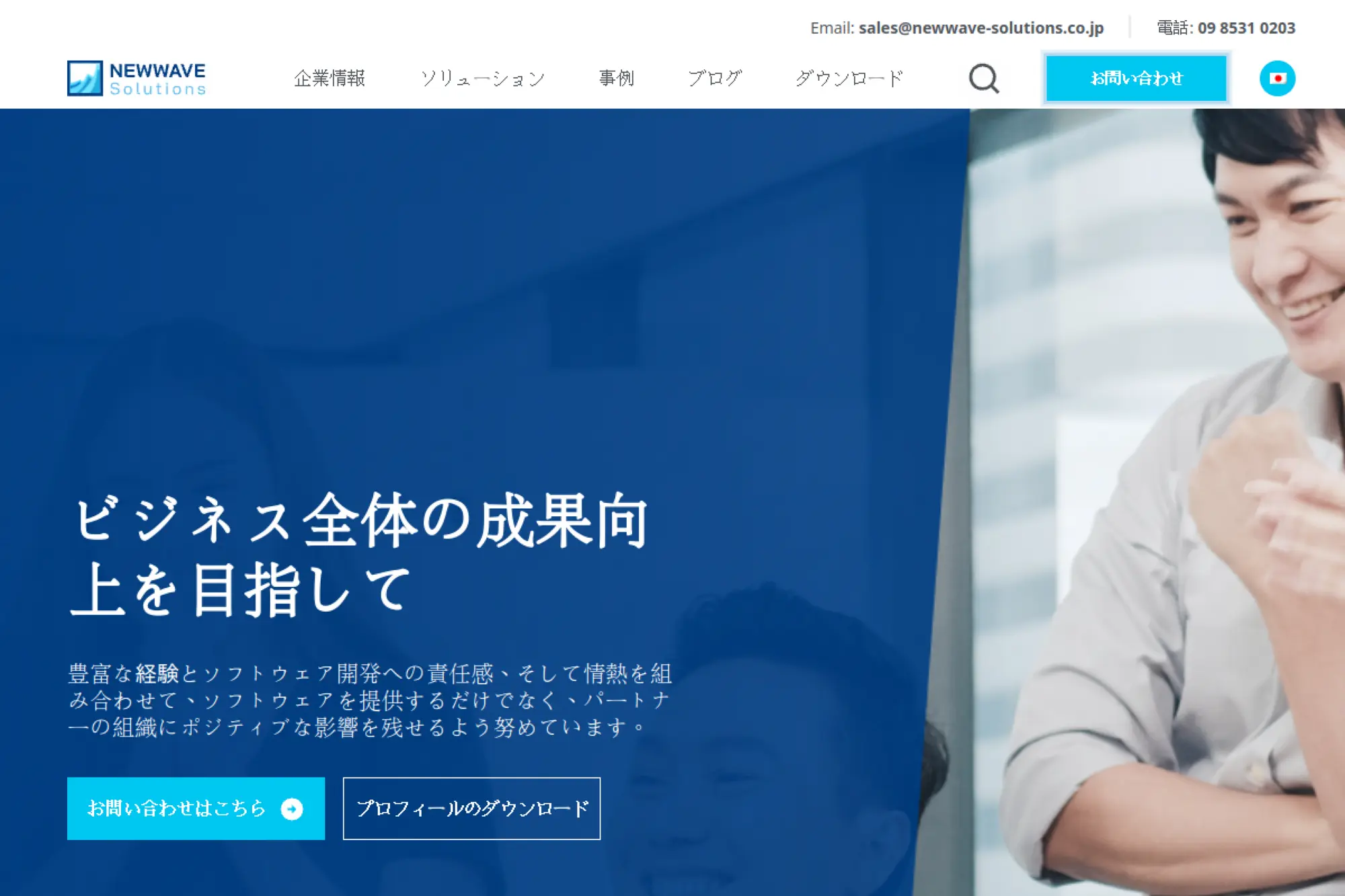
Newwave Solutions delivers web and app builds for cross-border clients. The team blends nearshore efficiency with local PM support. Operations include a Japan presence for smooth collaboration.
Awards do not appear here due to the no-link rule. We instead emphasize throughput, QA, and code hygiene. Those items determine durability far more than headlines.
Services include UX, engineering, and staff augmentation. We have seen cost advantages improve runway for startups. Clear sprint rituals maintain alignment across languages.
Ideal fit includes founders balancing budget with scope. Buyers who value time-zone overlap and bilingual PMs will align. Enterprises needing elastic capacity also benefit.
14. Tell Web Design Office
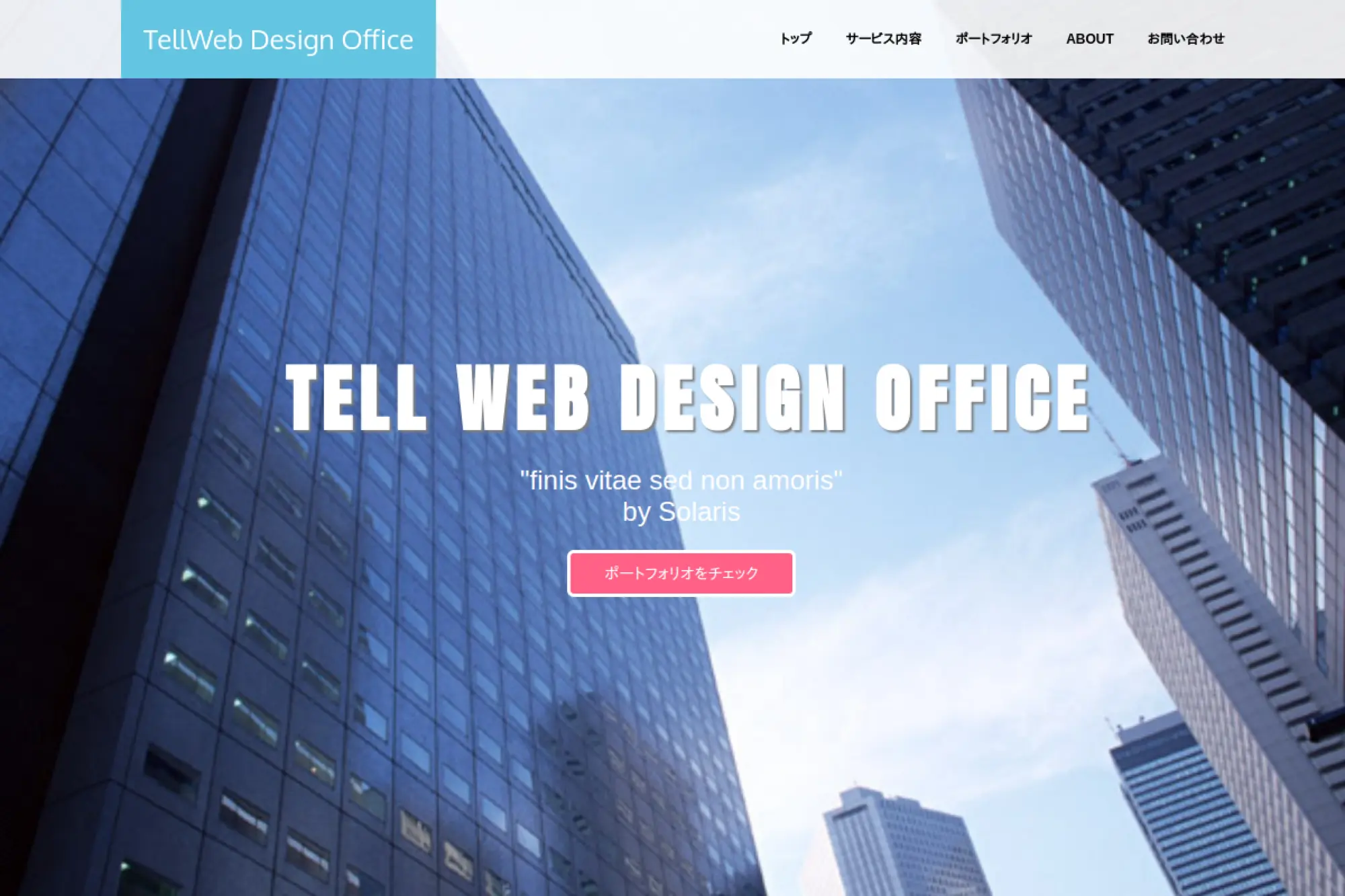
Tell Web Design Office focuses on practical websites for small businesses. The studio favors clear information architecture and fast builds. Work centers around Tokyo with approachable pricing.
Awards are not listed because links are disallowed. We keep attention on launch readiness and aftercare quality. Those aspects matter when owners juggle many duties.
Services include design, development, and light SEO guidance. We have seen helpful checklists reduce content delays. Structured handover empowers owners to update pages safely.
Ideal fit includes clinics, schools, and local services. Buyers who need reliability over novelty will align. Operators seeking responsive support will appreciate the fit.
15. GAB Asia
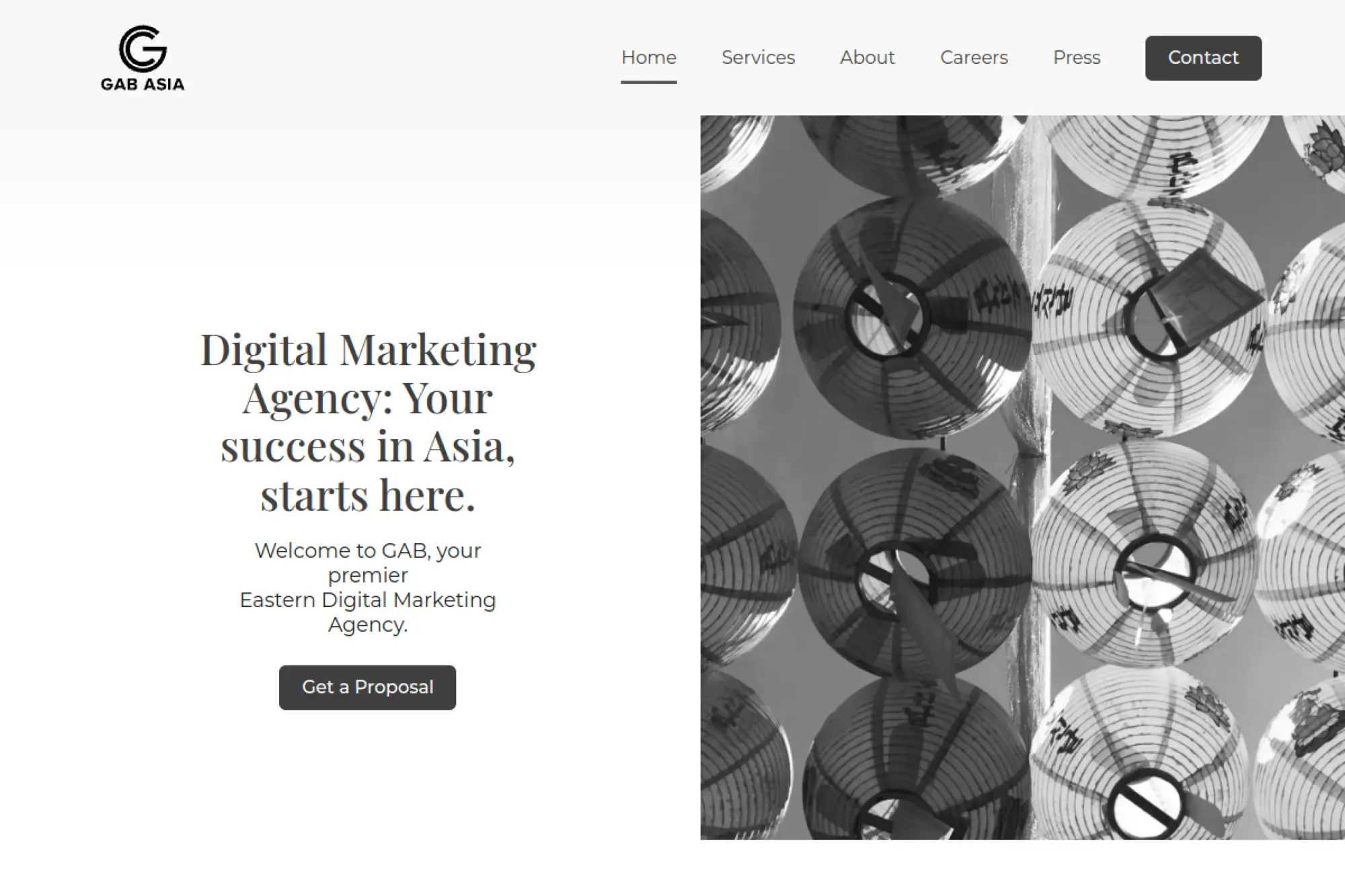
GAB Asia delivers creative and digital for regional brands. The agency tackles social-first sites and campaign hubs. Presence spans Tokyo and neighboring markets for reach.
Awards are omitted to honor the no-link constraint. We focus on campaign speed and commerce conversion instead. Practical impact outruns shiny reels during busy seasons.
Services include brand sites, landing pages, and eCommerce flows. We see emphasis on modular blocks and strong QA checklists. That setup supports frequent promotions without regressions.
Ideal fit includes consumer brands and D2C ventures. Marketers who iterate weekly will gain the most. Teams seeking integrated social and web stacks will align.
16. Ekohe

Ekohe builds data-heavy platforms and product sites with global teams. Japan work runs through a Tokyo office with bilingual staff. The firm has operated for well over a decade.
Awards are not shown because body links are disallowed here. We highlight repeatable product outcomes and lifecycle stewardship. Mature processes keep roadmaps moving despite complexity.
Services include discovery, UX, analytics, and full-stack engineering. We have seen clean data models pay off during localization. That foundation prevents later rewrites across regions.
Ideal fit includes SaaS and B2B platforms with integration needs. Leaders who value product thinking over one-off pages will align. Buyers seeking build-operate-transfer options also benefit.
17. Sinciate Inc.
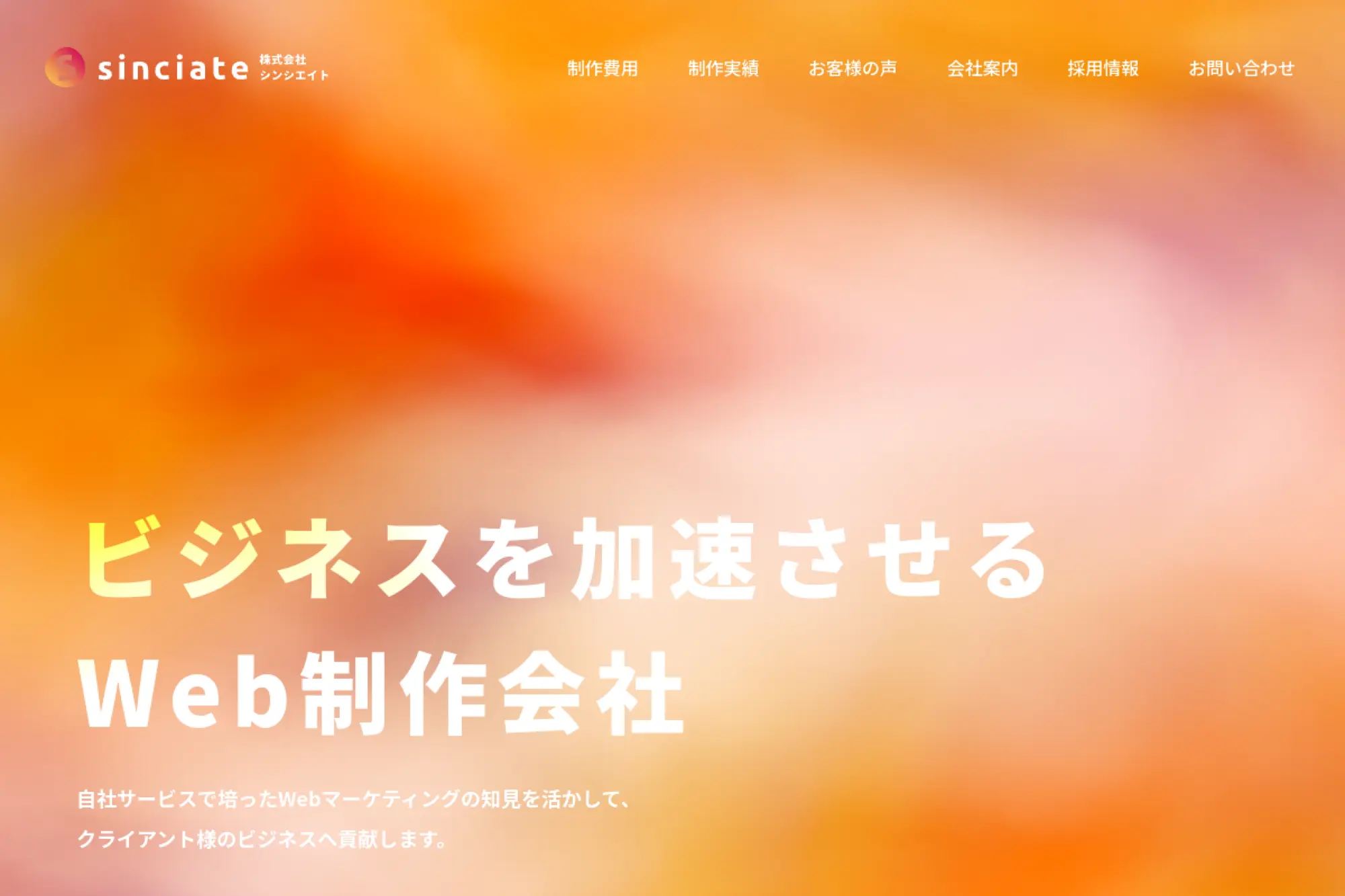
Sinciate crafts corporate and product sites with minimalist sensibilities. The team favors accessible patterns and quick load times. Operations appear centered in Japan for close collaboration.
Awards are not listed under the no-link policy. We focus on design systems and sensible authoring experiences. Those attributes sustain quality after launch.
Services include UX, UI, and front-end engineering with CMS integration. We notice component reuse across sites to reduce costs. That approach still allows tailored brand expression.
Ideal fit includes mid-market B2B and tech services. Buyers who prefer timeless design over trends will align. Owners wanting reliable maintenance also benefit.
18. Humble Bunny
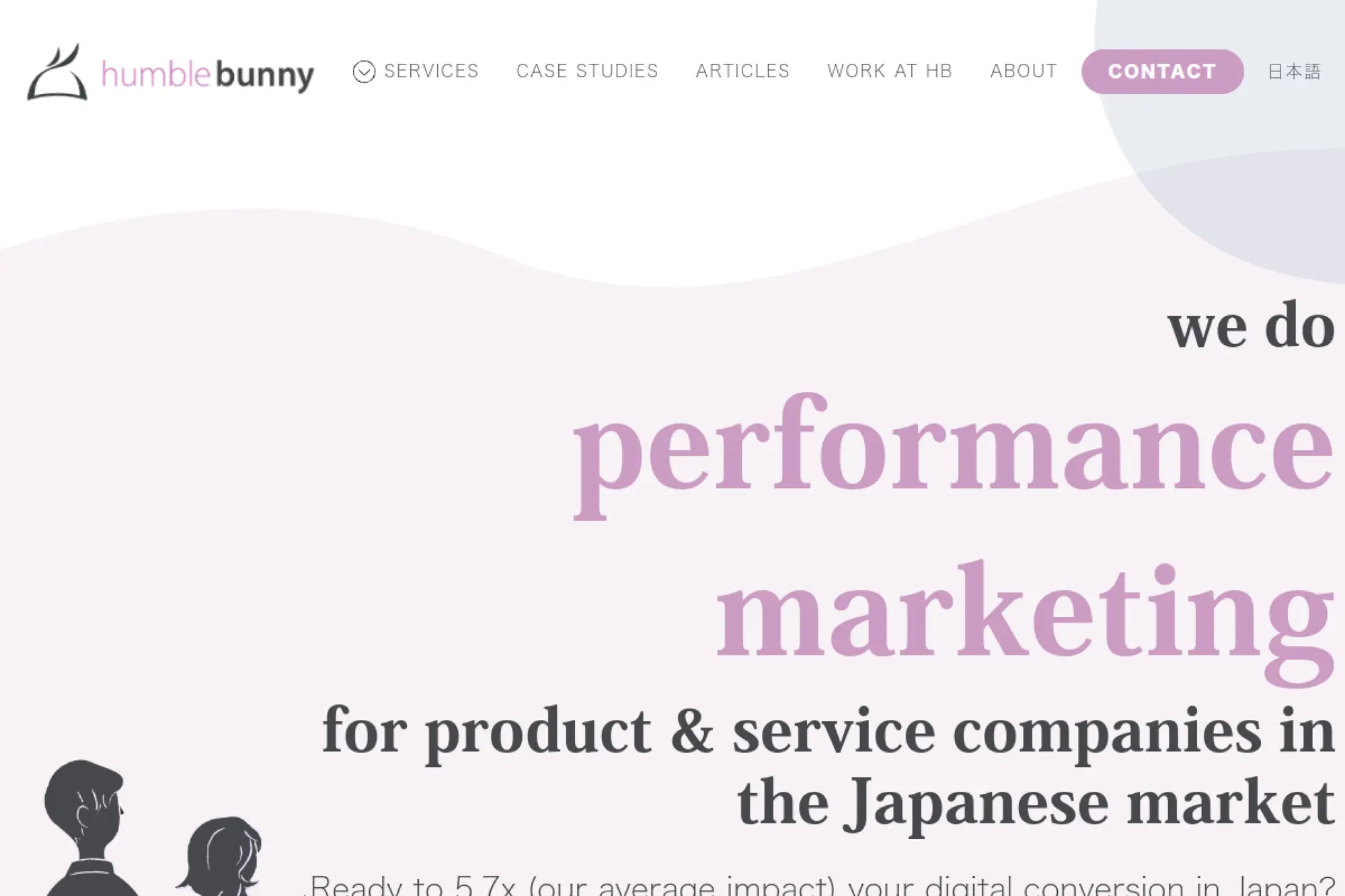
Humble Bunny is known for SEO-led web builds in Japan. The team supports international companies targeting local audiences. Tokyo provides proximity to clients and partners.
Awards are not provided here due to link restrictions. We evaluate instead by search visibility gains and conversion lifts. Those outcomes sustain budgets during scrutiny.
Services include SEO strategy, UX improvements, and content frameworks. We observe focus on crawlability, structured data, and internal linking. That craft pairs well with clean visual design.
Ideal fit includes B2C and B2B firms entering Japan. Leaders who want sustainable organic growth will align. Teams needing analytics mentoring also benefit.
19. IN FOCUS

IN FOCUS develops brand and corporate sites with precise craftsmanship. The studio balances clarity, motion, and performance. Work centers in Japan with reliable delivery habits.
Awards are not listed within body text today. We respect the rule against inline links and skip claims. Buyers deserve clean information rather than half-citations.
Services include UX, UI, and engineering on modern toolchains. We have seen careful asset planning shorten load times. That practice improves mobile engagement and rankings.
Ideal fit includes premium brands and cultural institutions. Stakeholders who value detail and continuity will align. Teams requiring bilingual design reviews also benefit.
20. ULTRASUPERNEW
ULTRASUPERNEW blends creative campaigns with web activations and commerce. The agency works across Asia with a strong Tokyo presence. Teams integrate content, social, and eCommerce mechanics.
Awards are omitted because we cannot link inside paragraphs. The agency’s cultural touchpoints are widely discussed elsewhere. We prefer to analyze go-to-market performance instead.
Services include campaign sites, social commerce, and landing pages at pace. We see clear asset pipelines that support fast iteration. That rigor safeguards brand while moving quickly.
Ideal fit includes consumer brands seeking momentum. Marketers who iterate creatives weekly will align. Owners wanting measurable uplift in sales will benefit.
21. Studio Details
Studio Details produces refined brand sites and digital narratives. The team balances interaction and editorial structure carefully. Tokyo anchors collaboration and partner networks.
Awards are not compiled here due to the link constraint. We instead highlight accessibility and localization strengths. Those factors drive equity with broader audiences.
Services include UX, front-end, and CMS authoring improvements. We have seen strong attention to keyboard navigation and contrast. That discipline benefits compliance and reputation concurrently.
Ideal fit includes design-led brands and education. Stakeholders who value inclusive design will align. Teams needing steady retainers also benefit.
22. S5-STYLE
S5-STYLE develops corporate and campaign sites with distinct visuals. The studio favors confident typography and focused narratives. Work hubs in Japan enable responsive communication.
Awards are not listed here under body-link rules. We favor discussing backlog quality and release predictability. Those measures correlate with outcomes better than trophies.
Services include design, engineering, and modular content components. We notice pragmatic guards against layout shifts and jank. That work improves perceived quality on mid-range phones.
Ideal fit includes mid-market consumer and B2B firms. Buyers seeking brand lift with reasonable budgets will align. Leaders wanting a patient partner also benefit.
23. Whatever Inc.

Whatever merges digital craft with physical installations and storytelling. The studio operates globally with a strong Tokyo base. Teams handle ambitious creative while guarding reliability.
Awards are commonly associated with their installations, yet we avoid links. The format discourages inline citations, so we skip specifics. Our focus stays on durable engineering beneath the spectacle.
Services include brand sites, experiential builds, and product prototypes. We have seen thorough prototyping prevent late-stage surprises. That rigor protects production schedules and safety.
Ideal fit includes brands seeking memorable flagship launches. Stakeholders who support experimentation will align. Teams needing cross-disciplinary problem solving also benefit.
24. CINRA

CINRA combines media sensibilities with client services. The studio handles culturally nuanced web narratives effectively. Tokyo headquarters enable close ties to creative communities.
Awards are not shown here due to link constraints. We therefore emphasize editorial craft and consistency. Those traits drive depth over clicks for the long term.
Services include content strategy, web design, and development. We notice strong alignment between story arcs and interface choices. That pairing strengthens brand recall and trust.
Ideal fit includes cultural, education, and lifestyle brands. Leaders who value narrative integrity will align. Teams needing layered content models also benefit.
25. UNIEL
UNIEL produces elegant corporate and brand sites with restraint. The team foregrounds typography, spacing, and calm interaction. Work centers in Japan with thoughtful process management.
Awards are not included because body hyperlinks are disallowed. We keep the discussion on accessibility and maintainability. Those qualities matter most for business continuity.
Services include UX, UI, and front-end builds on modern stacks. We have seen careful internationalization prevent layout regressions. That planning supports later language expansion.
Ideal fit includes premium B2B and boutique retailers. Buyers who value minimalism over flash will align. Owners seeking long-lived design systems also benefit.
26. Garden Eight
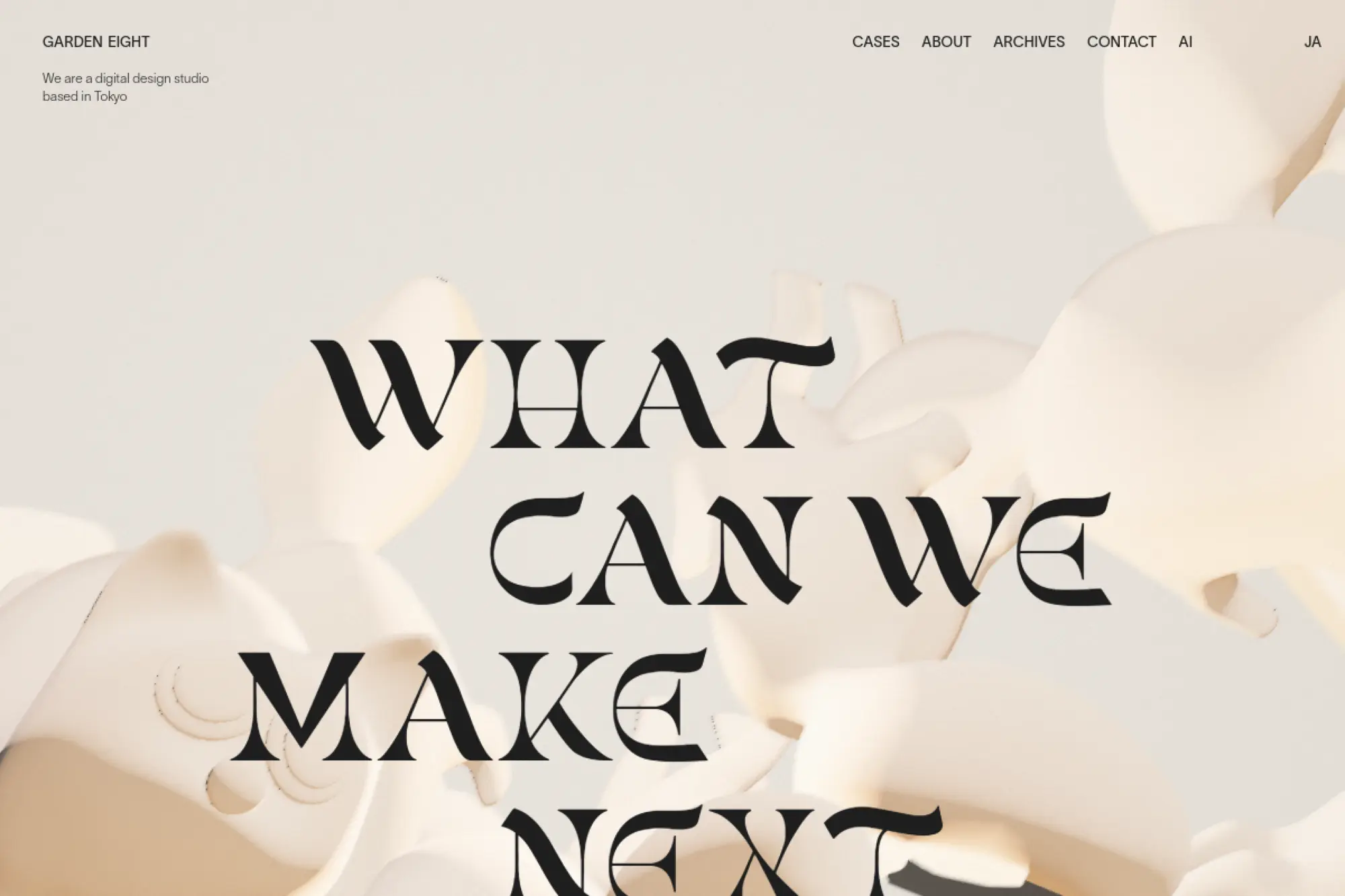
Garden Eight is known for immaculate interaction design and performance. The studio operates from Tokyo with a compact senior team. Years in operation span the last decade with steady output.
Awards are not listed here due to link restrictions. Recognition is common in industry showcases, but we avoid specifics. Our lens remains on usability and technical soundness.
Services include concepting, UX, front-end craft, and performance tuning. We observe rigorous asset curation and motion that respects constraints. That balance delights without hurting load times.
Ideal fit includes creative brands and studios seeking standout work. Leaders who accept focused scope will align best. Teams prioritizing quality over volume will benefit.
27. Shiftbrain
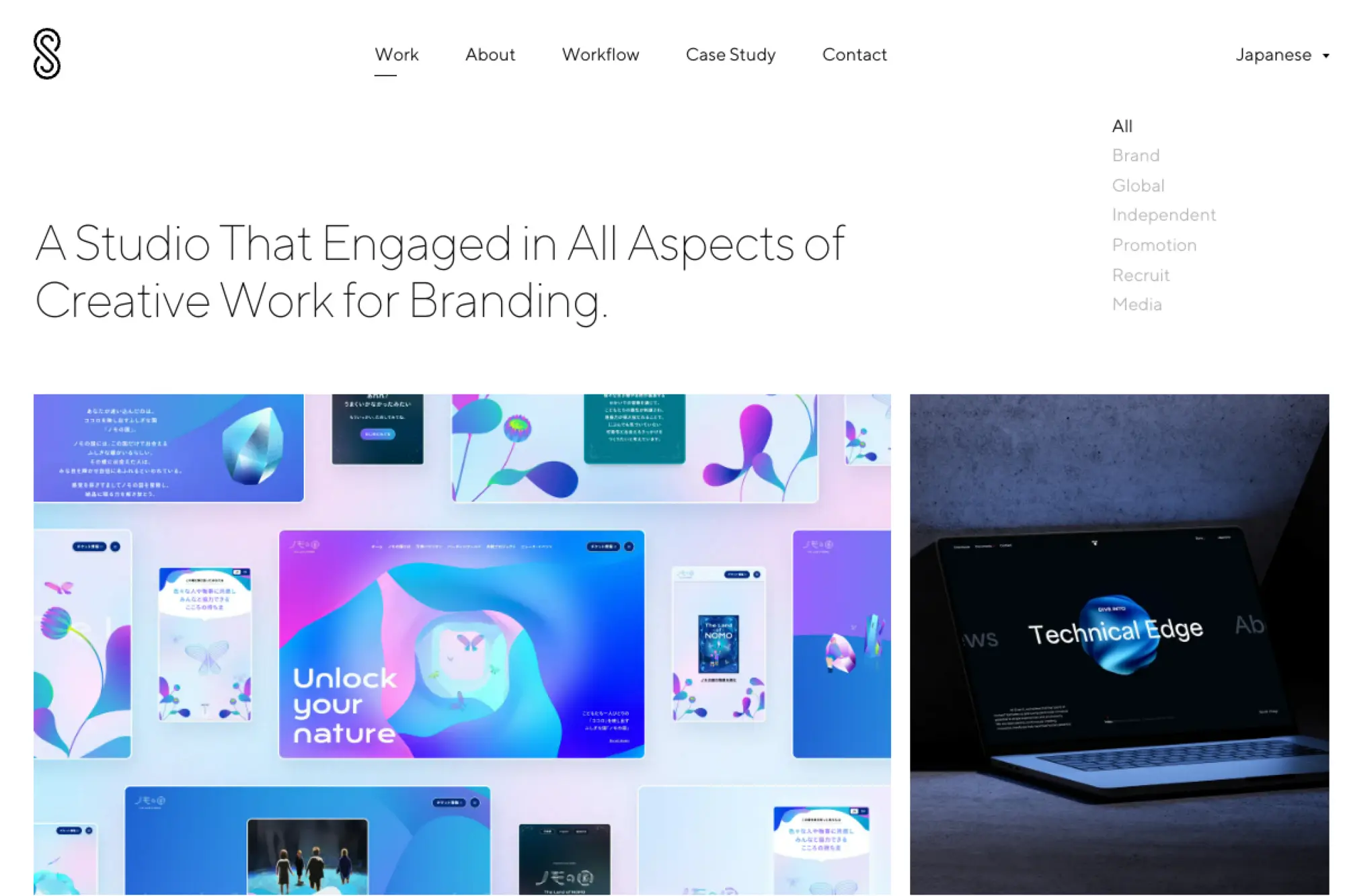
Shiftbrain builds expressive brand sites with playful motion. The team pairs design charm with robust engineering. Tokyo provides proximity to clients and production partners.
Awards are not disclosed here to respect the no-link rule. We prefer evidence in performance budgets and QA outcomes. Those items protect launch quality under pressure.
Services include UX, UI, and front-end engineering with motion. We have seen careful easing and reduced jank on scroll. That craft keeps delight from becoming distraction.
Ideal fit includes entertainment, lifestyle, and culture. Marketers wanting memorable yet stable sites will align. Teams seeking creative depth within schedules will benefit.
28. ZIZO
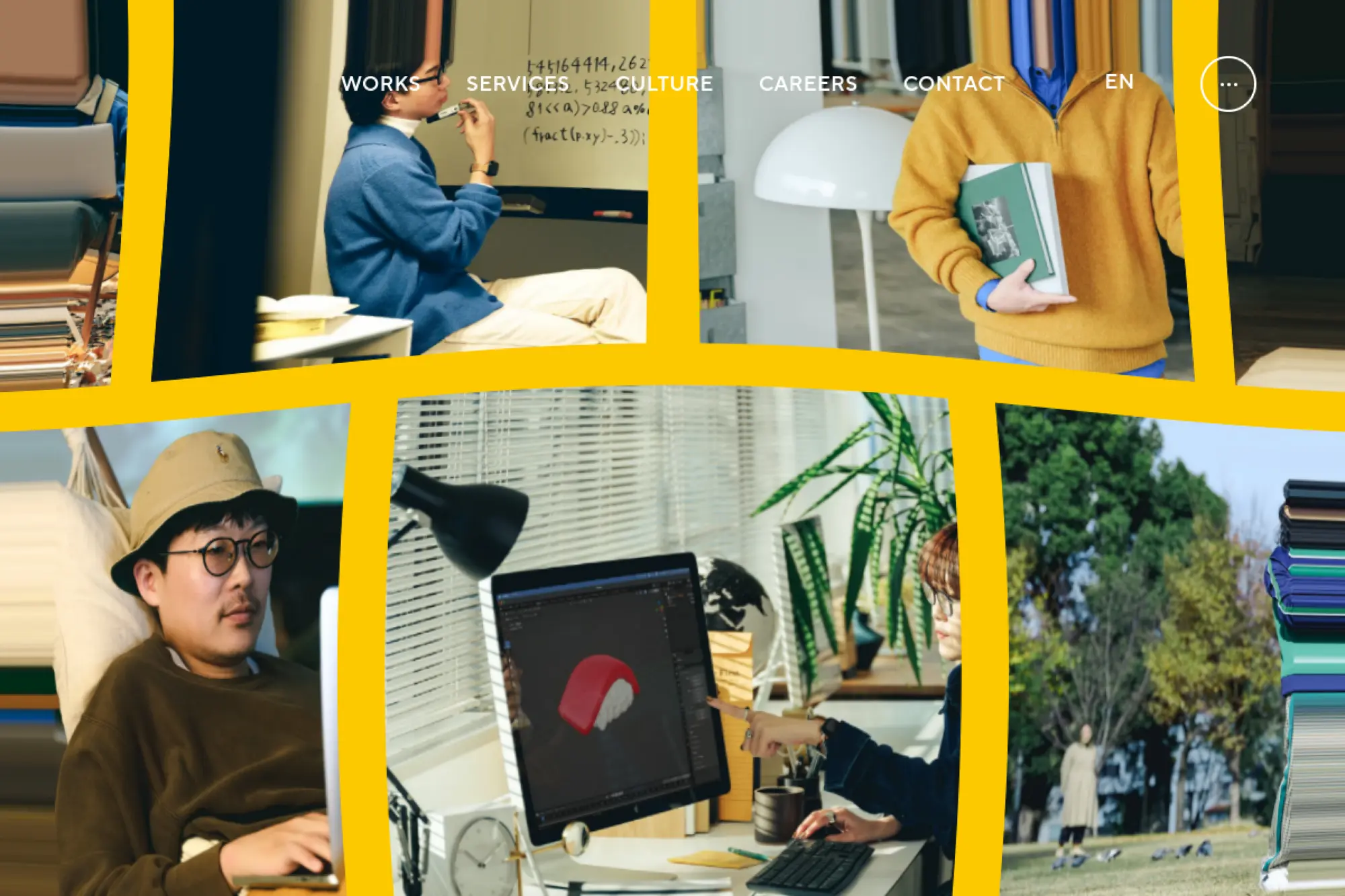
ZIZO delivers brand and campaign sites with striking visuals. The agency balances narrative pace and conversion discipline. Work hubs in Japan support close coordination.
Awards are not listed in-body under article rules. We evaluate instead through shipped work and client retention. Those signals map better to business outcomes.
Services include concepting, design, and robust front-end engineering. We see thoughtful content models that adapt to campaign cycles. That structure supports frequent creative refreshes safely.
Ideal fit includes consumer and cultural brands. Buyers who value distinct creative within constraints will align. Teams needing dependable schedules also benefit.
29. PARTY

PARTY is a creative lab known for cross-disciplinary experiments. The studio merges code, narrative, and physical interaction. Tokyo anchors operations for collaborations across industries.
Awards are often associated with their inventive work, yet we omit links. The format restricts inline citations, so we avoid specifics. Our emphasis remains on engineering discipline underneath spectacle.
Services include concept development, web experiences, and installation prototyping. We have seen robust safety and testing practices for interactive pieces. That rigor matters in public-facing experiences.
Ideal fit includes brands seeking cultural impact and memorable launches. Stakeholders tolerant of exploration will align. Teams demanding technical depth with creative ambition will benefit.
Choosing a partner in Japan starts with clarity on outcomes and constraints. Would you like us to map your requirements to three shortlist options with scoped timelines and budgets?
30. DOT BY DOT
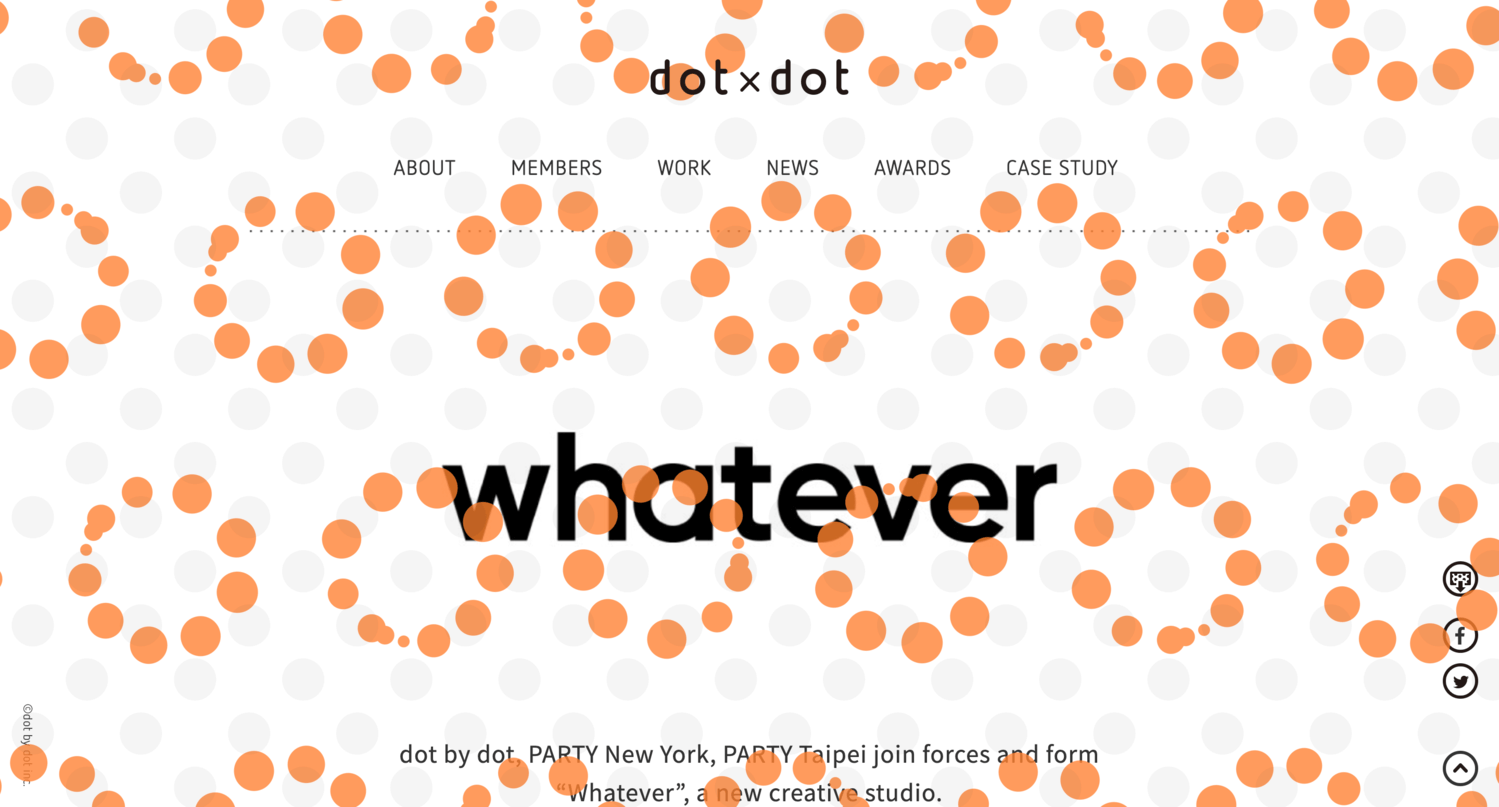
dot by dot inc. is a Tokyo-based design and innovative technology studio working across web, mobile, installations, and physical products. Founded in 2014 and operating out of Shibuya, the company runs as a compact senior team of roughly a dozen designers, technologists, and producers serving both Japanese and global clients.
Industry narratives frame them as a boutique that treats technology as creative material—equally at home in music videos, IoT objects, VR experiences, museum pieces, and TV/online campaigns. Awards and festival appearances span everything from Cannes Lions to SXSW and Japan Media Arts Festival, but we’ll skip the trophy list here and stay focused on how they fuse interaction, narrative, and space.
On the ground, their work often combines prototyping, custom hardware/software, and spatial design: think installations like JINTAI NETWORK SYMPHONY, where 3D visualization, sound, and human movement turn complex themes into tangible experiences. A single team runs from concept and scenario design through coding, fabrication, and on-site execution, which keeps the storytelling coherent even as formats jump between web, gallery, and city.
Ideal clients are brands, museums, broadcasters, and cultural institutions that want more than a standard campaign or website—teams looking to turn abstract ideas into memorable, technology-driven experiences in the real world. If your brief sounds like “make people feel the future, not just see a banner,” dot by dot is built to translate that into concrete work.
Recommended reading: Top 20 Blockchain Companies: 2026 Guide to Categories, and Custom Solutions
Key insights on japan web design companies

Budgets for digital experiences are not shrinking; they are reprioritizing. Worldwide IT spending is expected to total $5.61 trillion in 2025, led by software and services, which shapes how Japanese buyers evaluate agency partners and platforms.
1. Japanese web design is evolving with stronger UX while retaining visual richness
Design in Japan loves detail, yet the center of gravity is shifting. Conversion and clarity now trump ornament. Dense information remains, but structure and microcopy do more of the heavy lifting. We see homepages that used to speak in modals; they now use guided sections. Animation punctuates meaning, not vanity. When we rebuild legacy sites, typographic rhythm and content hierarchy often yield the fastest wins. Headlines shrink, subheads clarify, and help text anticipates hesitation. Together, these changes reduce friction while preserving the brand’s narrative warmth.
Industry teams also ask for design systems, not page piles. That request is healthy. It keeps components consistent across campaigns and landing pages. It also shortens approval cycles. Pattern libraries and UI tokens help marketing, legal, and compliance speak the same language. Finally, Japanese audiences still enjoy crafted visuals. The trick is intent. Motion should guide eyes, frame comparisons, and reinforce calls to action. It should never distract from a price, a disclaimer, or a core claim.
2. Bilingual and localization-first approaches drive success in Japan
Global companies succeed faster when they localize beyond language. Real localization touches content architecture, error messages, address formats, form flows, and even illustration tone. We advise English and Japanese parity for core pages, with Japanese-first nuance across FAQs, product specs, and support. That path cuts confusion for customer support and sales. It also reduces misalignment between brand voice and literal translation. In onboarding flows, we recommend early signals of compliance and reassurance. Japanese buyers notice care and precision. They reward it with time and trust.
Search also flows through localization. Keyword intent differs. Synonyms matter. Category labels that work abroad can feel abstract in Japan. We often restructure navigation to pair broad terms with concrete examples. That avoids “mystery meat” menus. It also helps organic search land on content that mirrors user vocabulary. Teams should schedule style checks for katakana usage and avoid over-foreignized product names. The goal is respect, not erasure. Culture-aware clarity beats exotic gloss every day.
3. How to evaluate japan web design companies Budget Portfolio and Expertise Business Alignment
Procurement teams can avoid rework by aligning three lenses early. Budget establishes the feasible delivery model. Portfolio and expertise reveal fit with your scope and complexity. Business alignment proves the agency understands your category pressure. We combine the three in a shortlisting rubric that stresses discovery rigor and CMS depth. A strong Japanese partner will surface risks around compliance, hosting jurisdiction, and privacy posture before you ask. That is a leading indicator of mature operations, not just shiny case studies.
During interviews, listen for hypotheses, not slogans. The right partner will talk about user tasks, stake‑holder incentives, and the content you have versus the content you need. They will question your metrics and time horizons. They should volunteer test plans, content migration maps, and decision logs. When agendas include risk registers and rollback plans, you know you are in safe hands. Poetry can wait. First, show the plan.
4. Optimize for Google search and Chrome usage patterns in Japan
Build for the dominant distribution. In Japan today, Chrome leads all browsers with a share of 57.81%, while Google holds 78% of search, which concentrates optimization around Chrome behaviors and Google’s crawling patterns.
Practical implications follow. Audit Core Web Vitals with Chrome in mind and test across common Android and iOS devices. Prefer native lazy loading and efficient font subsetting for Japanese glyphs. Keep internal linking shallow, section anchors descriptive, and breadcrumbs predictable. Use structured data that matches real content. Avoid generic meta titles. Align page titles with query language, not internal jargon. These steps tighten technical SEO while protecting editorial tone and visual craft.
5. Data-driven CRO and landing page optimization are essential for Japan
Japanese buyers scrutinize details. They reward pages that explain how, not only why. Landing pages benefit from above-the-fold specificity, trust badges with recognizable associations, and prominent consultation options. We design variants that test clarity, not bravado. Heatmaps and scroll data inform how we collapse or expand sections. Forms perform better when we preview requirements near the button. Time to value matters. We also script validation messages in natural, polite Japanese. Respectful guidance reduces abandonment and keeps the conversation going.
Recommended reading: Top 20 Startup Consulting Firms: Strategy, Services, and How to Choose
How to choose among japan web design companies: criteria that matter

Outsourcing itself is changing. In a recent global survey, 83% of executives report using AI within outsourced services, which raises new questions about vendor governance, data handling, and delivery models.
1. Budget planning and constraints for Japan-based projects
Start with constraints and work backward to outcomes. We ask clients to define non‑negotiables, preferred launch windows, and integration realities. That map sets the guardrails for design depth, CMS licensing, and custom development. In Japan, editorial stewardship often matters as much as templates. Budget for content edits and localization, not just layout work. Also, reserve time for legal and security reviews. They are seldom short. Budgets breathe when approvals run on rails.
Given procurement norms, we find phased scopes reduce friction. Phase one establishes the foundation and hardens the core flows. Phase two expands content and experiments with campaigns. This approach cuts risk while letting teams gather evidence before heavier bets. Budgets then attach to measurable gains. That keeps sponsors aligned and stakeholders engaged.
2. Portfolio and expertise review to match your scope
Portfolios tell you where an agency has lived. Look for category adjacency and systems thinking, not just pretty surfaces. If your site must orchestrate product data, inventory, and translations, ask for cases that show resilient integration. If your brand lives through editorial storytelling, ask for pattern libraries and governance models. The right partner will volunteer failures and fixes. Those stories prove learning loops, not perfection theatre, and they reveal how the team behaves under pressure.
Also examine the seams. How did they handle content migration? How did they document accessibility decisions? When did they defer animation to protect performance? Answers like these forecast the project’s texture. They also reveal whether you will have a website or a platform. The second one compounds value over time.
3. Business alignment with e-commerce branding and SEO needs
Alignment emerges when design decisions tie to commercial truths. In retail, merchandising logic and search intent must shape the templates. For financial services, disclosures and risk language steer layout and motion choices. In healthcare, appointment flows and reassurance content define success. Ask how the agency sets KPIs that reflect your economics. We tie search, conversion, and retention goals to specific modules. That avoids vague dashboards and celebrates the right wins.
Brand expression should not fight SEO. It should structure it. We balance category storytelling with plain‑language headings. We place proof and comparison blocks where users actually decide. That discipline pays off when campaigns spike traffic. The page holds its shape, and support teams keep breathing.
4. Customer service responsiveness and post-launch support
Designs age gracefully when support is planned. We recommend response commitments, triage playbooks, and maintenance calendars. Japan prizes reliability and politeness, so tone matters within tickets and release notes. Your partner should prevent emergencies with observability and rehearsed rollback steps. We write these into the statement of work. Production is a relationship, not a handoff. When teams expect iteration, stakeholders treat the site as a living asset.
Support also includes knowledge transfer. We prefer working sessions over decks. Editors get sandbox time. Engineers shadow deployments. Marketing tests campaigns in staging. That shared practice reduces dependency and accelerates confidence. It also turns quarterly reviews into strategy, not therapy.
5. Industry recognition awards and credible proof points
Awards are lagging indicators, but they still help. They tell you whether peers recognize craft and consistency. More important are client references that speak about process. Ask references how the agency responded when requirements changed. Ask how testing shaped decisions. Listen for humility and curiosity. Recognition fades if teams cannot adapt. We favor partners who can show both finesse and resilience across categories.
Proof points should include code quality, security posture, and accessibility discipline. In Japan, that last one earns goodwill with diverse audiences. It also reduces legal exposure. The best partners will explain trade‑offs clearly and invite audits. That signals comfort with scrutiny and a culture of learning.
6. Price transparency and comparing detailed quotes
Quotes should read like engineering briefs. Clear assumptions, itemized deliverables, and explicit exclusions reduce later surprises. We encourage clients to compare apples to apples by aligning environments, content counts, and integration endpoints. Realistic schedules reduce stress more than optimistic promises. A transparent estimate is not a weakness. It is a mark of professional respect and project hygiene.
During reviews, ask how discovery influences the final price. Solid partners will discount rework by investing in workshops and prototypes. That front‑loads learning and shrinks downstream risk. Everyone sleeps better when unknowns surface early and decisions leave a paper trail.
7. Bilingual communication and localization capability
Japan projects rarely succeed without bilingual fluency somewhere in the chain. Meeting notes, decision logs, and ticket descriptions need consistency across languages. We advocate one canonical language per artifact. That keeps scope clean and approvals reliable. When translation is necessary, we plan it as a first‑class task. Localization touches taxonomy, keyboard input expectations, and even address field orders. A team that understands these subtleties will save you many small pains.
Localization also extends to analytics. Segment dashboards by language and region. That uncovers friction specific to an audience. Copy that sings in Japanese might mislead English readers, or vice versa. Careful instrumentation makes those patterns visible and fixable.
Recommended reading: Top 20 IoT App Development Companies: 2026 Guide to Services and Selection
Pricing insights for japan web design companies and typical cost drivers

Pricing lives in context. According to the same forecast from Gartner, software and services continue to drive investment priorities, which affects rates, staffing models, and vendor availability across Japan. Mature partners price repeatable certainty higher than improvisation, and that premium often pays for itself.
1. Project complexity and scope significantly influence cost
Complexity compounds. A project with many content types, translations, and integrations will demand stronger discovery and testing. That means more time from senior staff. Scope clarity reduces that burden. We decompose goals into modules and testable milestones. Clear boundaries let teams estimate honestly and ship predictably. If you hear only page counts, press for content types, roles, and automation details. Complexity hides in workflows, not wireframes.
We also price “unknowns.” Some systems resist documentation. Some stakeholders change goals midstream. We address these realities with contingency buffers and decision checkpoints. Doing so keeps schedules real and teams humane. It also protects brand launches from last‑minute shocks. When complexity is named, it fears the light.
2. Organization size and provider location impact rates
Large firms charge for scale, governance, and multilingual capacity. Boutiques trade global reach for intimacy and speed. Both have a role. In Japan, regional studios can be cost‑effective and culturally aligned, while Tokyo hubs offer deeper specialist pools. We weigh the trade‑offs against your integration needs and content volume. The best choice is the one that shortens feedback loops while protecting quality gates.
Remote work has widened options. We sometimes pair a Tokyo lead with regional production to balance cadence and cost. This hybrid builds resilience. It also keeps communication grounded in the market where the site must perform. Rates move with demand, but structure and clarity keep totals sane.
3. Fixed pricing versus hourly rates in Japan
Fixed price works when requirements are stable and acceptance criteria are explicit. Hourly or retainer models shine when discovery continues during build. Many Japanese buyers still prefer fixed bids for governance reasons. We respect that. Our compromise is milestone‑based fixed segments with retainer tails for optimization. It gives finance predictability and product teams breathing room.
Whatever the model, insist on transparency. You should know which skills map to which tasks. You should also know who maintains the CMS, who owns uptime, and who answers after launch. That clarity lets you justify spend and manage expectations without drama.
4. Clarify deliverables to avoid hidden fees and scope creep
Ambiguity is expensive. We define artifacts upfront: user stories, prototypes, content matrices, SEO specs, and test plans. We also log assumptions about redirects, tracking, and analytics. Those often get missed. When deliverables and acceptance tests are explicit, scope creep has less room to hide. Legal, security, and accessibility should appear as peers, not afterthoughts.
Migration deserves its own plan. Inventory what exists, prune what should die, and decide what must be rewritten. Editors should see staging early. They discover edge cases engineers miss. This reduces last‑minute fire drills and cements trust across teams.
5. Balance budget with quality and long-term ROI
Cheap sites cost more when they cannot scale. Pay for work that compounds. That means clean content models, modern build pipelines, and thoughtful analytics. It also means a governance rhythm that prevents entropy. We coach teams to invest in their design system and editorial voice. Those assets differentiate brands when features converge. Over time, quality squeezes risk and magnifies returns.
ROI emerges when the site becomes a platform for learning. Test, measure, and adapt. Keep brand promises visible and useful. When teams focus on customer outcomes, economics follow. Beauty then becomes a catalyst, not a disguise.
Recommended reading: Top 20 Education App Development Companies: A Research-Backed Guide
UX localization and CRO best practices tailored for Japan
Design choices should match usage realities. Japan’s online adoption remains broad, with an internet penetration rate of 85.6% in 2024, which makes every friction point on your site a measurable cost.
1. Design for Google and Chrome behaviors in the Japanese market
We already noted Chrome and Google’s dominance. That dominance shapes technical and editorial priorities. Use elements that degrade gracefully across devices. Avoid fragile scroll hijacks and nested carousels. Preload key assets, and keep fonts efficient. Inline critical CSS to improve perceived speed. Editorially, pair concise headlines with clear benefit statements. Link labels should describe destinations. Internal search should respect Japanese input habits and common phrases. Technical empathy meets cultural empathy here.
Analytics must mirror these realities. Segment traffic by device, OS, and language. Watch how scroll depth varies between mobile and desktop. Tie rage clicks to component fixes, not just copy tweaks. Reporting that respects the ecosystem will surface the optimizations that matter.
2. Bilingual UX and culturally adapted content structures
Cultural fit speaks through micro‑choices. Address ordering, honorifics, and tone markers shape trust. We prefer separate content models for each language rather than single‑field translations. That allows different lengths, examples, and disclaimers. It also prevents layout breakage. Style guides should define punctuation, kana choices, and romanization rules. With these in place, editors move faster and safer.
Finally, prioritize support content. Japanese users often research thoroughly before contacting sales. A clear, well‑organized help center reduces inbound load and earns loyalty. When support content shares visual DNA with marketing pages, the brand feels coherent. Coherence builds confidence, which converts.
3. Conversion-focused landing pages and Japan-specific CRO frameworks
Landing pages work best when they blend clarity, proof, and reassurance. Feature blocks should close the gap between curiosity and commitment. We use comparison tables with humane language and contextual notes. We add explainer micro‑videos sparingly. Sticky calls to action help on long pages. We also stage disclosures and terms in plain form, visible yet unobtrusive. That approach respects informed choice and avoids surprise.
Test strategy matters as much as design craft. Start with hypotheses about hesitation. Validate with small, focused variants. When results favor specificity, roll changes into templates. That habit converts bursts of insight into durable advantages. It also teaches stakeholders to trust data, not hunches.
4. Use visual density and motion with intent as UX evolves
Visual density can feel comfortable to Japanese readers. Still, density must earn its keep. We build layers that collapse cleanly on smaller screens. Motion should draw attention to state changes, thresholds, or next steps. Decorative loops tempt, but clarity always wins. Accessibility and performance benefit from restraint. When motion supports comprehension, users forgive complexity and enjoy exploration.
We treat animation as typography in time. It sets cadence and emphasis. It should never obscure prices, deadlines, or warnings. When teams align on that principle, creative freedom increases. The experience feels alive, not busy.
5. Mobile-first speed accessibility and technical hygiene
Speed remains the easiest trust signal to earn. Compress images thoughtfully, subset Japanese fonts, and cache the predictable. Accessibility is not optional. Follow Japan’s standard closely and document exceptions with fixes. Clear focus states help keyboard users. Labels should be explicit and programmatic. Analytics should exclude noise and protect privacy. When hygiene becomes habit, teams move faster and users stay longer.
We also advocate operational discipline. Write playbooks for deployments, rollbacks, and incident response. Monitor uptime and error rates with actionable alerts. Technical hygiene frees creative energy and reduces weekend heroics. Calm teams deliver better experiences.
Notable portfolios and specialties from japan web design companies
Portfolios matter because they reveal judgment under constraints. With ecommerce and digital advertising continuing to shape budgets and expectations, earlier market signals from the same Statista forecast and other industry analyses suggest sustained attention on performance, governance, and content operations. That attention favors partners who respect detail and execution.
1. COOSY Daiwa Asset Management promotional website renewal
COOSY’s promotional site refresh for Daiwa Asset Management’s NASDAQ‑focused product demonstrated a balanced tone for finance: confident yet restrained. Their write‑up explains content expansion, grid discipline, and subtle animation used to earn trust. The team designed for mobile clarity without diluting sophistication. Review the case narrative here: promotion site renewal for NASDAQ100. The emphasis on explainers and comparison blocks mirrors best practices we apply on regulated projects.
2. COOSY Bank of Iwate corporate website redesign
Bank of Iwate’s redesign shows how regional banks can modernize while preserving intimacy. COOSY’s approach simplified banking tasks, softened perceived rigidity, and embedded regional identity. The work pairs universal design with recognizable local cues. Read the project overview: corporate site redesign for Bank of Iwate. We like the care given to onboarding and category labels. That care reduces confusion for first‑time visitors and long‑time customers alike.
3. LIG Inc web development branding and media growth consulting
LIG’s blend of design, engineering, and content operations fits complex briefs. The company’s practice spans system builds, brand sites, and editorial ecosystems. Their public materials stress a global delivery model and DX support alongside high‑craft layouts. Explore their practice pages at LIG’s service overview. When content and platform must coevolve, teams like this reduce coordination costs and raise execution headroom.
4. Dentsu Digital integrated digital marketing and data utilization
Dentsu Digital pairs creative capabilities with deep data and platform expertise. They support multilingual operations, enterprise stacks, and AI adoption. That mix suits global brands with Japanese ambitions and Japanese firms eyeing expansion. Their services page outlines consulting, platforms, and analytics depth. See a snapshot of scope: Dentsu Digital’s global services overview. Integration skills like these stabilize transformations and help teams keep momentum after launch.
5. Monokus custom WordPress builds and SEO-optimized sites
Monokus focuses on custom WordPress builds that non‑technical teams can run. Their messaging highlights tailored admin experiences, SEO‑friendly structures, and clean coding standards. For smaller organizations or content‑heavy brands, this approach avoids CMS sprawl. Read more at Monokus on WordPress production. When the goal is autonomy with sensible guardrails, such specialism speeds onboarding and reduces ongoing spend.
6. Garden Eight elegant animation-led digital experiences
Garden Eight crafts animation‑led sites with artful restraint. Their work shows strong color literacy and editorial pace. We admire their ability to hold attention without stealing focus from messages. For culture and lifestyle brands, that balance matters. View their studio profile and philosophy at Garden Eight’s about page. Elegance with intent performs better than spectacle; this team proves it.
7. ULTRASUPERNEW digital and social campaigns for youth audiences
ULTRASUPERNEW speaks fluently to youth and social‑first audiences. Their campaigns combine influencer tactics, platform intuition, and playful content systems. When the brief demands cultural resonance and weekly iteration, they thrive. Explore their environment and roles to sense the pace: ULTRASUPERNEW careers and culture. Agile creative operations like this complement performance media with native storytelling.
8. Shiftbrain brand-focused digital design and rebranding
Shiftbrain’s portfolio pairs redesigns with narrative clarity. Their projects for technology and culture brands carry thoughtful art direction and crisp development. We like how they translate brand platforms into navigable, performant interfaces. Sample recent work and roles at Shiftbrain’s projects index. When rebranding and rebuilds arrive together, such alignment prevents drift between deck and device.
9. GIG Inc system development and web marketing capability
GIG positions as a full‑stack digital partner, from systems to marketing. Their multi‑disciplinary squads handle content design, CMS builds, and analytics. The model suits clients who need ongoing experiments after launch. Browse their service footprint at GIG’s service overview. Coupling development and growth work shortens cycles and grounds strategy in observed behavior.
10. Humble Bunny localization-led design and conversion optimization
Humble Bunny orients around localization and CRO for global brands entering Japan. Their practice emphasizes language nuance, category sensitivity, and iterative testing. That stack suits ecommerce teams chasing sustainable growth. See their positioning here: Humble Bunny’s agency homepage. When foreign brands struggle with resonance, conversion‑minded localization offers the cleanest path to lift.
How TechTide Solutions helps you build custom solutions aligned to your needs

Design earns a seat at the strategy table when it moves metrics. Research shows companies in the top quartile of design maturity achieved 32 percentage points higher revenue growth over five years, reinforcing why our engagements begin with measurable outcomes.
1. Discovery and requirements mapping centered on business goals
We start with decision clarity. Stakeholders agree on problems, desired behaviors, and the constraints that actually bind. We inventory content and data, then map dependencies across teams and systems. That groundwork trims risk before designers push pixels. We bring engineers and editors into discovery, so the prototypes you see are buildable and the content you approve is maintainable. By the end, we have testable hypotheses and a backlog shaped by business levers, not trends.
Workshops follow a simple rhythm. We model users, decompose tasks, and rank blockers by business impact. We then test language and navigation with quick artifacts. Those exercises inform information architecture and page patterns. This keeps scope honest and lets sponsors see value before code lands. Evidence beats intuition; we make space for both but ship with the former.
2. Agile design development and quality assurance for reliable delivery
Our sprints combine design, engineering, and validation. Designers pair with developers early to prevent dead ends. Editors shape content alongside components. QA joins from the start with test plans tied to acceptance criteria. This sequencing prevents late surprises and shortens feedback loops. We keep scope flexible where insights are pending and lock where stability matters.
Quality shows up in small choices. We instrument templates for real‑world analytics build components with accessibility in mind. We document decisions and maintain a shared glossary. Release notes read like a story of risk retired and value added. When teams see that rhythm, they trust the process. Trust reduces waste and raises the bar for what the site can become.
3. Integration launch and long-term support for sustainable growth
Launch is a start, not an end. We plan integrations with care so data moves cleanly between commerce, CRM, analytics, and content systems. We script migration and rehearse cutovers. Post‑launch, our support pairs incident response with roadmaps for optimization. That dual track keeps the team calm and the site evolving. We also upskill your editors and analysts so improvements stick.
Strategy reviews focus on the work the site must do next. We compare behavior to expectations and tune pages, flows, and content. We retire what no longer serves and invest where users signal interest. By design, the site remains coherent and efficient as demand grows. That is how platforms mature without becoming museum pieces.
Conclusion
Current market signals point the same direction our clients feel daily: investment continues, standards rise, and attention is scarce. Earlier research on spending, outsourcing, and design maturity explains why disciplined partners win. That discipline looks like clarity, empathy, and the courage to measure what matters.
1. Define goals KPIs audience and budget before outreach
Get specific before the first call. Write the outcomes, the audiences, and the constraints. Decide the integrations you need and the content you will produce. This preparation speeds estimates and sharpens proposals. It also filters partners who listen from those who pitch prematurely. Preparation is kindness to your future team.
2. Shortlist 3–5 agencies and compare scope timelines and value
Shortlists help you see contrasts. Ask each agency to walk through risks, governance, and testing. Request examples where they changed course based on evidence. Compare not only price but also how assumptions are written. A strong plan shows its homework. You will feel the difference in your questions and in their answers.
3. Start with a pilot or phased engagement to de-risk and learn
Pilots reveal fit faster than promises. Use them to test collaboration, taste, and velocity. Evaluate how teams handle surprises. If the pilot earns trust, scale with confidence. If not, you learned cheaply. When you are ready to move, we are ready to help. What outcome should your next release make inevitable?

