


We’re Techtide Solutions, and we approach web design as the operating system for growth. In Singapore, the opportunity is tangible: the e‑commerce market is projected to reach US$5.63bn in 2025, which is why the right website partner isn’t a luxury—it’s leverage. In practice, that means balancing local trust signals (PDPA‑ready consent, familiar payment rails, meaningful multilingual UX) with modern engineering (performance budgets, secure architectures, and analytics that illuminate customer intent).
Top 20 Web Design Companies In Singapore

Singapore’s web design market is a study in contrasts: small but fiercely competitive, local in flavor yet regional in ambition. We’ve watched clients’ expectations sharpen as the country’s connectivity has matured and consumer behavior has moved even more online. Today, a business website in Singapore isn’t a brochure; it’s a revenue system that must load instantly, respect data privacy, and convert on the first touch. That reality is backed by hard adoption data—there were 5.61 million internet users at 95.8% penetration in early 2025, and typical connections are fast enough to punish slow sites, with median fixed downloads at 324.46 Mbps.
Singapore’s Digital Economy: Better UX, PDPA Compliance, and Grants That Convert
On the demand side, Singapore’s digital economy has been expanding steadily. IMDA’s reporting shows the digital economy contributed 17.3% of GDP in 2022, and subsequent figures indicate it held about 17.7% in 2023. For founders and CMOs, that macro trend translates into higher opportunity cost for poor UX, leaky funnels, and fragile CMS stacks. As a development partner, we’ve seen simple improvements—clean information architecture, modern image pipelines, and well-placed microcopy—quietly translate into real conversion lifts.
Policy also shapes buyer decisions. PDPA compliance isn’t window dressing; websites that ignore consent and disclosure norms risk customer backlash and enforcement. The PDPC is explicit that organizations generally must obtain consent and inform individuals of purposes, and the law codifies a series of obligations from notification to breach disclosure that product teams must translate into UX. Getting those consent patterns right—granular, unbundled, and explainable—helps keep marketing lawful without kneecapping analytics.
Government programs have nudged adoption in practical ways. If you’re a local SME, robust sites and e‑commerce builds are more accessible thanks to grants under SMEs Go Digital—sector schemes can co-fund up to 50% of qualifying costs for pre‑approved digital solutions. We’ve repeatedly seen these offsets catalyze projects that might otherwise have stalled in procurement limbo, especially for first-time e‑commerce and CRM integrations.
Beyond Pretty: Milliseconds, Metrics, and Fit
Technically, the bar is higher every quarter. On modern Singapore networks, the first 1,000 ms make or break sessions. That’s pushed teams to embrace lean front‑end patterns (hybrid rendering; edge caching; optimized LCP images) and to treat web analytics, experimentation, and data governance as a single discipline rather than separate chores. In our experience, the agencies that thrive here are the ones that can move beyond “pretty” into platform and product thinking—tying design choices to revenue and risk.
The twenty firms below are a cross‑section of that ecosystem—from boutique specialists who build with artisan care to full‑service outfits that can marshal brand, media, and engineering under one roof. Our perspective is hands‑on; as Techtide Solutions we ship production systems weekly and vet vendors often, so we read their work through the lens of performance, sustainability, and compliance. Awards are noted only where verifiable on independent pages. No single partner is ideal for everyone; we comment on “fit” so you can shortlist faster and buy smarter.
1. Duck.Design
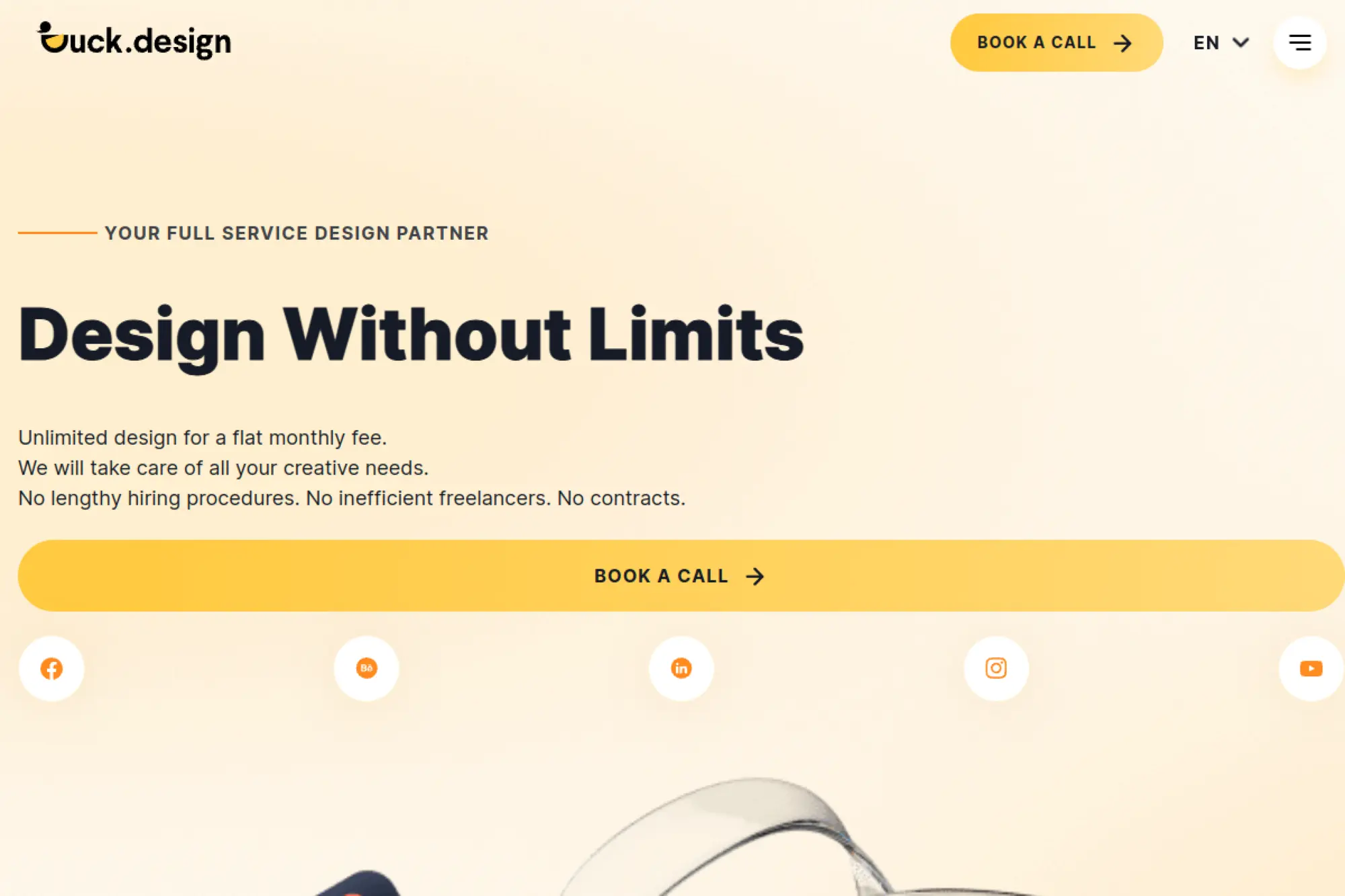
Duck.Design operates as a design‑as‑a‑service studio with a strong emphasis on UI/UX, brand systems, and day‑to‑day creative production. The team is remote‑first and services clients across time zones; we’d characterize its size as a mid‑scale collective rather than a small shop, with designers spanning product, motion, and web. While not a Singapore company per se, they frequently support Singapore product teams rolling out iterative site and app updates.
Services & proof: We’ve seen Duck.Design shine when the brief needs a predictable cadence of UX and marketing assets—landing page sprints, design system upkeep, and conversion‑minded refreshes. Public client materials include enterprise work and consumer brand assets; for instance, their site features enterprise UX engagements and testimonial‑style quotes from global manufacturers. That combination—structured delivery plus senior oversight—tends to compress review cycles without sacrificing craft.
Ideal fit: Growth teams that need a flexible bench more than a one‑off build. If you operate a SaaS or marketplace and want a rolling queue of UX, Webflow/WordPress page work, and brand collateral, their subscription model reduces friction. Stakeholders who love Figma prototypes, clear handoff files, and repeatable feedback loops will extract the most value.
2. NinjaPromo
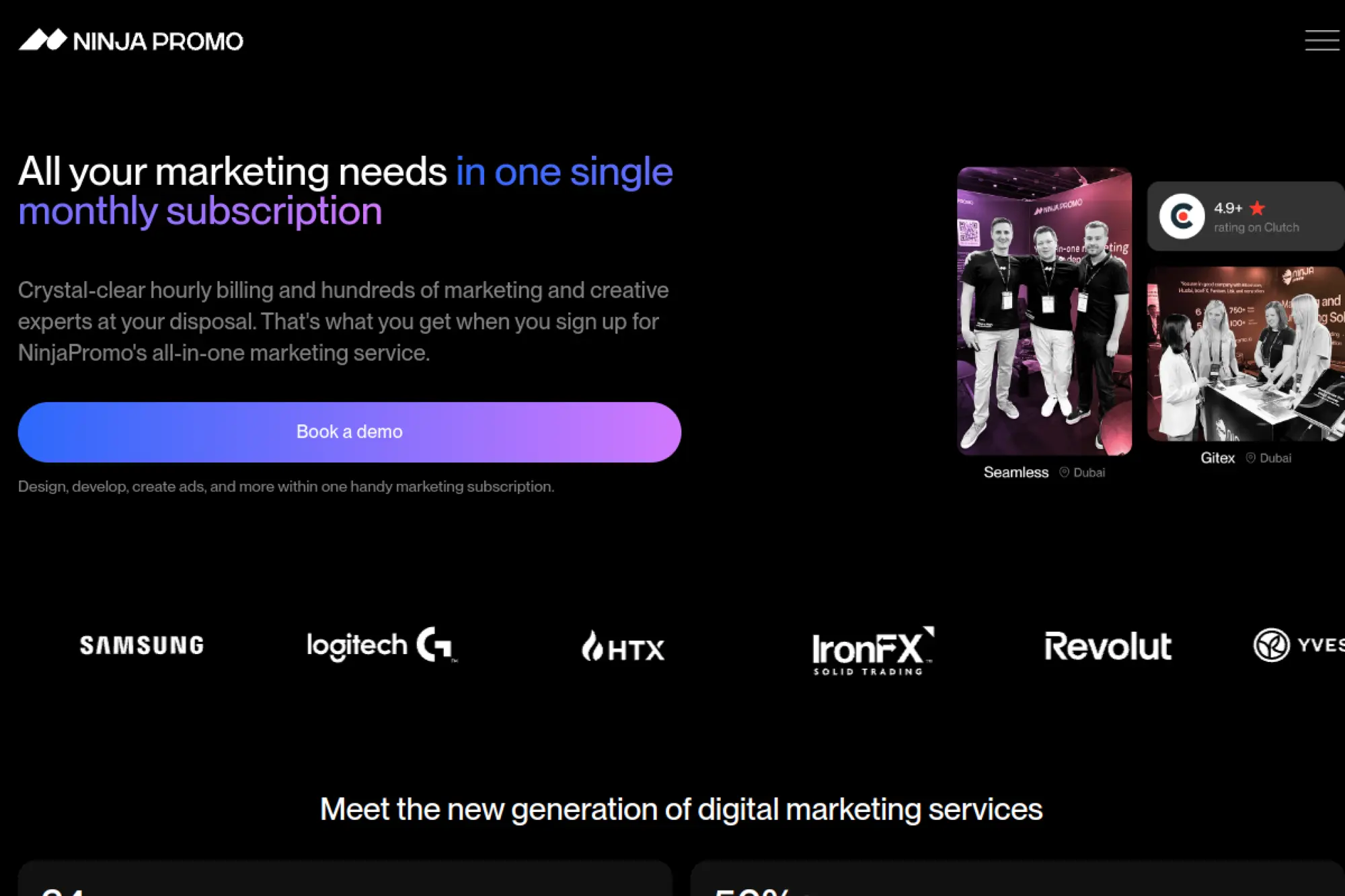
NinjaPromo is a global digital marketing and web production company with a footprint that includes work for fintech, SaaS, and telecom firms. From our vantage point, they run multidisciplinary pods—paid media, content, PR, and a development lane focused on Webflow and WordPress landing pages. The team size is substantial and distributed, with account management that adapts across regions including Singapore.
Awards: As part of The Manifest’s country roundups, the firm was featured among the “Most Reviewed Development Companies in Belarus 2021” in the blockchain category, a recognition tied to verified client reviews rather than editorial picks. For marketing leaders, this signals volume and recency of third‑party feedback at that time—useful, if imperfect, social proof.
Services & proof: Public case notes and reviews point to subscription‑style performance marketing with web production to match—media buying bundled with CRO landing pages, analytics, and design. In our own projects, vendors with this mix help when the goal is pipeline rather than a pure brand rollout, and when you want engineering and marketing to ship together rather than toss work over the wall.
Ideal fit: B2B firms running full‑funnel campaigns where acquisition pages must iterate weekly. If you need campaign‑specific microsites, PR coordination, and paid/organic search operating against one forecast, a performance shop with an in‑house dev cell can be more accountable than a loose vendor stack.
3. TechTide Solutions
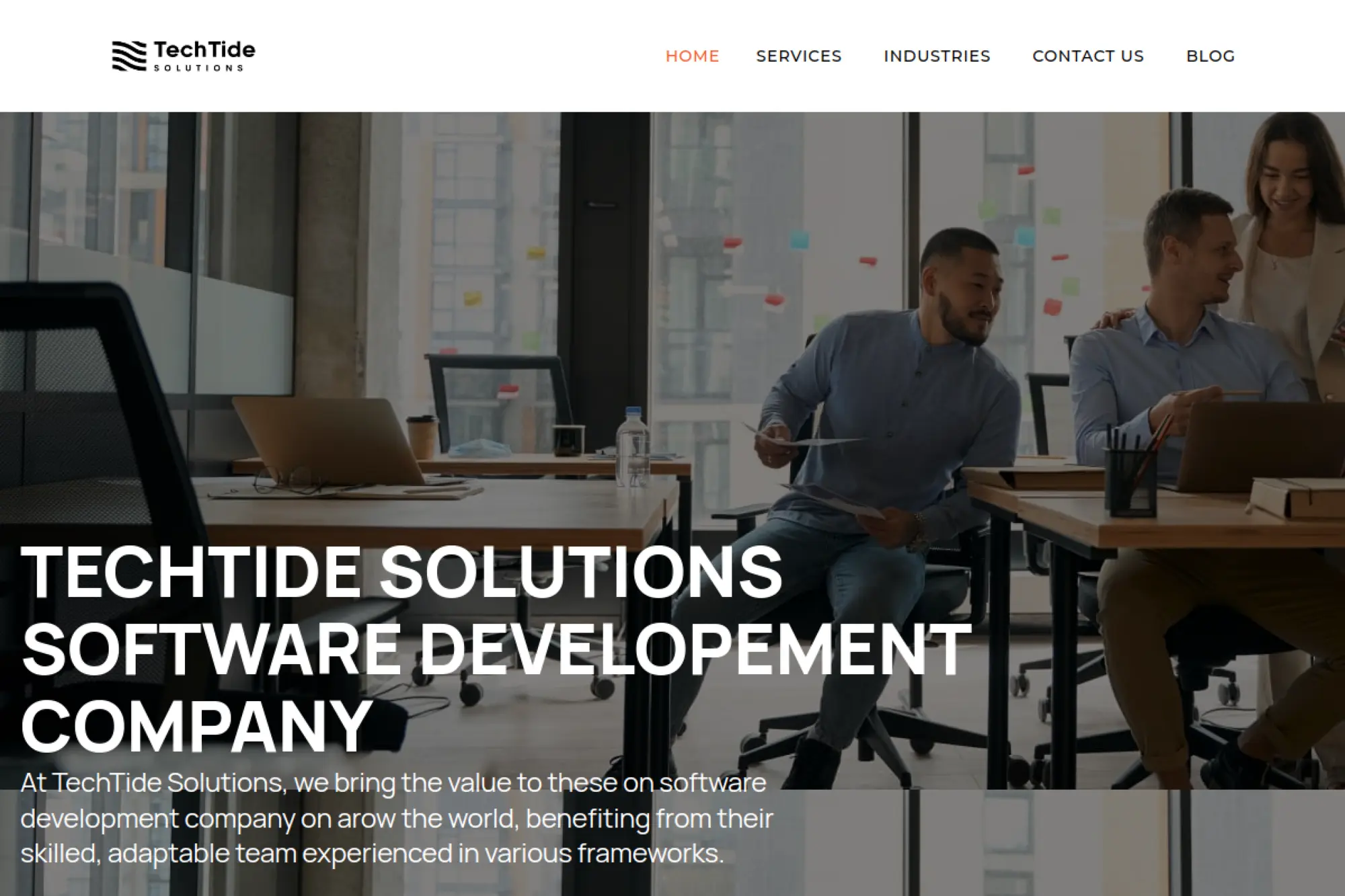
We’re a software development company that treats web design as product design. Our focus areas are performance‑first websites, headless commerce, and integrations that keep finance, CRM, and analytics in sync. We operate from Singapore with a distributed engineering team. On any given quarter, our build slate ranges from corporate sites with unusual data rules to multi‑locale marketing stacks at late‑stage startups.
Services & proof: Our approach is deliberately bias‑to‑action—map the customer journey, agree on KPIs, then implement in thin slices. We default to modern CMSs with strict content modeling, sprinkle in low‑latency APIs, and back everything with observability. When a client must hit a compliance bar (data residency, consent logs, access controls), we blueprint the policy in UX before a single pixel ships to prod, because that accelerates approvals and keeps pages fast.
Ideal fit: Teams that want a partner who can translate hard business constraints into simple interfaces. If your marketing and product groups are both stakeholders, if your infra/security team wants a seat at the table, and if your CFO expects a plan to quantify lift, we’re the ones who enjoy that knotty middle.
4. Verz Design

Verz Design is a long‑standing Singapore agency known for corporate websites and e‑commerce builds, with a team size that reads mid‑hundreds when you include delivery, design, and digital marketing. Founded in 2009, the company has grown into a multi‑service shop with offices around the region and a headquarters in Singapore. In our conversations with clients, Verz often enters shortlists for end‑to‑end projects that blend brand, content, and build.
Awards: Verz has landing‑page‑level recognition from design juries; one project received an Awwwards “Honorable Mention”, a peer‑reviewed nod for creative and technical quality. These accolades aren’t the reason to buy, but they tell us the team invests in craft and keeps its designers in the arena where ideas are measured against global peers.
Services & proof: The portfolio spans corporate sites, enterprise portals, and commerce builds, with Shopify, Magento/Adobe Commerce, and custom stacks in mix. Public materials show grant‑eligibility experience and partnerships, which matters when procurement wants to leverage local support programs. When clients ask us for a partner that can handle content, UX, and production at scale without getting lost in the weeds, Verz is a pragmatic pick.
Ideal fit: SMEs and mid‑market firms seeking a stable, locally anchored builder that won’t disappear after launch. If you’re migrating to Shopify or overhauling a dated corporate site while wrangling brand stakeholders, their process and bench depth reduce schedule risk.
5. Hello Pomelo
Hello Pomelo is a boutique web design studio based in Singapore with a reputation for clean, conversion‑minded sites. The team is small and senior—clients often work directly with lead designers—and the firm’s portfolio reads like a who’s‑who of lifestyle, F&B, and cause‑driven organizations. In our experience, such boutiques trade scale for intimacy, which many founders prefer in early redesigns.
Services & proof: Public testimonials reference site revamps for both consumer and institutional brands, plus after‑care. We like the way they keep copy, IA, and pixel craft tightly coupled—important when brand tone and checkout UX are inseparable. They also tend to earn repeat business on maintenance, a quiet signal that the relationship outlasts the ribbon‑cutting.
Ideal fit: Owners who want to sit across the table from the people designing their site. If your brief prizes usability, brand coherence, and “don’t overcomplicate it,” a boutique like Hello Pomelo will likely hit the mark faster than a sprawling multi‑team engagement.
6. Singapore Best Web Design SBWD
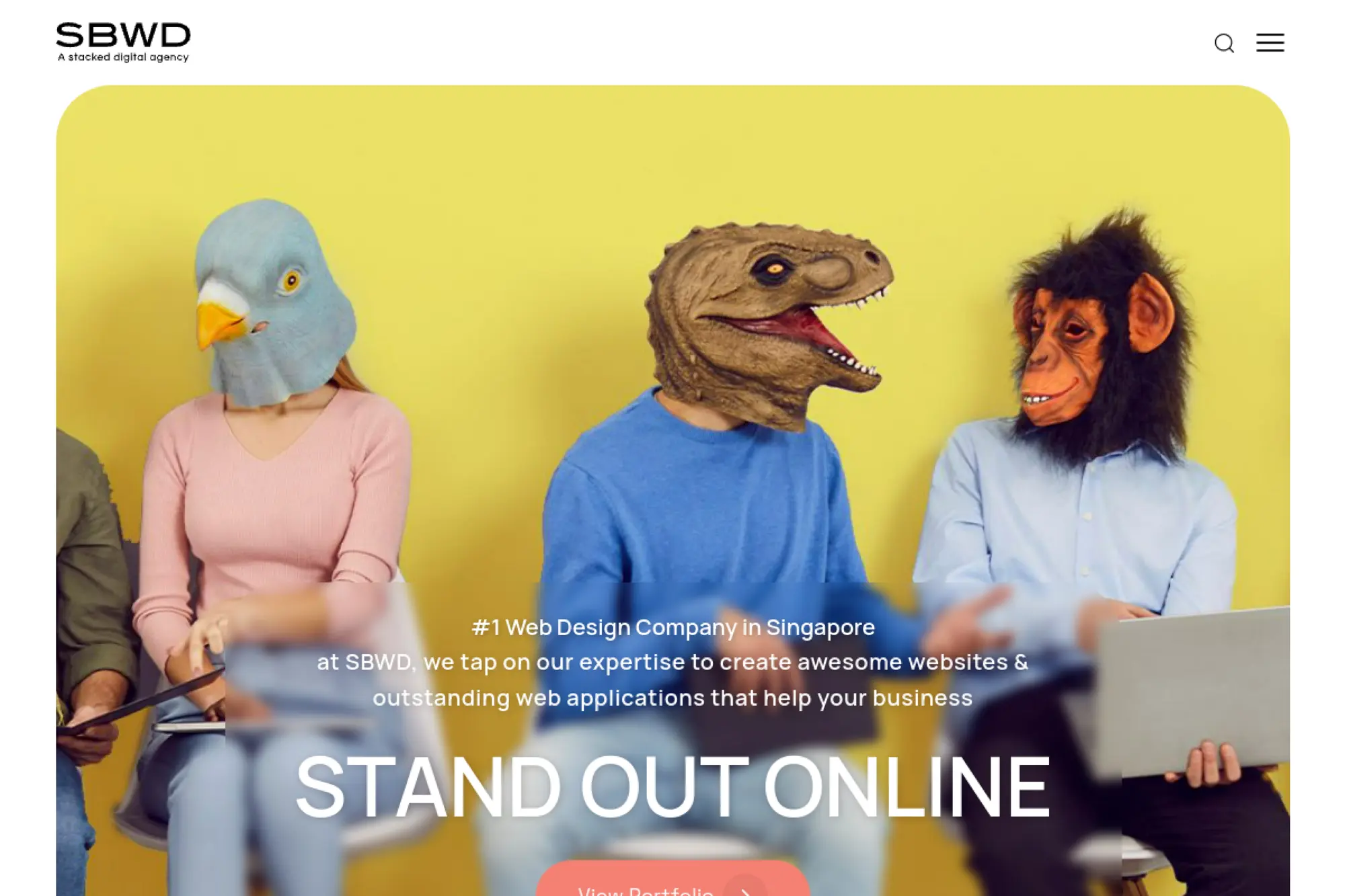
SBWD is a homegrown web design and development outfit serving SMEs across retail, services, and light industrial. Founded in 2009 and headquartered in Singapore, the team delivers corporate sites, budget‑sensible e‑commerce, and business applications with a practical bias. We’ve seen them come up in RFPs where the must‑haves include “answer the phone, speak business, go live on time.”
Services & proof: Typical engagements include WordPress builds, WooCommerce stores, and maintenance retainers. SBWD also appears in procurement where grant alignment matters; the team speaks “small business” fluently—tidy scopes, clear QA windows, and simple training handover. That alone can keep your project from dragging into the next quarter.
Ideal fit: Owners and general managers who want solid value over flash. If you need a compliant, maintainable site and a responsive support channel rather than a design trophy, SBWD is a sensible, budget‑respecting option.
7. Hunters Digital

Hunters Digital is a Singapore agency focused on websites with a growth mandate—design tied to SEO, ads, and content. The firm is mid‑sized, founded in the early 2020s, and operates from Singapore with delivery geared to SMEs that want an “all‑in‑one” partner. We’ve noticed they win on responsiveness and on packaging that demystifies the web build for first‑timers.
Services & proof: Public client pages show work across hospitality, healthcare, and the arts, plus hands‑on post‑launch support. We like that they frame web design as one step in a lead‑gen system—useful for teams who’d otherwise ship a site that marketing can’t operate. That “one agency, all solutions” stance can be calming when every decision is time‑boxed.
Ideal fit: SMEs launching or overhauling their first serious website who want both the CMS and the marketing engine wired from day one. If you want one point of contact for web, ads, and creative, a team like Hunters reduces coordination overhead.
8. OOm

OOm is one of Singapore’s best‑known digital agencies, with a large team founded in 2006 and a practice that spans SEO/SEM, social, content, and web development. Headquartered in Singapore and active regionally, OOm often competes for brand‑name accounts where performance marketing and web production must move in lockstep. In our due diligence, their maturity in search and performance analytics consistently surfaces.
Awards: At the Agency of the Year Awards 2023, the firm clinched “Overall Local Hero of the Year”, alongside wins in performance‑related categories. Industry awards aren’t everything, but when juried by senior marketers they signal a repeatable operating model—and that matters when you’re entrusting budget and brand.
Services & proof: OOm’s web work is typically tied to traffic and lead goals, with conversion‑first landing pages, content programs, and technical SEO meshed into a roadmap. We see them as a fit for organizations that want marketing outcomes measured weekly and dev changes queued accordingly—a cadence that reduces the “last‑mile” gap between paid and owned channels.
Ideal fit: Mid‑market and enterprise teams that demand demonstrable ROI and dependable velocity. If your site must be both brand‑correct and a lead magnet, a performance agency with in‑house build capacity like OOm keeps the system accountable end‑to‑end.
9. Aidentity
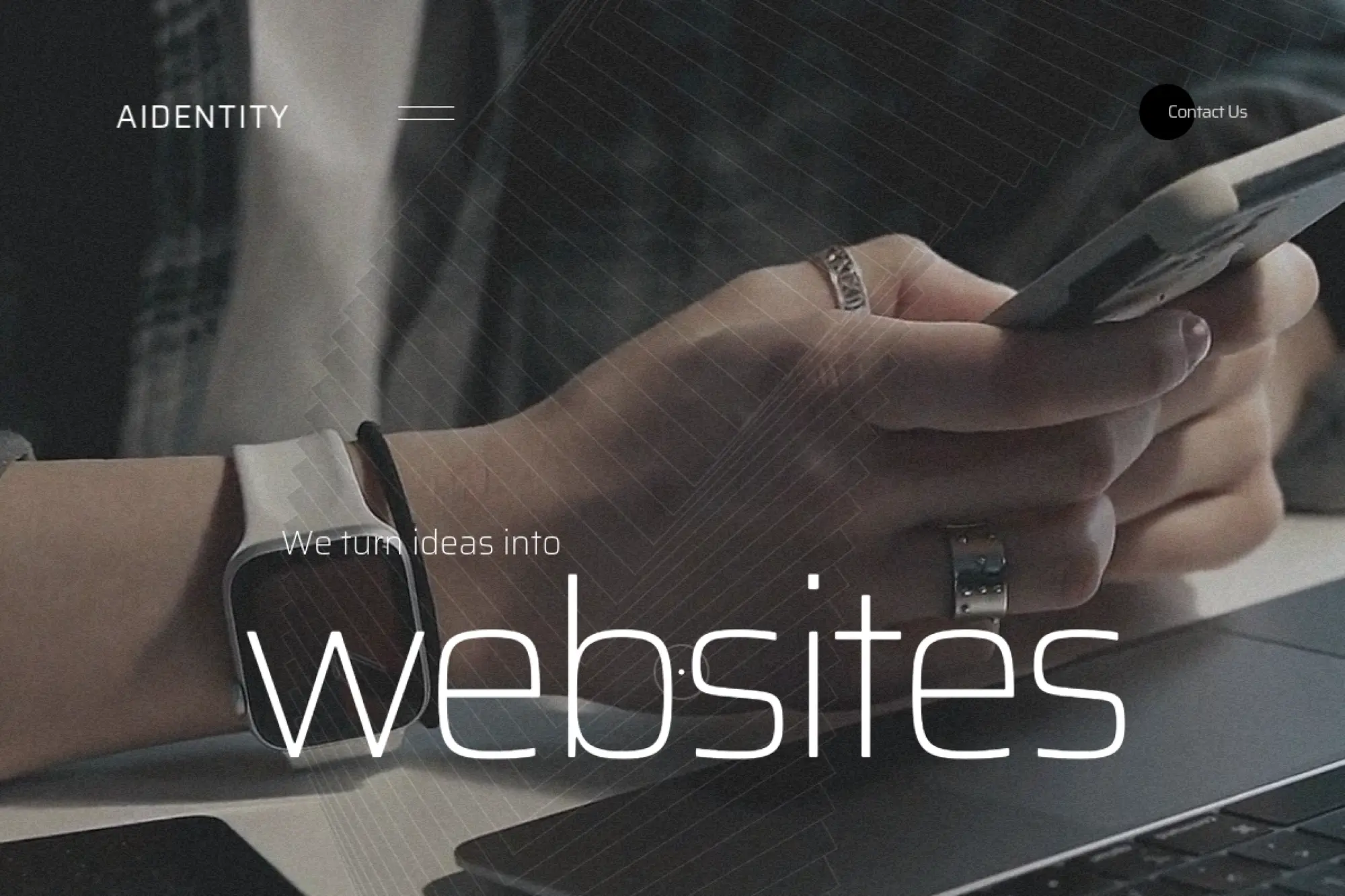
Aidentity is a Singapore web design and development agency founded in 2011 that builds corporate and e‑commerce sites with a creative tilt. The team is compact and hands‑on, and the headquarters is in Singapore’s east. Their portfolio crosses consumer retail, hospitality, and lifestyle, with animations and interaction flourishes that still respect performance budgets.
Services & proof: Public showcases list recognizable F&B and retail names. In our view, Aidentity’s value is pairing “wow” moments with business storytelling so that motion accents don’t become performance debt. That typically yields sites that feel invested‑in without frustrating users on older devices.
Ideal fit: Consumer‑facing brands that want a livelier visual language—think boutique retail, wellness, or specialty food—without losing sight of conversions and page speed. If your brief calls for personality but your budget calls for pragmatism, they thread it well.
10. Suffescom Solutions Inc

Suffescom is a global software and web development company known for complex builds in web, mobile, and emerging tech (AI and blockchain platforms). While headquartered outside Singapore, they routinely service clients in the region, bringing larger delivery squads and solution architecture to projects that exceed typical brochure‑site scope. We’ve seen them enter RFPs when custom features or data flows dominate the budget.
Services & proof: The public slate includes enterprise integration, multi‑tenant applications, and web platforms where UX design is a slice of a larger engineering pie. If you have workflows, roles, and security rules that need codifying in your site, teams with this profile are worth shortlisting because they won’t bolt “design” onto the side of a complex system.
Ideal fit: Product owners who know they’re buying a platform, not just pages. If your web project lives alongside mobile apps, back‑office tools, or cross‑border data constraints, a software‑first partner like Suffescom can keep risk in check.
11. TD Creatives Pte Ltd

TD Creatives is a Singapore digital and web studio with roots in event branding that now emphasizes SEO‑ready web builds, content, and performance design. The team is small and nimble, with headquarters in Singapore and a client roster that skews toward growth‑minded local brands. We think of them as an “activations‑to‑web” bridge: they understand how offline moments translate into digital journeys.
Services & proof: Their public work highlights web performance and day‑two growth, showing how they stabilize Core Web Vitals, tighten internal linking, and introduce structured content. Case copy we’ve seen also references phase‑based SEO plans and pragmatic maintenance—good signs for teams that don’t want a “launch then ghost” experience.
Ideal fit: Companies with thin in‑house marketing that need steady, compounding web results and are open to iterative SEO. If you want a site built to be improved monthly rather than re‑skinned yearly, this style of partner is energizing.
12. Jess Chen

Jess Chen is an independent Singapore‑based web designer focused on modern, responsive WordPress and e‑commerce sites. As a freelance practice, the “team” scales through collaborators, which keeps overhead low and access to senior attention high. Years in operation date to the mid‑2010s, with a downtown Singapore base and a portfolio of corporate and SME work.
Services & proof: Public project pages include brand refreshes, CRM‑integrated catalogs, and corporate sites with clean editorial design. Named work showcased includes research and strategy for organizations in research, consumer goods, and professional services. We tend to recommend independents like Jess when clients want speed, a single creative voice, and value.
Ideal fit: Business owners who want to avoid agency layers and get directly to decisions. If your scope is clear and you appreciate a designer who can interview stakeholders and then run, the solo‑plus‑collaborators model delivers quality without committee drag.
13. Probey Services
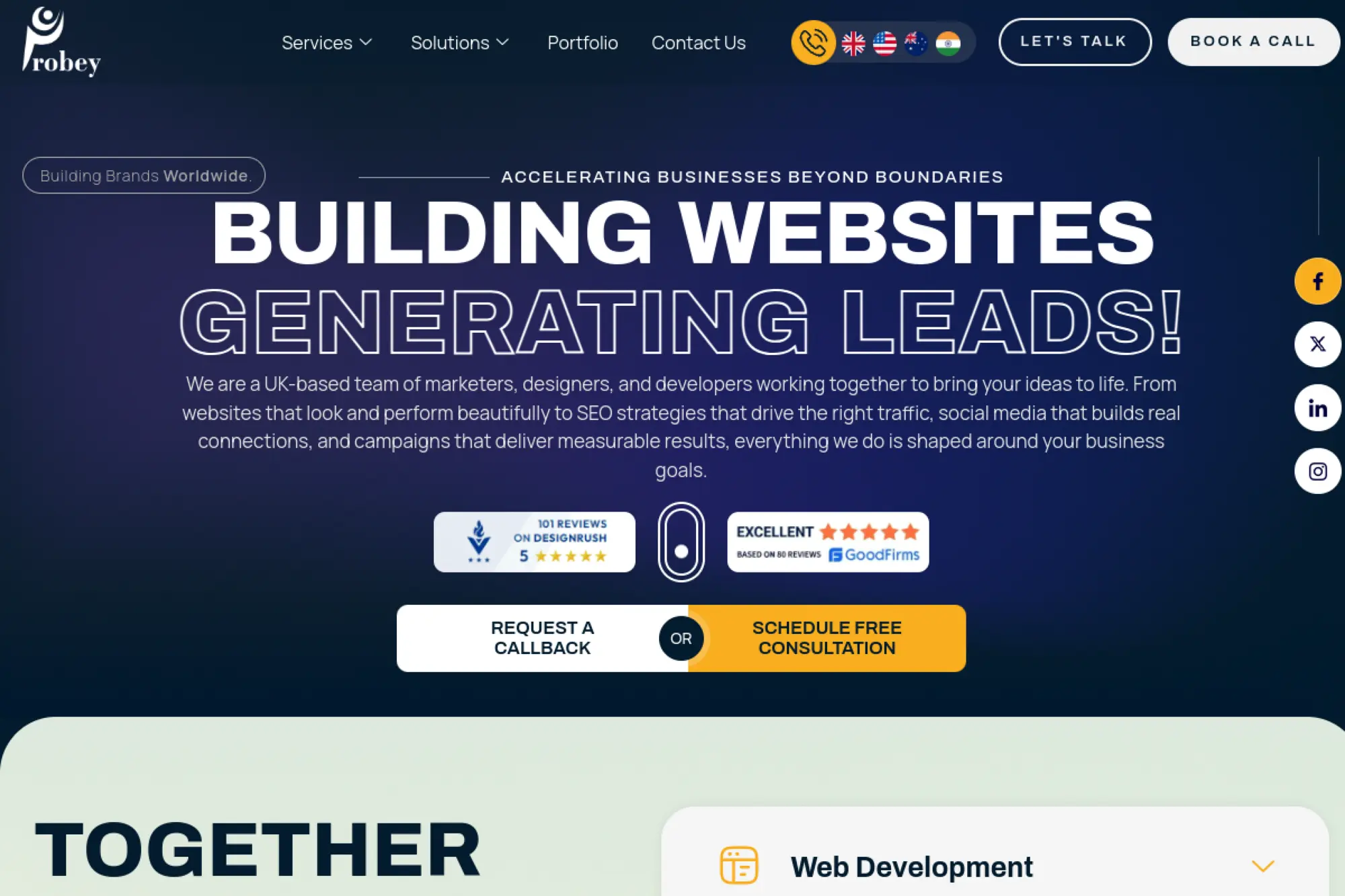
Probey Services is a web and app development company with marketing services built in, serving clients across the UK, US, and APAC. While not Singapore‑headquartered, their offering shows up locally when founders want design, development, and go‑to‑market under one roof. Team size appears sizable with roles spanning content, PPC, and engineering.
Services & proof: Public materials feature enterprise and nonprofit projects, plus reviews that call out speed and structured process. We’ve worked alongside similar globally distributed teams, and the benefit is timezone coverage for content and build—useful during launch windows when marketing ops and engineering both need quick turns.
Ideal fit: Firms that want “site + early marketing” delivered as a single program. If you have an ambitious timeline and value the convenience of one playbook across web, creative, and ads, this model reduces the friction of vendor orchestration.
14. Newwave Solutions

Newwave Solutions is a Vietnam‑headquartered software and web development company that services Singapore clients with cross‑border delivery. The company’s years in operation place it in the “established, not legacy” bracket, and the headcount reads as a large engineering shop. In web programs, they often step in when the site has heavy integrations or when web is part of a larger app roadmap.
Services & proof: Portfolio examples include custom web apps, SaaS dashboards, and e‑commerce. If your marketing team needs front‑end polish while your product team needs deep engineering, a partner like this can satisfy both by staffing UX, FE, and BE together and avoiding the classic “brand vs. build” compromise.
Ideal fit: Mid‑market and scale‑up teams seeking cost‑efficient capacity with credible engineering governance. If your house style is sprint reviews and measurable outcomes rather than off‑the‑shelf templates, you’ll likely appreciate the discipline.
15. TechTIQ Solutions
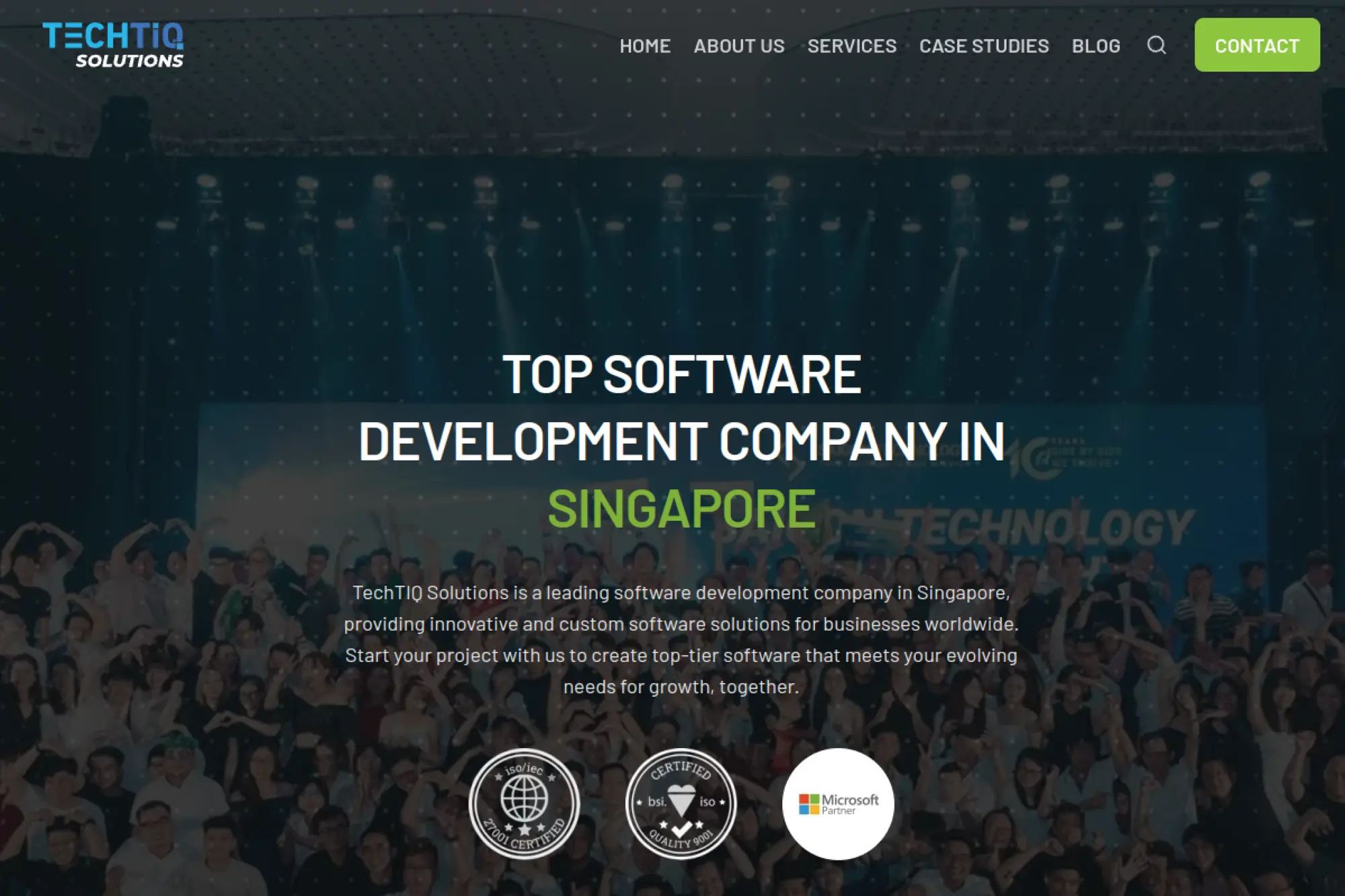
TechTIQ Solutions is a Singapore‑based software and web development company founded in 2017 with a hybrid Singapore–Vietnam delivery model. The Singapore office leads PM and QA while engineering scales from regional hubs, which helps them price competitively without skimping on governance. We’ve seen them appear in RFPs where custom builds, integrations, and day‑two support are non‑negotiable.
Services & proof: Public literature covers custom software, enterprise web, and AI‑adjacent features, with web builds bundled with consulting. In our experience, clients choose this model when they need a long runway—MVP today, iterations tomorrow—and want the same partner to shepherd the stack from launch through optimization.
Ideal fit: Stakeholders who want to ship web properties that can grow into product surfaces—customer portals, partner hubs, dashboards—while keeping a single team accountable for code quality and performance over time.
16. Vinova
Vinova is a Singapore‑headquartered development firm established in 2010, now spanning multiple regional offices. They are best known for mobile and web apps but retain a healthy web design practice for corporate and commerce sites. With a headcount well into the hundreds, they pair scale with a local presence, which comforts procurement and IT alike.
Services & proof: Public testimonials cite work for education, retail, and enterprise clients, including large institutions and international brands. We find a team like Vinova attractive when your website sits near internal systems—HR, ERP, logistics—and the same vendor can wrangle APIs and security without rewriting the brief.
Ideal fit: Enterprises and ambitious SMEs with cross‑team stakeholders. If you’re replacing a decade‑old site and your requirements read like a systems diagram, a large, battle‑tested team helps you avoid “unknown unknowns.”
17. Brainvire Infotech

Brainvire is a global digital consultancy with a Singapore presence and deep experience in commerce, ERP, and custom web platforms. Founded in the early 2000s, Brainvire operates across the US, APAC, and the Middle East with a very large headcount. For Singapore buyers, the draw is their ability to align marketing websites with heavy back‑office systems.
Awards: Industry coverage has recognized the firm’s service excellence, including Clutch distinctions referenced in third‑party press such as “Top IT Services Firm 2019”. Awards age, but the pattern—recurring recognition across years and services—maps to a company comfortable under client scrutiny.
Services & proof: Public case material spans marketplaces, enterprise portals, and complex migrations, often mixing UX, CMS engineering, and product integration. We’ve seen teams like Brainvire reduce risk on projects where a marketing site must talk to inventory, pricing, or CRM with zero surprises for finance or compliance.
Ideal fit: Retailers, distributors, and financial services firms with transaction‑adjacent web needs. If downtime has hard costs and integrations are the project, not an add‑on, a global systems partner earns its keep.
18. Scopic
Scopic is a remote‑first US software studio with global reach that builds custom web apps, complex sites, and digital products. While not Singapore‑based, they frequently show up on regional shortlists for engineering‑led web work. Years in market exceed a decade, with a multi‑disciplinary bench of PMs, designers, and engineers that can absorb spiky workloads.
Services & proof: The public portfolio mixes healthcare, manufacturing, and SaaS. We view Scopic as a fit when the site brief bleeds into application behavior—role‑based content, dashboards, or workflow features that start to look like product. This is where engineering discipline matters as much as typography.
Ideal fit: Teams that need the reliability of a product shop wrapped around a website build. If your roadmap includes both marketing conversion and interactive tools, consider a studio that’s comfortable with both hats.
19. SDLC Corp
SDLC Corp is an India‑headquartered development company with global offices, building mobile, web, and emerging‑tech experiences. They’re sizable and versatile, which helps when the web design brief hides complicated data flows or post‑launch features. We’ve seen them compete where speed, cost, and coverage are top priorities.
Services & proof: Public case write‑ups cover CRM‑like web platforms, e‑commerce builds, and apps that demand tight UI and uptime. If your stakeholders want a broad menu—front‑end polish today, new modules tomorrow—teams like SDLC bring the operational heft to keep shipping without losing context.
Ideal fit: Buyers who want a capable “general contractor” for digital. If you anticipate a year of incremental releases and cross‑device UX, a partner that treats your website as a living product rather than a fixed deliverable will be easier to manage.
20. 2Stallions
2Stallions is a Singapore‑headquartered digital agency founded in 2012 that blends marketing and web development. The team is mid‑sized, with regional presence and an emphasis on data‑driven performance. We see them succeed when clients want a single steward across SEO, paid media, content, and the site infrastructure those programs depend on.
Services & proof: Public case narratives show multi‑channel campaigns paired with website and landing page work, supported by measurement and reporting. For teams that want better reporting, faster iteration, and one accountable counterpart, 2Stallions’ integrated model is pragmatic.
Ideal fit: SMEs that want to invest in compounding growth levers—organic, paid, and content—without tripping over agency silos. If you need your web design decisions to be justified by data and reflected in media outcomes, this model fits like a glove.
Closing thought from our bench to yours: any of these partners can build a website; the right one will build your operating system for growth—consent‑aware, analytics‑literate, and fast by default. Ready to shortlist? Tell us your timeline, systems, and KPIs, and we’ll map a vendor stack that fits your stage and risk profile.
Recommended reading: Top 30 App Development Companies In Spain 2026
What to evaluate when choosing web design companies in singapore
Buyer behavior sets the bar you must clear: 61% of B2B buyers prefer a rep‑free buying experience, so your site must inform, reassure, and convert without hand‑holding. We’ve seen Singapore buyers expect clarity on pricing, delivery, and service levels in just a few clicks—no calls, no chasing. The shortlist for your “top 20” agencies should reflect who designs for that reality and who merely decorates pages.
1. Custom websites vs templated websites for Singapore businesses
We weigh custom builds when your business model or compliance posture demands it—think complex product rules, multi‑warehouse inventory, gated B2B pricing, or integrations with local systems like PayNow settlement, e‑invoicing, or procurement portals. Templated builds are fine for proof‑of‑concepts or brand refreshes where speed to market matters more than deep logic.
Signals to go custom
Unique checkout logic, intricate content governance, or the need to version content for different regions and segments. We often recommend headless architectures when marketing velocity (campaigns and experiments) must move independently of back‑end systems.
Signals to start with a template
Clear offerings, straightforward checkout, and minimal integrations. We still harden these builds with proper CI/CD, code linting, and a security baseline so you can scale later without re‑platforming pain.
2. E‑commerce website capabilities WooCommerce and Shopify
We treat platform choice as a business decision first. Shopify offers opinionated simplicity—great for branded retail with predictable catalogs and omnichannel ambitions. WooCommerce shines when you need WordPress content depth, flexible product logic, or on‑prem control. Our lens: payment methods your customers actually use (PayNow, GrabPay, cards), tax nuance, and fulfillment flows with local carriers.
When Shopify wins
Fast launch, robust app ecosystem, and reliable storefront operations. Ideal for founders who want to invest more in growth loops than in technical orchestration.
When WooCommerce wins
Content‑commerce fusion, custom pricing rules, or unusual SKU logic. We pair it with managed hosting and disciplined caching so performance isn’t an afterthought.
3. Enterprise‑grade websites and scalability
At scale, we design for resilience: edge caching, API rate‑limit strategies, queue‑based workloads for spikes, and feature flags for safe releases. If your brand runs seasonal campaigns or public‑sector traffic, we advise load shaping, observability, and playbooks for incident response so marketing doesn’t fear success.
4. SEO‑friendly builds and fast‑loading performance
We start with clean information architecture, canonical hygiene, and programmatic metadata. On performance, our bias is to ship fewer bytes: lean components, image pipelines, and critical CSS. We validate with both synthetic tests and real‑user monitoring so rankings and revenue aren’t held hostage by flaky lab scores.
Technical hygiene to bake in
Structured data for key templates, accessible components, crawl‑budget friendly sitemaps, and analytics that separate branded from non‑branded intent to guide content investment.
5. Responsive mobile‑first UX and accessibility
We prototype on small screens first and include assistive patterns such as semantic landmarks, focus states, and captions. Accessibility isn’t red tape; it’s conversion—clear targets, readable contrast, and forms that forgive minor errors reduce abandonment in every segment.
6. Website maintenance security and ongoing support
Security is a habit: dependency updates, secret rotation, staging parity, and web application firewalls. We wrap that with change management and release notes in plain English so non‑technical stakeholders stay in the loop.
7. Hosting and domain management options
Singapore‑region hosting reduces latency and simplifies data residency conversations. We standardize DNS templates, auto‑renew policies, and backup registrars to keep brand assets safe during staff transitions and vendor changes.
8. Integration with digital marketing SEO SEM SMM
We wire analytics to business truths: clean event taxonomies, offline conversion imports from CRM, and audience sync with your ad platforms. That way, you can calibrate bids using profit, not vanity metrics.
9. Transparent web packages Starter Strategic E‑commerce
Our packages map to outcomes, not just deliverables. Starter aligns on credibility and discoverability, Strategic layers in automation and content velocity, and E‑commerce focuses on cart economics and lifecycle marketing. Clear scope, change‑request rules, and governance accelerate trust.
10. Typical 6–8 week timeline for an 8–10‑page corporate website
Our cadence: discovery and content mapping, design sprint with rapid feedback, core build, quality assurance with accessibility and performance checks, and launch with post‑go‑live monitoring. We timebox decisions and surface trade‑offs early to protect momentum.
11. PSG and SFEC grant support for website development in Singapore
Eligible SMEs can defray investment with national schemes: the Productivity Solutions Grant supports web and e‑commerce solutions at Up to 50% of eligible costs for local SMEs, and the SkillsFuture Enterprise Credit provides a one‑off credit of up to $10,000 per entity that can be applied to qualifying transformation initiatives. We help clients navigate eligibility, scope proposals responsibly, and avoid common pitfalls during claims.
Recommended reading: Top 20 SEO Web Solutions to Improve Rankings, Traffic, and Revenue
Core web design services in Singapore
Design pays when it is systematic, not ornamental: top‑quartile design performers delivered 32 percentage points higher revenue growth than peers, a reminder that craft and capability must travel together. Our service catalogue is built to connect brand, product, and pipeline under one roof.
1. Corporate website design Singapore
We translate positioning into navigable stories—lead with clarity, substantiate with proof, and end with actions that sales and service can honor. For regulated sectors, we codify disclaimers and approvals directly into the authoring workflow.
2. E‑commerce website design Singapore
Cart value is a system output. We design merchandising rules, search that understands synonyms and misspellings, and checkout that shortens cognitive load. Post‑purchase flows set expectations on delivery and returns to reduce churn.
3. WordPress website design
We treat WordPress as a framework, not a plugin buffet. Component libraries, editor guardrails, and role‑based permissions keep sites performant and teams empowered without accidental breakage.
4. Shopify and WooCommerce development
We implement the essential trio: clean product data, trustworthy payments, and fulfillment visibility. For B2B storefronts, we add gated catalogs, account pricing, and quote‑to‑order paths that mirror real‑world negotiations.
5. Custom web development and CMS
When your model is the moat, we build to fit: headless CMS for editorial speed, service layers for integration, and domain‑driven boundaries so features evolve without collateral damage.
6. Dedicated landing page development
Landing pages are experiments at scale. We ship message‑market fit via rapid iteration across value props, social proof, and forms that adapt to intent rather than forcing a one‑size‑fits‑all script.
7. Website migration and replatforming
We preserve SEO equity through careful URL mapping, redirect strategy, and content normalization. Parallel runs and rollback plans de‑risk cutover for teams with unforgiving calendars.
8. Website maintenance and security
We institutionalize upkeep: patch queues, vulnerability triage, and least‑privilege access. Routine pen‑testing and backups that are actually restorable—not just stored—close the loop.
9. Website optimisation and upgrades
We treat performance, accessibility, and conversion as a single fabric. Small wins compound when the site’s design system, analytics, and experimentation pipeline work in concert.
What we instrument
Real‑user monitoring, error tracking, and A/B testing tied to economic signals like margin and lifetime value, not just clicks.
10. Branding and logo design
Identity is memory plus meaning. We workshop narrative, tone, and visual systems together so your brand survives outside the guidelines and still feels unmistakably yours.
11. UI and UX design
We design for comprehension first: typographic hierarchy, scannable layouts, microcopy that anticipates doubt, and feedback that rewards progress. The result is flow without friction.
12. SEO SEM and social media marketing
We connect organic and paid through shared intent data. That means content that captures demand, ads that harvest it efficiently, and remarketing that respects user context.
Recommended reading: Top 20 Software Consulting Companies: 2026 Guide and Key Trends
How TechTide Solutions helps you build custom solutions

Process is our multiplier: effective agility has been shown to unlock 30 to 50 percent improvements in operational metrics like time‑to‑market and predictability. We align that discipline to your outcomes, not to rituals for their own sake.
1. Consultative discovery and requirements workshops aligned to your goals
We start by modeling your revenue mechanics and risk posture. Workshops surface edge cases—procurement nuances, channel conflicts, service capacity—so the website reinforces your operating model instead of fighting it.
2. Custom web and app development with third‑party integrations
We integrate payments, logistics, CRM, and analytics with an eye on maintainability. Abstracted connectors and contract tests let vendors change without breaking your day.
3. Agile delivery quality assurance and long‑term maintenance
Short, outcome‑oriented increments, automated tests, and observability keep releases calm. After launch, structured maintenance and a quarterly roadmap ensure the site keeps compounding value.
Recommended reading: Top 30 Mobile App Development Companies in France to Consider
Conclusion: choosing the best web design companies in Singapore

Investment patterns point the way: leaders continue to prioritize intelligent digital capability, with 74% of surveyed organizations reporting investments in those capabilities over the past year. Picking a partner now is about fit, not flair—someone who understands Singapore’s market texture, designs for self‑serve buyers, and can stand up a secure, measurable system that compounds. If you’d like, we can score your shortlist against these criteria and prototype a proof of value—shall we start with a discovery session tailored to your goals?

