


When buyers ask us for the best Android app development companies in USA, we do not start with the biggest list. We start with fit. A team built for a Domino’s-style commerce flow is rarely the same team you want for a Dexcom-style patient workflow. We wrote this guide from our seat at TechTide Solutions, and we included ourselves because serious buyers compare us with this field anyway.
We judged each company on Android depth, product thinking, delivery clarity, communication style, and post-launch discipline. In plain English, we cared less about polished sales decks and more about whether a team can plan releases, test across devices, handle background sync, and support the app after launch.
Android still deserves first-class attention because Statista says it held about 71.88 percent of global mobile OS share in the first quarter of 2025.
Reach is only half the story. Deloitte found 79% say privacy policies from device makers, app providers, and online services are not very clear, which is why we weigh security language, documentation, and maintenance terms so heavily.
Quick Comparison of Android App Development Companies in USA
If you want the fast version, start here. We would use this table to cut a long list down to three serious calls, then read the deeper notes below before sending any scope document.
| Agency | Best for | Strength | Potential drawback | Good question to ask |
|---|---|---|---|---|
| WillowTree | Enterprise mobile programs | Strategy and scale | Premium cost for simple MVPs | Who will actually build Android under the TELUS setup? |
| Zco Corporation | Custom native apps | Long engineering track record | Process can feel heavier early | Which senior Android engineers are assigned? |
| TechTide Solutions | Cost-aware custom builds | Flexible hybrid delivery | Not a US-headquartered team | How much US overlap time will we get? |
| Intellectsoft | Enterprise modernization | Consulting plus engineering | Can be heavy for small apps | What part of the team is US-led? |
| Trango Tech | Mid-market digital transformation | Fast staffing options | Delivery structure needs clarity | Which office owns Android delivery? |
| Konstant Infosolutions | Budget-conscious startups | Competitive pricing | Offshore-heavy model | Who is the named Android lead? |
| App Maisters | Boutique US projects with AI or IoT | Hands-on service | Smaller bench | How do you scale QA for larger releases? |
| Designli | Non-technical founders | Strong discovery process | Less ideal for deep device work | When do we need native Android specialists? |
| Chop Dawg | Founder-led launches | Clear communication | Confirm enterprise integration depth | What is fixed in the monthly rate? |
| Lounge Lizard | Brand-led SMB projects | Design and marketing mix | Mobile may be secondary | Who leads Android engineering day to day? |
Recommended reading: Top 20 Sydney Web Design Companies for Businesses That Want Better Results
Top 20 Android App Development Companies in USA
We ranked these companies by buying fit, not by logo prestige alone. A few names below combine US-facing teams with global delivery rather than a classic US-only headquarters. We kept them because US buyers compare them anyway, and delivery geography changes cost, speed, and oversight more than many founders expect.
1. WillowTree
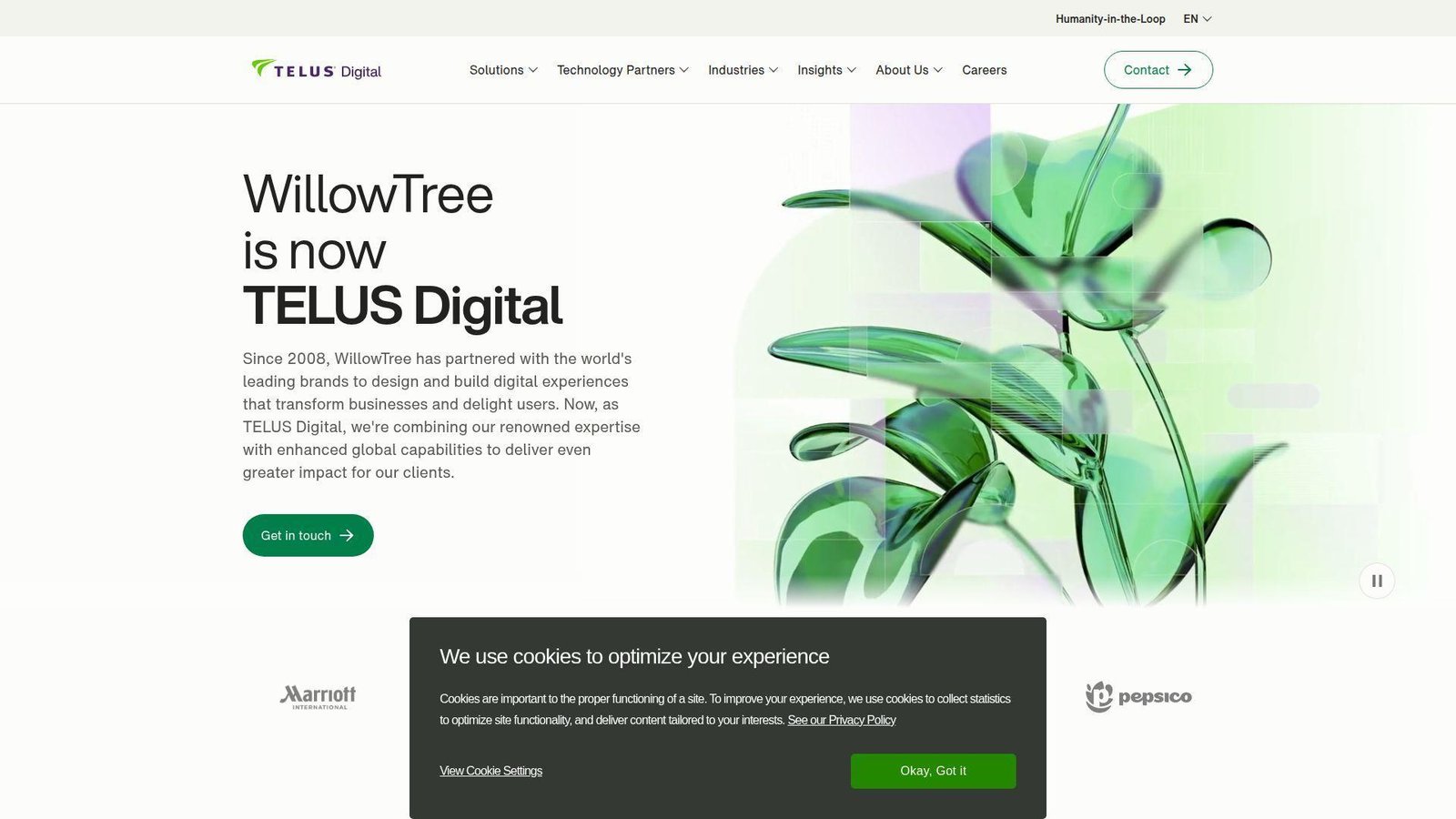
We place WillowTree in the premium enterprise bucket. Public materials tie it to Charlottesville, Virginia, a 2008 founding date, and a team of more than 1,000 people, now operating under the TELUS Digital brand. Its service scope is broad. Strategy, product design, native mobile, web, AI, and growth work all sit in the mix. We think that breadth fits healthcare, finance, travel, media, and large consumer brands that need executive alignment as much as code.
- Ideal client size: Mid-market organizations with real budgets, plus large enterprises.
- Pricing and onboarding: Usually premium, with discovery workshops, senior stakeholders, and a structured product process.
- Check before hiring: Ask for recent Android-native case studies after the TELUS transition, confirm which team will ship the work, and make sure you are not paying enterprise rates for a small validation project.
2. Zco Corporation
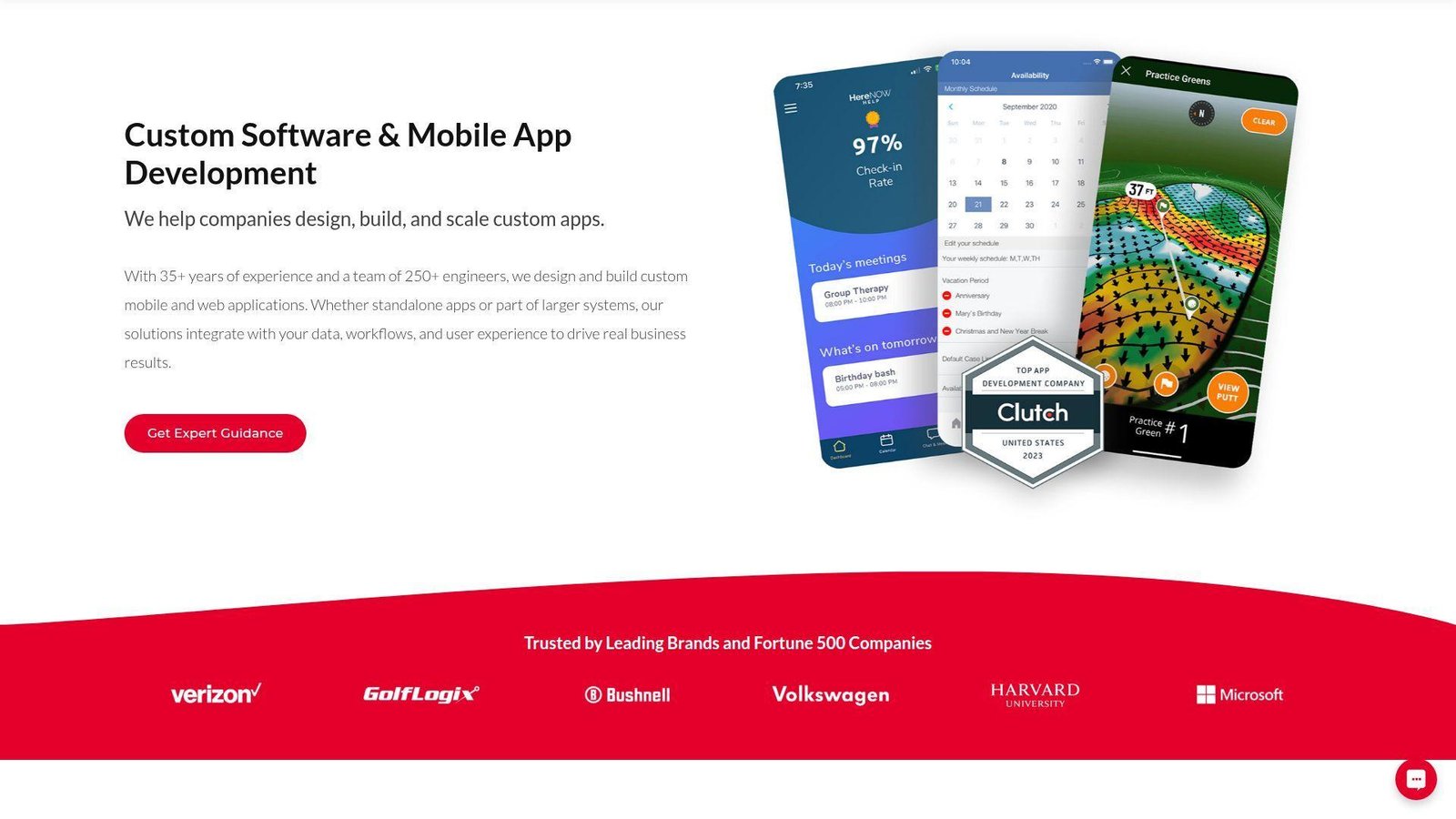
Zco is one of the older names on this list, and that matters more than many startup buyers realize. The company dates to 1989, is headquartered in Nashua, New Hampshire, and public profiles place it in roughly the 200 to 500 employee range. We see it as a steady engineering shop for native mobile, enterprise software, animation, and AR or VR work. That mix suits healthcare, finance, education, and other teams that care more about reliability than agency theater.
Where we think Zco makes sense is mid-market work that needs senior engineers and a partner comfortable with custom builds. Expect a scoped, project-led start and fairly structured communication. We would still ask for recent Kotlin and Jetpack Compose examples, because long history alone does not prove current Android practice. The main red flag is a proposal that stays vague about who the actual Android lead will be. Ask that before anything else.
3. TechTide Solutions
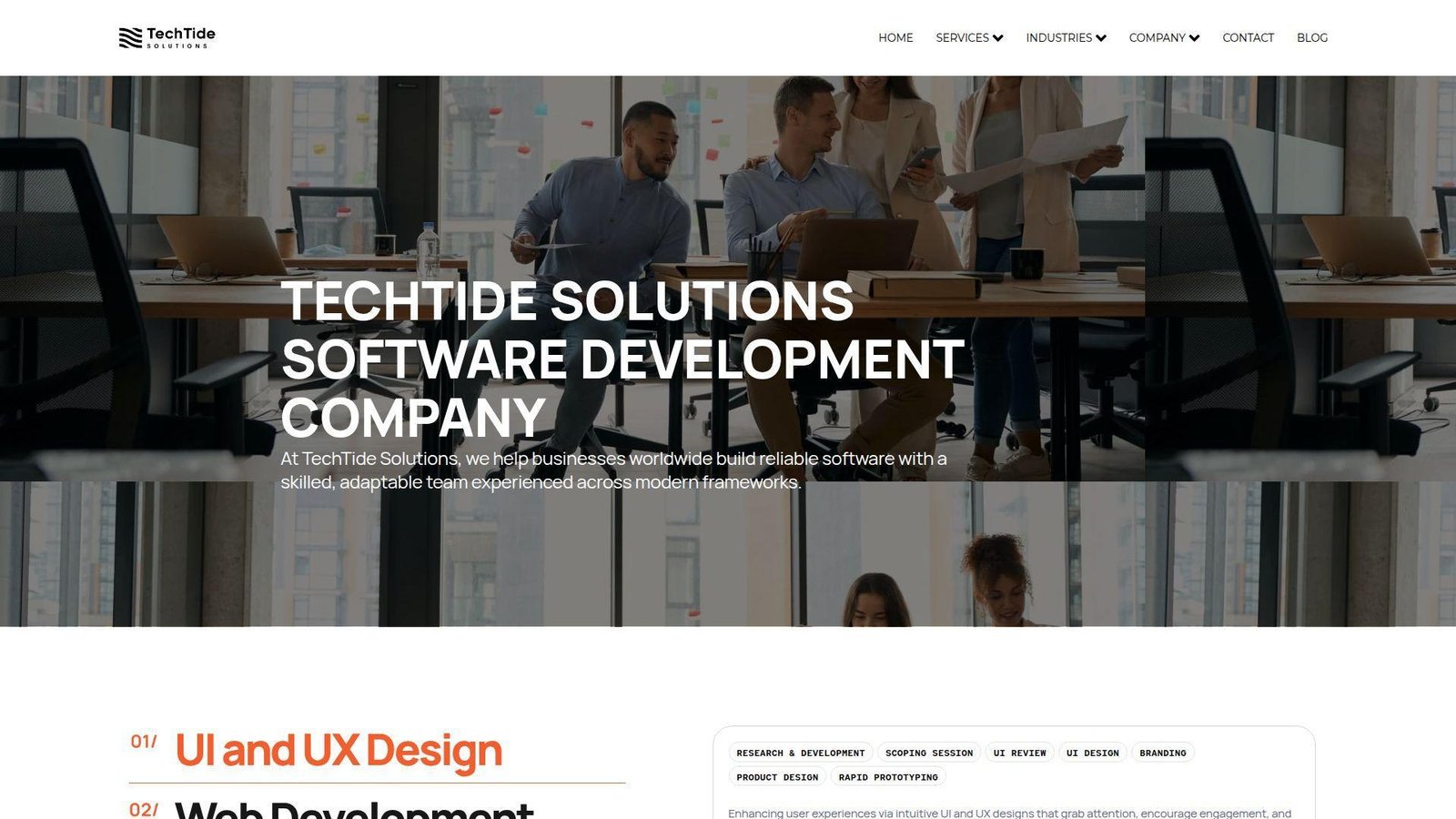
We included ourselves because US buyers often compare us with this field, especially when they want custom Android work without full enterprise overhead. Public sources show a 2022 founding date, an estimated team in the 50 to 150 range, and headquarters in Ho Chi Minh City. Our scope covers Android, web, backend, and custom software for business workflows. We are strongest when the app has real operational logic behind it, such as approvals, offline data capture, role-based access, or admin tools that have to match the mobile experience.
We are not the obvious choice if you need a fully US-based, on-site team every week. Where we tend to fit well is startups and mid-sized companies that want flexible pricing, direct communication, and one partner across Android, web, and backend APIs. Our onboarding usually starts with scope mapping and architecture questions, not a generic pitch deck. Buyers should ask us for relevant case studies, release ownership details, code ownership terms, and QA coverage before signing. Frankly, we think they should ask every vendor the same thing.
4. Intellectsoft
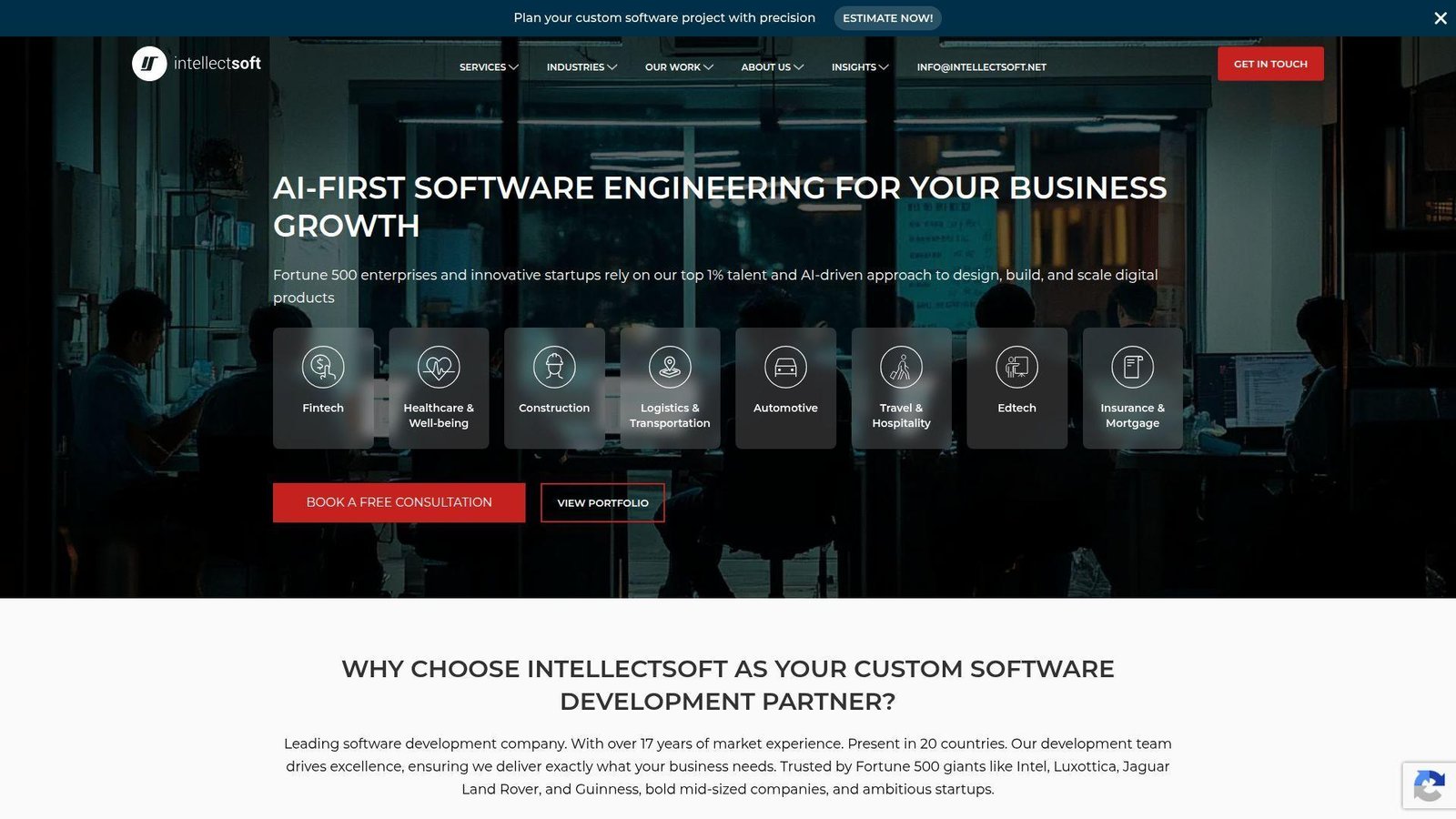
Intellectsoft sits closer to the enterprise consulting end of the market than the boutique app-studio end. Public profiles show a 2007 founding date, New York headquarters, and a team in the 50 to 200 range. Its service scope covers consulting, CX design, custom software, mobile apps, IoT, AI, system integration, and ongoing support. We would look at Intellectsoft first if the Android app is part of a larger modernization effort rather than a standalone product bet.
- Ideal client size: Mid-market and enterprise teams with legacy systems, internal stakeholders, and integration needs.
- Pricing and onboarding: Usually premium-mid, with consultative discovery, audits, and stakeholder interviews.
- Check before hiring: Ask which parts of the work are US-led versus distributed, request examples of long-term Android support, and watch for over-scoping if your real need is a smaller launch.
5. Trango Tech
Trango Tech looks like a fit for buyers who want a broad service menu and faster team ramp-up. Public profiles place the company in San Jose, California, with an estimated 50 to 200 employees, while company materials also describe a larger parent-group connection. Its scope spans mobile, web, AI, CRM, staff augmentation, and broader digital transformation work. We would keep it on the list for startups, SMBs, and mid-market firms that want a partner with both build capacity and staffing flexibility.
The trade-off is clarity. When a company can do many things, buyers need to pin down exactly what they are buying. We would ask which office owns Android delivery, whether the team is dedicated, how QA is staffed, and whether the same people stay through launch. Pricing is usually more competitive than premium US-only agencies. The red flag is a proposal that sounds bigger than the actual operating model behind it.
6. Konstant Infosolutions
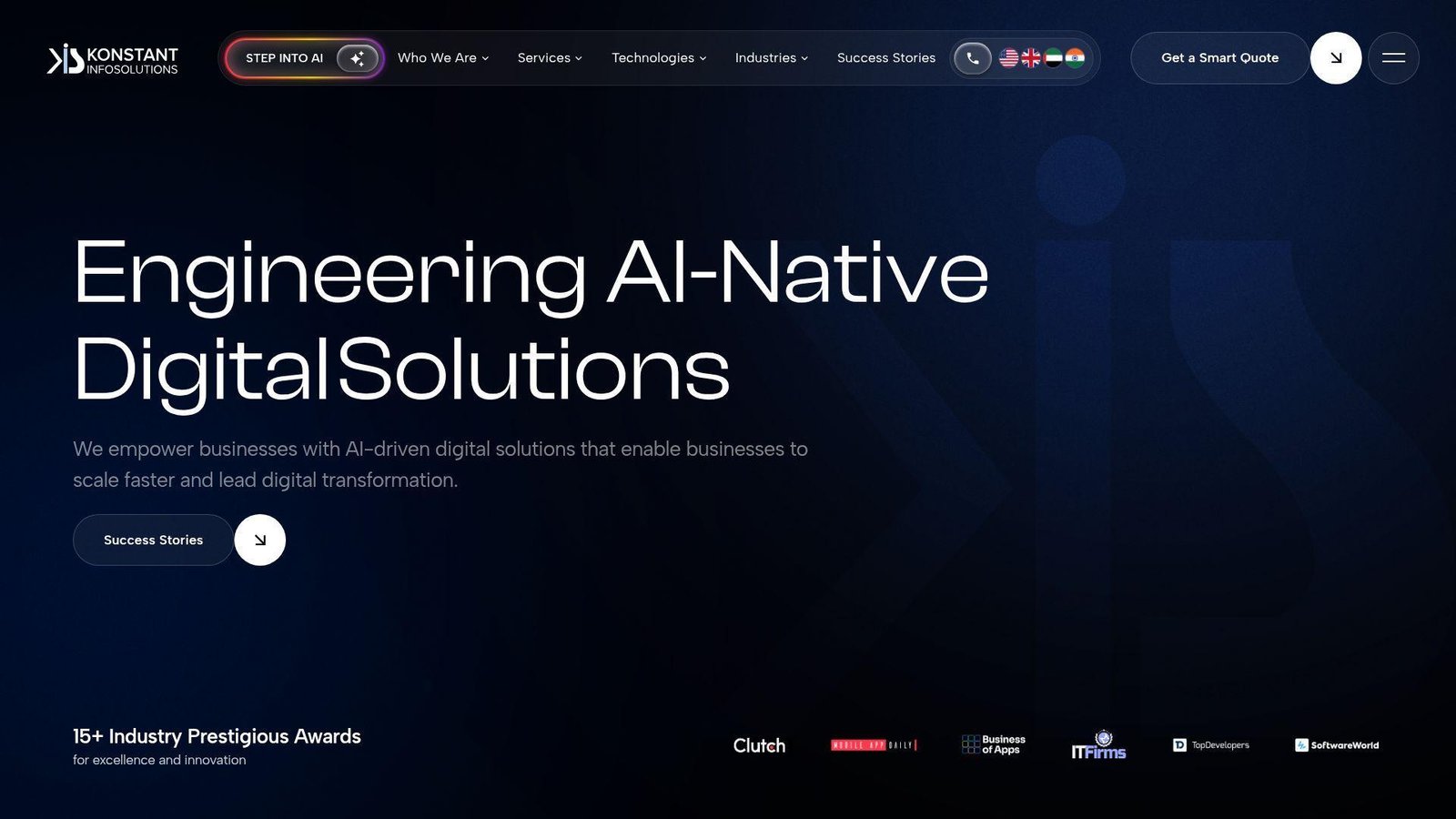
Konstant Infosolutions is one of the more common names in founder shortlists, and we understand why. Public sources show a 2003 founding date, a core base in Jaipur, India, US offices in California and Florida, and roughly 180 to 210 employees. Service scope is wide. Mobile, web, AI, IoT, AR or VR, cloud, and product development all appear in the mix. We think it is strongest for startups and SMBs that want competitive pricing and a vendor already used to offshore process.
That said, broad capability claims can hide uneven depth. We would want to see recent Android work that matches the buyer’s complexity, not just a long service list. Expect structured onboarding and communication that works well when both sides are disciplined. The red flag is a generic proposal that looks identical across industries. Ask who the named Android lead is, how many projects the PM carries, and what escalation path exists when priorities shift.
7. App Maisters
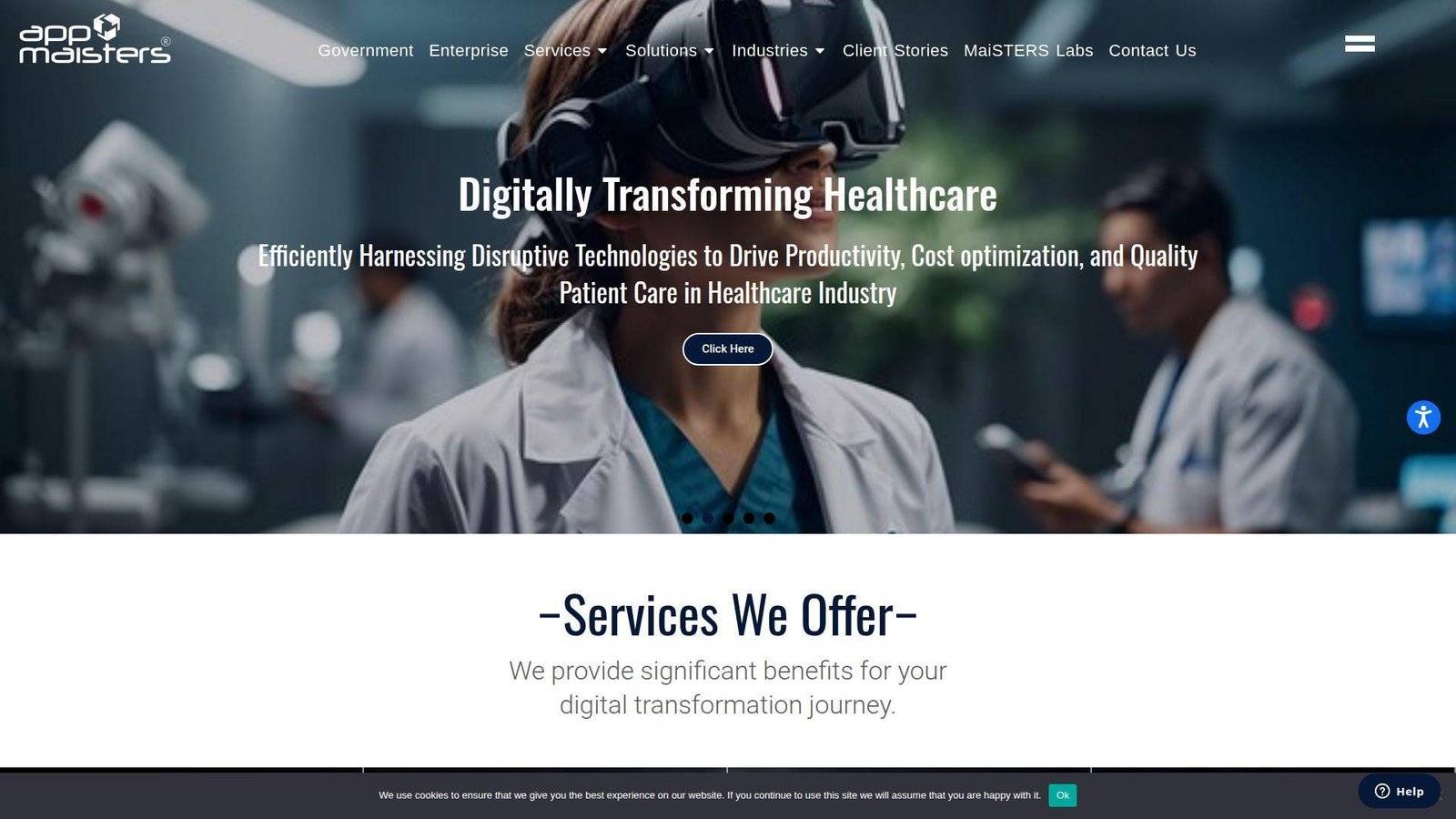
App Maisters is a smaller US-based firm with a more hands-on feel than the large transformation shops. Public profiles show a 2013 founding date, Sugar Land or Houston, Texas roots, and a team in the 10 to 50 range. Service scope includes Android and iOS apps, AI, blockchain, IoT, and enterprise software. We think this is a better fit for buyers who want direct access, quicker decision loops, and a boutique team that still talks comfortably about emerging tech.
- Ideal client size: Startups, SMBs, selected enterprise units, and some public-sector style work.
- Pricing and onboarding: Usually mid-market, with direct consultation and a practical project start.
- Check before hiring: Ask about bench depth, security review habits, QA capacity, and whether the team has current Android case studies beyond buzzword-heavy sales language.
8. Designli
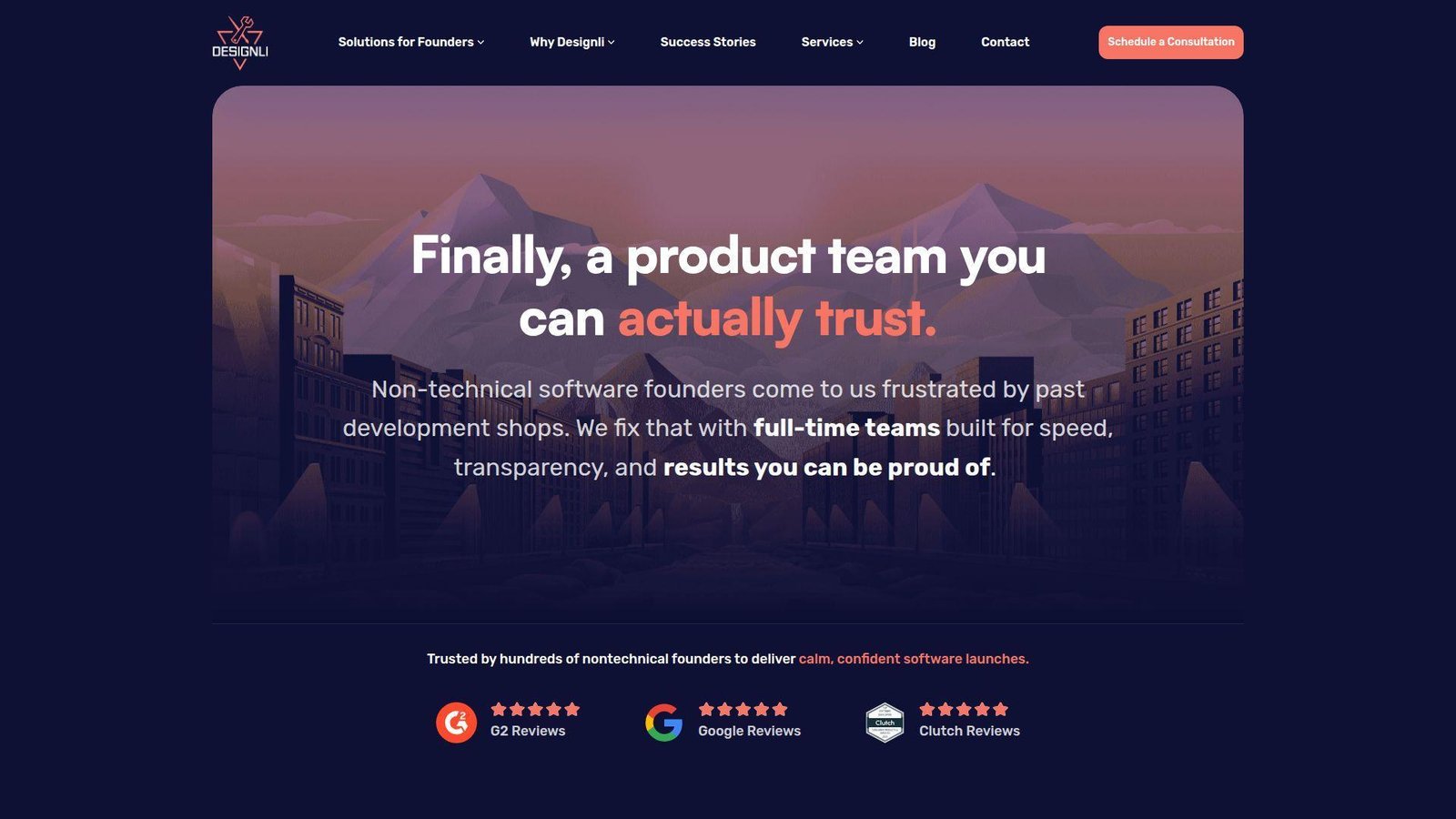
Designli is one of the clearest founder-facing options on this list. Public profiles show a 2012 founding date, Greenville, South Carolina headquarters, and a team of roughly 50 to 200 people. We see its sweet spot in product discovery, UX, prototypes, MVPs, and recovery work when a previous vendor made a mess. That positioning matters. Many early-stage buyers do not need the biggest team. They need a partner that can turn fuzzy ideas into a roadmap they can trust.
We would shortlist Designli for non-technical founders, SaaS ideas, and early product validation. Pricing tends to revolve around discovery and full-time product teams rather than the cheapest build quote. Communication is one of the strengths. Buyers should still ask what happens after the roadmap stage, who owns architecture in build mode, and whether native Android specialists step in when the product outgrows a lighter cross-platform approach. The risk is assuming great discovery automatically means deep platform engineering.
9. Chop Dawg
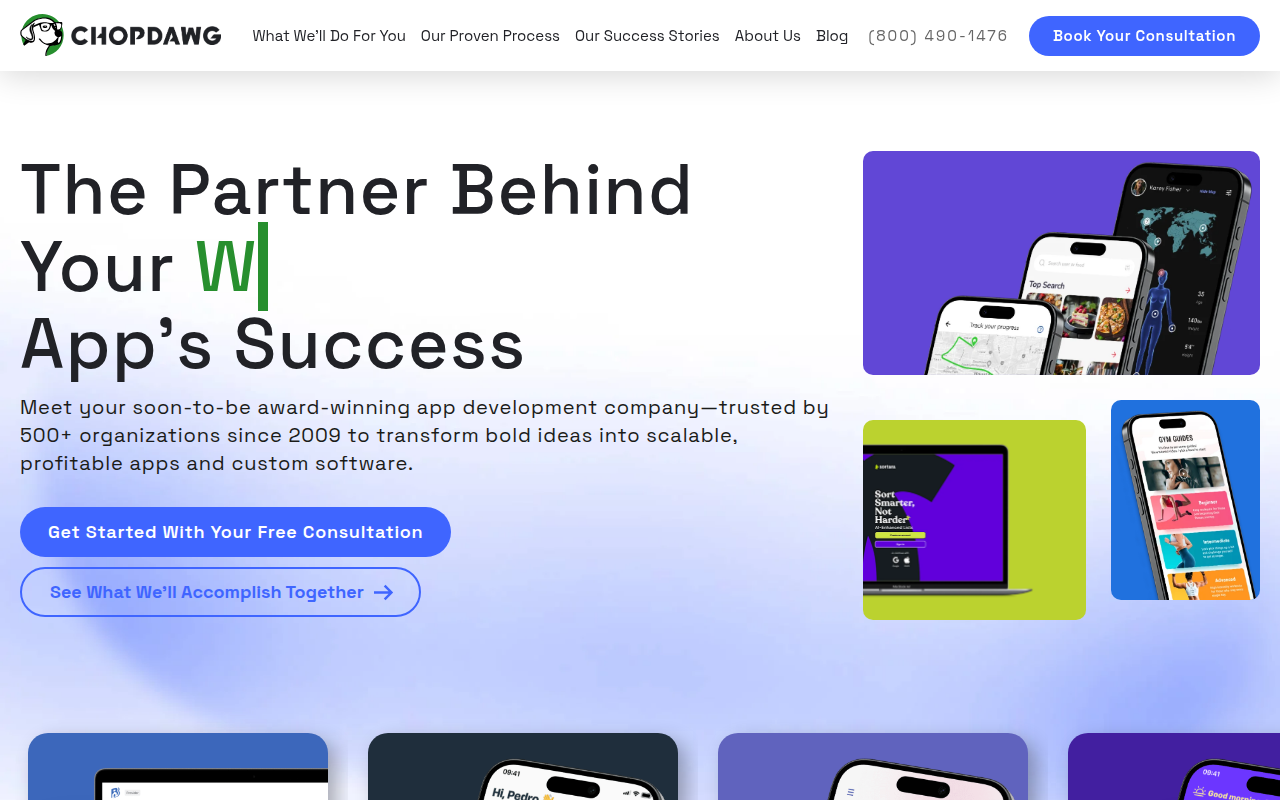
Chop Dawg has built a recognizable founder-friendly position over time. Public profiles show a 2009 founding date, headquarters in Philadelphia, and a team in the 10 to 50 range. Its portfolio language leans heavily into startups, nonprofits, government, and fast-moving product launches. We like that its messaging is specific about process, dedicated teams, weekly meetings, and fixed monthly pricing. That is useful for buyers who want less ambiguity in how the relationship will run.
We would look at Chop Dawg for product launches where communication quality matters almost as much as engineering. It also seems well positioned for organizations that want a partner to guide the early roadmap, not just write tickets. Still, ask for proof of depth in Android work that lasted beyond launch. A good-looking portfolio is not enough. The red flag is using a founder-friendly shop for a heavily integrated enterprise program without checking technical bench strength first.
10. Lounge Lizard
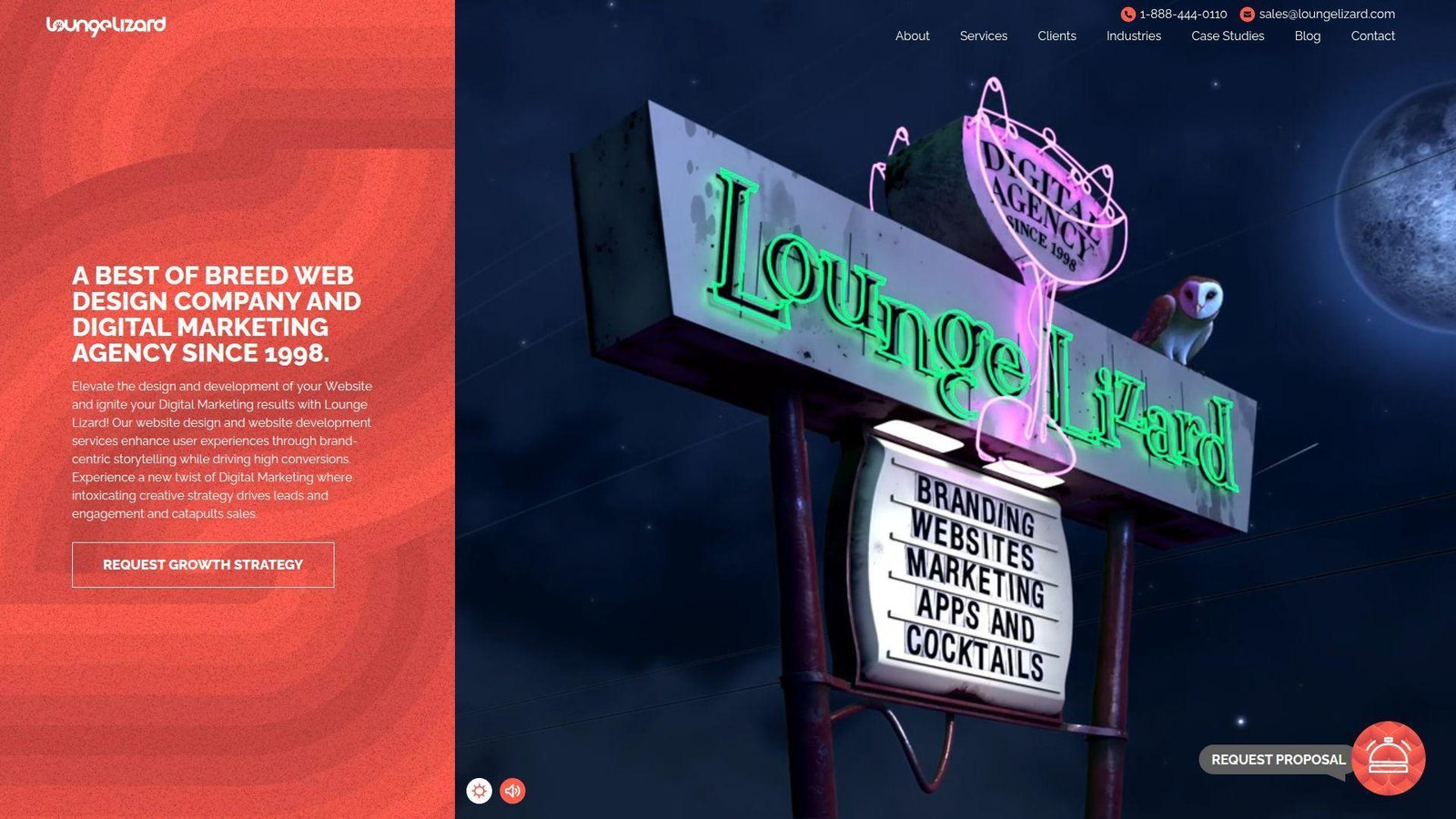
Lounge Lizard feels more like a brand-led digital agency that also does mobile work than a pure Android engineering house. Public profiles show a 1998 founding date, New York headquarters, and a team in the 10 to 50 range. Its core scope blends branding, web design and development, SEO, paid media, and mobile apps. We think that mix fits SMBs and brand-conscious companies that want design, marketing, and app work tied together in one engagement.
- Ideal client size: Small to mid-sized businesses that care about brand presentation and digital marketing.
- Pricing and onboarding: Usually mid-to-premium, with strategy and creative discovery up front.
- Check before hiring: Make sure mobile is central to your engagement, ask who leads Android engineering, and request examples where the app was more than a marketing add-on.
11. Algoworks
Algoworks is broader than a simple mobile studio. Public profiles show a 2006 founding date, Ramsey, New Jersey headquarters, and a team in roughly the 500 to 1,000 range. Its service scope spans AI, engineering services, experience transformation, mobile app development, Salesforce work, and DevOps. We think its strongest positioning is where the Android app is tied closely to business systems, internal workflows, or customer operations that cannot live in isolation.
That makes Algoworks attractive for mid-market and enterprise buyers with integration-heavy needs. Pricing will usually sit above smaller boutiques, but you also get a larger bench and wider capability set. Our caution is simple. If you only need a focused Android MVP, you may end up paying for more organization than you actually need. Ask what portion of the proposed team is mobile-specific, who owns product decisions, and how much of the value comes from adjacent enterprise services.
12. Softeq
Softeq is one of the stronger picks when the Android app is only one piece of a harder technical puzzle. Public profiles show a 1997 founding date, Houston headquarters, and a team in the 200 to 500 range, with wider global delivery behind it. The company’s scope covers innovation consulting, hardware, embedded systems, IoT, AI or ML, mobile, web, and AR or VR. We think this is where Softeq stands out. It can talk product, but it can also talk firmware, devices, sensors, and real engineering constraints.
We would shortlist Softeq for healthcare devices, industrial tools, automotive-adjacent products, and startups building hardware-connected software. Expect a more technical onboarding process and pricing that reflects the complexity. This is not the cheap route. It is also probably too much process for a simple promotional app. Ask how much of the proposed team is truly Android-focused, what test environments exist, and how they handle release support once the novelty of the build is gone.
13. TekRevol
TekRevol is a younger company than many of the names above, but it has clearly grown fast. Public materials describe it as US-headquartered, founded in 2018, and staffed by roughly 200 to 500 people, depending on which public profile you check. It started in mobile and now sells a wider digital transformation story across AI, software, web, cloud, and enterprise systems. We think that makes it relevant for buyers who want modern product language without hiring an old-school consulting firm.
- Ideal client size: Startups, growth companies, and mid-market firms that want a larger bench than a boutique shop can offer.
- Pricing and onboarding: Usually mid-market, with product workshops and solution framing at the start.
- Check before hiring: Ask for live Android work, not concept decks, clarify whether the quoted team is dedicated, and make sure the proposal does not lean too hard on marketing language.
14. TechAhead
TechAhead deserves attention when buyers want Android expertise tied to AI and enterprise systems, not just consumer app UI. Public profiles show a 2009 founding date, headquarters in Agoura Hills, California, and a team in the 200 to 500 range. Its service mix includes AI-native platforms, Android and iOS apps, enterprise systems, cloud work, and modernization. We see it as a good fit for funded startups, scale-ups, and enterprise groups that need the app to connect with serious backend logic.
TechAhead is also a useful reminder that modern Android work is often not just about screens. It is about data flows, model costs, governance, and long-term release discipline. Pricing is not likely to be bottom-of-market. Communication looks designed for US buyers with a wider delivery model behind the scenes. Ask which engineers are onshore versus offshore, request examples of production AI or enterprise releases, and make sure the post-launch support plan is as clear as the build plan.
15. Brainvire Infotech Inc.
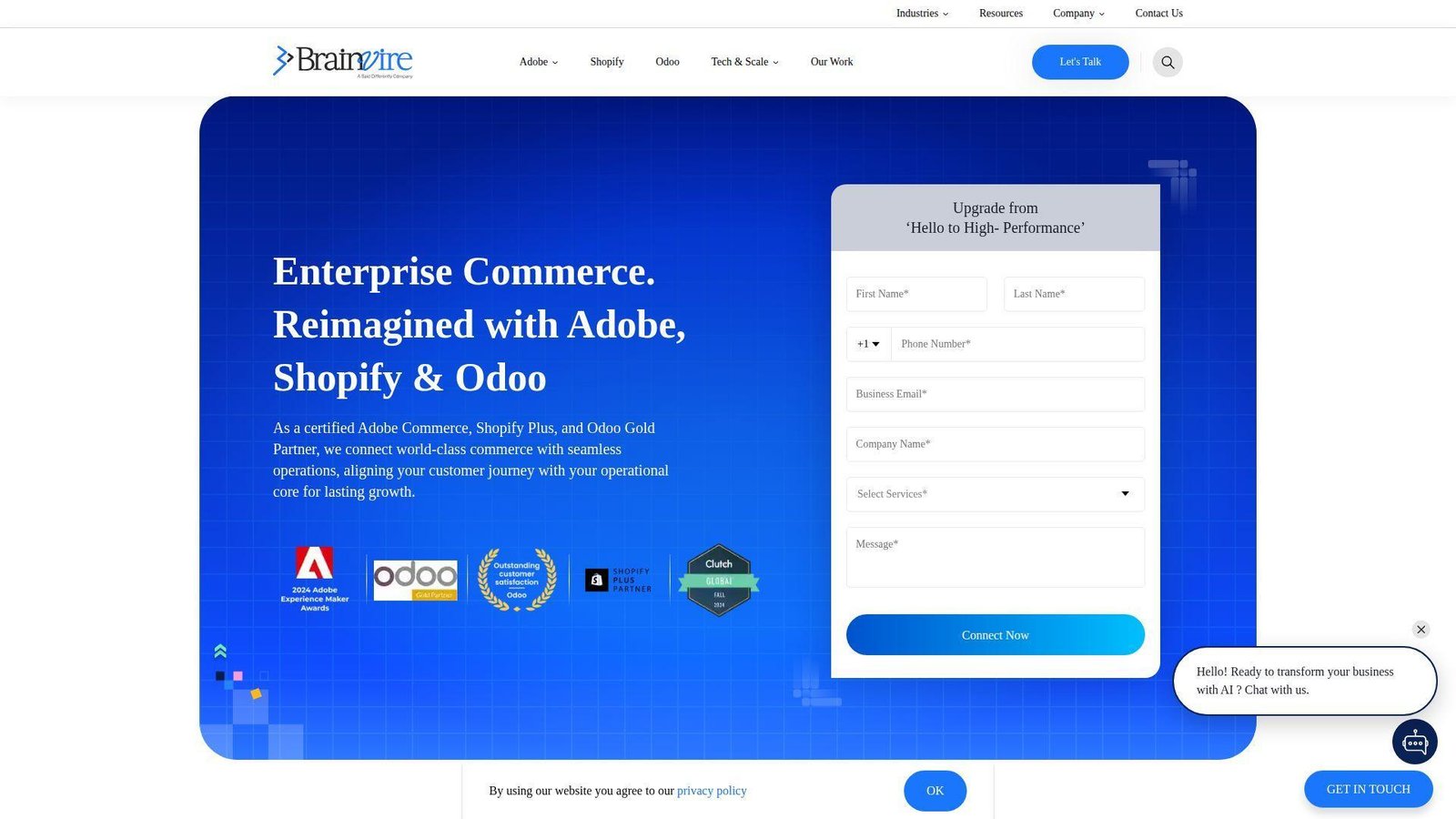
Brainvire is a large digital transformation company first and an Android vendor second. That is not a criticism. It is a buying signal. Public materials point to Irving, Texas operations, a multi-thousand-person global team, and more than a decade in market. Its service scope is wide, covering strategy, product and platform design, engineering, eCommerce, cloud, AI, and digital experience work. We would look at Brainvire when the app is part of a bigger operational or commercial change program.
The advantage is bench strength and range. The risk is dilution. Buyers need to know whether they are hiring a focused Android team or a broad organization where mobile is one spoke in a very large wheel. We would ask for specific Android-native work in the same industry, the names of the proposed engineering leads, and the exact communication cadence. Brainvire makes more sense for enterprise programs than for a lean startup looking for low-overhead iteration.
16. Fueled
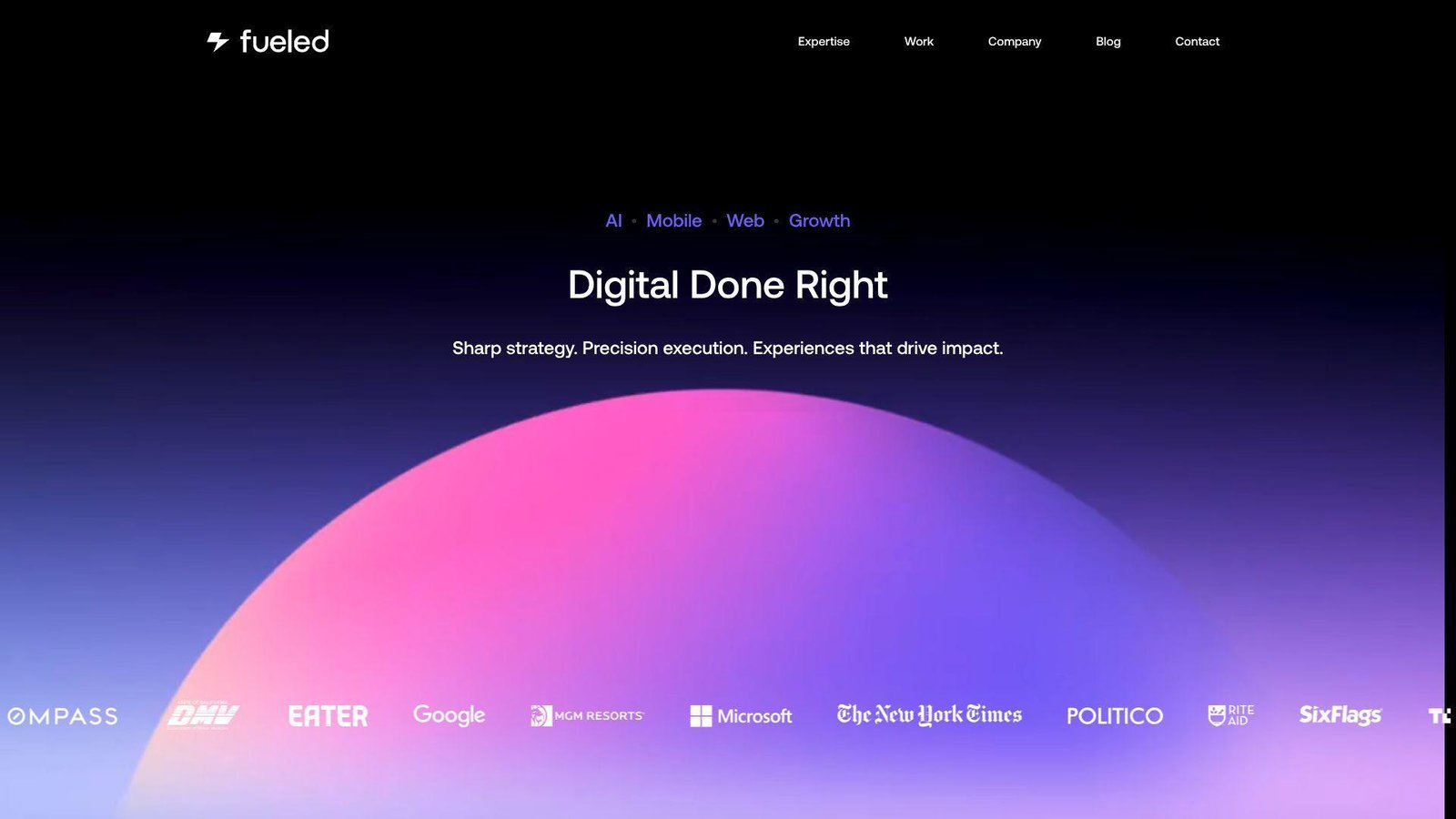
Fueled now sits in an interesting position. Public materials describe a 2007 founding date, a remote-first structure, and a team of more than 300 experts spread across strategy, design, engineering, and delivery. Its broader positioning is digital transformation, enterprise web and CMS work, AI, and digital product development. We think that means buyers should treat Fueled as a strategy-and-product partner, not just a coding shop.
- Ideal client size: Brands, institutions, and product teams that want higher-level thinking tied to execution.
- Pricing and onboarding: Usually premium, with strong front-end strategy and design discovery.
- Check before hiring: Ask which group will own Android work today, request recent mobile examples instead of older brand reputation alone, and confirm how remote collaboration, QA, and support are run in practice.
17. USM Business Systems
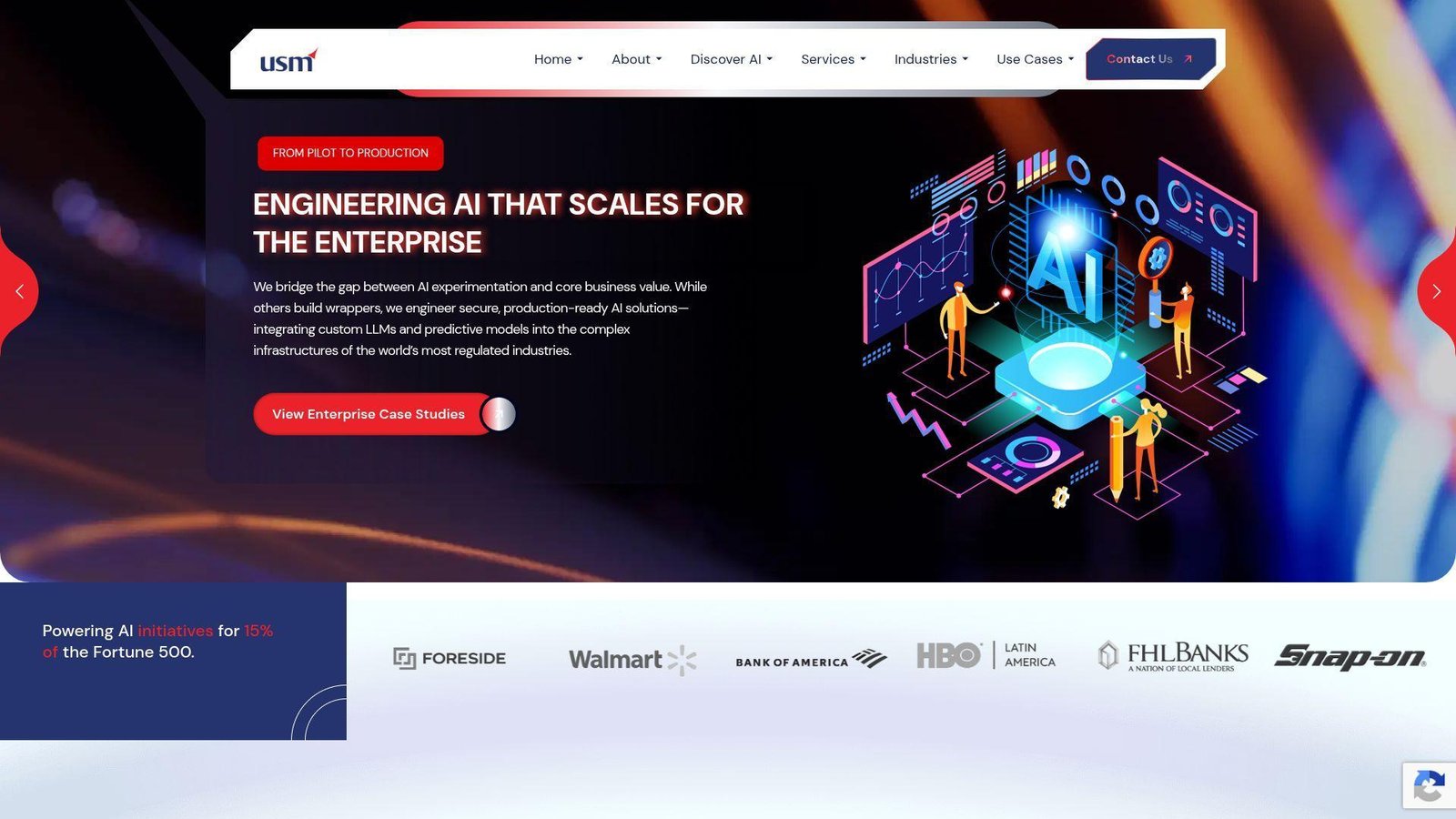
USM Business Systems looks strongest when the buyer needs an enterprise consulting and delivery partner, not just an app team. Public profiles describe a 1999-founded company with a large team in the 500 to 1,000-plus range operating across Virginia, Texas, India, and other locations. Its scope covers AI, automation, architecture, support, staffing, data, mobile, connected devices, and broader enterprise systems. We would view USM as an option for large organizations where Android is tied to operations, data, or workforce applications.
The trade-off is focus. Buyers should confirm whether the engagement is product delivery, staff augmentation, or a hybrid of both. That difference changes accountability. Pricing can be flexible depending on the model, but communication may feel more process-driven than at a boutique studio. We would ask who owns product management, how IP and repositories are handled, and whether the same team remains after launch. If the answers stay fuzzy, keep looking.
18. Quokka Labs
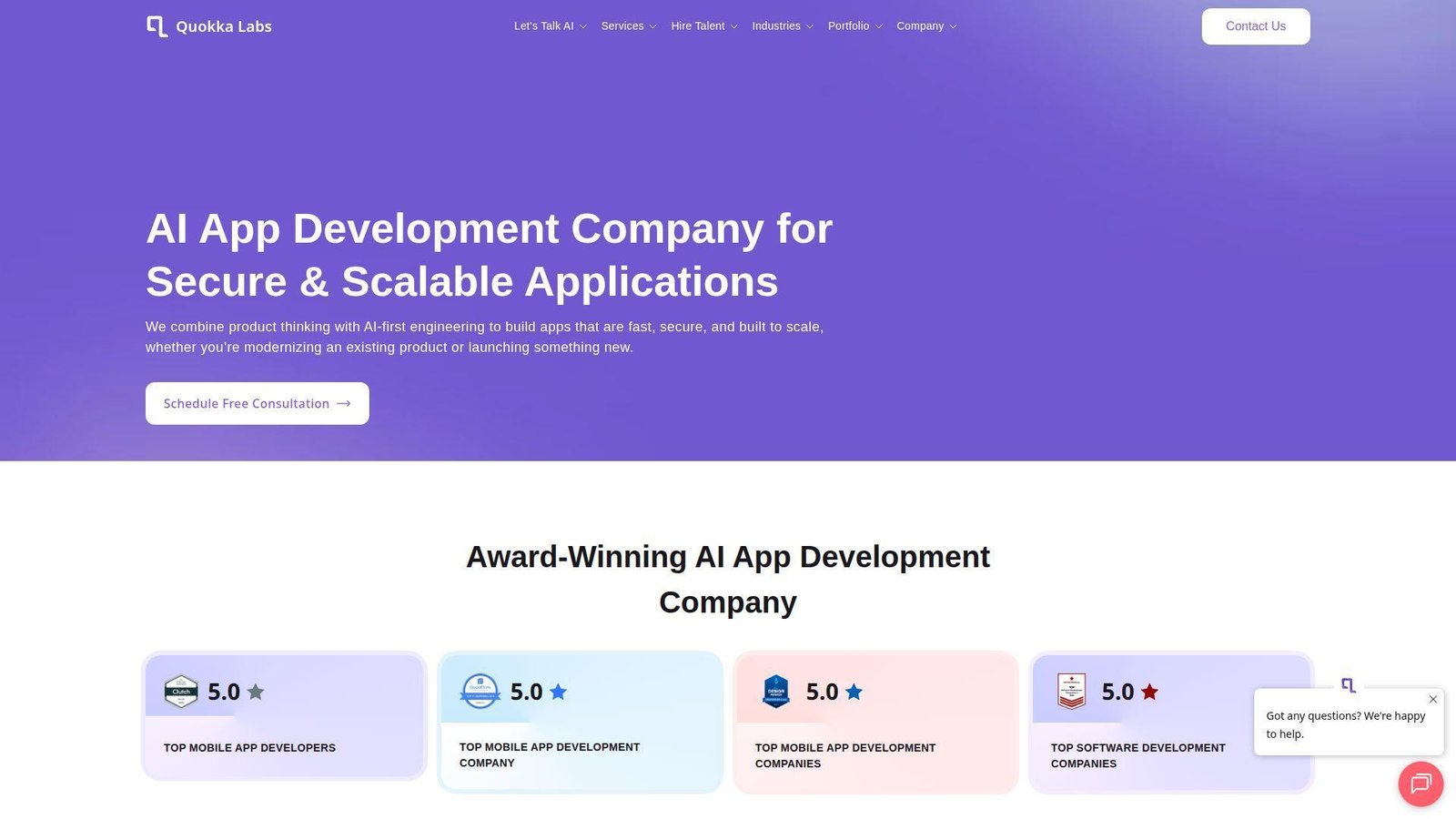
Quokka Labs feels like a product-oriented engineering partner rather than a large consulting layer. Public materials tie its roots to 2015, headquarters in Noida, India, and a team in the 50 to 200 range. Its service scope covers mobile, web, cloud, product consulting, and more recent AI-native positioning. We think that makes it attractive for startups and product teams that want agile collaboration, faster iteration, and a partner comfortable with modern product language.
That does not mean buyers should skip due diligence. We would still ask who the senior Android architect is, how much US-time overlap is available, and which devices are used in testing. Pricing is usually more accessible than premium US-only firms. The main red flag is assuming a product-friendly website equals deep Android discipline. Ask to see real release work, not just design-forward portfolio screenshots.
19. Orangesoft
Orangesoft is one of the cleaner specialist stories on this list. Public materials show a 2011 founding date, San Francisco positioning, a team of 100-plus people, and strong delivery roots in healthcare and fintech. Service scope covers full-cycle product development across mobile and web, with a product-led tone that we think will appeal to startups and growth-stage companies in regulated or trust-sensitive spaces. That specialization matters. Android teams that understand patient flows or financial UX often make better product calls earlier.
- Ideal client size: Startups, scale-ups, and innovation teams with serious product goals and some compliance pressure.
- Pricing and onboarding: Usually mid-to-premium, with consultative discovery and product framing.
- Check before hiring: Ask how compliance documentation is handled, what you receive from discovery, and how maintenance is priced once the first release is live.
20. Goji Labs
Goji Labs has a strong strategy-plus-execution story, especially for buyers who want help defining what to build before writing code. Public profiles show a 2014 founding date, headquarters in Los Angeles, and a team in the 50 to 200 range. Service scope covers product strategy, UI or UX, software development, and mobile apps. We see it as a good fit for startups, nonprofits, innovation teams, and organizations modernizing an older product that needs clearer direction before the build phase expands.
What we like is the emphasis on partnership and product thinking. What we would still verify is Android depth when the app needs deeper device behavior, offline logic, or highly native performance. Pricing is unlikely to be bargain-first. Onboarding will usually start with strategy and discovery. Ask how they decide between native and cross-platform, what post-launch support looks like, and how they define success beyond launch day.
Recommended reading: Top 20 IT Outsourcing Companies for Growth, Innovation, and Scale
How to Choose Among Android App Development Companies in USA
Most buyers get stuck because every agency claims end-to-end expertise. We narrow the field by looking for Android-specific proof, a believable review trail, and a delivery model that matches the company’s real budget and internal bandwidth.
1. What Strong Android Expertise Looks Like Beyond Generic Mobile Claims
A real Android team should be able to talk plainly about Kotlin, Jetpack Compose, background work, deep links, push notifications, offline sync, release management, and device testing. We do not need jargon for the sake of jargon. We do want proof that the team understands how Android behaves outside a polished demo. A warehouse scanning app, a field-service app, and a wellness content app all carry different Android risks.
We pay close attention to the questions an agency asks back. Strong teams ask about user roles, network conditions, older devices, app store release ownership, analytics events, and support expectations. Weak teams jump straight to screen counts and sprint velocity. If the proposal never mentions testing on lower-end devices, background failure handling, or how updates will be shipped, that is a warning sign.
2. How to Read Clutch Reviews, Case Studies, and Portfolios
A five-star review that says “great team” tells us almost nothing. A useful review mentions how the agency handled changing scope, bug fixing, missed assumptions, deadlines, and post-launch support. We read the middling reviews too. They often show how the vendor behaves when work gets messy, and Android projects always get messy at some point.
Case studies should also show more than before-and-after screens. We want to see the business problem, the technical constraints, the launch process, and what happened after release. Ask for live app links, not just portfolios. Better yet, ask what the last three Android releases looked like, who approved them, and what broke. That conversation is often more revealing than any landing page.
3. How Team Size, Industry Fit, and Budget Affect the Best Match
Bigger is not automatically better. Small and mid-sized studios usually move faster, give buyers more direct access to decision-makers, and create less process drag. Large agencies are better when you need parallel workstreams, stricter governance, bigger QA coverage, or multiple adjacent services like cloud, analytics, and integration support.
Industry fit can matter even more than size. A team that has shipped consumer subscription apps may still struggle with a healthcare intake flow, a logistics dispatch tool, or a retailer’s pricing logic. Budget shapes the shortlist too. If the money only supports a lean build, do not spend weeks interviewing enterprise agencies. On the other hand, if the Android app plugs into critical systems, the cheapest quote can become the most expensive mistake.
Recommended reading: Top 20 Product Development Companies: Complete Guide and Selection Criteria
US-Based Teams or Global Delivery Models
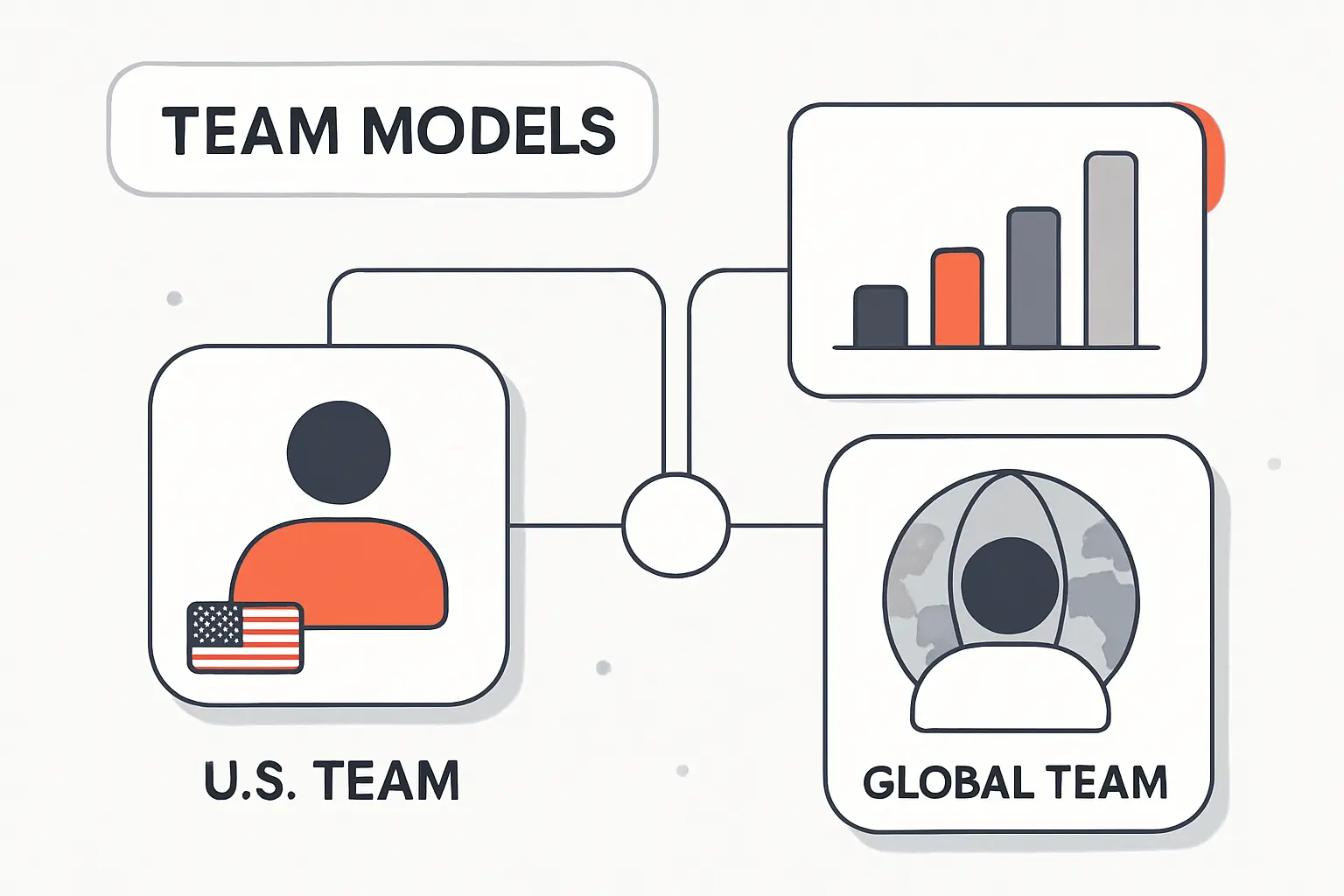
This choice changes cost, communication, and delivery risk more than many buyers expect. We do not think a US-only team is always better. We do think hidden delivery models cause problems fast.
1. When a Fully US-Based Team Is Worth the Higher Cost
A fully US-based team is worth the premium when discovery is messy, the buyer has many stakeholders, or the project sits in a regulated environment. The same is true when product decisions depend on fast conversations with operations, clinicians, sales leaders, or compliance staff. In those cases, proximity and time-zone alignment are not luxuries. They reduce rework.
We would also favor a US-based team when executive trust is fragile. If leadership wants frequent workshops, in-person sessions, or quick access to senior people, a domestic team can make that easier. The higher rate hurts less than months of misunderstanding. The point is not patriotism. The point is reducing communication loss where the cost of ambiguity is high.
2. When a Hybrid Delivery Model Makes More Sense
Hybrid delivery works well when the product direction is reasonably clear and the buyer can stay engaged as a strong product owner. It can also make sense when the goal is to stretch budget across more engineering time, broader QA coverage, or a longer maintenance runway. We see this model work best when the client side is organized and decision cycles are short.
The upside is obvious. You can often access more development capacity for the same budget. The catch is management discipline. A hybrid model needs named leads, clear overlap hours, strong written documentation, and a release process that does not depend on constant improvisation. If the vendor sells “global delivery” but cannot explain who writes, reviews, tests, and releases the Android code, that is a bad sign.
3. How to Ask Where the Actual Android Work Will Be Done
Ask this directly. Where will the Android engineers sit, and who will be on the project by name? Then keep going. Who owns architecture, who runs QA, who pushes releases, and who covers your time zone when a build fails? Buyers get into trouble when the sales team sounds local but the execution chain stays hidden until after the contract is signed.
We also recommend asking whether subcontractors are involved. That does not make a vendor bad, but it changes control. You want to know who will have repository access, who attends sprint reviews, and who stays after launch. If a vendor resists that level of clarity, move on. Honest agencies should be able to answer without drama.
Recommended reading: Top 20 React Native App Development Companies in India for 2026
Cost, Timelines, and Engagement Models
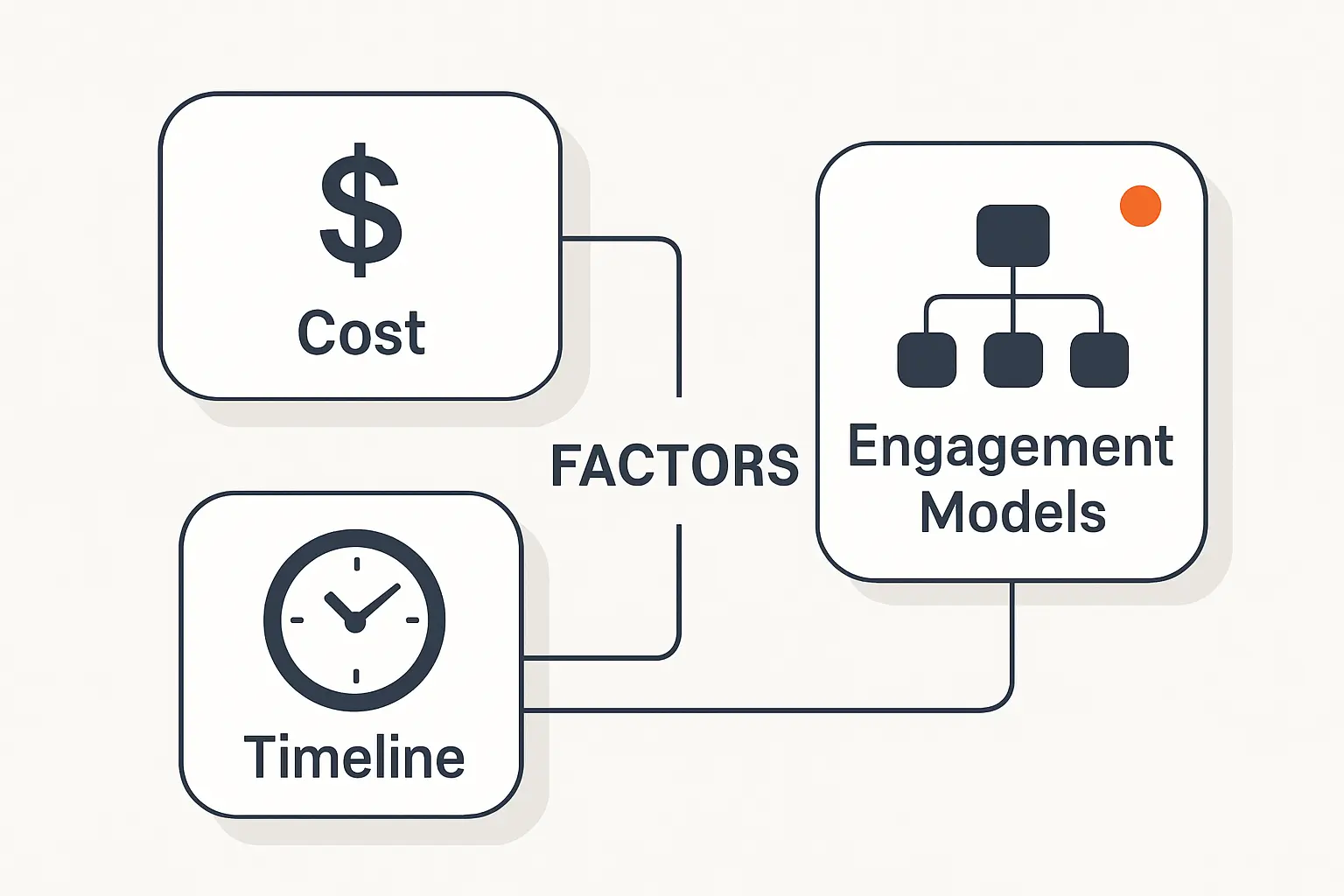
Price confusion is normal because agencies bundle discovery, design, engineering, QA, release work, and maintenance differently. We care less about the headline quote and more about what is actually included in the working scope.
1. What Small, Mid-Sized, and Complex Android Projects Usually Cost
As a market check, Clutch says reviewed app development work often begins around $25-$49/hour, though senior US-led Android teams can price above that once discovery, QA, DevOps, and product management are included.
In our experience, lean internal tools and narrow MVPs can stay in the tens of thousands with hybrid teams if scope is tight. A serious customer-facing Android product with custom design, backend work, and release support usually moves into a very different budget band. Enterprise apps with SSO, compliance, analytics, admin portals, and complex integrations climb again. Cheap quotes often leave out the pieces that make the app usable after day one.
2. Fixed-Price, Time-and-Materials, and Dedicated Team Trade-Offs
Fixed-price works best when the scope is stable and both sides agree on what “done” means. It is fine for discovery, prototypes, contained feature sets, or a narrow phase one. It becomes painful when buyers are still learning what users need. Then every important change turns into scope debate.
Time-and-materials is usually the safer choice for evolving products because it lets the roadmap move as new facts appear. A dedicated team works best when the product is not really a project at all, but an ongoing business asset with regular releases. Before signing, ask what roles are included, how changes are approved, how idle time is handled, and whether the vendor bills for project management separately.
3. What Expands Scope and Slows Delivery
For planning purposes, GoodFirms says custom software projects average 4.5 months, which is a reasonable benchmark for Android work with clear scope and manageable dependencies.
What usually breaks that timeline is not raw coding effort. It is role-based permissions, admin tooling, enterprise auth, third-party API instability, analytics changes, localization, design revisions, legal review, and slow approval loops on the client side. We tell buyers to budget time for the boring parts. Release notes, QA passes, app store assets, security reviews, and post-launch fixes all consume real effort.
Recommended reading: Top 20 Web Design Companies in Singapore: How to Choose and Custom Solutions
How to Compare Technical Fit and Long-Term Value
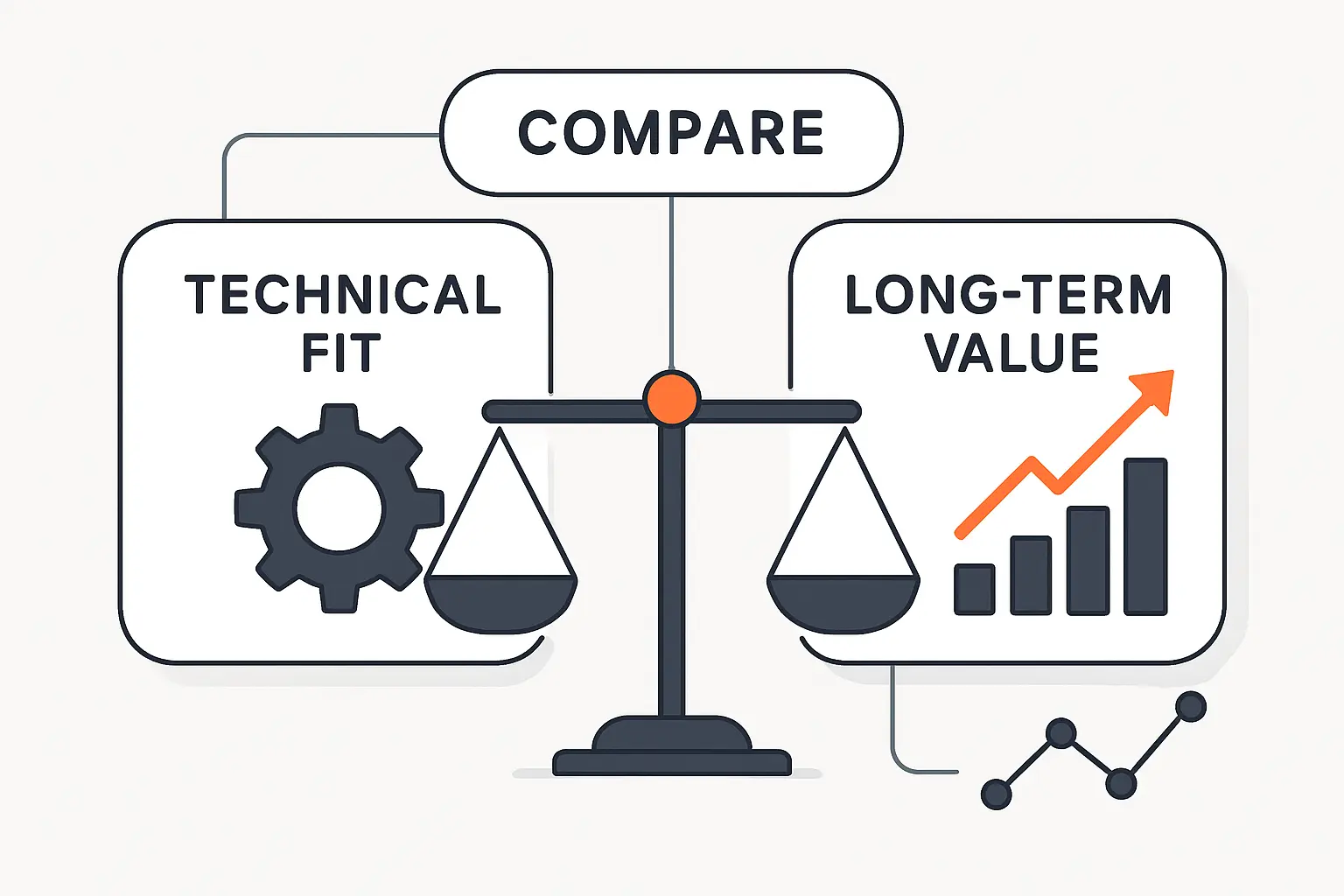
A cheaper build can cost more later if the architecture is wrong or the support terms are sloppy. This is where we pay attention to platform choice, testing depth, and the fine print after launch.
1. Native Android or Cross-Platform Development
When Android matters strategically, we still prefer native development. Android’s own guidance says we recommend starting with Kotlin, and that lines up with what we see in long-lived products that need cleaner maintenance and deeper platform behavior.
That does not mean cross-platform is wrong. It can be a smart call for simpler apps, parallel iOS launches, and feature sets built around forms, content, booking, and standard account flows. We lean native when the product depends on camera work, Bluetooth, wearables, widgets, background services, offline reliability, or a highly polished Android-specific experience. Buyers should ask vendors to justify the stack in business terms, not just developer preference.
2. Product Discovery, Design, and Testing Depth
Good agencies do not treat discovery as a paid delay tactic. They use it to reduce waste. We want to see workflow mapping, role definitions, risky assumptions, wireframes, and a release plan. If the app has multiple user types, complex permissions, or hard business rules, shallow discovery almost always shows up later as change requests and missed deadlines.
Testing depth matters just as much. Ask what devices are used, how low-network conditions are simulated, how regression testing works, and whether accessibility is reviewed before launch. We also like to ask where analytics planning happens. If the team cannot explain which events they will track and why, they are probably not thinking far enough past development.
3. Post-Launch Support, Security, IP Ownership, and NDAs
Post-launch support should include crash monitoring, dependency updates, Android OS compatibility checks, security patches, bug triage, release management, and a path for small enhancements. It should also state who owns the repositories, cloud accounts, Play Console access, design files, and deployment credentials. If those terms are vague, fix that before work begins.
We also push hard on IP assignment and NDA clarity. Buyers should know when code ownership transfers, how third-party libraries are documented, what happens to test environments, and how quickly urgent issues are handled. Trust can disappear very quickly after a security or privacy problem. That is why we prefer boring, explicit terms over friendly verbal assurances.
Best Fits by Project Type
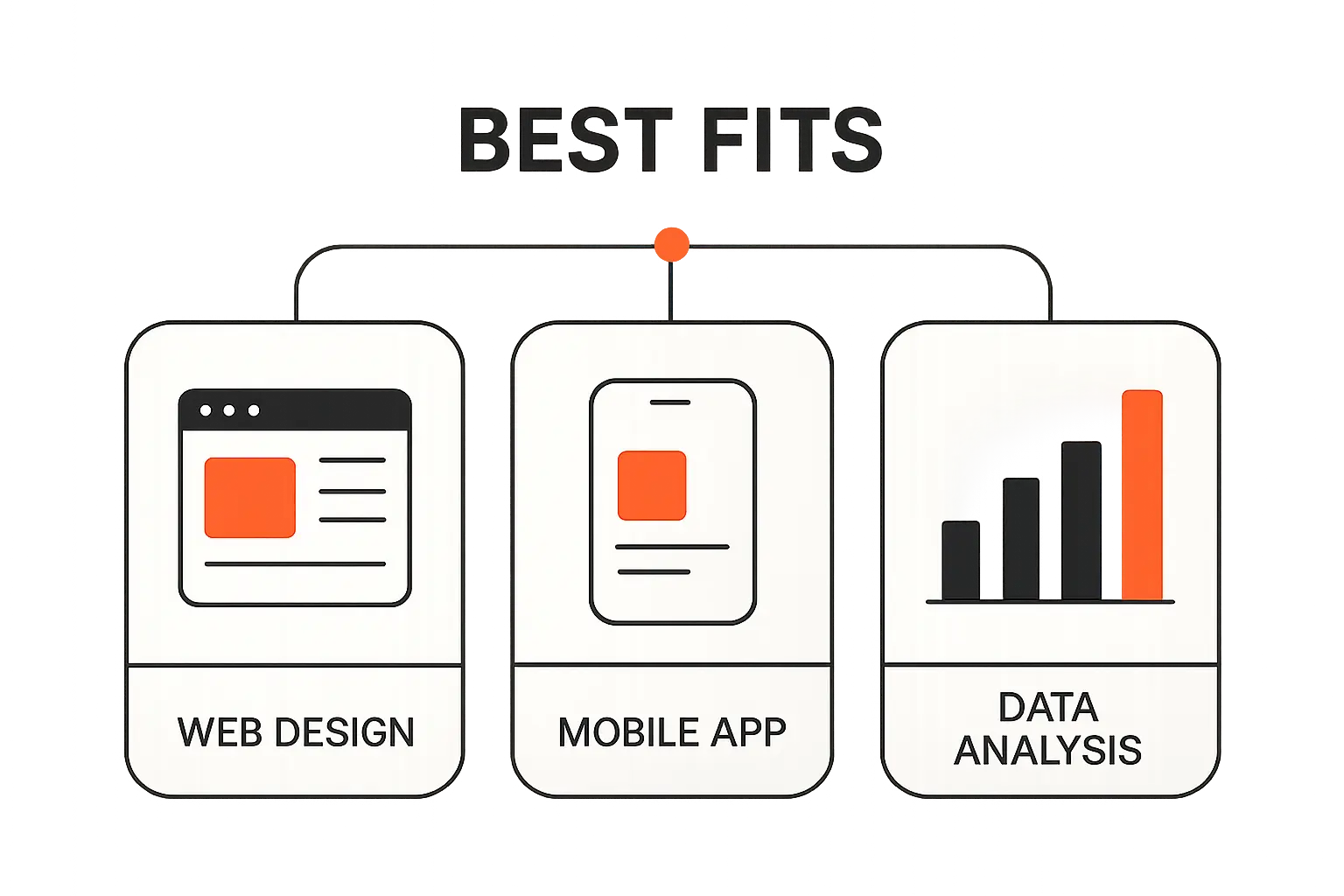
The right agency depends on the kind of Android product you are building. We would not use the same shortlist for a fast startup MVP and a hardware-linked enterprise app.
1. Best Fits for Startup MVPs and Fast Validation
For early validation, we would start with Designli, Chop Dawg, Goji Labs, TechTide Solutions, and sometimes App Maisters or Konstant Infosolutions, depending on budget and delivery preference. These companies make the most sense when the biggest risk is product uncertainty rather than enterprise governance. Buyers in this stage usually need sharper backlog decisions, cleaner communication, and a fast read on what the first version should include.
We would avoid overbuying here. If the core question is whether users want the product at all, enterprise process can be dead weight. What matters is discovery quality, scope control, and whether the agency can build a first release without turning it into a giant transformation program.
2. Best Fits for Enterprise Apps and Complex Integrations
For enterprise Android work, we would look first at WillowTree, Intellectsoft, Algoworks, Softeq, TechAhead, and Brainvire. USM Business Systems can also fit when the app sits inside a wider automation, staffing, or systems program. These vendors are better prepared for stakeholder complexity, legacy dependencies, multiple user groups, and governance that goes beyond pure product design.
The key here is not just app skill. It is coordination skill. Enterprise apps often fail because nobody owns integration, approval paths, or support boundaries. That is why we care so much about communication models and handoff rules when evaluating larger vendors.
3. Best Fits for AI, IoT, AR, and VR Products
This category matters more than it did even a year ago. McKinsey says 78 percent of respondents report AI use in at least one business function, so many Android apps now sit inside a broader AI, automation, or analytics program.
For these projects, we would start with Softeq, Zco, TechAhead, Brainvire, App Maisters, and in some cases TekRevol or Trango Tech. The right choice depends on whether the challenge is device integration, computer vision, hardware, enterprise AI rollout, or immersive UX. The acid test is simple. Can the vendor explain data pipelines, model costs, fallback behavior, and release monitoring in plain English? If not, the AI pitch is probably ahead of the delivery reality.
FAQ
These are the questions we hear most from founders, product owners, and operations teams after the first round of vendor calls.
1. How Much Does It Cost to Build an Android App in USA?
It depends on scope far more than buyers want it to. A lightweight MVP with few roles and limited backend work is a very different project from an enterprise app with admin tools, analytics, SSO, and compliance review. The safest approach is to compare quotes only after normalizing what is included. Discovery, QA, release work, and post-launch support often hide outside the headline number.
2. How Long Does Android App Development Usually Take?
A focused MVP can ship in a few months when decisions are fast and integrations are limited. A mid-sized custom app often takes longer because design iteration, backend work, QA, and release prep add up. Enterprise apps stretch further when approvals, migration work, security reviews, and third-party dependencies pile on. In most cases, slow decisions hurt the schedule more than coding does.
3. Which Tech Stack Makes the Most Sense for an Android App?
For Android-first products, our default is native Android with Kotlin and modern Android UI tooling. We shift toward cross-platform only when the feature set is simpler and the business case for shared delivery is strong. Backend choices depend on the data model, integrations, security needs, and internal team preferences. A good agency should be able to explain that trade-off without turning the answer into a religion.
4. How Do You Verify an Android App Development Company’s Credentials?
Ask for live app links, release history, client references, team resumes, security process notes, and real examples of post-launch support. Review platforms help, but direct evidence matters more. We also recommend asking what percentage of the work is done by employees versus subcontractors, who owns the Play Console releases, and what artifacts you receive at handoff.
5. Should You Hire a Boutique Studio or a Large Agency?
Boutique studios usually offer faster access to senior people and less process friction. Large agencies are stronger when you need multiple workstreams, broader QA, tighter governance, or adjacent services like data, cloud, and enterprise integration. We would choose based on stakeholder count, regulatory pressure, and how much the roadmap is still changing.
6. What Should Post-Launch Support and Maintenance Include?
At a minimum, it should cover crash monitoring, bug fixes, library updates, Android OS compatibility updates, release support, and a clear path for small enhancements. Stronger support plans also include analytics review, backlog grooming, security patches, and documented response times. If the contract treats maintenance like an afterthought, expect trouble later.
How TechTide Solutions Helps Businesses Build Custom Solutions
We know readers may compare us against the companies above, so we want to be plain about where we fit. We are strongest when the work calls for custom product thinking, cross-platform coordination between mobile and backend, and a delivery model that stays practical instead of bloated.
1. Custom Android Apps for Unique Business Workflows
We do our best work when the Android app is tied to real business operations. That might mean field inspections with photo evidence, delivery checkpoints with barcode scans, staff approvals, offline job records, client scheduling, or role-based workflows that cannot be faked with a no-code wrapper. We start by mapping the current process, the friction points, and the decisions users actually make on the device. That keeps the app useful instead of merely attractive.
2. End-to-End Product Development Across Mobile, Web, and Backend
Many Android projects break because mobile, admin web, and backend are split across too many vendors. We prefer to handle the full product path when that makes sense. That includes Android, backend APIs, admin dashboards, user roles, and QA across the whole workflow. The practical upside is simple. The mobile team does not have to guess how the backend behaves, and the backend team does not build blind to what users need on the device.
3. Flexible Delivery for MVPs, Modernization, and Long-Term Support
We can start with discovery, rescue a troubled build, modernize an older product, or support a long-term roadmap after release. We are also honest about fit. If a buyer needs a giant US-only on-site program every week, we may not be the first name we recommend. If the goal is a focused product partnership with direct communication, flexible delivery, and clear ownership across Android, web, and backend, we are very comfortable in that lane.
- Sources checked: [Add reviewed company websites, public profiles, and comparison notes here]
- Product documentation: [Add architecture notes, scope documents, and technical references here]
- Screenshots or test notes: [Add UI captures, QA observations, and device test notes here]
- Case studies or examples: [Add relevant project examples here]
- Hands-on testing notes, if available: [Add findings from direct product testing here]
Final Thoughts on Choosing the Right Android App Development Company in USA
If we were choosing today, we would match the shortlist to the project type before looking at agency prestige. Designli, Chop Dawg, Goji Labs, and TechTide Solutions make more sense for founder-led validation work. WillowTree, Intellectsoft, Algoworks, Softeq, TechAhead, and Brainvire are stronger candidates when the Android app sits inside a larger business or enterprise program.
The next smart move is simple. Build a one-page scorecard with scope, budget band, delivery preference, compliance needs, and maintenance expectations. Then ask every vendor the same questions and compare the answers side by side. What matters most for your app right now: faster validation, deeper Android engineering, or tighter stakeholder alignment?

