

We build game sites to win attention and drive play, not just look pretty. The business case is clear: global video games revenue is forecast to grow to $300 billion in 2029, which means the competition for discovery, conversion, and community will keep intensifying across web touchpoints.
Top 20 Services And Companies For Gaming Website Design

We build gaming sites the way studios plan content drops: tightly scoped, technically ambitious, and measured against real player behavior. In our experience at Techtide Solutions, “gaming website design” isn’t just visual polish—it’s orchestration. A modern game’s web stack coordinates storefronts and preorders, cross‑platform account systems, live ops announcements, patch notes, wikis, forums, streaming integrations, and WebGL/Unity/Unreal builds running in the browser. It also has to survive launch‑day traffic spikes, global latency quirks, heavy assets, and anti‑cheat sensitivity.
First, we’ve curated 20 platforms and companies for gaming web experiences. They span visual builders, headless CMSs, deployment, engines, and creative communities. Importantly, this is a practitioner’s perspective, not brochureware. Specifically, we cover what each option does best for games. Additionally, we note where projects stumble and how to choose for stage, team, audience.
Before diving in, align on a mental model. Games have a marketing surface: home, trailers, feature pages, press kits. Then, a community surface: forums, Discord/OAuth tie-ins, UGC, leaderboards. Finally, a commerce surface: preorders, editions and upsells, DLC add-ons, regional pricing. Any platform you pick must serve at least two of these well; otherwise you accumulate glue code and operational debt. With that rubric in mind, let’s explore the leaders—and how we slot them into shipping pipelines that blend art direction with technical reliability.
1. Webflow
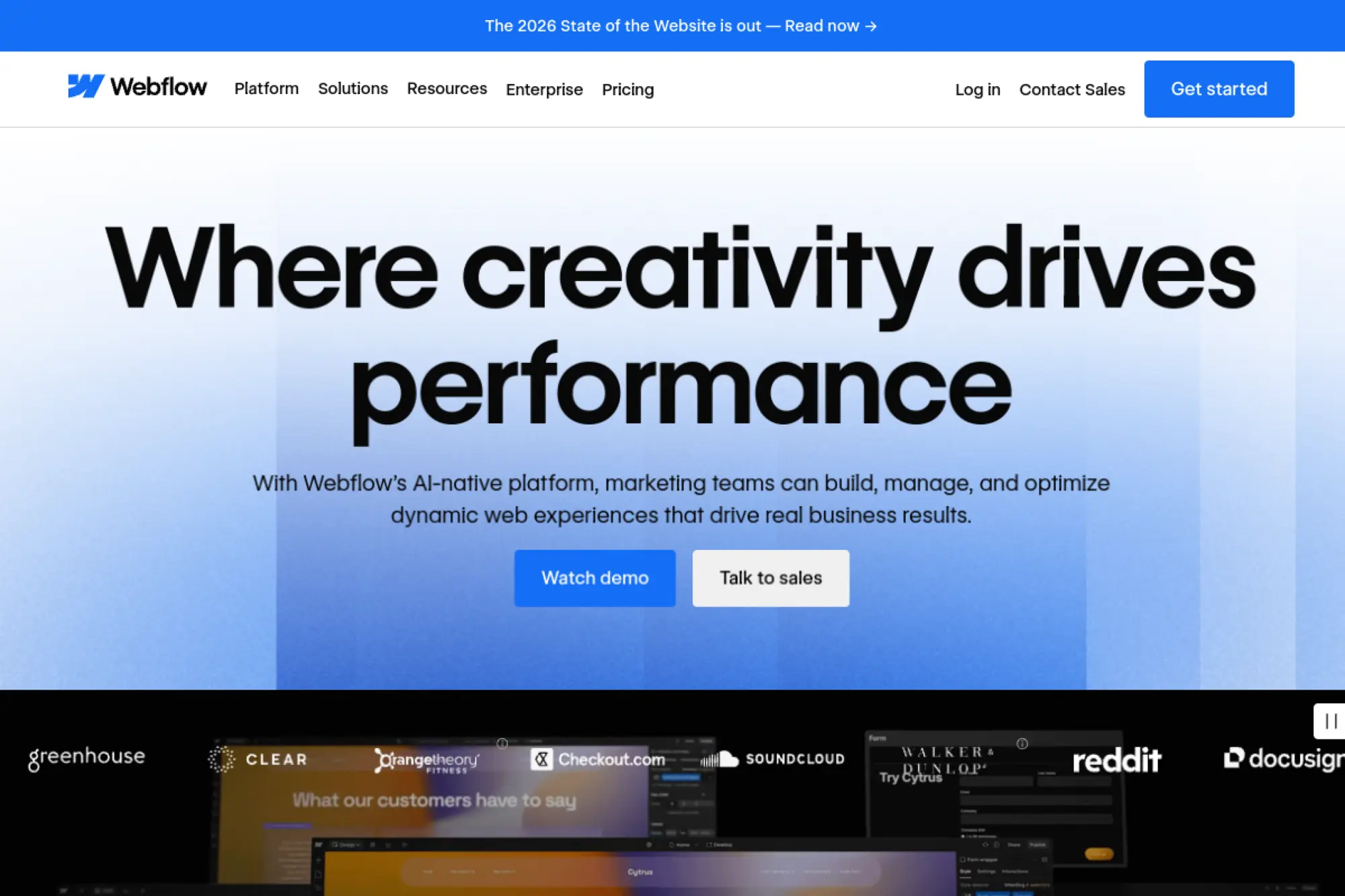
Webflow is a visual website builder and hosting platform used widely for campaign microsites and marketing sites across industries, including games. With roughly mid‑hundreds to low‑thousands employees and ~12 years in operation (founded 2013), it’s headquartered in San Francisco. We’ve found its native CSS grid, interactions, and reusable components particularly effective for trailer‑driven landing pages, seasonal event hubs, and collector’s edition promos where marketing teams need autonomy without sacrificing semantic markup.
On recognition, Webflow was ranked #50 in 2022 on the Forbes Cloud 100, an external validation of its trajectory within the cloud software ecosystem. That credibility matters when your site traffic and brand beats hinge on a third‑party platform.
In our projects, Webflow shines when a publisher’s brand team wants cinematic motion but also editorial velocity. We’ve ported teaser hubs to Webflow with Lottie-driven micro-interactions for controller and ability showcases. To keep Core Web Vitals green, we offload video to a CDN and defer heavy assets behind intent triggers. Moreover, there are public stories of enterprise .com builds on Webflow, and we’ve seen similar results. Specifically, limited-code marketing ops can move fast while still respecting performance budgets.
Ideal fit: AA–AAA publishers or indie studios needing a design-accurate marketing site with in-house authorship and tight brand control. Additionally, they want rapid iteration on Roadmap, Patch Notes, and In The Press sections. Engagements work best when engineering treats Webflow as the marketing layer in a composable stack. Crucially, it should not be the source of truth for player data.
2. Shopify

Shopify is an e‑commerce platform with strong payments, checkout, and app ecosystem support, founded in 2006 and headquartered in Ottawa. Headcount shifts with product focus, but Shopify remains battle-tested for game merch and deluxe editions. It handles soundtrack vinyl and cross-sell bundles reliably. For games, its strength is converting promo beats into purchases across web, mobile, and social.
We pair Shopify with a headless CMS and a static front end for drops and preorders. Webhooks sync inventory to regional storefronts and prevent oversells during influencer spikes. Hydrogen and Oxygen power immersive PDPs with 360° viewers for collector items. Meanwhile, metafields track edition perks and DLC codes routed to a fulfillment microservice. For A/B tests, we run them server-side on bundles and copy. For traffic spikes, we use caching that enables fast Add to Cart without stale inventory.
Ideal fit: studios and publishers of any scale selling physical or digital goods with complex variants. Accommodates tiered editions and regional tax or VAT requirements. It also suits merch collaborations tied to in-game seasons, like streetwear and artist drops. Plan early for fulfillment and fraud screening on high-heat launches.
3. TechTide Solutions

We’re a software development company focused on high‑performance web experiences, immersive front‑ends, and integrations for games and interactive entertainment. We operate as a distributed, senior team with a product mindset, seasoned across multiple console cycles. Our center of gravity is reliability under load. Launch trailers, preorder spikes, and patch-note surges should not take your site down. Observability should explain why traffic converted—or didn’t—in the first 24 hours.
Services we bring include headless architecture (CMS + commerce + auth), Netlify/Vercel CI/CD with edge middleware, WebGL/Canvas feature pages, and workflow bridges from marketing to live ops. On client work, we only name names when a public case study exists; otherwise we describe patterns: OAuth with platform IDs for entitlement-based preorders; damage-type calculators via serverless; content models that let community teams publish tournament posts without pinging engineering.
Ideal fit: publishers and indie studios that want a single accountable partner across UX, front-end performance, and backend integration, with a bias for measurable outcomes—conversion, wishlist adds, Discord joins. We’re at our best when we’re in the room early, shaping the stack around the rhythms of your content calendar and the realities of your team’s bandwidth.
4. WordPress
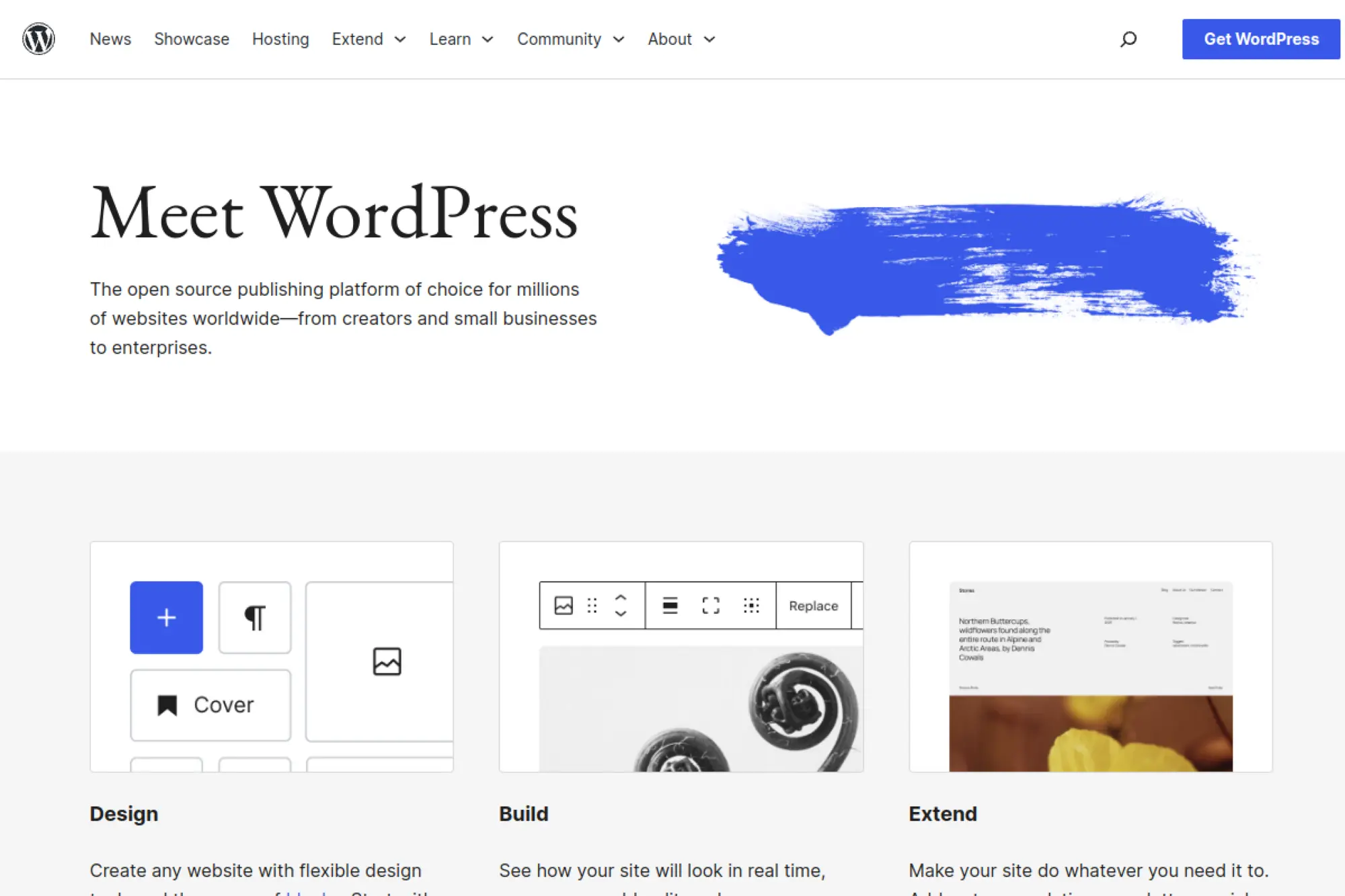
WordPress, the open‑source CMS started in 2003, is stewarded by a global community rather than a single corporate HQ or payroll. That’s exactly why it persists in games: teams can host it anywhere, theme it as little or as much as they like, and swap components (search, comment systems, login) without lock‑in. We reach for WordPress when editorial velocity and SEO matter—think patch notes, developer diaries, lore entries, and press hubs with structured data that syndicates cleanly.
On services and proof, the ecosystem is overflowing with public examples across media and publishing; in games, we’ve built WordPress as the content backbone behind headless front ends so community managers can schedule posts while engineers iterate on front‑end effects. Custom post types handle DLC pages and seasonal events, while taxonomies keep wikis navigable. We also leverage WP‑CLI for multi‑region deployments and cache‑warming strategies so the first reader never feels a cold start.
Ideal fit: studios with content teams that want ownership and portability, internal plugins for moderation or localization, and strong SEO ambitions. Use it headless if you’re sensitive to performance budgets but want familiar admin; use it classic if you prize maintainability and a simpler mental model.
5. WooCommerce
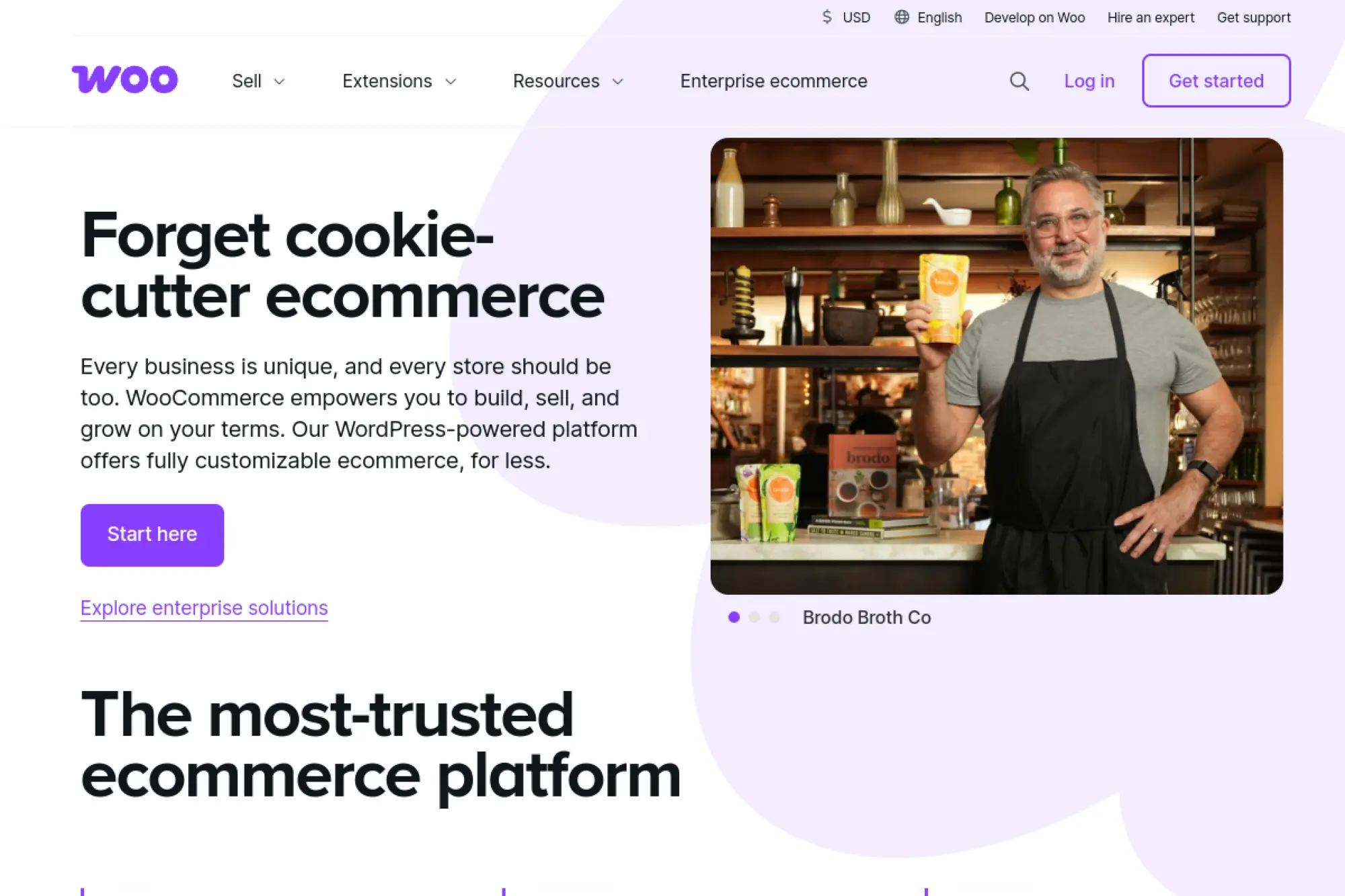
WooCommerce is the e‑commerce layer most WordPress teams pick, created in 2011 and developed by a distributed team inside the Automattic universe. It inherits WordPress’s strengths—openness, plugin variety, and hosting flexibility—and gives game teams a way to sell merch, keys, and event tickets without leaving their CMS. For mid‑market studios, not having to wrangle yet another admin panel is a relief.
We often bolt WooCommerce onto a content‑heavy site where dev diaries, press kits, and update posts far outnumber product SKUs. We’ve built edition selectors that apply dynamic pricing based on user role (e.g., influencer partners), and we’ve integrated license key generation for indie bundles. Paired with a headless front end, WooCommerce can scale—provided you respect caching layers and offload media.
Ideal fit: content‑first teams who want commerce without context switching, simpler catalogs (merch, digital keys), and the freedom to host anywhere. It’s strongest when business logic is modest and the site’s heart is editorial/community, not a complex B2C retail operation.
6. Wix Studio

Wix Studio is Wix’s professional builder aimed at agencies and advanced teams. As a company has been around since 2006 with headquarters in Tel Aviv; Wix Studio layers collaborative workflows and performance tooling on top of the familiar drag‑and‑drop ethos. We find it useful for promo sites, portfolio pages for studios, and one‑off event microsites where speed to market is everything and the in‑house team appreciates a visual editor with guardrails.
On projects, Wix Studio works when the brief is narrow and the content governance is simple. We’ve delivered event landing pages with schedule components and embedded Twitch streams, and we’ve tuned image delivery with breakpoints and AVIF to keep time‑to‑interactive crisp even when the hero block is cinematic. Custom code via Velo is handy for lightweight forms and CRM pings, but we avoid deep logic there that you’ll later want to port.
Ideal fit: small to mid‑size teams with strong brand direction and the need for rapid iteration by non‑developers, especially around conferences, showcases, or recruitment drives. Less ideal if you anticipate complex commerce, entitlement logic, or multiplayer web features that need bespoke backends.
7. Netlify

Netlify is a modern web deployment platform that helped popularize the Jamstack pattern: prebuilt assets, CDN edge, and API‑driven dynamism. Founded in 2014, headquartered in San Francisco, and employing a few hundred people, Netlify is our go‑to when we need predictable CI/CD, atomic deploys, and edge functions for global audiences—e.g., language redirects, ESRB/PEGI gating, or region‑based store links for console marketplaces.
On recognition, Netlify was ranked #98 in 2022 on the Forbes Cloud 100, which reinforces enterprise confidence when we recommend it for high‑visibility launches.
We’ve used Netlify for seasonal sites with traffic that moves like a boss fight—short, punishing spikes. Atomic deploys ensure rollback is instant if a marketing typo or embed breaks a layout at T‑0. Functions are excellent for “light server” needs such as giveaway signups, whereas background tasks can process UGC moderation queues. When we pair Netlify with DatoCMS or Craft, the authoring to publishing path is clear even for non‑technical teams.
Ideal fit: studios and publishers that value developer ergonomics, rollback safety, and edge‑side personalization without managing Kubernetes. If your content cadence is frequent and your team wants preview URLs for every change, Netlify makes shipping feel like playtesting.
8. Vercel
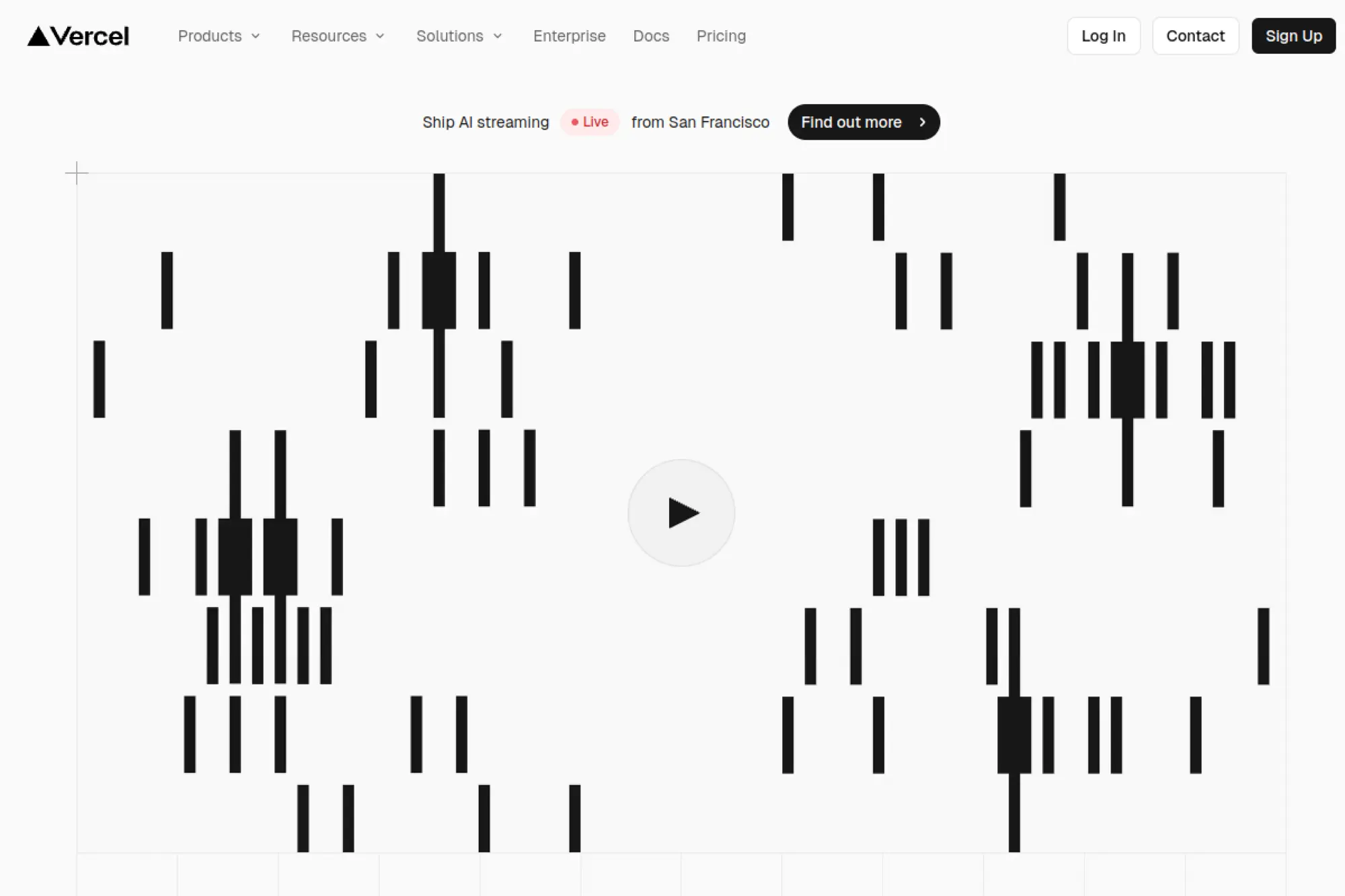
Vercel is a front‑end cloud for Next.js and other frameworks, founded in 2015 with headquarters in San Francisco. It’s become a staple in our stack when we need ISR (incremental static regeneration), server components, and edge middleware that help us blend static speed with dynamic personalization—think feature‑flagged hero units for different regions, or live leaderboards with streaming updates that don’t punish TTFB.
Among third‑party accolades, Vercel was named in Power Partner Awards 2023, which, while not specific to gaming, reflects how it’s become a reliable partner to product teams building on the modern web.
In practice, we’ve deployed campaign sites where the CMS (Prismic or DatoCMS) triggers Next.js rebuilds for high‑traffic pages while gameplay blogs render server‑side with caching. Vercel’s edge config helps us A/B test preorders by region and platform (Steam, Xbox, PlayStation) and route instantly to the right marketplace. We also like its image optimization pipeline for dense character art and skin previews.
Ideal fit: teams with React expertise that want first‑class DX and global performance without provisioning infrastructure. Vercel really sings when your site mixes static marketing content and dynamic, personalized modules—season calendars, patch timelines, or progression trackers.
9. Readymag
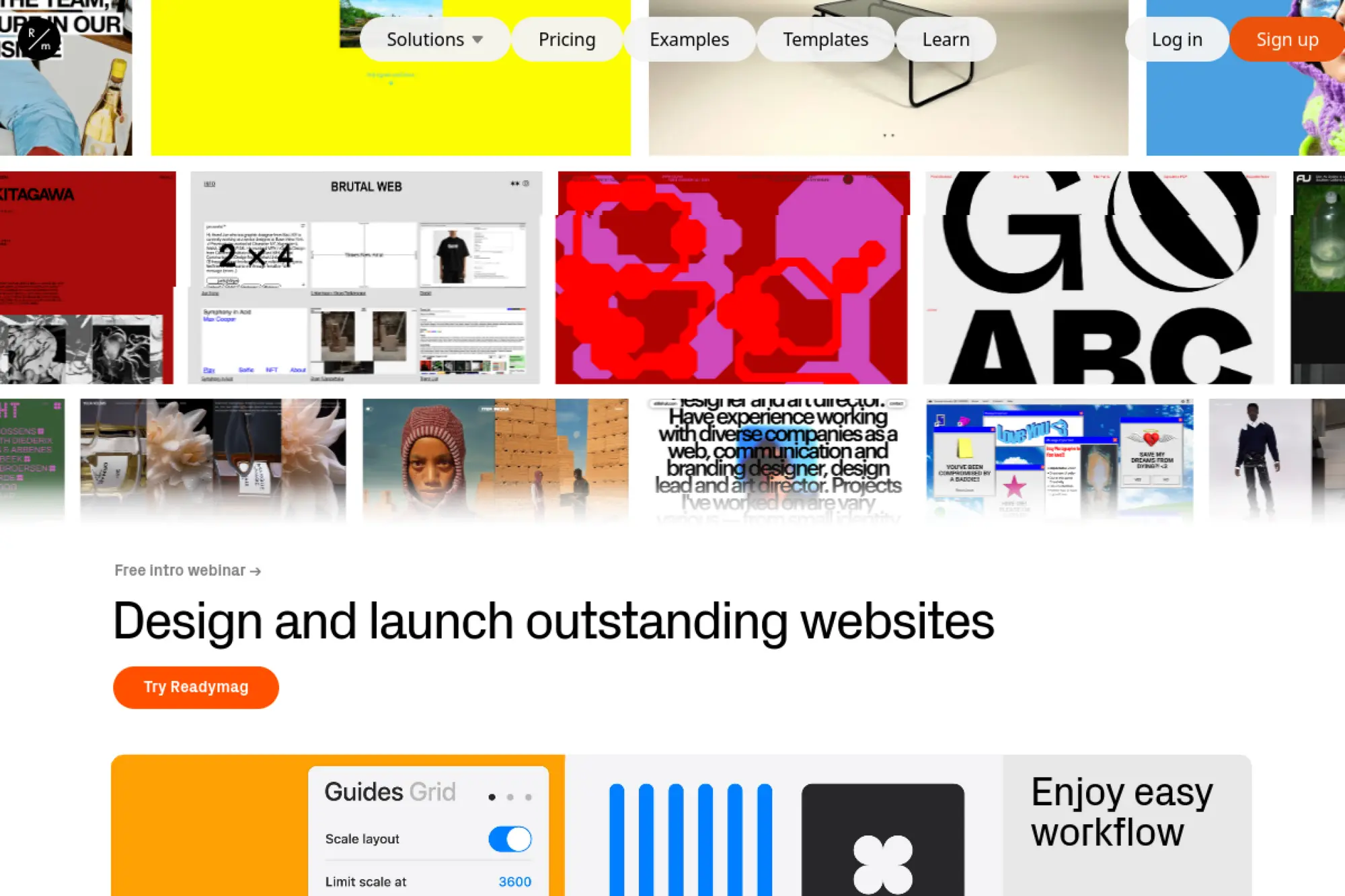
Readymag is a browser‑based design tool and site builder founded in 2012 and headquartered in New York. Compared with template‑driven builders, Readymag favors free‑layout editorial design and advanced typography. For games, that makes it a secret weapon for interactive long‑reads—worldbuilding dossiers, art books in the browser, or behind‑the‑scenes breakdowns where tight type control and animation are part of the storytelling.
For recognition, Readymag’s editorial “The Faces Behind Typefaces” received a Red Dot Award 2023, a design‑industry nod that tracks with what we see: its strengths are visual and editorial, not just CMS plumbing.
We’ve used Readymag for lore pieces and studio profiles that needed bespoke layouts and subtle scroll‑tied motion, then embedded those pages into a broader site. It’s not our pick for heavy commerce or complex search, but as a companion to a headless stack it elevates brand storytelling with a level of typographic nuance that most builders don’t touch.
Ideal fit: art‑forward studios and indie teams who want expressive editorial features to complement their main site and social channels. It’s perfect when you want to make players feel the world—before they even click “Download.”
10. Tilda
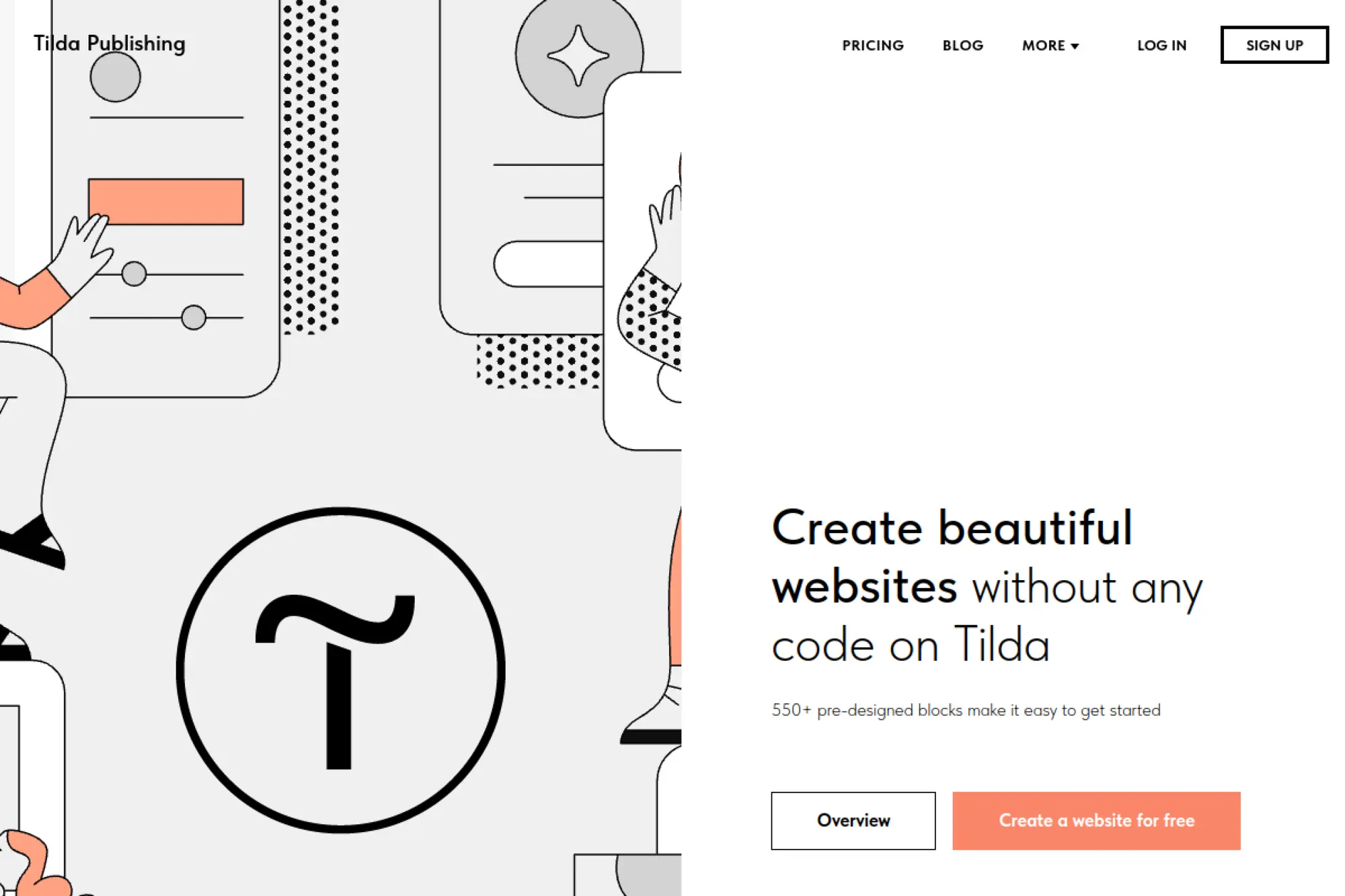
Tilda is a Russian‑born, globally used visual builder known for its block library and Zero Block for free layouts. It’s been around since the mid‑2010s, with a distributed team and a strong following among designers who want crisp, responsive storytelling without a React build chain. We’ve found it handy for limited‑scope pages—press kits, playable teasers, or single‑scroll season updates.
On projects, Tilda’s strength is speed: a designer can lay out an elegant, on‑brand page with animations and systematized spacing. For game campaigns, we sometimes augment with a lightweight form backend and analytics events to capture wishlist clicks by platform. We’re careful to compress art and lazy‑load carousels—Tilda can carry visual weight, but only if you respect performance budgets.
Ideal fit: small teams and solo creators who want crafted pages without standing up a full dev pipeline. Less ideal for complex content models or storefront logic; use it as the visual tip of the spear, not the entire tech stack.
11. DatoCMS
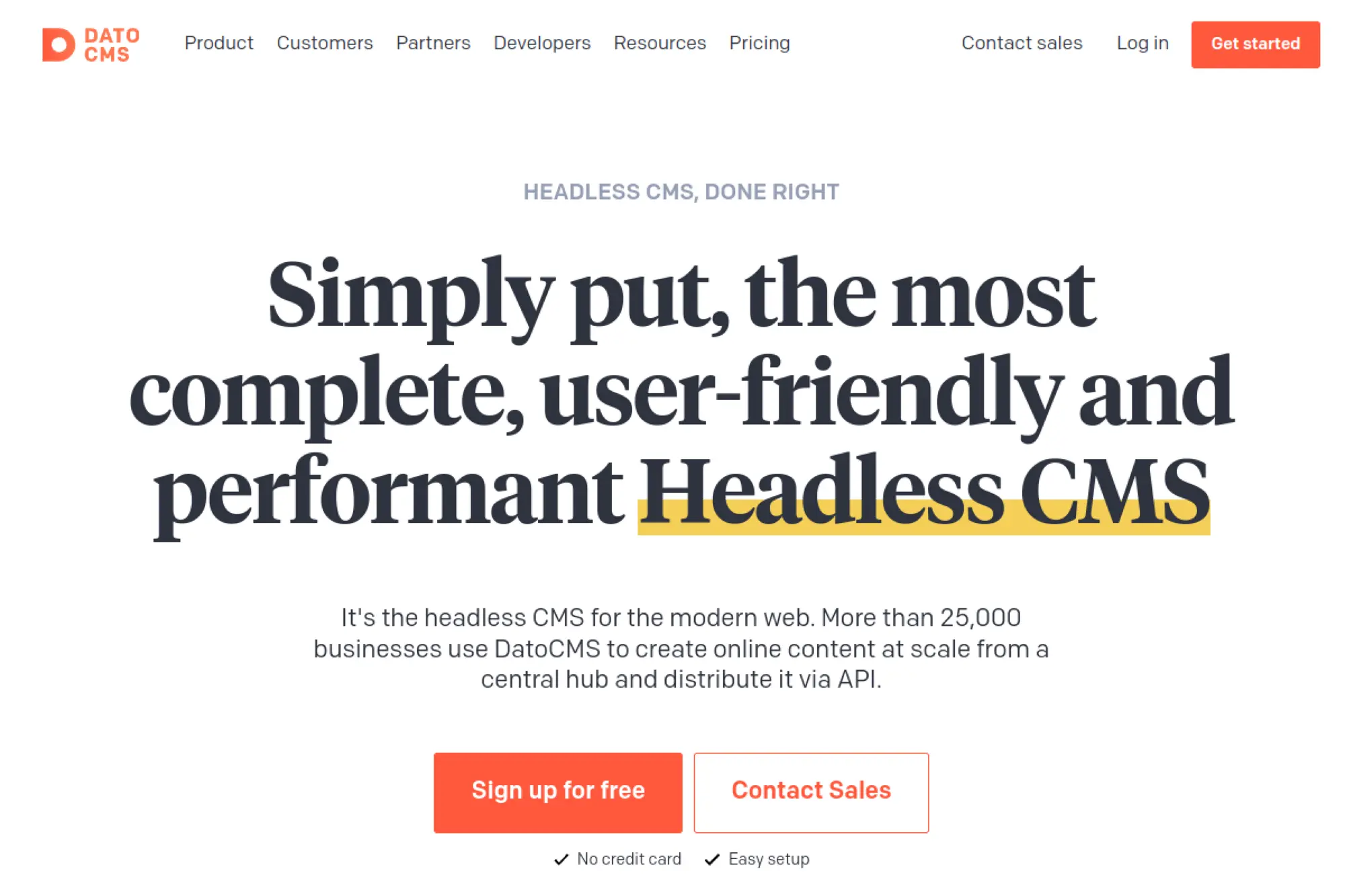
DatoCMS is a headless CMS with a developer‑friendly GraphQL API, founded in the mid‑2010s and based in Europe (operating globally). It’s lean, reliable, and cost‑predictable—three reasons we’ve deployed it behind game marketing sites and live ops blogs. Its modular blocks approach maps neatly to the way games communicate: a “patch note” is really a composition of snippet types—new feature, balance change, bug fix—each with different rendering.
We’ve integrated DatoCMS with Netlify/Vercel pipelines so community managers can schedule posts that trigger build hooks only for affected pages. The media API is clean, and its roles/permissions model lets PR, community, and localization teams collaborate without stepping on each other. For dynamic needs, we’ll cache at the edge and use webhooks to invalidate selectively, so “Breaking News” renders immediately without a full rebuild.
Ideal fit: studios that want a small, focused headless CMS powering a componentized front end, with predictable pricing and minimal admin overhead. It’s particularly effective when you need multi‑language content and well‑structured editorial workflows without enterprise bloat.
12. Prismic
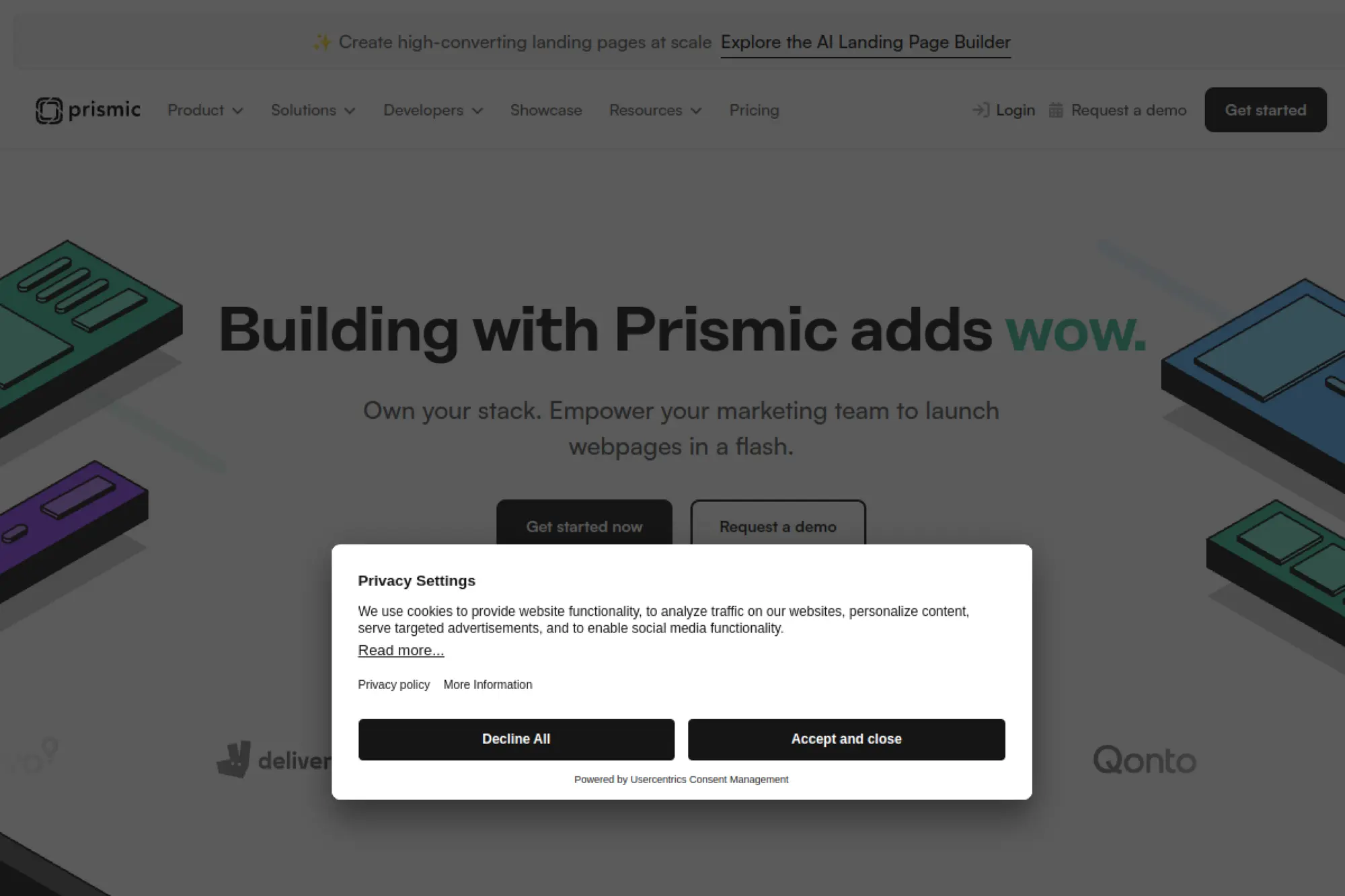
Prismic is a headless CMS known for “slices”—reusable content sections—founded in 2013 with a distributed team and a Paris lineage. For gaming, slices are close to how we think about feature pages: hero + trailer embed + platform CTA + feature grid + FAQ. Marketing teams can assemble new pages fast, and engineers can iterate on the slice implementations without migration pain.
We’ve used Prismic with Next.js to build flexible campaign builders where brand teams preview content in context before hitting publish. Combined with edge caching and image transforms, even art‑heavy pages stay responsive. We also wire Prismic content to drive Open Graph/Twitter Cards by slice, so social shares pull the right trailer or key art automatically.
Ideal fit: teams who want design‑system‑like content assembly with guardrails, balancing brand consistency and speed. It excels in seasonal marketing where layouts repeat but content changes rapidly across regions and platforms.
13. Craft CMS
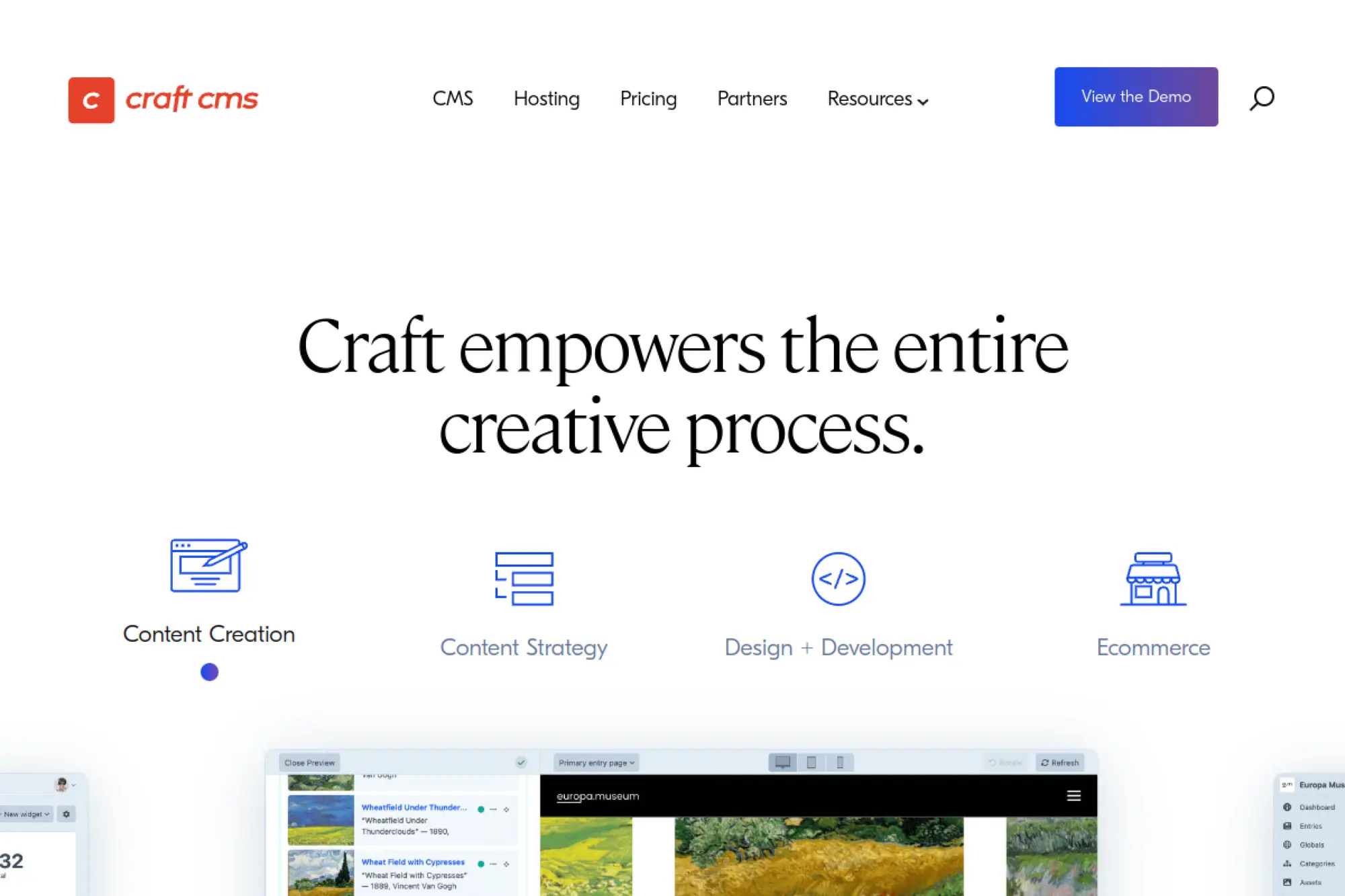
Craft CMS is a flexible, developer‑centric CMS (founded 2013, headquartered in Bend, Oregon) favored by agencies and teams that want precise control over content modeling and templating. For games with deep content taxonomies—lore entries, character sheets, mechanics breakdowns—Craft’s matrix fields and entry types let us model the world exactly as designers think about it.
We’ve deployed Craft for studio sites that needed robust localization, gated press areas, and API endpoints for in‑game newsfeeds. It’s a strong choice when you want classic server‑rendered pages with fine‑grained caching, or when you’re building a headless API for multiple front ends (site, launcher, in‑game panels) from a single content base.
Ideal fit: mid‑sized teams with in‑house or partner developers who value schema fidelity and clean authoring UX. It’s the “toolmaker’s CMS,” and for complex editorial universes, that’s exactly what you want.
14. Unity

Unity is a real‑time 3D engine founded in 2004 with headquarters in San Francisco. Why include a game engine in a web design list? Because modern gaming sites often embed playable WebGL builds, interactive dioramas, or AR previews, and Unity’s pipeline makes those artifacts feasible for the web when you plan assets carefully. We treat Unity as both a production tool and a content source for web storytelling.
On recognition, Unity was recognized with a Technology & Engineering Emmy Award for “3D Engine Software for the Production of Animation,” a testament to the production‑grade real‑time pipeline that also benefits web experiences when used judiciously.
We’ve worked with teams exporting lightweight WebGL slices—character rotators with shader toggles, ability previews with baked lighting, and environment vignettes—packaged to defer load until the user expresses intent. The key is progressive enhancement: the site must communicate without the 3D, then delight with it for capable devices. Unity’s asset management and LOD strategies transfer nicely to web performance disciplines.
Ideal fit: studios that want interactive showcases beyond video—especially for cosmetics, skins, or vehicles—and have technical artists ready to collaborate with web engineers. Use Unity assets surgically, not as the default for every section.
15. Unreal Engine
Unreal Engine, developed by Epic Games, is a high‑fidelity real‑time engine with roots in 1998 and a global footprint. For gaming web, it powers breathtaking WebGL/Pixel Streaming demos and cinematic captures that set the tone for a new IP. When a publisher wants a hero sequence that feels like an in‑engine cutscene, we often collaborate with Unreal technical artists to export web‑friendly slices or video that preserves material richness.
On recognition, Unreal Engine received a 2018 Technology & Engineering Emmy Award, part of a long record of technical honors that echo in the quality bar fans expect from franchises built on Unreal.
Our rule of thumb: if fidelity is the brand, Unreal assets belong on the site—but with ruthless performance discipline. We compress captures, stream adaptively, and reserve real‑time scene embeds for “inspect” interactions where players choose to explore. Pairing Unreal visuals with a fast, accessible front end is how you get both awe and accessibility.
Ideal fit: AAA teams and premium indies building spectacle into their brand touchpoints. Unreal complements a site when used sparingly to communicate material detail, scale, or lighting that flat screenshots can’t.
16. Awwwards
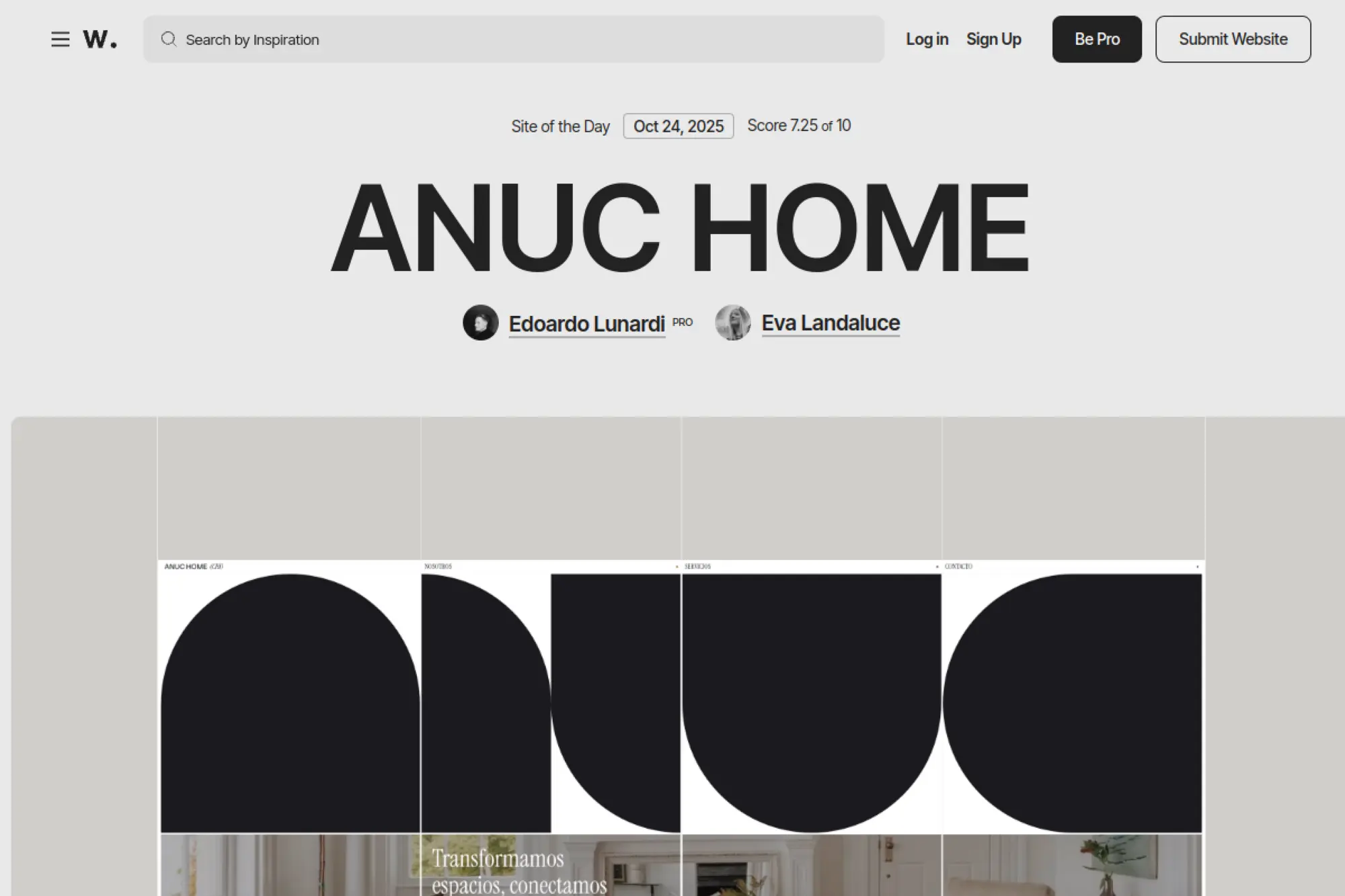
Awwwards is the design awards platform many studios watch to calibrate taste and benchmark what “best in class” looks like on the web. Founded in 2009 with a distributed team, it’s not a builder or CMS—it’s a barometer and a discovery engine. For gaming, where art direction and motion language can win or lose an audience in seconds, Awwwards is an efficient way to see how top teams are solving similar problems.
In our workflow, we reference Awwwards to align stakeholders early. When a creative director says “We want prestige,” we translate that into motion density, hover affordances, and type rhythm grounded in examples. Then we annotate what must be adapted for performance in a game context—large assets, controller imagery, ESRB gating, and streaming embeds. Awwwards becomes a shared mood board that keeps design debates productive.
Ideal fit: any team seeking a common vocabulary for quality. Use it to inspire, not to copy; then return to your game’s identity and player needs to decide what belongs on your site.
17. Agente

Agente is a UX/UI and software development company with roots in Eastern Europe and a global client base. It’s operated for well over a decade, with an estimated team size in the dozens and leadership distributed across hubs including New York. The firm’s portfolio spans marketplaces, education, and consumer products—but crucially for this list, it includes gaming.
As external validation, Agente showcases real gaming work publicly, including a corporate site project for a well‑known Japanese publisher—a level of transparency we appreciate when vetting partners for co‑delivery or overflow.
On services and proof, Agente publicly details a corporate gaming website revamp for KOEI TECMO that tackled catalog architecture, filters, and direct‑to‑purchase ergonomics. That kind of problem—surfacing a publisher’s back catalog while smoothing a path to buy—is exactly the sort of UX that decides whether a visitor becomes a customer.
Ideal fit: publishers and studios that want a partner fluent in both UX and production implementation, with experience in the particular pain points of game catalogs (editions, platforms, franchises). They’re a good match for teams who need an external crew to ship a discrete site or subsystem with clear documentation.
18. Dribbble
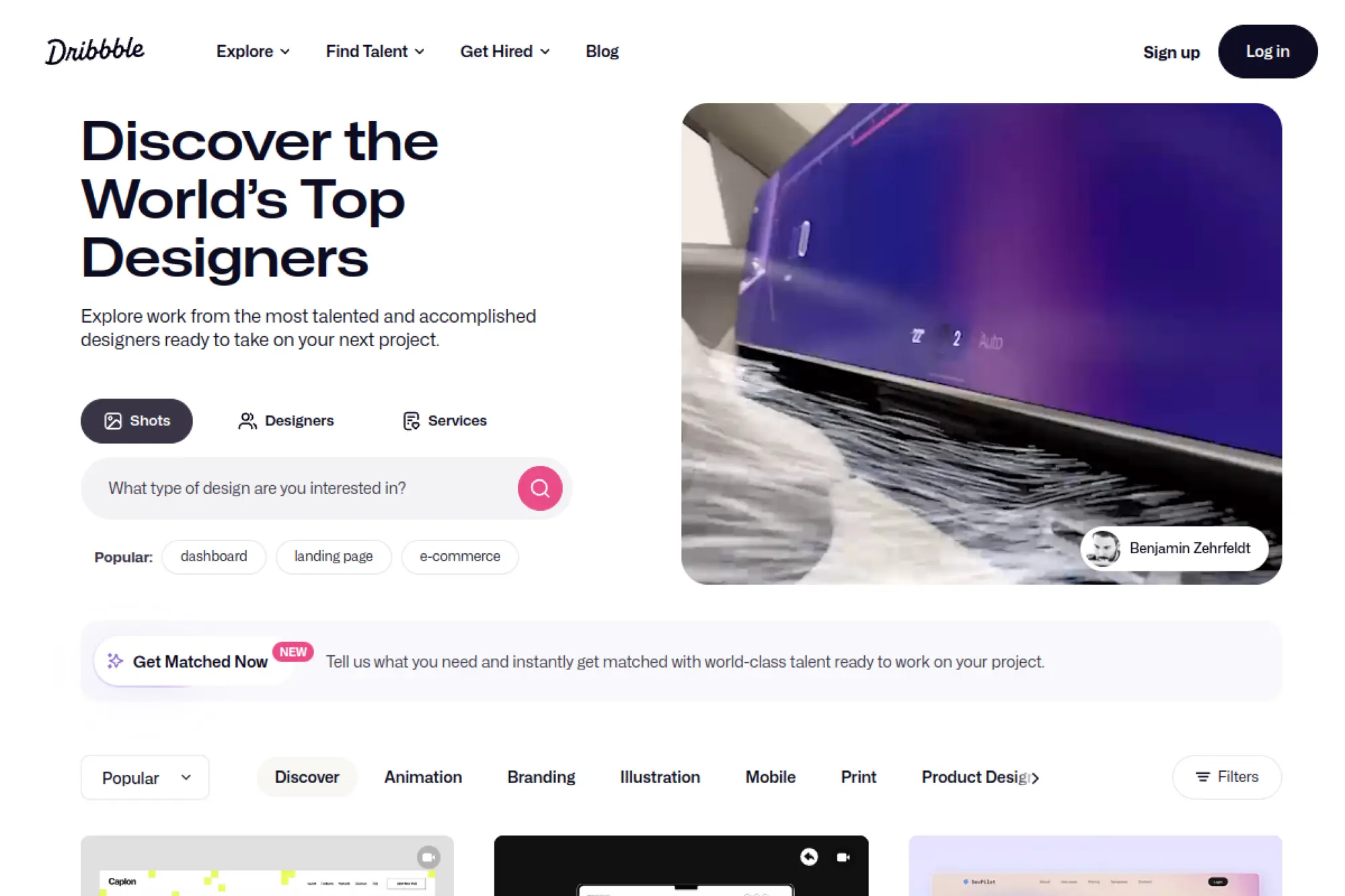
Dribbble is a design community and portfolio platform launched in 2009 with a distributed team. It’s not a tool you deploy; it’s a talent marketplace and inspiration engine. In games, where UI, motion, and iconography define readability and brand, Dribbble is a fast way to find specialists—HUD designers, pixel artists, propulsion‑obsessed animators—whose work matches your visual language.
Practically, we use Dribbble to assemble “bench” talent for peaks: a parallax‑driven hero, a rare badge system, an achievement animation. We also point stakeholders to moodboards that demonstrate how interface metaphors read at a glance—critical for sites that must communicate classes, abilities, and systems instantly. For hiring, public work samples remove some risk: you know whether a designer can ship the aesthetic your game needs.
Ideal fit: teams that want to elevate specific pieces of the experience (landing hero, UI motion language) and need to recruit or contract quickly. Pair Dribbble‑sourced creatives with a strong design system so they can contribute without misaligning components.
19. Behance
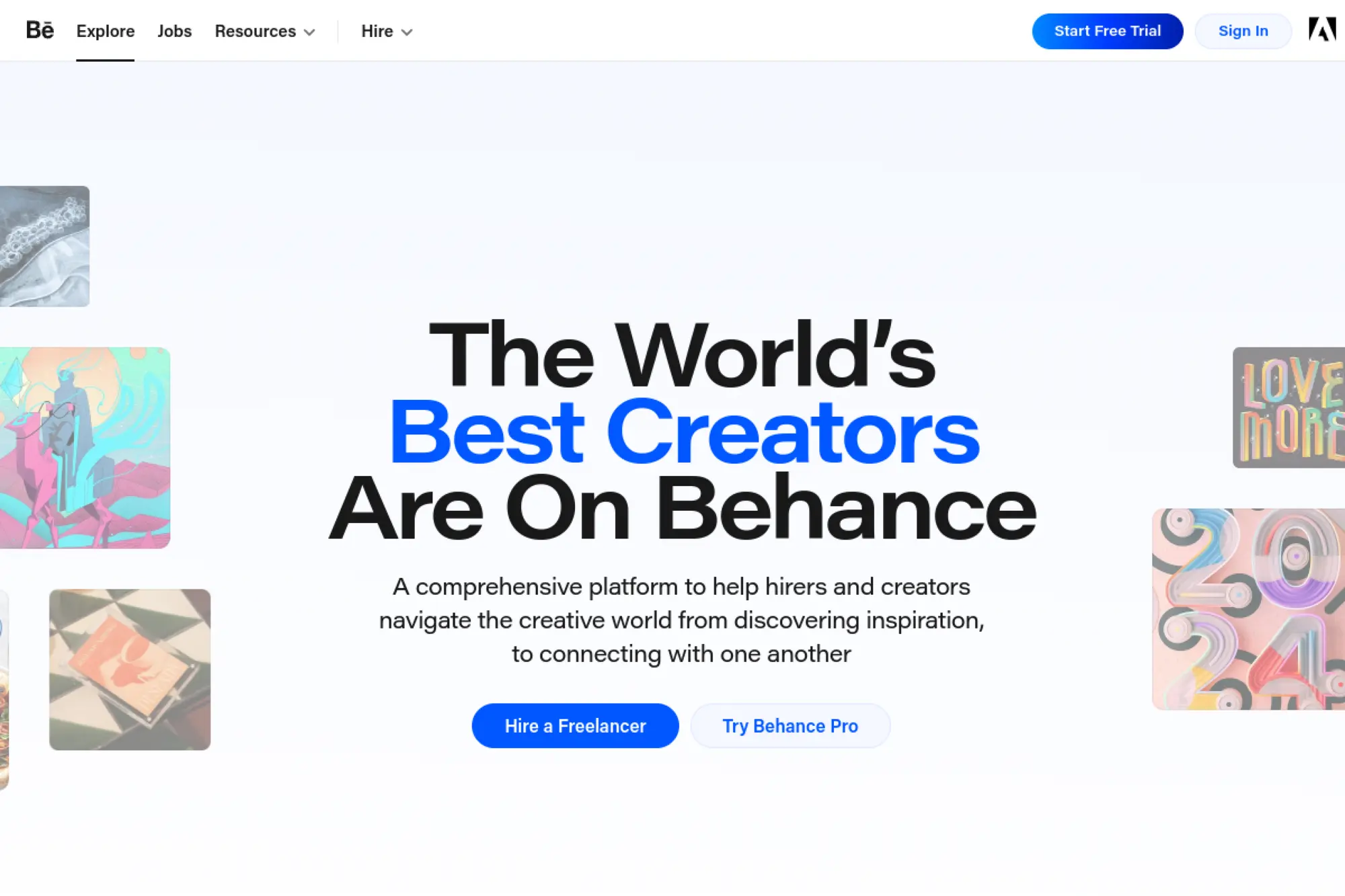
Behance, part of Adobe since 2012, is a portfolio and discovery platform with category depth in illustration, 3D, motion, and brand systems. Compared with Dribbble’s more micro‑shot culture, Behance project pages read like case studies—useful when you want to understand a designer’s process across a campaign or UI system.
We mine Behance for teams who can deliver end‑to‑end: brand refresh, web art direction, in‑engine captures, and web layout. For a new IP, it’s often faster to find a studio whose documented process matches your needs than to assemble freelancers from scratch. That process view helps predict integration risk—the real determinant of speed once the honeymoon ends.
Ideal fit: studios launching a new brand or replatforming a flagship title with a new visual language. Use Behance to evaluate not just aesthetics but the rigor behind them—grid systems, type scales, accessibility notes—so your web build inherits discipline, not just style.
20. WP Elementalist

WP Elementalist is a WordPress/Elementor‑focused presence that curates and showcases site designs and patterns. While not a tool vendor or large agency, it represents a growing layer of the web: creators who specialize in the Elementor ecosystem and produce battle‑tested patterns that small studios can adopt quickly.
In hands‑on work, we sometimes prototype marketing blocks in Elementor to validate art direction and content flow with non‑technical stakeholders—especially when the ultimate build will be coded. Elementor’s component mindset maps cleanly to the slices we use in headless stacks; borrowing ideas from the Elementor sphere can accelerate consensus even if you don’t ship on Elementor.
Ideal fit: small studios and solo creators who plan to launch on WordPress with Elementor and need a library of patterns that already solve common problems: hero + trailer, platform CTAs, feature grids, press quotes. For larger teams, it’s a research resource to gather visual vocabulary before committing to a coded design system.
WP Elementalist Awards
Webflow — Awards We called out Webflow’s cloud‑ecosystem momentum because it’s a proxy for stability when your launch depends on someone else’s uptime and security; Webflow was ranked #50 in 2022 on the Cloud 100, which helps finance and IT sign off with confidence.
Netlify — Awards Shipping games is a reliability sport; Netlify’s appearance on a major private‑cloud benchmark reassures stakeholders. The platform was ranked #98 in 2022 on the Forbes Cloud 100, useful context for enterprise governance discussions.
Vercel — Awards Partner credibility matters when your front end underpins million‑player announcements. Vercel’s inclusion in Power Partner Awards 2023 signals its growing role as a dependable front‑end cloud for high‑visibility launches.
Readymag — Awards Visual storytelling is half the battle in game marketing; Readymag’s editorial work earned a Red Dot Award 2023, aligning with our use of it for typographically rich, animated long‑reads.
Unity — Awards Real‑time pipelines matter on and off the site; Unity’s Technology & Engineering Emmy Award underscores the engine’s maturity for production workflows that can feed web experiences.
Unreal Engine — Awards Fidelity becomes a brand promise; Unreal’s 2018 Technology & Engineering Emmy Award helps non‑technical stakeholders understand why your hero visuals feel different.
WP Elementalist Ideal fit
We’ll close with a pragmatic playbook. For a new IP or indie with limited engineering cycles, marry a visual builder (Webflow, Readymag, or Tilda) to a sane CMS (Prismic or DatoCMS), deploy on Netlify or Vercel, and harden the top of funnel—fast hero, sharp captions, platform CTAs above the fold, and a share image that tests well on Discord and X; meanwhile, mid-market publishers should lean into composable—headless CMS plus Shopify for commerce plus Vercel edge routing—and treat the site as a living artifact synchronized with live ops.
Finally, at AAA scale, design for the day your trailer hits 10M views with a CDN-first strategy, atomic deploys, full-stack observability, and progressive enhancement for any 3D or engine-derived assets. Want us to pressure‑test your current stack or scope a launch‑safe architecture tied to your content calendar? Tell us your launch date and platforms, and we’ll come back with a game‑ready plan.
Gaming website design foundations: UX, performance, and SEO

Performance is strategy in disguise. In Deloitte’s cross‑industry speed study, retail conversions increased by 8.4%, a reminder that faster feels better—and converts more—in game discovery and purchase flows just as surely as it does in retail.
1. Identify your players and set clear goals
Before pixels or pipelines, we articulate who the site must serve—prospective players hunting trailers, existing players looking for patch notes, press seeking assets, partners evaluating your roadmap—and which outcomes matter most. We map user intents to journeys and remove friction: discovery to wishlist, wishlist to purchase, purchase to on‑ramp, on‑ramp to community. When we built an indie action‑platformer site, we learned the studio’s superfans cared less about lore dumps than about mod tools; we foregrounded documentation and a Discord gateway, and engagement rose because the site respected their real intent.
2. Choose the right site type: standalone game site, publisher landing page, or info portal
We never force a monolith when a hub‑and‑spoke works better. A standalone site suits a flagship IP with deep content; a publisher hub can centralize brand trust and cross‑promote; an information portal excels for live‑service titles where patch cadence and status are the hero. Our rule of thumb: the site type should mirror how players decide—if community validates the purchase, build for social proof; if visuals sell, build for showcase; if updates sustain retention, build for cadence.
3. Make it responsive and mobile‑first
In practice, this means content choreography, not just breakpoints. We design tap targets, gesture‑friendly galleries, and short‑form trailers with silent‑autoplay captions. We test on mid‑tier Android hardware and Safari on iOS because that is where rough edges appear. The yardstick is comfort: fingers never fight the UI; text always earns its place.
4. Optimize load speed from day one
We bake performance budgets into definition‑of‑done. That includes critical CSS extraction, early hints, image CDNs with content negotiation, lazy hydration for interactive widgets, and edge rendering for high‑traffic routes. On a roguelite launch site, we shipped hero art via progressive decoding and served platform‑specific media through negotiated variants; perceived speed jumped because the above‑the‑fold arrived first, everything else respectfully followed.
5. Structure intuitive navigation and content architecture
Players think in verbs: watch, buy, join, learn, troubleshoot. Our information architecture mirrors those verbs. We use a shallow, predictable nav, a persistent “Get the Game” affordance, and contextual sub‑nav that appears where players need it. Search deserves first‑class treatment with synonyms (e.g., “roadmap” and “devlog”), typo‑tolerance, and zero‑result fallbacks that recommend live content.
6. Balance cinematic visuals with readability and usability
We adore cinematic splashes—but we’ve seen them sabotage comprehension when text lacks contrast or motion competes with calls to action. Our pattern: let the hero play for atmosphere, then hand the stage to copy that clarifies genre promise, core loop, and unique hook. We gate motion behind user intent for accessibility and provide a “reduce motion” preference that genuinely quiets parallax, particles, and marquee animations.
7. Implement SEO essentials for gaming website design
Indexing drives durable demand. We use semantic HTML, structured data for VideoObject, Product/SoftwareApplication, and FAQ, and canonical rules that prevent store‑link duplication. We ship human‑readable URLs, transcript‑inclusive video pages, and internal linking that lifts long‑tail intents like “controls,” “boss strategies,” or “shader settings.” When publishers rely on storefront pages alone, they cede discovery to aggregators; a well‑structured site reclaims that surface area.
8. Use interactive elements to deepen engagement
Playable snippets, build calculators, class planners, or lore timelines make your world tangible. We precompute heavy logic on the edge, stream assets progressively, and cache wisely so these elements feel instant. Interactivity earns its keep when it shortens the path from curiosity to conviction.
9. Plan a content mix with news, guides, updates, and community stories
Content is a service to players, not a broadcast schedule. Our editorial mix stitches together dev diaries, patch explainers, “how we fixed it” postmortems, player spotlights, and creator kits. We keep the voice honest—showing process, not just polish—and organize it so both newcomers and veterans can find what matters without wading through noise.
10. Map KPIs your site can move such as DAU, MAU, ARPU, sessions per user
Websites don’t directly raise all metrics; they influence them through discoverability, education, social proof, and friction reduction. We tie pages to funnel checkpoints: FAQs to support deflection, patch notes to retention, hero to purchase initiation, community pages to return visits. Then we measure real user performance alongside behavior, because slow pages distort attribution and mask intent.
11. Design for monetization including ads, subscriptions, merchandise, in‑site purchases
Monetization deserves UX dignity. We design stores that are delightful for fans: tasteful cross‑sells rooted in identity, not spam; fine‑grained filters that surface sizes and variants; payment flows with minimal context switching. If you offer subscriptions or battle passes, we treat them as value narratives, not price tags—what players get today, how it evolves, and why joining now matters.
12. Avoid common pitfalls like heavy assets, confusing nav, and poor mobile UX
We’ve rescued sites where beautiful but bloated hero videos smothered conversions, and where clever navigation hid basic information. Our antidote is ruthless prioritization: articulate the minimum needed to help someone decide, then layer optional depth behind clear affordances. Elegance is subtraction.
Must‑have UX sections and components for game websites

If game sites are stages, these sections are the set pieces. The audience is primed for video: global OTT video subscriptions are projected to reach 2.1 billion in 2028, so motion‑first storytelling on the web is now table stakes for attention and recall.
1. Above‑the‑fold hero with standout art and primary call to action
Let the hero establish mood, but let the call to action establish momentum. We compose hero areas with cautious motion, high‑contrast copy, and an ever‑present action: wishlist, buy, or play the demo. For live‑service titles, we often swap in a status ribbon or seasonal pitch so the hero earns repeat visits.
2. Game title and a concise elevator pitch
We write the pitch like a storefront feature tile: genre clarity, core fantasy, and one sharp differentiator. Every word proves it belongs by trimming ambiguity and avoiding insider jargon. If the pitch can’t be read aloud in a breath, it’s too long.
3. Trailer or gameplay video
We prioritize gameplay over montage, captions over sound‑dependency, and per‑route media variants so mobile visitors aren’t punished. Chapters, transcripts, and stills make the video both indexable and scannable, and we mirror key beats in copy for accessibility.
4. Screenshots gallery
Galleries should be fast, tactile, and honest. We pre‑generate focal‑point crops, support swipes, and let players zoom without modal traps. Curate for comprehension: show combat, traversal, UI, and tone so someone can see themselves in the experience.
5. Buy buttons and platform store links
Purchase affordances should be unmissable but respectful. We detect platform and region to preselect the most relevant store, preserve context when handing off to storefronts, and keep a persistent buy bar that doesn’t compete with content.
6. Social links and community hub including Discord and forums
Community is a feature, not a footer. We unify Discord, forums, and creator guidelines behind a single “Join the Community” surface. Rules and codes of conduct belong up front to set tone; we also add clear reporting paths so moderators are visible guardians, not invisible enforcers.
7. News and updates feed
Players return when fresh matter arrives reliably. We structure updates with tag taxonomies (events, balance, bug fixes, roadmap), RSS for power users, and syndication to social. If a patch breaks something, a frank postmortem with mitigations wins more trust than silence.
8. Dev blog and press kit
Behind‑the‑scenes stories help press, creators, and fans advocate for you. We publish technical deep dives, art breakdowns, and design diaries; then we bundle logos, key art, bios, and b‑roll into a press kit with explicit usage rights to reduce back‑and‑forth.
9. Reviews and awards quotes
Social proof works best when it’s specific and attributable. We feature short pull quotes with publication marks, link to originals, and use schema to help search engines understand the acclaim without resorting to manipulative badges.
10. Technical requirements and supported platforms
Clarity prevents refunds and rage. We present requirements in human language, explain what settings impact performance, and describe accessibility options plainly. For cloud saves and cross‑progression, we diagram flows so expectations match reality.
11. Store and merchandise checkout
We design merch with the same craft as gameplay: elegant product pages, accessible sizing guides, and checkout that respects attention. Fraud prevention is invisible to honest buyers; fulfillment updates are proactive and friendly.
12. Credits and studio information
Names matter. We celebrate the team, share job openings, and connect the studio’s mission to the game’s voice. Done well, this section turns recruits into applicants and players into advocates.
TechTide Solutions: custom gaming website design and development
We architect for outcomes. Personalization is a growth lever worth pulling: companies that grow faster drive 40 percent more revenue from personalization than slower‑growing peers, which is why we treat segmentation, testing, and journey orchestration as core engineering concerns, not afterthoughts.
1. Discovery and UX research tailored to your game and player community
Our discovery sprints combine playtests, competitor teardowns, and content audits with interviews across player archetypes. We translate findings into experience principles—like “show, then explain,” “community before commerce,” or “make updates feel alive”—and into prototypes that we validate quickly. When a souls‑like client’s community told us boss‑fight etiquette mattered, we built a lore‑safe spoiler system and saw creator goodwill bloom.
2. Platform‑agnostic builds across Webflow, WordPress, or headless CMS with eCommerce
We pick tech to fit the game’s lifecycle. Static‑friendly for campaign sites that spike at launch; headless when localization, contributor workflows, and multi‑brand publishing matter; hybrid when you need component reuse and rapid experimentation. We favor edge‑capable deployments, image CDNs, and modular design systems so updates move at the speed of the community.
3. Performance, SEO, and iterative post‑launch optimization
Launch is inning one. We wire real‑user monitoring, error tracking, and behavioral analytics to spot friction fast, then run weekly improvements: A/B tests on hero messaging, micro‑copy tweaks in checkout, navigation refinements drawn from search logs. Our north star is a simple loop—observe, hypothesize, experiment, ship—so the site keeps pace with the game’s evolution.
Conclusion: turn inspiration into a high‑performing game website
Your site is part showroom, part guide, part town square—and it must scale. Cloud foundations are expanding, with worldwide public cloud end‑user spending forecast to reach $723.4 billion in 2025, so modern delivery, personalization, and reliability are more accessible than ever—if you design for them deliberately.
We’ve laid out how we think, build, and iterate at TechTide Solutions. Ready to turn your game’s web presence into a growth engine, or would you like us to audit an existing site and outline the quickest wins we can ship together next?