


At TechTide Solutions, we think the smartest way to compare tech companies in Vietnam is to stop treating them as one bucket. Some names on this list are companies you can hire for custom development. Others are product-led businesses that show where Vietnam has real engineering depth, real operating experience, and real market traction. That distinction matters if you are choosing a delivery partner, opening a vendor shortlist, or trying to understand where the strongest software talent sits.
That broader context matters because Vietnam’s digital economy reached $39B in 2025, and we see that scale showing up in deeper talent pools, better delivery maturity, and more product companies that have learned from live users, real transactions, and hard release cycles. We would not judge these firms on rates alone.
Quick Comparison of Tech Companies in Vietnam
If you want the short version first, this table gives you a practical screening view. We use “agency” loosely here, because several names below are product companies or platforms rather than classic outsourcing vendors.
| Agency | Best for | Strength | Potential drawback | Good question to ask |
|---|---|---|---|---|
| FPT Software | Large enterprise transformation | Massive scale and coverage | Process can feel heavy | Who is our named core team? |
| KMS Technology | ISVs and product teams | Strong product engineering mindset | Not the bargain option | How senior is the actual squad? |
| TechTide Solutions | Hands-on custom builds | Flexible communication | Smaller bench than giants | Who owns delivery day to day? |
| Saigon Technology | Startups and mid-market | Mature dedicated teams | Validate seniority mix | Which model fits our scope? |
| NashTech | Complex enterprise change | Governance and coordination | Can feel corporate | How will escalation work? |
| Katalon | QA automation buyers | Strong testing product | Not a build vendor | Can it fit our stack? |
| One Mount | Ecosystem partnerships | Deep local product DNA | Not outsourcing-first | Is this a partnership or vendor buy? |
| Haravan | Retail commerce in Vietnam | Omnichannel know-how | Limited custom build scope | How open are the integrations? |
| Amanotes | Mobile product inspiration | Consumer product instincts | Not B2B outsourcing | Is there any partnership path? |
| BE Group | Mobility or delivery ecosystem | Local super-app experience | Not a standard dev shop | Are we buying integration or engineering? |
Recommended reading: Top 20 Top Cybersecurity Companies for Real-World Business Security Needs
Top 20 Tech Companies in Vietnam to Know
We do not rank these twenty names by hype alone. We look at fit, operating model, technical depth, and how useful each company is for a real buyer. Some belong on a service-provider shortlist. Others belong on your market map because they prove what Vietnam can build.
1. FPT Software
FPT Software sits at the enterprise end of this market. Public company materials place it in the 20,000-plus employee range, founded in 1999 and headquartered in Vietnam, with broad coverage across application development, cloud, AI, QA, ERP, and embedded engineering. We see it as the safest shortlist choice when a buyer needs scale, multilingual delivery, and a vendor that can stand up large programs fast.
The trade-off is scale itself. Governance is formal. Documentation is heavy. Smaller clients may get less intimacy than they would from a mid-sized shop. If your project is a narrow MVP or a founder-led sprint, FPT can be more machine than you need. If your scope is multi-country modernization, that machine becomes the selling point.
- Service scope: Enterprise app development, modernization, cloud, QA, ERP, managed services, and embedded engineering.
- Industry specialization: Automotive, manufacturing, BFSI, healthcare, logistics, and retail.
- Ideal client size: Upper mid-market to enterprise, especially complex or regulated programs.
- Pricing model: Usually enterprise contracts, managed services, or large dedicated team structures.
- Onboarding process: Discovery workshops, security review, staffing plan, and phased transition.
- Communication style: Formal, PMO-friendly, and documentation-heavy.
- Proof/case-study requirements: Ask for programs close to your stack, geography, and compliance needs.
- Red flags to check before hiring: Generic decks, unclear senior staffing, or slow escalation ownership.
- Questions to ask before signing: Who owns architecture, who joins day one, and how is knowledge transfer handled?
2. KMS Technology
KMS Technology is one of the strongest Vietnam-linked choices for product engineering rather than commodity outsourcing. The company says it was founded in 2009 as a U.S.-based services business, now has roughly a 1,000-plus global team, and operates with major delivery roots in Vietnam. We usually put KMS on the shortlist when an ISV, digital health company, or software platform needs engineers who understand product releases, recurring quality work, and commercial software realities.
What we like here is focus. KMS does not read like a generic “we do everything” vendor. It leans into product engineering. That is useful when you need more than coding capacity. It also means KMS may not be the cheapest path if all you want is short-term staff augmentation. Buyers should test how much product leadership is included in the delivery team, not just how polished the pitch sounds.
- Service scope: Product engineering, software development, QA, consulting, AI, data, and innovation support.
- Industry specialization: ISVs, digital health, enterprise software, and platform businesses.
- Ideal client size: Growth-stage software firms, mid-market clients, and enterprises building products.
- Pricing model: Project teams, dedicated teams, and longer-term product engineering engagements.
- Onboarding process: Product discovery, technical review, staffing proposal, and sprint-based ramp-up.
- Communication style: Direct, product-oriented, and usually stronger on engineering dialogue than sales fluff.
- Proof/case-study requirements: Ask for examples where KMS owned product outcomes, not just tickets.
- Red flags to check before hiring: Vague product ownership, thin design support, or unclear AI claims.
- Questions to ask before signing: Who sets technical direction, how senior is QA, and what release ownership looks like?
3. TechTide Solutions
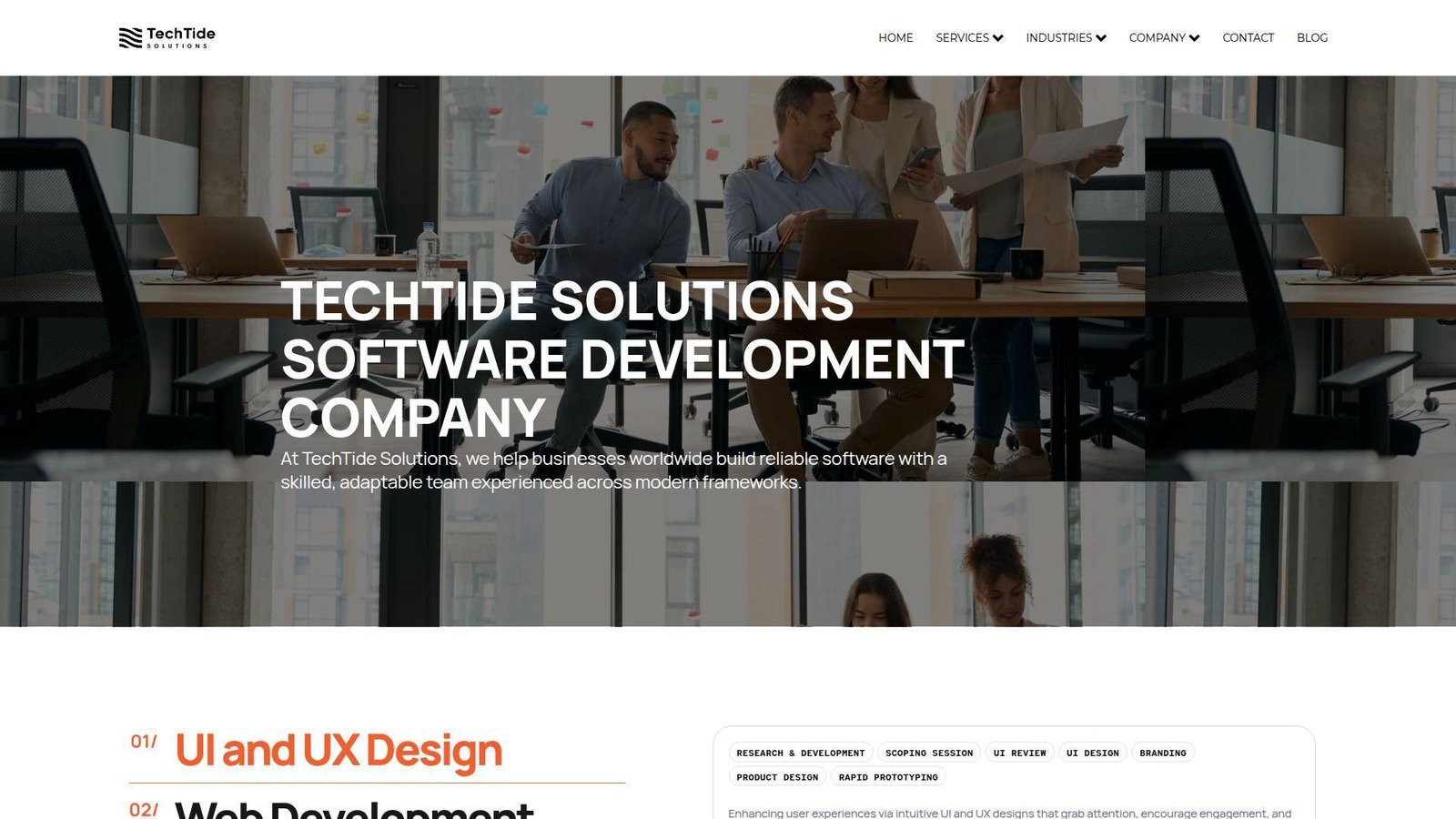
We include ourselves here because buyers compare delivery style as much as brand size. On our public site, we present TechTide Solutions as a custom software company with 150+ full-time professionals, 100+ completed projects, and a Ho Chi Minh City base. Our positioning centers on custom software, website development, mobile development, and UI/UX, with visible industry pages for blockchain, fintech, and healthcare. The page highlights 10+ years of experience, though it does not clearly state a formal founding year.
In practice, we fit best when a client wants close communication, flexible scope, and a team that will stay near the real business problem. We are not pretending to be the biggest bench in Vietnam. We are a better match for MVPs, evolving SaaS products, and custom builds where responsiveness and ownership matter. Because this is our own firm, we think buyers should pressure-test us the same way they would any vendor.
- Service scope: Custom software, websites, mobile apps, UI/UX, and product design support.
- Industry specialization: Blockchain, fintech, healthcare, and general custom product work.
- Ideal client size: Startups, SaaS teams, and mid-market firms that want close collaboration.
- Pricing model: Usually project-based or dedicated team structures, shaped to scope and team mix.
- Onboarding process: Discovery first, then scope alignment, team proposal, and phased delivery planning.
- Communication style: Hands-on, fast-moving, and direct.
- Proof/case-study requirements: Buyers should ask us for relevant work, named team leads, and delivery cadence.
- Red flags to check before hiring: Any gap between proposal promises and the actual assigned team.
- Questions to ask before signing: Who owns delivery, how changes are handled, and how often you will meet the builders?
4. Saigon Technology
Saigon Technology is a Vietnam-based custom development firm with public profiles pointing to a 2012 founding, headquarters in Ho Chi Minh City, and a team in the 201-500 range. It presents itself as an Agile software development company with strength in offshore dedicated teams, SaaS work, cloud, mobile, and enterprise builds. We usually see it as a strong fit for startups and mid-market buyers who want more structure than a tiny boutique can offer, but less overhead than a mega vendor.
This one works best when the product direction is already clear and the buyer needs reliable execution. Saigon Technology has the look of a mature offshore operator. That is good for predictability. It also means buyers should still verify the actual seniority of the team being proposed. We would ask to meet the delivery lead early and confirm how architecture, QA, and client communication will be split.
- Service scope: Custom software, SaaS, web and mobile apps, cloud, QA, and dedicated teams.
- Industry specialization: Fintech, healthcare, logistics, media, and enterprise software.
- Ideal client size: Startups, scale-ups, and mid-market companies.
- Pricing model: Dedicated teams, fixed-scope projects, and flexible offshore center models.
- Onboarding process: Scope review, team proposal, kickoff planning, and sprint setup.
- Communication style: Structured, Agile, and client-facing.
- Proof/case-study requirements: Ask for similar stack, domain, and team-size examples.
- Red flags to check before hiring: A polished sales process with thin technical depth in calls.
- Questions to ask before signing: Which engineers are senior, how QA is embedded, and who handles blockers?
5. NashTech
NashTech has deep roots in Vietnam but operates with a broader multinational frame. Public information points to a 2000 founding, headquarters in London, and a workforce that passed the 2,000 mark in 2022, with Vietnam remaining a major delivery base. Its positioning is broader than pure coding, covering custom software, digital advisory, application management, and BPM. We would look here when a buyer needs enterprise discipline, delivery governance, and a partner comfortable inside large organizations.
NashTech is not the pick we would make for every startup. It can feel corporate, and in the right project that is a benefit. Big internal stakeholders, procurement gates, and multi-team dependencies often need that level of structure. We would still challenge them on actual delivery agility. A large framework is helpful only if the people inside it can still move quickly when the roadmap changes.
- Service scope: Custom software, digital advisory, application management, BPM, and enterprise engineering.
- Industry specialization: Insurance, higher education, retail, logistics, and enterprise systems.
- Ideal client size: Mid-market to enterprise, especially large transformation programs.
- Pricing model: Managed services, enterprise contracts, and dedicated teams.
- Onboarding process: Discovery, governance design, staffing, and phased transition.
- Communication style: Formal, layered, and suited to larger stakeholder groups.
- Proof/case-study requirements: Ask for long-running programs with measurable delivery outcomes.
- Red flags to check before hiring: Too many management layers or slow issue escalation.
- Questions to ask before signing: Who owns delivery, what stays in Vietnam, and how changes are approved?
6. Katalon
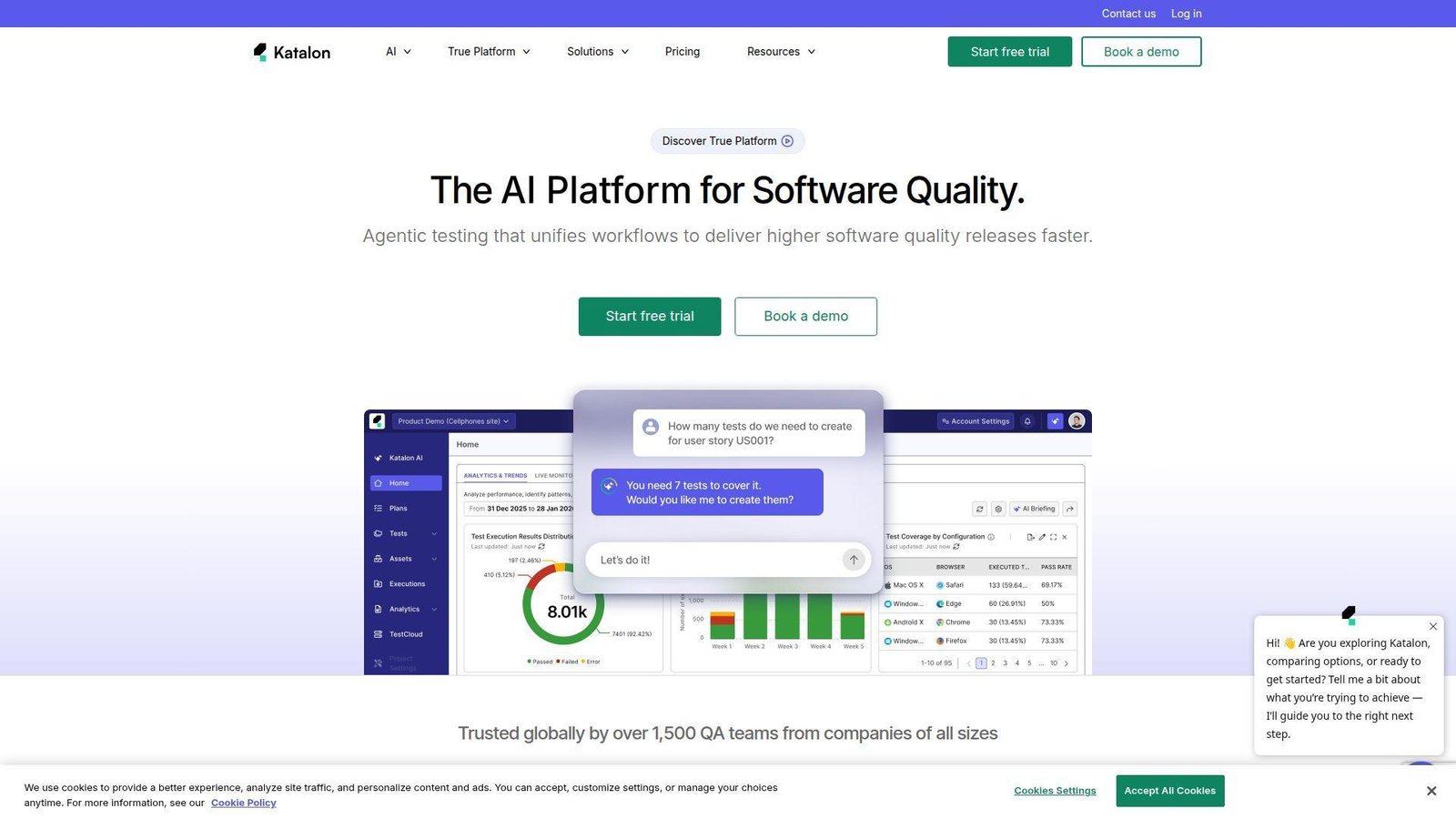
Katalon is not a classic outsourcing vendor. It is a software testing platform company. Public materials show it was founded in 2016 and is headquartered in Atlanta. We include it because buyers often confuse Vietnam’s tech ecosystem with service delivery alone, and Katalon is proof that strong product stories matter too. If your priority is software quality, release confidence, and better test automation, this name belongs in the conversation.
If you need developers to build your product from scratch, keep moving. Katalon is the wrong category for that. If you already have a product team and need a testing platform that can support manual, automated, and AI-assisted workflows, it becomes much more relevant. We would judge Katalon as a tooling decision, not a staff augmentation decision.
- Service scope: Test automation platform, test orchestration, analytics, and quality tooling.
- Industry specialization: Software QA for SaaS, enterprise apps, web, mobile, and API testing.
- Ideal client size: Product teams and enterprises with repeatable testing needs.
- Pricing model: Subscription and product licensing.
- Onboarding process: Trial or pilot, workspace setup, test migration, and team enablement.
- Communication style: Product-led, sales-engineer driven, and support-oriented.
- Proof/case-study requirements: Ask for similar stack support and CI/CD integration references.
- Red flags to check before hiring: Promises of “easy automation” without governance or ownership.
- Questions to ask before signing: Which browsers, devices, APIs, and reporting workflows are truly supported?
7. One Mount

One Mount matters more as an ecosystem benchmark than as a general outsourcing vendor. Public company profiles describe it as a Hanoi-headquartered technology ecosystem founded in 2019, with an estimated 1,001-5,000 employees and products spanning retail, real estate, financial services, and distribution. We see it as proof that Vietnam can produce data-heavy, multi-vertical platform businesses, not just offshore service teams.
We would not treat One Mount as a default custom development shortlist. That would miss the point. It is more relevant if your business needs a platform partnership, local market access, or insight into how Vietnam’s top ecosystem players build around data, consumer identity, and transactions. For straight outsourced product work, there are easier matches on this list.
- Service scope: Ecosystem platforms, consumer products, data-driven services, and selective enterprise partnerships.
- Industry specialization: Retail, proptech, fintech, consumer identity, and distribution.
- Ideal client size: Large enterprise partners, ecosystem collaborators, and market entrants.
- Pricing model: Partnership-led and product-based, not public hourly engineering rates.
- Onboarding process: Partnership scoping, platform fit review, data and integration planning.
- Communication style: Product and partner focused, not agency-like.
- Proof/case-study requirements: Ask for integration architecture, rollout support, and live platform examples.
- Red flags to check before hiring: Unclear custom work boundaries or heavy dependence on roadmap promises.
- Questions to ask before signing: What is configurable, what needs custom integration, and who owns support?
8. Haravan
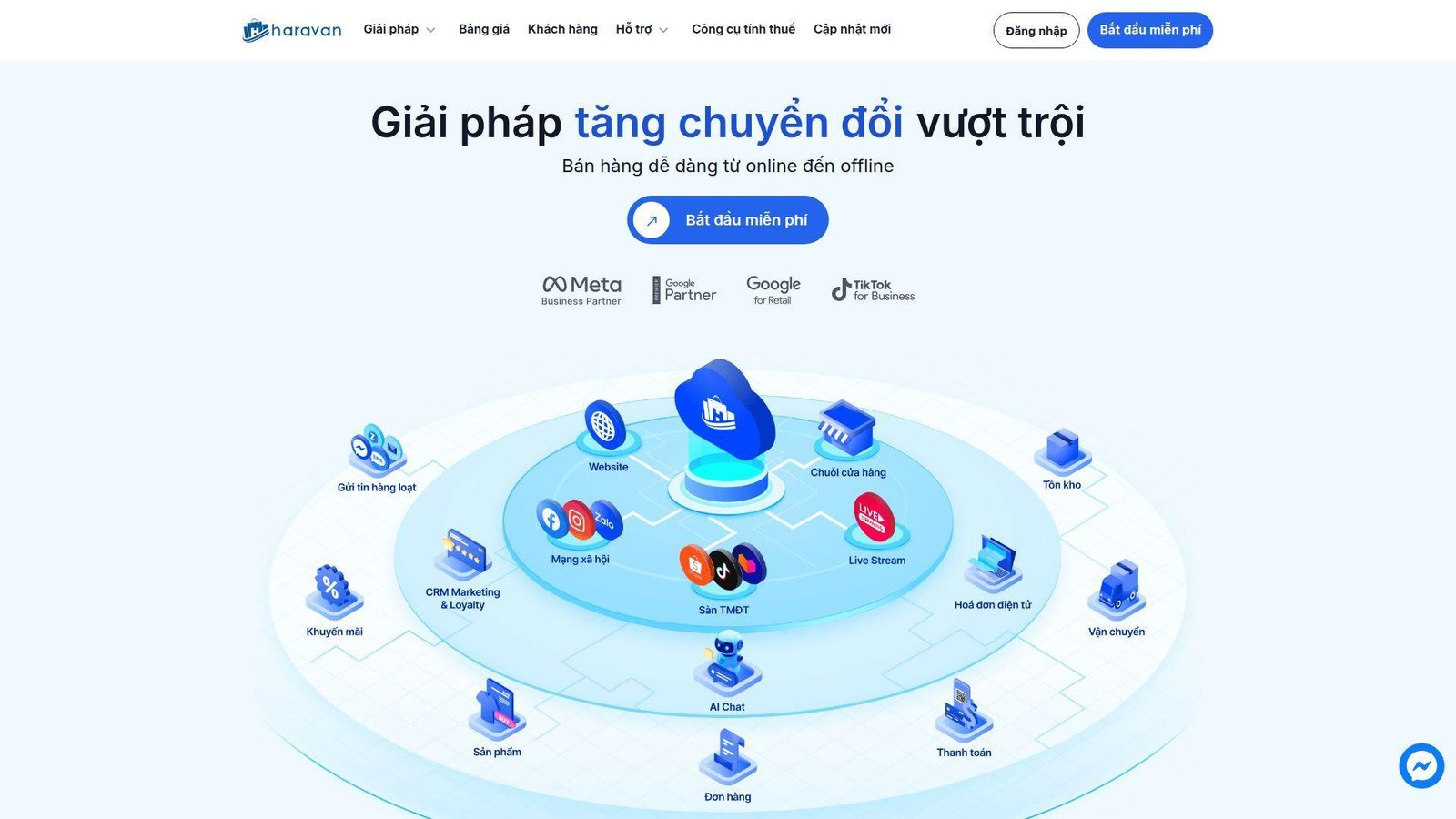
Haravan is a commerce platform first, not a general software outsourcing shop. Its official materials say the company was established in March 2014, is based in Ho Chi Minh City, and had more than 400 employees working from Ho Chi Minh City and Hanoi in 2020. We include it because omnichannel retail is one of Vietnam’s most useful software strengths, and Haravan is one of the clearest local examples.
For merchants and brands selling in Vietnam, Haravan can be more practical than commissioning a build from zero. For buyers outside retail, it is mainly useful as a signpost. It shows what local teams have learned about storefronts, inventory, customer journeys, and merchant operations. We would look at Haravan for platform fit, not for custom app outsourcing.
- Service scope: Omnichannel retail, ecommerce infrastructure, engagement marketing, and merchant tools.
- Industry specialization: Retail, commerce enablement, social commerce, and brand operations.
- Ideal client size: Merchants, multi-store brands, and retail operators in Vietnam.
- Pricing model: Platform subscriptions and enterprise commerce arrangements.
- Onboarding process: Account setup, store migration, integrations, and staff training.
- Communication style: Product-led, merchant-oriented, and rollout focused.
- Proof/case-study requirements: Ask for brand references, integration examples, and support response quality.
- Red flags to check before hiring: Weak API fit or a need for heavy customization outside the core product.
- Questions to ask before signing: How flexible are integrations, data exports, and local support?
9. Amanotes
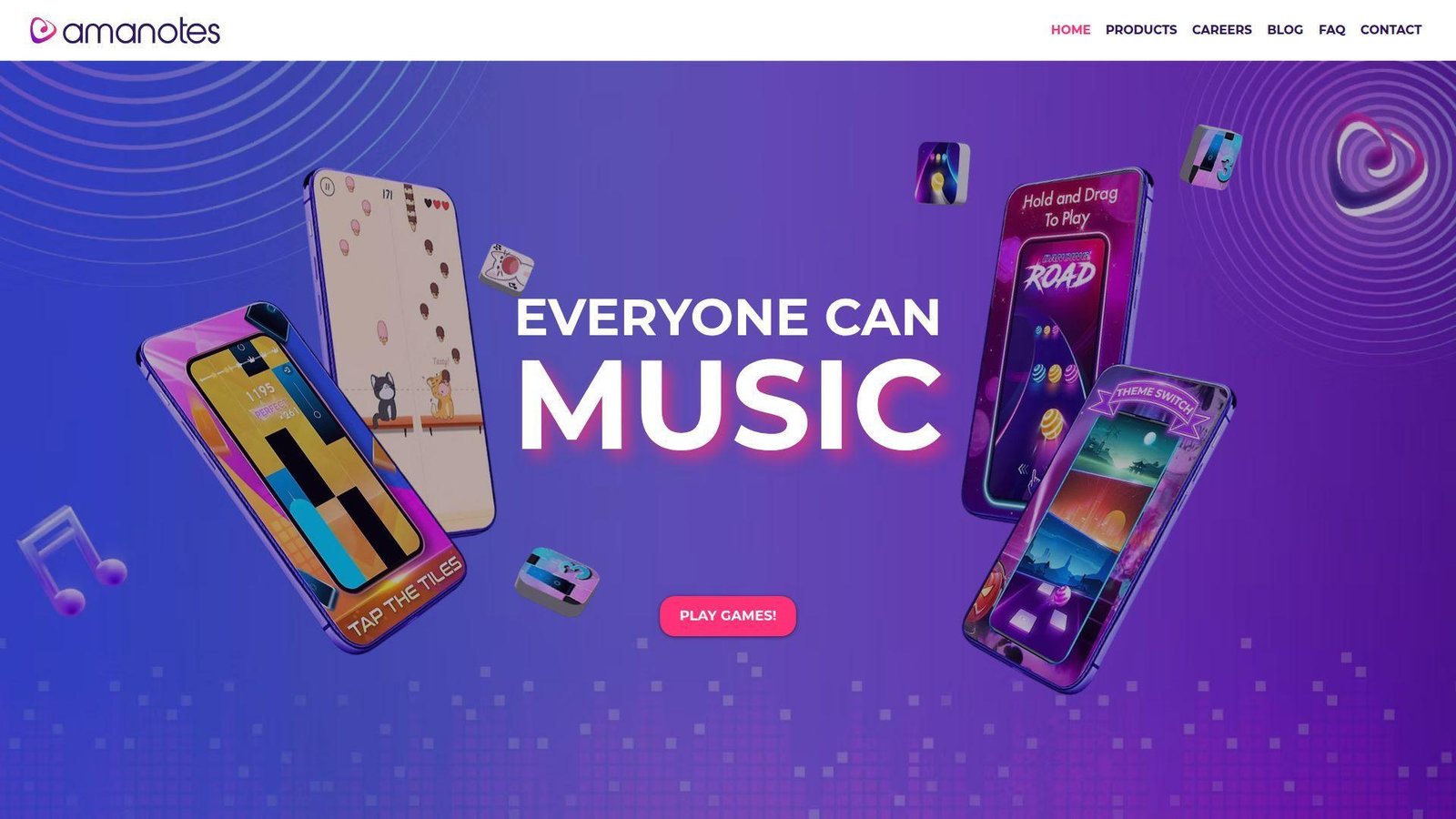
Amanotes sits well outside the outsourcing lane, but it still belongs on this list. Public profiles show a 2014 founding, headquarters in Ho Chi Minh City, and a music-tech and mobile gaming focus with a 51-200 employee range. It also presents itself as the world’s top music game publisher, which tells us something important about Vietnam’s ability to build, ship, and monetize consumer software at scale.
Why include a music game company in a buyer guide? Because product ecosystems teach different lessons than outsourced delivery alone. Teams that have lived through user acquisition, retention, ad monetization, live ops, and content iteration often raise the bar for the local market. We would not hire Amanotes to build enterprise software. We would study it as evidence of Vietnam’s product instincts, especially on mobile.
- Service scope: Music games, mobile publishing, live operations, and consumer product partnerships.
- Industry specialization: Mobile gaming, music interaction, consumer apps, and ad-driven products.
- Ideal client size: Consumer brands, content partners, and gaming or media collaborators.
- Pricing model: Product revenue, publishing economics, and partnership terms.
- Onboarding process: Usually partnership scoping, content alignment, and release planning.
- Communication style: Product-led and audience-focused.
- Proof/case-study requirements: Ask for retention, live ops discipline, and market fit evidence.
- Red flags to check before hiring: Assuming mobile game success automatically transfers to enterprise delivery.
- Questions to ask before signing: Is there real partnership fit, or are you simply admiring the brand?
10. BE Group
BE Group is relevant if you care about mobility tech, super-app operations, and Vietnam’s consumer platform market. Public profiles put its headquarters in Ho Chi Minh City, its employee base in the 201-500 range, and its formal founding in 2019, while the company’s own history points to roots in 2018 under the VEEP Technology name. We do not see BE as a standard outsourced development partner. We see it as a marker of local operating complexity.
If your question is “who can build my SaaS product,” BE is likely the wrong answer. If your question is “who understands Vietnam’s mobility, delivery, partner network, and consumer transaction environment,” it becomes much more interesting. We would watch BE for ecosystem relevance, local integrations, and product-market realities rather than for generic custom engineering.
- Service scope: Mobility, delivery, shopping, financial services, and platform partnerships.
- Industry specialization: Ride-hailing, logistics, consumer services, and super-app operations.
- Ideal client size: Enterprise partners, ecosystem collaborators, and service operators.
- Pricing model: Platform fees, commissions, and partner agreements.
- Onboarding process: Partnership review, integration planning, rollout support, and operational setup.
- Communication style: Platform and operations oriented.
- Proof/case-study requirements: Ask for live operational examples, integration support, and partner workflows.
- Red flags to check before hiring: Assuming super-app strength equals broad custom software service capability.
- Questions to ask before signing: What can be integrated, what is standardized, and who handles partner support?
11. Giao Hàng Tiết Kiệm
Giao Hàng Tiết Kiệm, or GHTK, belongs on this list because logistics at this scale creates serious software discipline. Public company profiles show a Hanoi headquarters, a 2013 founding, and a workforce above 10,000 employees. That puts it in a very different category from boutique development firms. We would not treat it as a general-purpose outsourcing vendor. We would treat it as a major logistics tech operator with deep local execution knowledge.
From our perspective, GHTK matters most if your business depends on fulfillment, shipping workflows, merchant operations, or local delivery integration. The value is not generic coding. The value is operational software experience under real volume and real service pressure. For buyers entering Vietnam commerce, that can matter more than a polished agency pitch.
- Service scope: Logistics tech, fulfillment, shipping operations, merchant tooling, and integration support.
- Industry specialization: Ecommerce logistics, delivery, warehousing, and merchant operations.
- Ideal client size: Merchants, brands, and enterprise partners with logistics needs.
- Pricing model: Transactional shipping fees and enterprise service arrangements.
- Onboarding process: Account setup, API or workflow integration, rules configuration, and support handoff.
- Communication style: Operations-first and service-practical.
- Proof/case-study requirements: Ask about SLA handling, returns, partner support, and issue resolution.
- Red flags to check before hiring: Weak integration planning or unclear responsibility for exceptions.
- Questions to ask before signing: How are claims handled, how flexible are workflows, and who owns merchant support?
12. Teko
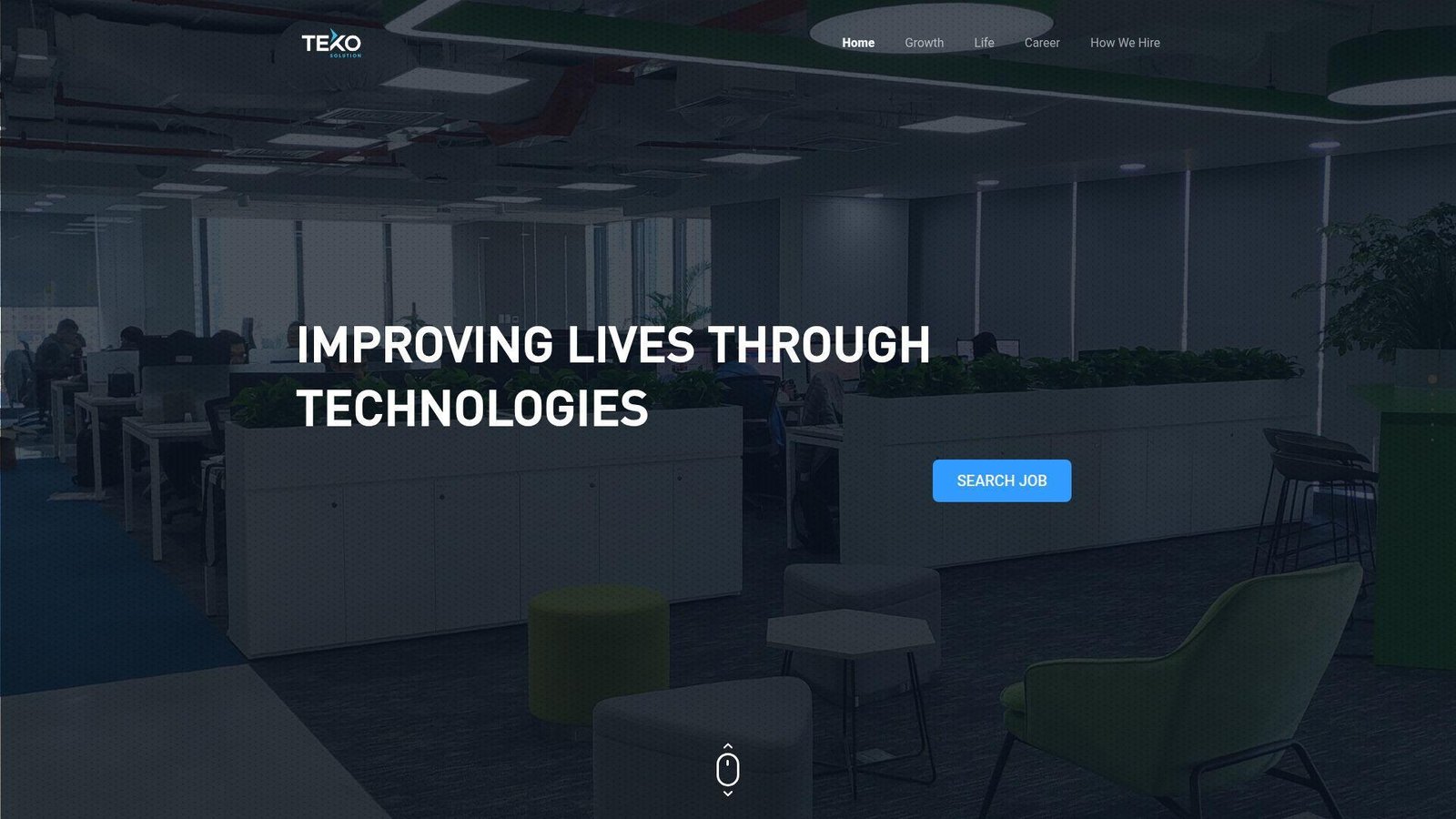
Teko is closer to vertical SaaS than to general custom development. Public materials say it was founded on January 13, 2017, is headquartered in Hanoi, and has a team of 300 software engineers, while LinkedIn places it in the 501-1,000 employee range. Its positioning is firmly tied to cloud-based retail transformation, including omnichannel platforms, customer profile tools, and marketing automation. We see Teko as a serious retail-tech specialist, not a broad offshore vendor.
That specialization is either a strength or a constraint. If your business lives inside retail, commerce, or customer-data workflows, Teko becomes much more relevant. If you need a generic product development partner for an unrelated domain, other names on this list are easier fits. We would look here for domain depth first.
- Service scope: Retail SaaS, omnichannel tools, customer data services, and marketing automation.
- Industry specialization: Retail operations, ecommerce enablement, and customer engagement.
- Ideal client size: Retailers, brand operators, and enterprise commerce teams.
- Pricing model: Product-led pricing, enterprise implementation, and partnership agreements.
- Onboarding process: Platform fit review, integration planning, rollout, and merchant or staff training.
- Communication style: Product and solution focused.
- Proof/case-study requirements: Ask for retail deployments, integration references, and operational outcomes.
- Red flags to check before hiring: Treating Teko like a general software outsourcer.
- Questions to ask before signing: What is out of the box, what is configurable, and what takes custom work?
13. CodeLink
CodeLink is one of the more interesting mid-sized names on this list. Public profiles show a 2016 founding, headquarters in Ho Chi Minh City, a 51-200 employee range, and a team that describes itself as more than 120 tech innovators. It also highlights 80-plus global partnerships and well over 170 products developed. We like CodeLink most when a buyer needs product engineering with design thinking, modern stacks, and some AI implementation depth without moving into enterprise-vendor heaviness.
Its sweet spot feels like ambitious products that need design and engineering working together. That can mean startup work, but it can also mean enterprise side projects where speed matters more than bureaucracy. We would still test how deeply senior architecture is embedded, especially for AI-heavy or regulated work. Mid-sized firms are strongest when their senior bench is truly hands-on.
- Service scope: Product development, software engineering, AI implementation, UX/UI, and multi-platform builds.
- Industry specialization: Travel, healthcare, enterprise apps, retail, and digital products.
- Ideal client size: Startups, scale-ups, and innovation teams inside larger firms.
- Pricing model: Dedicated teams, project work, and embedded product squads.
- Onboarding process: Discovery, product framing, team design, and sprint launch.
- Communication style: Collaborative, design-aware, and product-minded.
- Proof/case-study requirements: Ask for shipped products, not just prototypes or visuals.
- Red flags to check before hiring: Thin backend leadership or unclear AI evaluation standards.
- Questions to ask before signing: Who owns architecture, how are releases handled, and how strong is QA?
14. SmartDev LLC
SmartDev is a Da Nang-based software company with Swiss roots and a growing AI-heavy pitch. Public profiles describe it as established in 2014, headquartered in Da Nang, and operating in the 51-200 employee range, with additional presence in Hanoi and ties to the Verysell Group. Its visible strength areas include fintech, mobile banking, APIs, insurance software, and AI-led delivery. We see SmartDev as a strong option for buyers who want European management expectations paired with Vietnam delivery.
The value here is not only coding capacity. It is the way SmartDev frames complex domain work, especially in financial products and AI-enabled systems. We would still challenge any vendor, SmartDev included, on how much of the “AI” message is real implementation versus marketing wrapper. Ask who writes the architecture, who handles security, and what happens after the first release.
- Service scope: Custom software, fintech apps, AI solutions, APIs, mobile apps, and offshore centers.
- Industry specialization: Fintech, insurance, enterprise systems, and AI-driven products.
- Ideal client size: Scale-ups, fintech firms, and mid-market enterprises.
- Pricing model: Project teams, offshore development centers, and long-term engineering engagements.
- Onboarding process: Requirement gathering, technical alignment, staffing, and sprint kickoff.
- Communication style: Structured, international, and generally business-facing.
- Proof/case-study requirements: Ask for real fintech or AI delivery references with named responsibilities.
- Red flags to check before hiring: AI claims without clear data, governance, or delivery ownership.
- Questions to ask before signing: Who owns security, who owns architecture, and how support works post-launch?
15. Orient Software
Orient Software feels steady rather than flashy, and that is often a good sign. Public profiles point to a 2005 founding, headquarters in Ho Chi Minh City, and a workforce in the 201-500 range, with recent company material talking about more than 400 staff and multiple offices in Vietnam. Its positioning covers custom development, mobile, AI and data, and long-term offshore support. We see Orient as a credible mid-sized choice for buyers who want maturity without the bulk of the very largest vendors.
What stands out to us is durability. Orient looks like a company built through long-term delivery rather than short bursts of hype. That usually translates into steadier operations and clearer client expectations. We would still ask hard questions about the exact mix of senior engineers, QA, and product leadership, but overall this is one of the more balanced profiles in the market.
- Service scope: Custom software, mobile apps, AI and data, web systems, and offshore support.
- Industry specialization: Ecommerce, fintech, online learning, POS, and enterprise software.
- Ideal client size: Startups, scale-ups, and mid-market firms that want long-term delivery continuity.
- Pricing model: Dedicated teams, project builds, and ongoing development support.
- Onboarding process: Discovery, technical review, staffing, and delivery planning.
- Communication style: Professional, stable, and generally low-drama.
- Proof/case-study requirements: Ask for long-running clients and examples of platform evolution over time.
- Red flags to check before hiring: A team proposal that is too junior for your scope.
- Questions to ask before signing: How stable is the team, how attrition is covered, and who guides architecture?
16. Relia Software
Relia Software is a Ho Chi Minh City-based custom development company with public profiles showing a 2011 founding and a 51-200 employee range. It positions itself around web apps, mobile apps, AI and machine learning, DevOps, cloud, blockchain, and digital transformation work, with more than 300 delivered applications across several industries. We see Relia as a solid fit when the brief is product build, not enterprise theater.
That distinction matters. Some buyers need a large transformation vendor. Others need a practical team that can ship. Relia looks better for the second group. We would particularly consider it for mobile-heavy products, startup and scale-up work, and companies that want a partner with a clear engineering focus but not too much process overhead. As always, the real test is the named team, not the capability slide.
- Service scope: Web and mobile development, AI/ML, DevOps, cloud, blockchain, and consulting.
- Industry specialization: Fintech, healthcare, ecommerce, travel, education, and digital products.
- Ideal client size: Startups, growth-stage companies, and mid-market product teams.
- Pricing model: Project-based work, dedicated teams, and ongoing product support.
- Onboarding process: Discovery, roadmap alignment, technical proposal, and sprint setup.
- Communication style: Direct, product-oriented, and generally easier for smaller teams to work with.
- Proof/case-study requirements: Ask for recent shipped apps and post-launch support examples.
- Red flags to check before hiring: Thin product strategy support if your requirements are still fuzzy.
- Questions to ask before signing: Who handles architecture, who handles QA, and how change requests are priced?
17. Eastgate
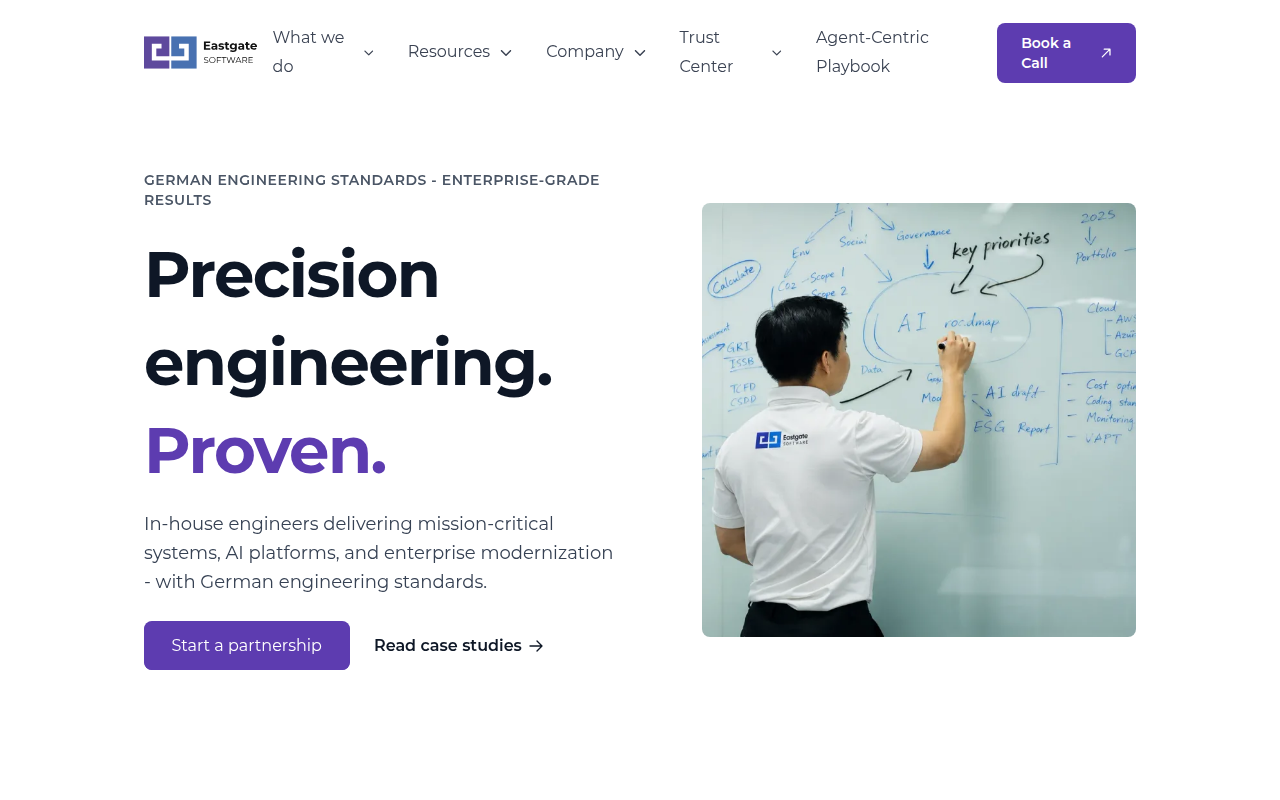
Eastgate feels different from many Vietnam firms because the pitch is engineering rigor first. Its official materials describe a 2014 founding, headquarters in Hanoi, more than 200 engineers, and international offices including Aachen and Tokyo. The company emphasizes mission-critical systems, embedded engineering, enterprise platforms, AI automation, and long-running work in intelligent transportation. We rate it highly for buyers who care about disciplined execution and German-style delivery expectations.
This is probably not the cheapest name on the board, and that is fine. Eastgate’s appeal is not bargain sourcing. It is reliability, long-term partnership, and the kind of engineering discipline that matters in high-consequence systems. We would give Eastgate extra weight when the project sits near transport, embedded, or enterprise systems where failure is expensive.
- Service scope: Embedded engineering, product development, enterprise platforms, AI automation, and dedicated teams.
- Industry specialization: Intelligent transportation, fintech, retail, manufacturing, and mission-critical systems.
- Ideal client size: Mid-market and enterprise buyers with complex technical or operational requirements.
- Pricing model: Dedicated engineering teams and long-term strategic engagements.
- Onboarding process: Discovery, technical due diligence, staffing, and gradual team ramp.
- Communication style: Disciplined, transparent, and engineering-led.
- Proof/case-study requirements: Ask for long-tenure client work and examples of system reliability.
- Red flags to check before hiring: Overbuying rigor for a simple product that needs speed over structure.
- Questions to ask before signing: How quickly can the team ramp, and what review standards are non-negotiable?
18. Enlab Software
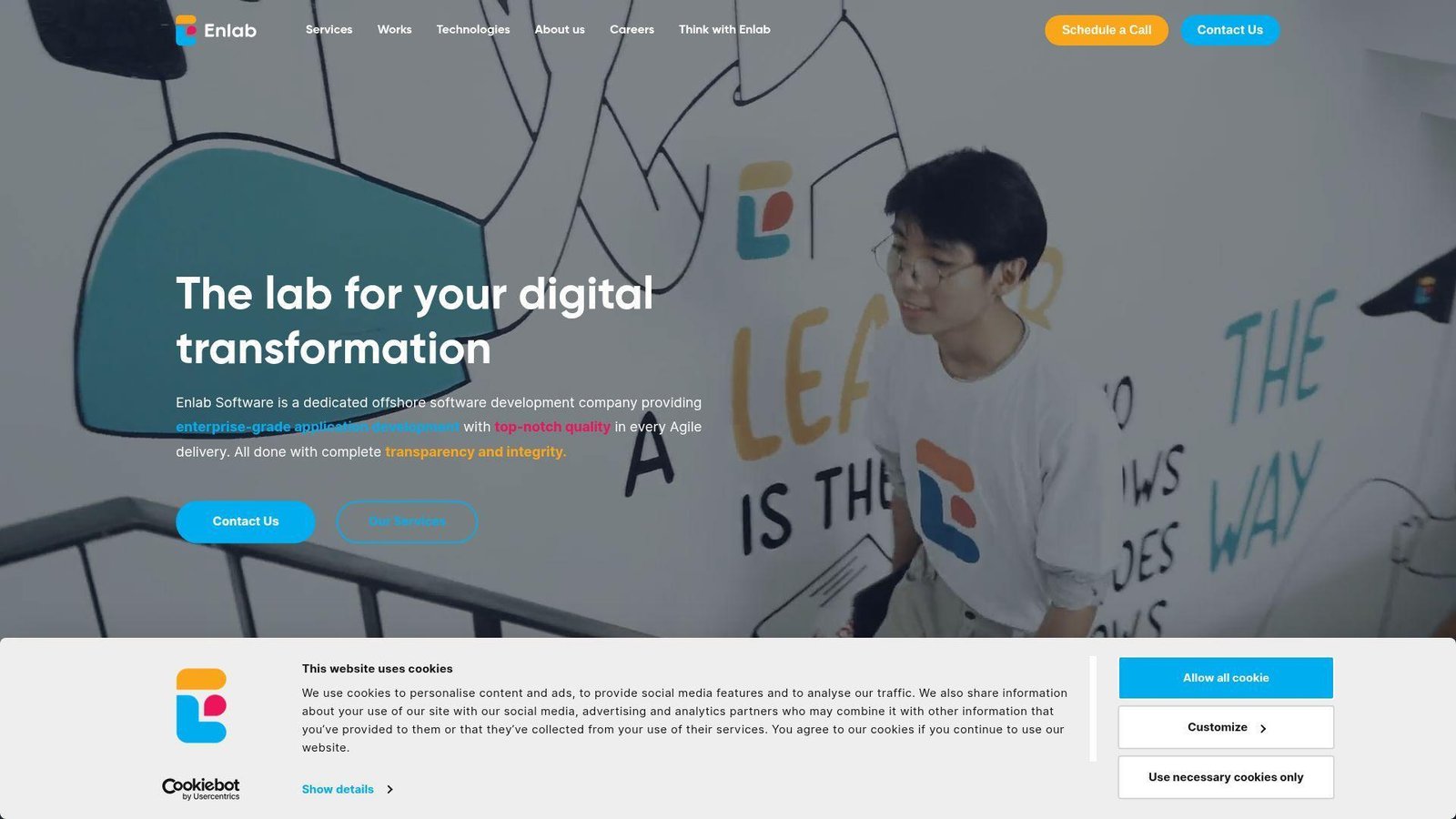
Enlab makes most sense for buyers who value clarity and consistency over headline scale. Public profiles place it in Da Nang, founded in 2013, with a 51-200 employee range. Its own site stresses Agile offshore development for enterprises, startups, IT consulting vendors, and digital agencies, with strength in web applications, cross-platform mobile work, and software customization. We see Enlab as a credible smaller offshore partner when communication quality matters a lot.
The best fit here is not giant transformation work. It is focused delivery. Enlab looks well suited to buyers who need a dependable offshore team, a straightforward process, and a company that does not try to sound bigger than it is. We would especially consider it for agency overflow, product enhancement work, and steady development roadmaps where transparency matters more than flash.
- Service scope: Web apps, Flutter apps, software customization, and Agile offshore development.
- Industry specialization: Marketplace, real estate, construction, education, recruitment, and ERP-related systems.
- Ideal client size: Startups, agencies, consultancies, and mid-sized firms.
- Pricing model: Project work and smaller dedicated team engagements.
- Onboarding process: Requirement review, stack alignment, team setup, and sprint start.
- Communication style: Transparent, practical, and low-friction.
- Proof/case-study requirements: Ask for similar project size, timeline, and post-launch support evidence.
- Red flags to check before hiring: Expecting a deep bench for very large scaling needs.
- Questions to ask before signing: How many seniors are assigned, and how are issues escalated?
19. Renova Cloud
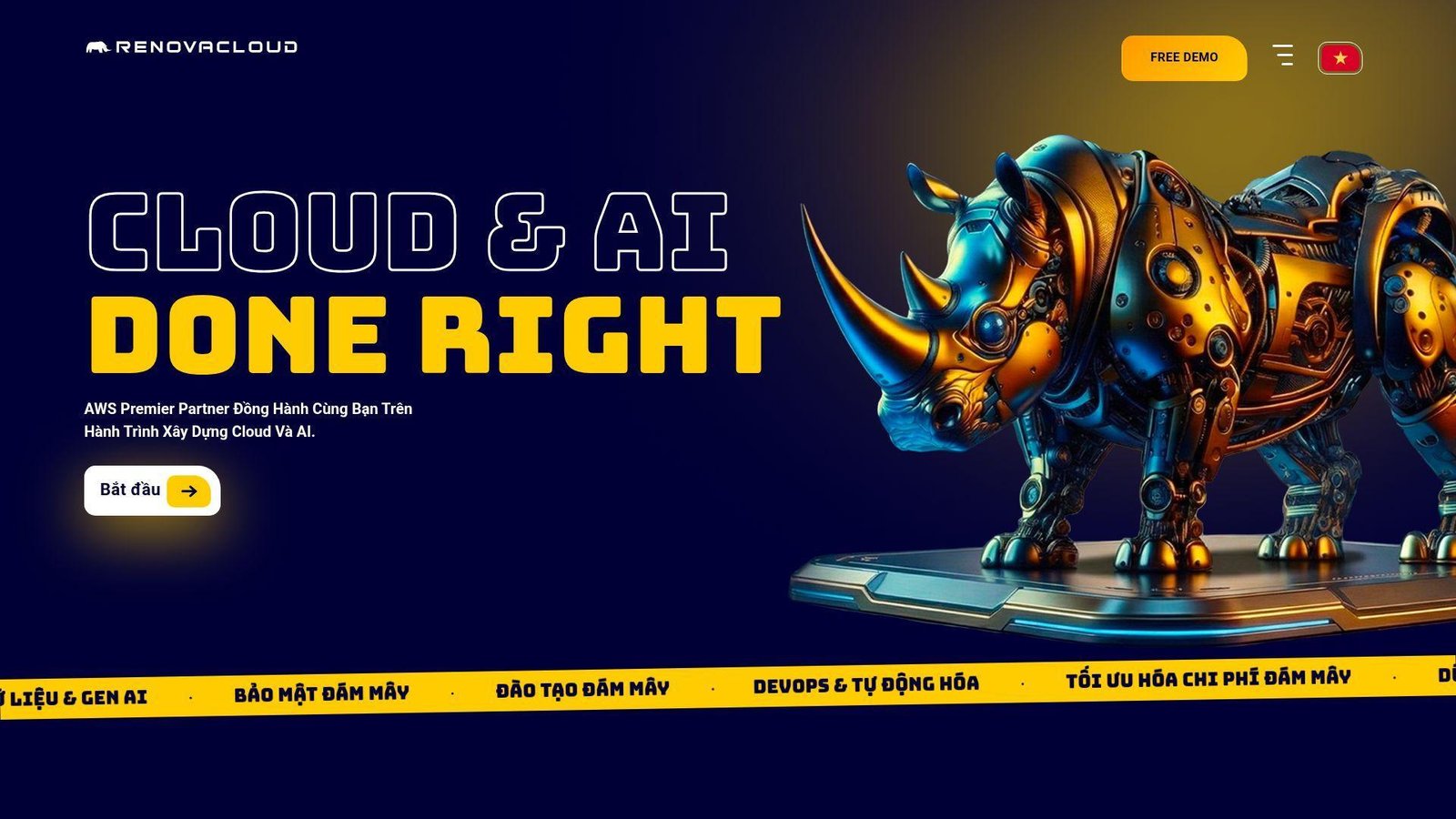
Renova Cloud is a specialist. That is the main thing to understand. Public profiles show a 2018 founding, headquarters in Ho Chi Minh City, and a smaller 11-50 employee range, with a clear focus on cloud, DevOps, managed services, and AI. Its positioning is much closer to cloud transformation consultancy than to broad custom software outsourcing. We would use Renova when cloud is the project, not just a hosting line item.
A smaller team is not always a weakness. In cloud work, sharp specialization often beats broad but shallow capability. The main buyer question is scope fit. If you need AWS-heavy migration, DevOps maturity, or cloud operating support, Renova becomes attractive. If you need end-to-end product development with heavy frontend, mobile, and product design, other firms on this list are better aligned.
- Service scope: Cloud consulting, migration, DevOps, managed services, and AI-related cloud solutions.
- Industry specialization: Cloud modernization, infrastructure, retail execution, and enterprise operations.
- Ideal client size: Mid-market and enterprise teams with cloud-first priorities.
- Pricing model: Consulting, managed services, project-based cloud engagements, and support retainers.
- Onboarding process: Cloud assessment, architecture review, migration plan, and phased rollout.
- Communication style: Specialist, architecture-led, and infrastructure practical.
- Proof/case-study requirements: Ask for migration outcomes, cost control examples, and operational ownership.
- Red flags to check before hiring: Forcing a cloud specialist into a full product agency role.
- Questions to ask before signing: Which cloud stack is strongest, who owns support, and how cost governance works?
20. DEK Technologies
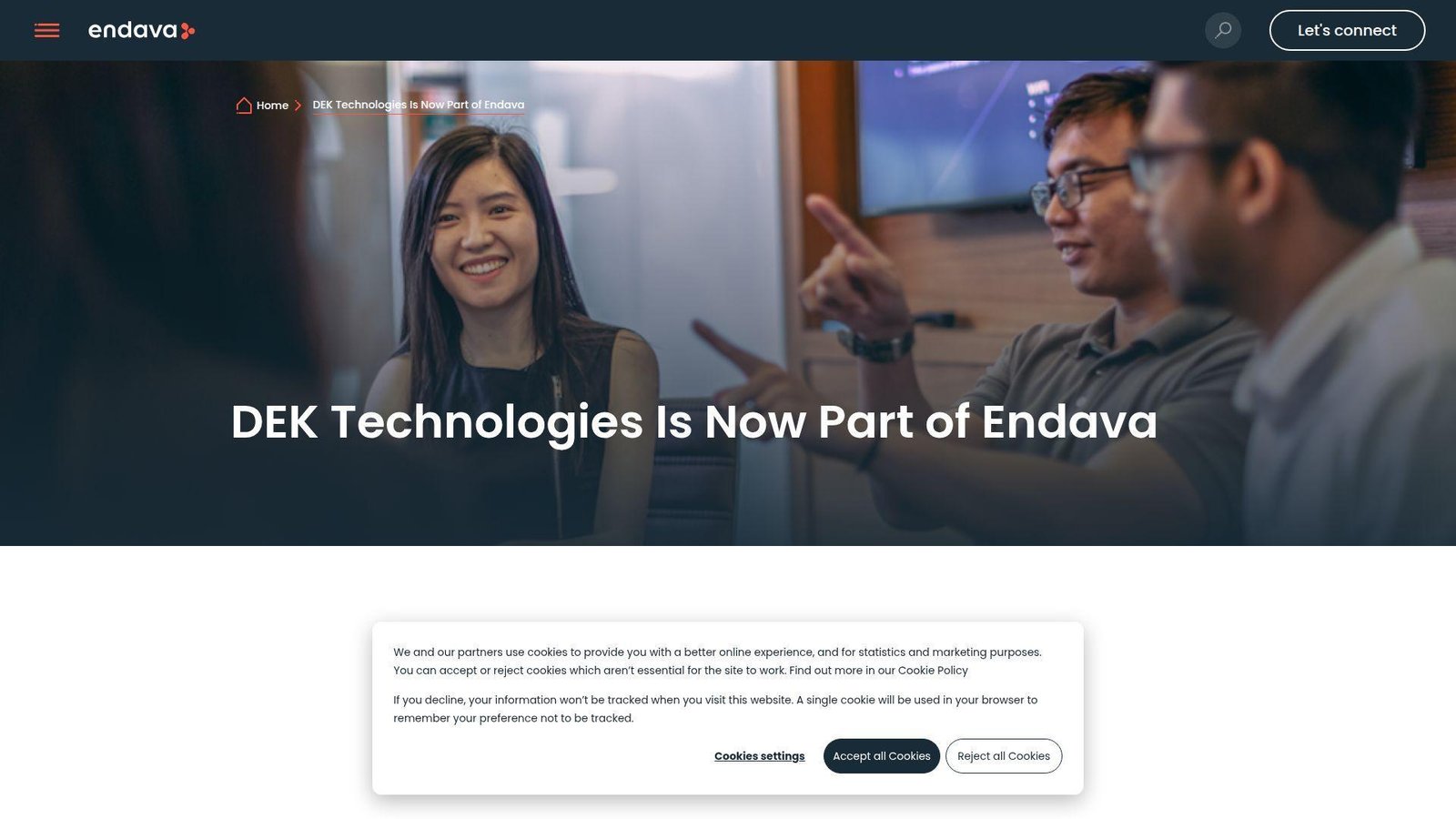
DEK Technologies deserves extra attention when software meets hardware or telecom-grade constraints. Public information from Endava’s 2023 acquisition announcement describes DEK as founded in 1999, headquartered in Melbourne, with 660 operational employees and offices that include Ho Chi Minh City. That profile makes it different from most generic software vendors. We see DEK as a serious option for telecoms, embedded systems, real-time systems, and product R&D that needs stronger engineering fundamentals.
This is not the firm we would pick for a simple marketing site or a lightweight CRUD app. It becomes interesting when reliability, systems thinking, and lower-level engineering matter. Buyers in telecom, device software, and technical product companies should keep it on the board. Generalist software buyers may find a better fit elsewhere on this list.
- Service scope: Software and hardware engineering, embedded systems, real-time systems, and telecom solutions.
- Industry specialization: Telecoms, data communications, embedded products, and technical R&D.
- Ideal client size: Product companies and enterprises with deep technical requirements.
- Pricing model: Project engagements, engineering teams, and longer-term R&D support.
- Onboarding process: Technical scoping, architecture review, staffing, and integration planning.
- Communication style: Engineering-heavy and detail focused.
- Proof/case-study requirements: Ask for embedded, telecom, or real-time system references close to your domain.
- Red flags to check before hiring: Using a deep systems firm for work that does not need that complexity.
- Questions to ask before signing: Who handles architecture, what standards are used, and how testing works in production-like conditions?
Recommended reading: Top 20 Outsourcing Software Development Companies in Vietnam for Scale, Cost, and Product Fit
Why Tech Companies in Vietnam Continue to Gain Momentum
We think Vietnam keeps gaining momentum because it is no longer offering only low-cost coding capacity. Buyers can now choose between large delivery firms, specialist engineering teams, and product-led platforms that have learned from real markets. That mix changes the quality of the whole ecosystem.
1. Balanced Mix of Outsourcing Leaders and Product-Led Platforms
We look for markets that can build and also ship. Vietnam increasingly does both. Katalon says it serves 30,000 QA and DevOps teams across 80+ countries, which is not the profile of a purely local tool vendor. That matters because product companies create engineers who have lived through release pain, support issues, and real feedback loops.
Haravan makes the same point from a different angle. The company says its platform has been used by 50,000+ businesses. When we see that kind of operating footprint, we know Vietnam’s ecosystem is learning from merchant behavior and operational reality, not only from outsourced tickets.
2. Recognition Through VINASA Rankings, Tech Maps, and Certifications
Awards do not close deals, but they do help buyers cut through noise. Programs such as VINASA’s Top 10 in 2024 are useful as a first filter, especially when they are paired with ISO, security, cloud, or QA credentials. We still treat awards as the start of diligence, not the end. A trophy does not tell you who will actually be on your sprint team.
3. Growing Investor Attention to TECHCOOP, EQuest Education Group, and U2U Network
We also pay attention to names like TECHCOOP, EQuest Education Group, and U2U Network. None of them is a direct substitute for an outsourcing partner. Still, when attention spreads into agritech, education, and network-style platforms, it usually means the market is broadening. That broadening attracts operators, product managers, and senior engineers who raise the standard for everyone else.
Recommended reading: Top 20 Custom Application Development Companies to Compare Before You Build
How to Compare Tech Companies in Vietnam
We would not compare every company here with the same checklist. The first step is knowing what category you are actually buying from. After that, the real work is testing capability, communication, and delivery risk.
1. Vision, Execution Capability, and Market Position
Start with a blunt question. Are you buying engineering hours, a product platform, or access to a market ecosystem? Many buyer mistakes happen because every company gets labeled an “outsourcing partner.” A platform company may be excellent and still be the wrong fit for a custom build. We like vendors that can explain where they win, where they do not, and why.
2. Engineering Scale, Service Models, and Technical Depth
Look past headline headcount. Ask who will write code, who reviews architecture, and how QA and DevOps are staffed. A 200-person company can be safer than a 2,000-person firm if the smaller one gives you named seniors and steady continuity. We also suggest asking whether the team is project-based, dedicated, or shared across accounts. That answer changes everything.
3. Employer Reputation, Certifications, and Hiring Signals
We like signals that show operating discipline. Certifications help. Retention matters more. So does a company that can explain how it trains juniors, replaces attrition, and keeps domain knowledge inside the team. If a vendor cannot clearly describe how it hires, mentors, and escalates, we treat that as a warning sign.
Recommended reading: Top 20 Ecommerce App Development Companies in Vietnam for Shopify, Magento, and Custom Commerce Apps
Top Tech Hubs in Vietnam
Vietnam is not one uniform hiring market. City choice affects culture, retention, operating tempo, and the kinds of business problems teams are used to solving. That is why location should influence your shortlist.
1. Ho Chi Minh City as a Product and Outsourcing Center
We think of Ho Chi Minh City as the fastest-moving commercial hub. It suits buyers who want startup tempo, product managers close to the market, and teams used to ecommerce, consumer apps, and cross-border delivery. If your product needs speed, commercial energy, and lots of iteration, Ho Chi Minh City usually feels like the most natural fit.
2. Hanoi as a Large-Employer and Enterprise Hub
Hanoi often feels stronger for large employers, ecosystem businesses, and enterprise programs. Buyers who want structure, governance, and proximity to major institutions often feel more comfortable there. It is also a useful base for projects tied to finance, distribution, education, and large local platforms.
3. Da Nang as a Growing Engineering Base
Da Nang keeps getting stronger as an engineering base. It often appeals to firms that want stable offshore teams, lower operational noise, and access to strong technical talent without the same commercial pace as the two biggest cities. For many mid-sized buyers, that balance can be very attractive.
Recommended reading: Top 20 App Development in Singapore Companies to Compare Before You Hire
FAQ About Tech Companies in Vietnam
These are the questions we hear most often from buyers who are narrowing a shortlist. The answers usually come down to fit, not just reputation.
1. Which Company Is Widely Viewed as Vietnam’s Largest IT Company?
Among the companies in this list, FPT Software is the safest answer. In one company release, it described itself as operating with 22,500 employees in 26 countries, and its broader positioning is unmistakably enterprise-scale. If you need sheer delivery breadth, it is hard to ignore.
2. Why Is Vietnam Considered a Rising Tech Hub in Southeast Asia?
Because it combines several things well. There is outsourcing depth. There are product companies with real traction and strong city-level talent hubs. And there are enough mature firms now that buyers can choose between giant enterprise vendors, focused mid-sized partners, and vertical platforms. That combination is what makes the market more interesting than a simple “lower-cost development” story.
3. Which U.S. Tech Companies Have Hiring or Operations in Vietnam?
Inside this list alone, KMS is a clear example. The company says it has 1100+ people across the globe and was founded as a U.S.-based services company, while Katalon is headquartered in Atlanta and serves customers internationally. That does not cover every U.S.-connected tech business in Vietnam, but it shows the pattern clearly.
4. How Do Outsourcing Companies Differ From Product Companies in Vietnam?
Outsourcing companies sell delivery capability. Product companies sell software, platforms, or market access. The skills overlap, but the business model changes the relationship. An outsourcing firm is built to staff, estimate, and execute your roadmap. A product company is built to improve its own platform first, then support customers or partners around it.
5. What Should Businesses Look for in a Vietnam Tech Partner?
We would look for three things first. Clear ownership. Honest communication. Technical depth where your risk is highest. After that, we would test team continuity, QA discipline, architecture leadership, and how the company handles changes once the original scope starts moving. The best partner is usually the one that asks the hardest questions early.
How TechTide Solutions Helps You Build Custom Software
We should be clear about how we work. We are not trying to fit every project type. Our value is strongest when a client needs custom product work, direct communication, and a team that can adapt as requirements become clearer.
1. Custom Web and Mobile Development Built Around Your Requirements
We build around business rules, user flows, and integration reality, not a template-first process. Our public positioning centers on custom software, website development, mobile apps, and UI/UX, and that is exactly where we are most useful. We like projects where the answer is not obvious on day one and the team needs to think as well as code.
2. Flexible Teams for MVPs, SaaS Products, and Modernization Projects
Some clients need a small MVP team. Others need a steady SaaS squad or help modernizing an existing product. We can shape the team around that reality, then keep the scope honest as it evolves. That flexibility is usually more valuable than a giant bench if the roadmap is still moving.
3. Tailored Delivery for Scaling, Integration, and Long-Term Support
We also care about what happens after launch. That means integration support, roadmap follow-through, and a team that can keep improving the product instead of vanishing at handover. If you are comparing us with larger firms, we suggest looking closely at responsiveness, decision speed, and how directly you can reach the people doing the work.
Final Thoughts on Choosing the Right Tech Company in Vietnam
There is no single best company on this list. There is only the best fit for your scope, budget, delivery style, and risk level. Large enterprise programs may lean toward FPT, NashTech, or KMS. Product teams may prefer Saigon Technology, CodeLink, SmartDev, Orient, Relia, or us. Platform and ecosystem buyers may care more about One Mount, Haravan, Teko, BE Group, GHTK, or Amanotes.
If we were building a shortlist this week, we would pick three names from different tiers, run the same discovery call with each one, and compare who asks the smartest questions. Which three are you willing to put through that test?

