


At TechTide Solutions, we believe best practices in software project management are less about ceremony and more about reducing avoidable surprises. That matters because PMI reports that more than half of all projects now qualify as complex. Once complexity rises, weak scope, vague ownership, and late decisions stop being minor issues and start becoming delivery problems.
We have seen capable teams miss deadlines for plain reasons. Nobody agreed on what success meant. Change requests had no owner. Support planning started too late. The fix is rarely glamorous. It is disciplined planning, clear communication, and steady follow-through.
Why Best Practices in Software Project Management Matter
In our experience, software projects usually drift long before code quality becomes the headline issue. The real damage starts when strategy is fuzzy, governance is weak, and risks are treated like future problems. Research from PMI and McKinsey points to the same pressure points. That is why project habits matter so much from the start.
1. Poor Communication and Unclear Goals
When business leaders, product owners, designers, and engineers use the same words to mean different things, delivery slows down fast. We have watched simple requests turn into rework because success criteria lived in someone’s head instead of a shared document. PMI points to unclear governance, siloed teams, and misaligned objectives as major sources of project complexity. We agree. If the goal is blurry, the backlog becomes a debate instead of a plan.
2. Unrealistic Timelines and Weak Oversight
Schedule optimism is still one of the oldest traps in our business. Teams estimate build time, then forget approvals, integration delays, bug fixing, rollout prep, and training. McKinsey found average overruns of 45 percent over budget and 7 percent over time. That is why we treat timelines as risk models, not wish lists. Good oversight means clear owners, useful checkpoints, and honest status reports before a slip becomes public.
3. Scope Creep, Support Gaps, and Unmanaged Risk
Scope creep sounds harmless until it empties the schedule. PMI defines it as uncontrolled expansion without matching changes to time, cost, and resources. In real projects, it often arrives as “one more field,” “a small workflow tweak,” or “a quick report” that touches several systems. We also see support gaps do similar damage after launch, especially when nobody owns defect triage, vendor escalation, or rollback planning. Scope control and support planning belong in the project from day one.
Recommended reading: Confluence vs Jira: Key Differences, Features, and Best Use Cases
Start With Strategy, Scope, and the Right Team
We start strong projects by deciding what problem is worth solving, what work is included, and who is accountable for moving it. That sounds basic, but this is where many teams cut corners. A business case, a clear scope foundation, and the right delivery leadership give the rest of the project something solid to stand on.
1. Build a Business Case and Define SMART Goals
A business case should answer four blunt questions. Why now? What value should change? What constraints matter? How will we know the work succeeded? We turn those answers into goals that are specific, measurable, and tied to a date. Doodle is a useful example. After connecting prioritization and delivery in one transparent workflow, the company reported a 93% planning time reduction. To us, that result is less about tooling and more about disciplined clarity.
2. Create a Statement of Work and Work Breakdown Structure
A statement of work tells everyone what will be delivered, what will not be delivered, what assumptions exist, and how acceptance will happen. PMI defines the SOW as the narrative of products, services, or results to be delivered. It defines the WBS as the breakdown of total scope into manageable pieces of work. We rely on both. The SOW keeps the conversation honest. The WBS turns a big promise into work that people can estimate, assign, and review.
3. Vet Developers, Clarify Roles, and Assign a Dedicated Management Resource
Strong delivery teams are not picked by résumé alone. We vet for domain understanding, communication habits, testing discipline, code quality, and the ability to work through ambiguity without going silent. Just as important, we name clear roles early. Product ownership, technical leadership, QA responsibility, and a dedicated project or delivery manager should never be left to chance. McKinsey makes a similar point when it stresses securing critical internal and external talent for the full program, not just for kickoff week.
Recommended reading: RAG Status in Project Management: How to Define, Use, and Improve Reporting
Choose a Project Management Method That Fits the Work
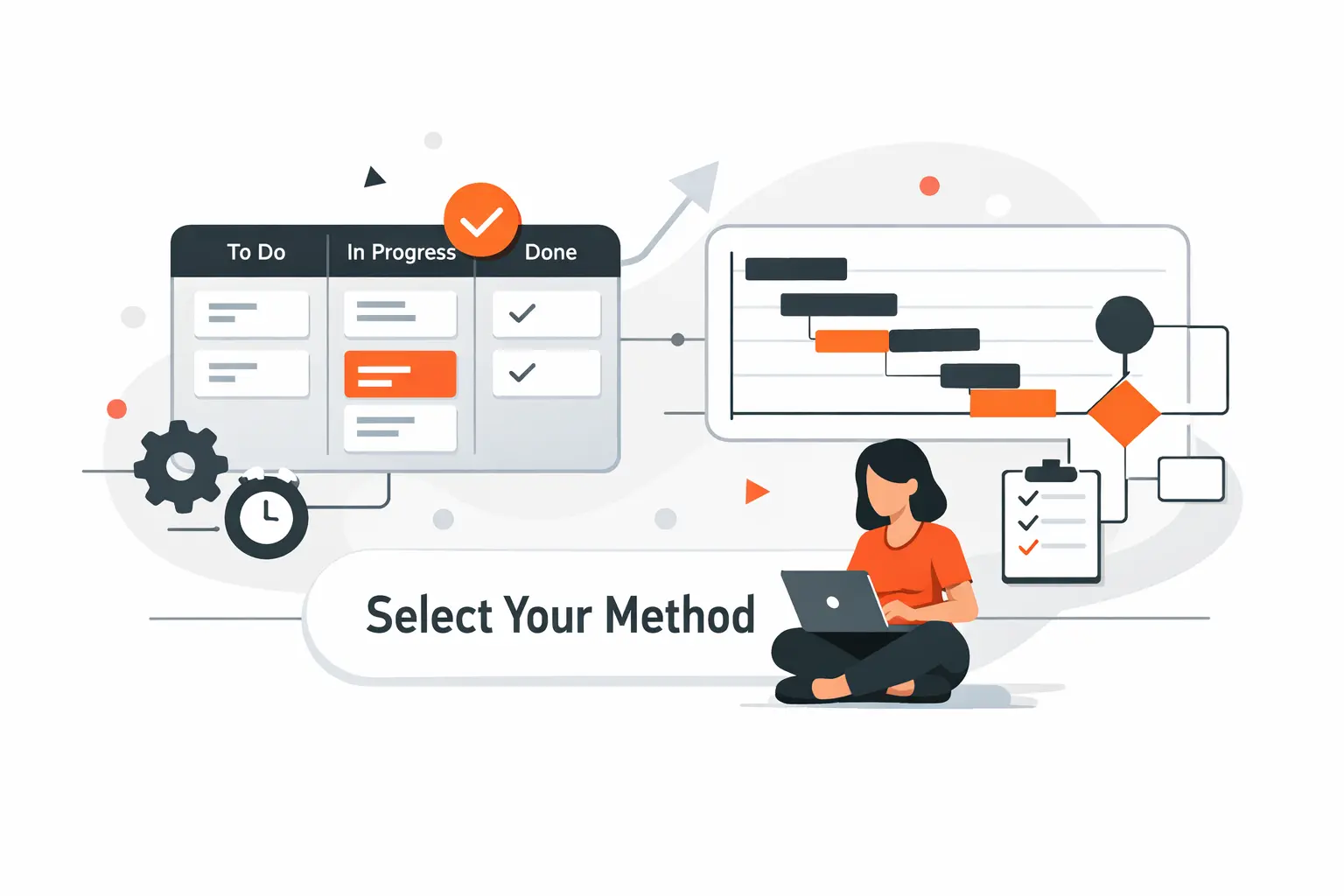
Method choice is not religion. It is fit. We choose the delivery model by looking at requirement stability, stakeholder availability, regulatory pressure, integration risk, and how often the team needs feedback from real users. Best practices in software project management depend on that match.
1. When Waterfall Works Best
We still use Waterfall when scope is mostly stable, approvals are formal, and downstream teams need fixed handoffs. Think regulated migrations, vendor-led implementations, or projects with hard contractual checkpoints. In those cases, a sequential plan with signed scope, formal reviews, and controlled approvals can reduce noise. The mistake is not using Waterfall. The mistake is using it on work that is still being discovered.
2. When Agile Is the Better Choice
Agile fits better when the team is solving a complex problem, learning from users as it goes, or shipping in increments. In the official Scrum Guide, Scrum is described as a lightweight framework for adaptive solutions to complex problems. That is why we favor it for new products, evolving platforms, and any initiative where feedback needs to change the plan instead of waiting for the end.
3. How Scrum and Kanban Support Continuous Delivery
Scrum gives teams cadence. Planning creates focus. Daily inspection exposes drift. Reviews bring stakeholders into the work. Retrospectives turn mistakes into process changes. That rhythm keeps delivery moving without pretending the team knows everything upfront.
Kanban gives teams flow. According to the Kanban Guide for Scrum Teams, Kanban is a strategy for optimizing flow. We use it when work arrives unevenly, support tickets share a pipeline with planned tasks, or the biggest problem is too much work in progress. Visualizing work, limiting active tasks, and measuring bottlenecks keeps teams from drowning in multitasking.
Recommended reading: Hybrid Project Management: A Fit-for-Purpose Guide to Blending Agile and Waterfall
Plan Timelines, Resources, and Dependencies Realistically
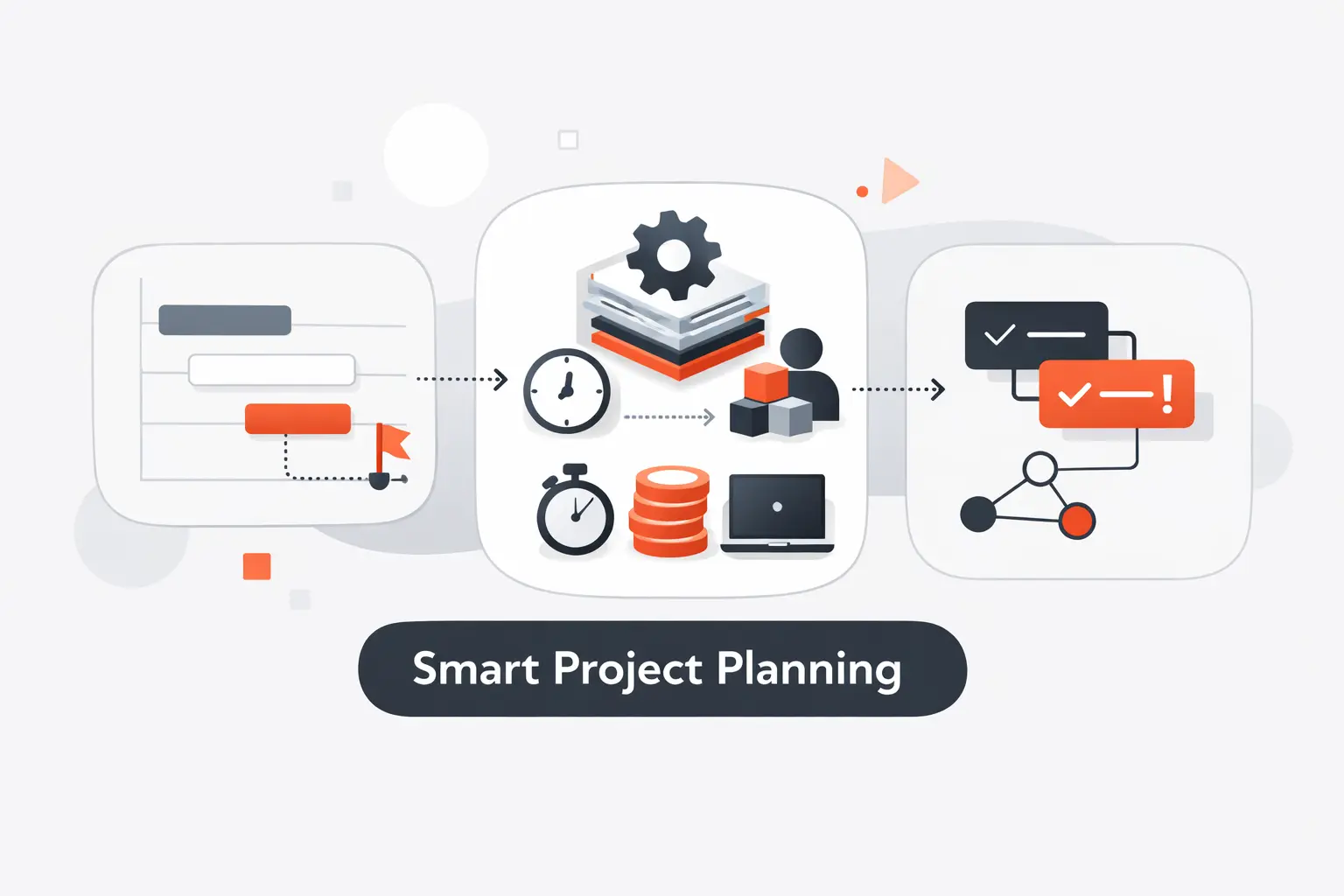
A realistic schedule is not just a list of dates. It is a map of dependencies, constraints, uncertainty, and team capacity. We trust schedules more when they show what can move, what cannot move, and where testing and approvals actually live.
1. Set Realistic Milestones and Allow Time for Testing
Milestones should reflect meaningful checkpoints, not optimistic decoration. We include time for environment setup, integration, QA, user acceptance, bug fixes, release prep, and a short support window after launch. McKinsey calls out rigorous testing and rollout planning for a reason. Teams that crowd testing into the final days usually ship uncertainty, not confidence.
2. Use Critical Path and PERT to Improve Estimates
Critical path analysis shows which chain of dependent work determines the finish date. NASA describes the critical path as the sequence of dependent tasks that drives the longest duration through the project. We pair that with PERT or other multipoint estimating techniques when work is uncertain. Instead of pretending there is one perfect estimate, we look at best case, likely case, and worst case so leaders can see schedule risk before it bites.
3. Balance Capacity with Resource Leveling and Resource Smoothing
When people are overloaded, the plan is wrong no matter how polished the chart looks. PMI defines resource leveling as adjusting the schedule to optimize resource allocation, even if the critical path moves. It defines resource smoothing as using available float without moving that critical path. We use leveling when the team simply cannot do all the work at once. We use smoothing when the deadline stays fixed but slack can absorb load changes.
Recommended reading: Agile Mindset: How to Build a Culture of Learning, Collaboration, and Continuous Improvement
Build Communication and Reporting into Every Phase
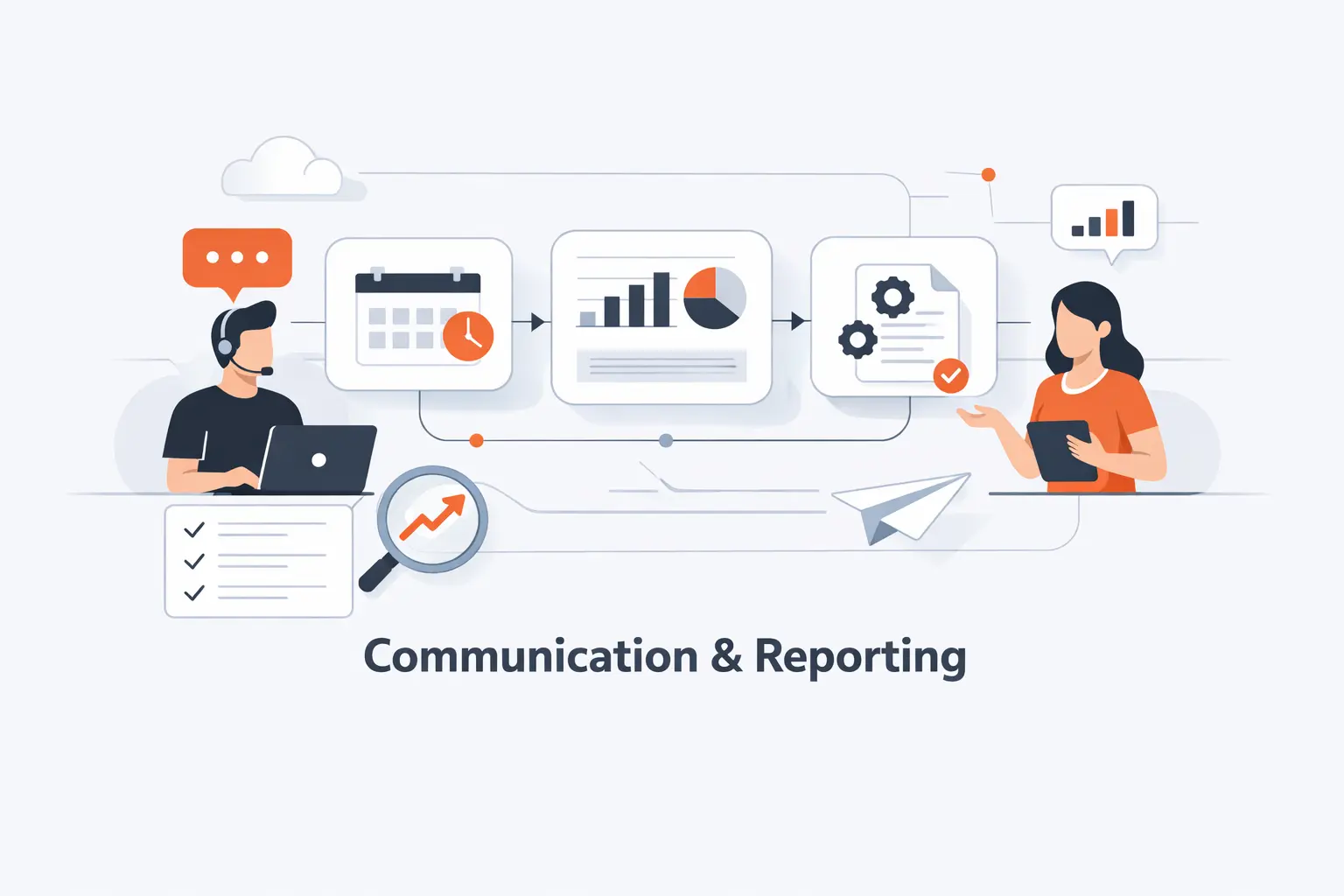
Communication should be designed, not improvised. We do not mean more meetings. We mean clear audiences, clear timing, clear ownership, and a place where decisions can be found later without a scavenger hunt.
1. Identify Stakeholders and Set a Communication Cadence
First, identify everyone who can approve, block, influence, use, support, or fund the work. Then set a cadence that fits each group. PMI describes stakeholder engagement as identifying needs and managing expectations and communications to foster support. In practice, that usually means short team syncs, sponsor updates, scheduled demos, and a known path for escalations. Silence is not alignment.
2. Report Status Transparently and Document Key Decisions
Status reports should answer the same questions every time. Are we on track for scope, schedule, quality, and release readiness? What changed? What decision is needed? Who owns the next action? A shared project system matters because it gathers, integrates, and shares this information in one place. We also document decisions as they happen, because memory gets political when a deadline slips.
3. Hold Regular Meetings, Reviews, and End-User Checkpoints
Regular reviews keep stakeholders close enough to correct course early. Daily team check-ins surface blockers. Iteration or milestone reviews let users react to real progress instead of status theater. McKinsey highlights the value of strong user-acceptance involvement, and Scrum makes review and adaptation part of the rhythm. We like that combination because it catches wrong assumptions before they harden into expensive code.
Recommended reading: Project Risk Management: A Practical Guide to Identify, Analyze, and Control Risks
Manage Change and Risk Before They Disrupt Delivery
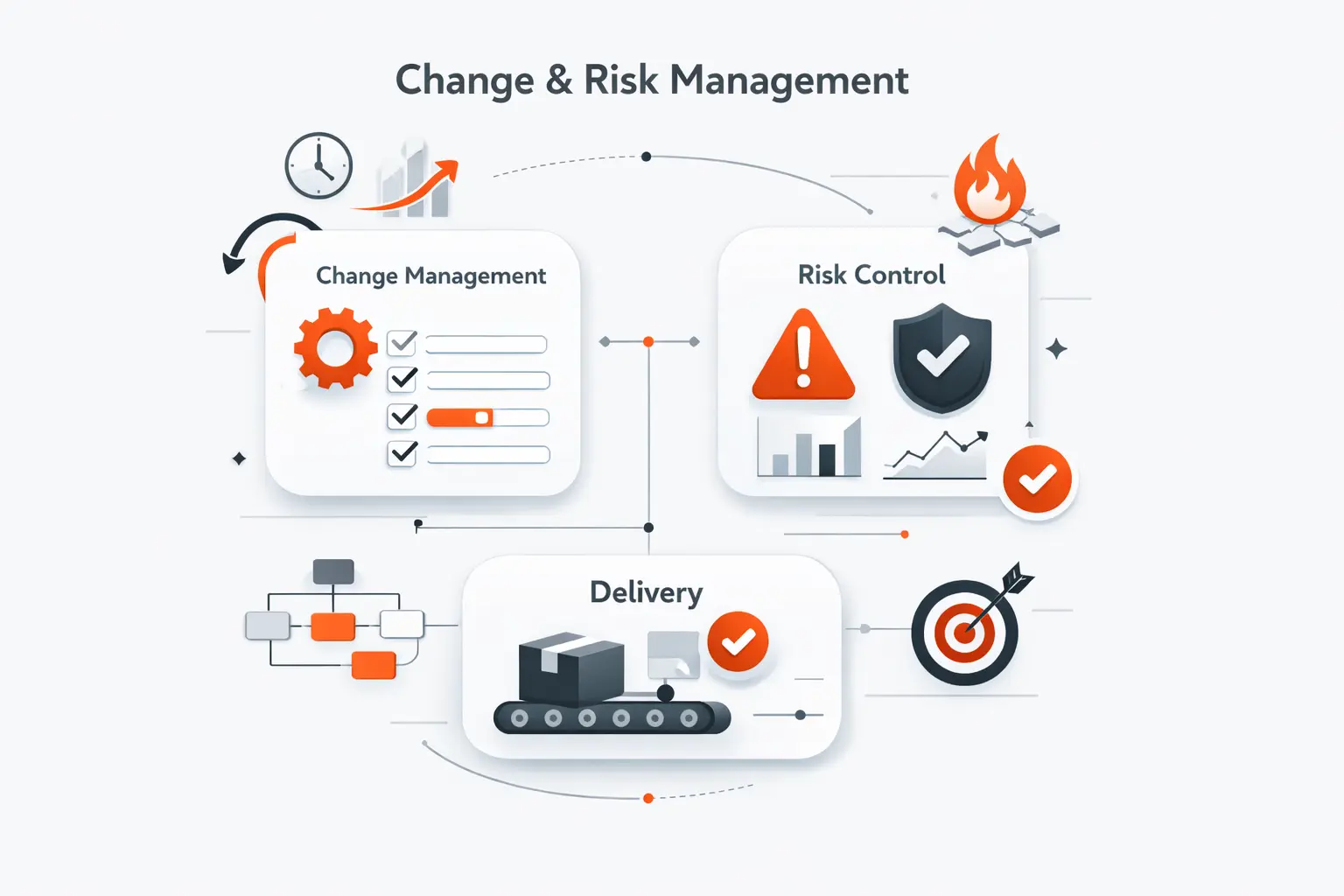
Change is part of software work. Risk is too. The goal is not to eliminate either one. The goal is to notice them early, judge them calmly, and route them through a process people respect.
1. Establish Formal Change Control and Approval Paths
A formal change path keeps urgency from becoming chaos. PMI defines a change request as a formal proposal to modify a document, deliverable, or baseline, and its change management plan explains who has authority and how the system works. We set those rules early. Teams should know what needs approval, how impact is assessed, and where the final decision is recorded.
2. Monitor Risks, Dependencies, and Failure Indicators
We keep a live risk register, an assumptions log, and a dependency list throughout delivery. PMI describes the risk register as the repository for risk management outputs, which sounds dry until you need it. The warning signs are usually visible long before failure. Rework rises. Defect aging stretches. Approvals stall. Environments stay unstable. Critical tasks slip without backup plans. Those signals deserve action, not optimism.
3. Keep Critical Business Applications Supported and Stable
Critical systems need support discipline after release, not just a celebratory launch note. That means monitoring, handoff notes, escalation paths, rollback steps, and named owners for defects and changes. McKinsey describes cases where organizations paid dearly for late changes and weak support after introduction. We have seen the same thing. The launch date is not the finish line if the business cannot operate safely the next morning.
Use Project Management Software to Improve Visibility and Adoption
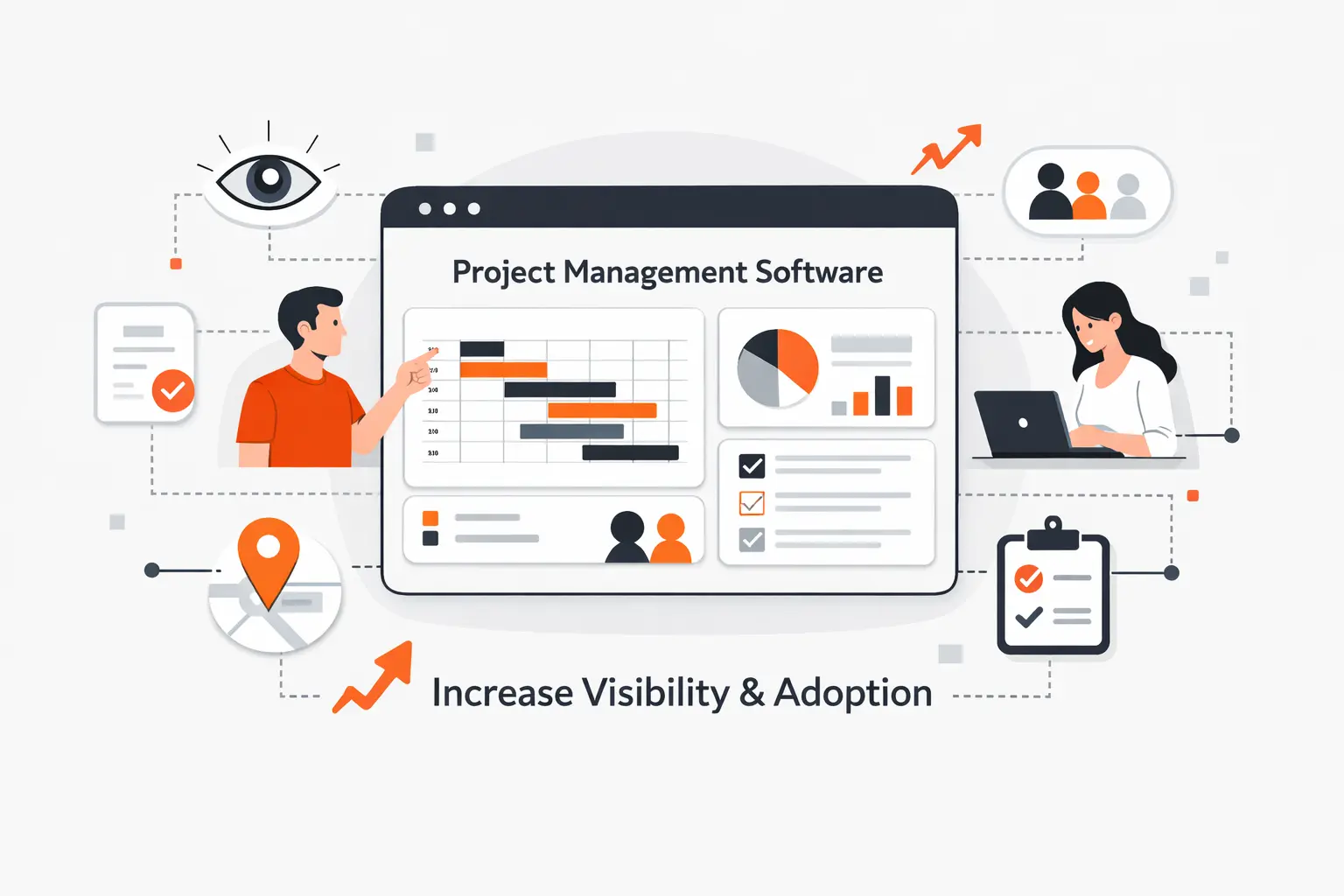
Project software will not save a confused team. Still, the right tool stack makes confusion harder to hide. We value systems that centralize plans, tasks, decisions, documentation, and reporting so delivery does not depend on private spreadsheets or memory.
1. Train Teams Early and Create Internal Experts
Tool adoption starts before the first dashboard goes live. We train teams on workflow rules, naming standards, update expectations, and decision paths early. We also create internal experts who can answer day-to-day questions without waiting on an admin. McKinsey describes successful programs using trained change agents across teams. That model still works because people trust peers who understand the real work.
2. Roll Out Features Gradually and Require Consistent Use
We prefer gradual rollout over a giant feature dump. Start with the minimum structure the team will actually keep current, then expand once habits stick. Doodle’s adoption story is telling here. Leadership prepared the workflow first, then brought the rest of the organization onto a process that was already understandable. That is usually better than turning on every field, board, automation, and permission rule on day one.
3. Centralize Dashboards, Collaboration, and AI Integrations
Centralization matters because fragmented information wastes real delivery time. Atlassian found teams lose 25% of their time just searching for answers. We see the same pattern when requirements live in one tool, decisions in chat, test evidence in a spreadsheet, and risks in someone’s notebook. Good dashboards should show progress, blockers, defect trends, release readiness, and ownership without forcing people to hunt for context first.
Royal Caribbean offers a practical example of automated reporting at scale. We like that pattern because dashboards and summaries should reduce status chasing, not create more admin work. The same logic applies to AI features. Let them draft updates, surface stale issues, and connect related documents, but keep human judgment on scope, priority, and risk. AI should support managers, not replace their accountability.
Build a Culture of Leadership, Learning, and Continuous Improvement
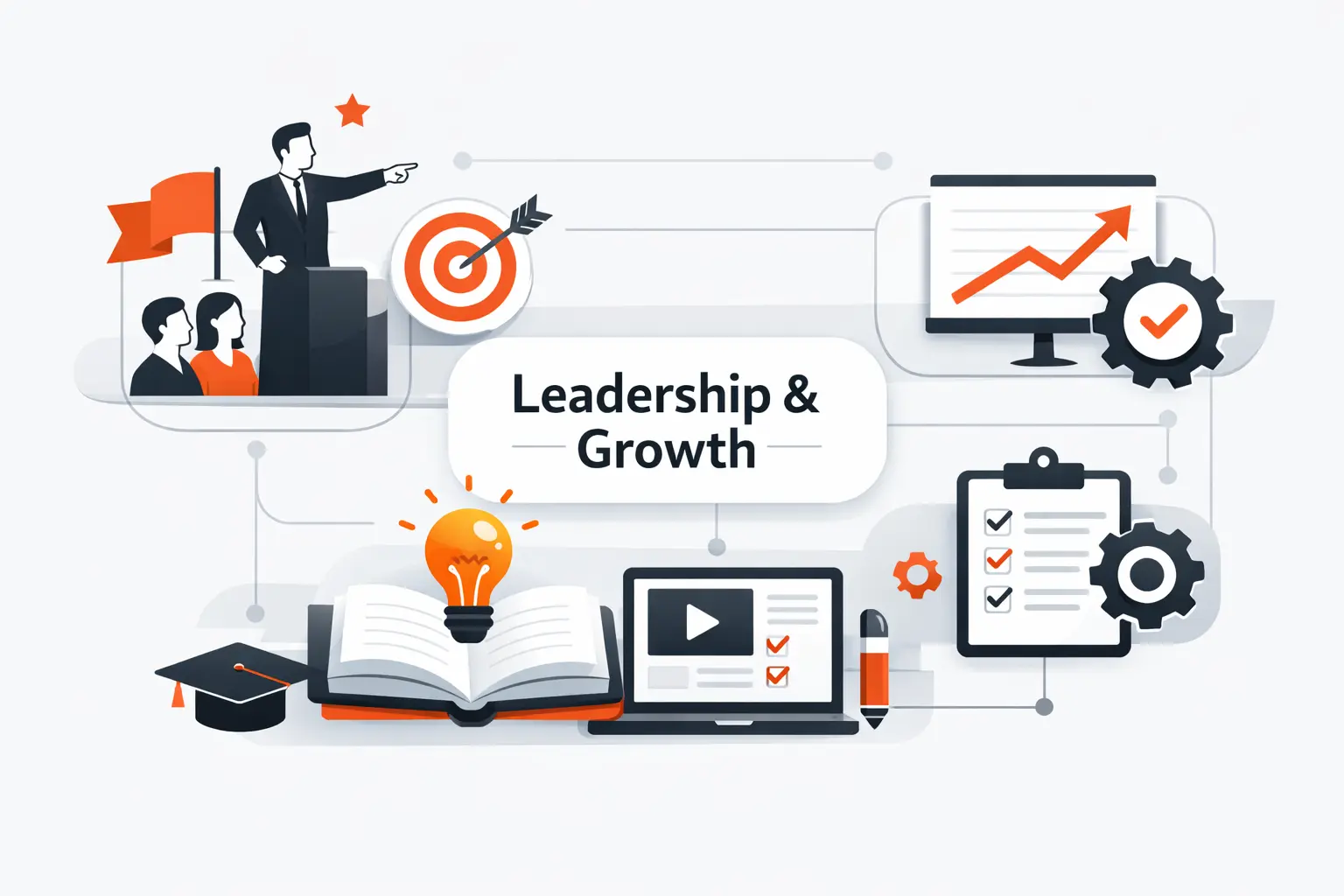
Even the best process breaks if the team cannot speak plainly, solve problems together, and learn without defensiveness. We think culture is where project management becomes real. It shapes how fast issues surface and whether people fix causes or just hide symptoms.
1. Strengthen Communication, Problem-Solving, and Strategic Thinking
A strong project manager translates between business intent and delivery reality. That requires communication, structured thinking, negotiation, and enough business context to explain tradeoffs in plain language. PMI’s recent research argues that high performers succeed by focusing on outcomes, alignment, and learning over blind compliance. We agree. A manager who can frame options clearly is worth more than one who only updates dates.
2. Encourage Team Feedback and Blameless Retrospectives
Retrospectives work when the goal is learning, not blame. PMI defines a retrospective as a regular workshop where participants explore their work and results to improve both process and product. We run ours with that spirit. We ask what blocked flow, what caused rework, what decision arrived late, and what should change next cycle. When blame leaves the room, useful patterns finally show up.
3. Use Lean Practices to Make Improvements Measurable and Repeatable
Lean improvement becomes practical when teams choose a few metrics and change one thing at a time. Scrum explicitly roots itself in lean thinking, and McKinsey highlights the value of lean techniques for rescoping and removing waste. We measure the pain we are trying to reduce, such as cycle delays, escaped defects, or review bottlenecks. Then we test a smaller change, watch the result, and keep only what works.
Measure Delivery Performance and Lessons Learned

Every project teaches something, whether the team records it or not. We prefer to record it. Comparing plan to reality is how delivery improves from one project to the next instead of repeating the same surprise with a new slide deck.
1. Compare Goals, Timelines, and Actual Results
At closeout, we compare the original business goal, scope promise, schedule, quality expectations, and actual operating result. Did the release solve the problem it was funded to solve? Did the timeline hold for the right reasons, or only because scope quietly shrank? Lessons learned are only useful when they connect delivery behavior to business outcome.
2. Capture Lessons Learned and Process Bottlenecks
We do not wait until the final meeting to collect lessons. Teams should log them as they go, especially when bottlenecks repeat. PMI defines lessons learned as knowledge gained during a project and a lessons learned register as the place to record it. That makes the record practical instead of ceremonial. Approval delays, brittle environments, vendor handoffs, and hidden dependencies belong in writing while details are still fresh.
3. Apply Findings to the Next Software Project
The final step is operational. Use what you learned. Update templates, estimation ranges, test checklists, onboarding notes, support playbooks, and risk triggers for the next software project. That is how mature teams get faster without becoming reckless. They do not just finish work. They carry forward better judgment.
Frequently Asked Questions about Software Project Management
These are the questions we hear most often when teams want better delivery without turning process into bureaucracy.
1. What Are the Core Competencies of a Software Project Manager?
We think the core competencies are scope judgment, estimation discipline, communication, stakeholder management, risk awareness, and decision-making under pressure. A good software project manager also needs enough technical fluency to spot bad assumptions early, even if they are not the strongest engineer in the room. The role is part translator, part organizer, part risk manager, and part coach.
2. How Do Agile Methodologies Improve Software Project Management?
Agile methodologies improve delivery by shortening feedback loops and making adaptation normal instead of exceptional. Scrum does this through planning, daily inspection, reviews, and retrospectives. Kanban strengthens flow by visualizing work and exposing bottlenecks. When the problem is complex and learning matters, that faster feedback usually beats a rigid upfront plan.
3. How Can Teams Prevent Scope Creep in Software Projects?
Teams prevent scope creep by defining scope clearly, breaking it into manageable work packages, setting acceptance criteria, and routing every meaningful change through a formal review path. The key is not saying no to every change. The key is making the cost of each change visible before it enters the plan. That protects trust as much as it protects the schedule.
4. Why Is Change Management Important in Software Development?
Change management matters because software only creates value when people adopt new behavior, new workflows, and new responsibilities. A technically sound release can still fail if training, support, and stakeholder communication are weak. We treat change management as the bridge between building the system and getting the business to use it well.
5. What Features Matter Most in Project Management Software?
We look for a shared source of truth, searchable documentation, flexible workflows, role-based access, dashboards, risk and dependency tracking, integrations, automation, and an audit trail. Good project software should also make status easier to understand, not harder to prepare. If a tool cannot help the team find current answers quickly, adoption will stall.
How TechTide Solutions Supports Better Software Project Outcomes
At TechTide Solutions, we try to turn these practices into working habits, not theory. We build software, but we also help clients create the delivery structure that keeps software useful after launch.
1. Aligning Business Goals with Tailored Software Roadmaps
We begin by clarifying the business problem, the real users, the constraints, and the success measures. From there, we shape a roadmap that matches the client’s pace, budget, internal approvals, and technical risk. That upfront alignment helps us avoid the classic trap of building features before the team agrees on why they matter.
2. Building Tailored Web, Mobile, and Enterprise Solutions
We build tailored web, mobile, and enterprise systems, but we do not force the same delivery model onto every project. When scope is stable, we plan predictively. When needs are changing, we deliver in tighter increments with visible reviews and practical feedback loops. Our goal is not to be fashionable. It is to fit the method to the work.
3. Supporting Delivery with Integrations, Scalability, and Long-Term Improvement
We also stay close to the parts that often break projects late. Integrations, data flow, performance, release readiness, post-launch support, and improvement planning all need active ownership. We prefer long-term delivery relationships because the best outcomes usually come from learning, adapting, and improving over time.
Putting Best Practices in Software Project Management into Action
Best practices in software project management are rarely mysterious. Define value early. Write scope clearly. Match the method to the uncertainty. Protect time for testing. Make communication routine. Control change. Watch risk. Learn after every release. None of that is flashy, but in our experience it is what drives successful delivery.
At TechTide Solutions, we believe the best teams are not the ones with the biggest ceremonies or the most tools. They are the ones that make decisions in the open, protect shared understanding, and keep improving their delivery habits from project to project. That is how software starts shipping with less drama and more business value.

