


This article is a paid placement. It was provided by the sponsor and does not necessarily reflect the views of TechTide Editorial. See our Advertising Disclosure.
What would happen if a person who is unknown to you learns your home address without ever coming in contact with you? In summary, it can be stated that the majority of people utilize the services of data brokers. The collection of personal data from both private and public sources as well as from social media platforms is the fundamental process of footprint calculating. It appears that there is a footprint even if a person is not aware of the data collected.
ClearNym offers a solution for individuals who want to manage their digital trace by taking away personal details from data broker websites as well as monitoring these sites for records they wish not to appear again. In order to uphold information out of public records, constant monitoring is required because these sites are continually gathering and refreshing data. Being knowledgeable about how data removal works is essential when it comes to protecting one’s online privacy and preventing unwanted exposure.
How Data Brokers Build Digital Identities
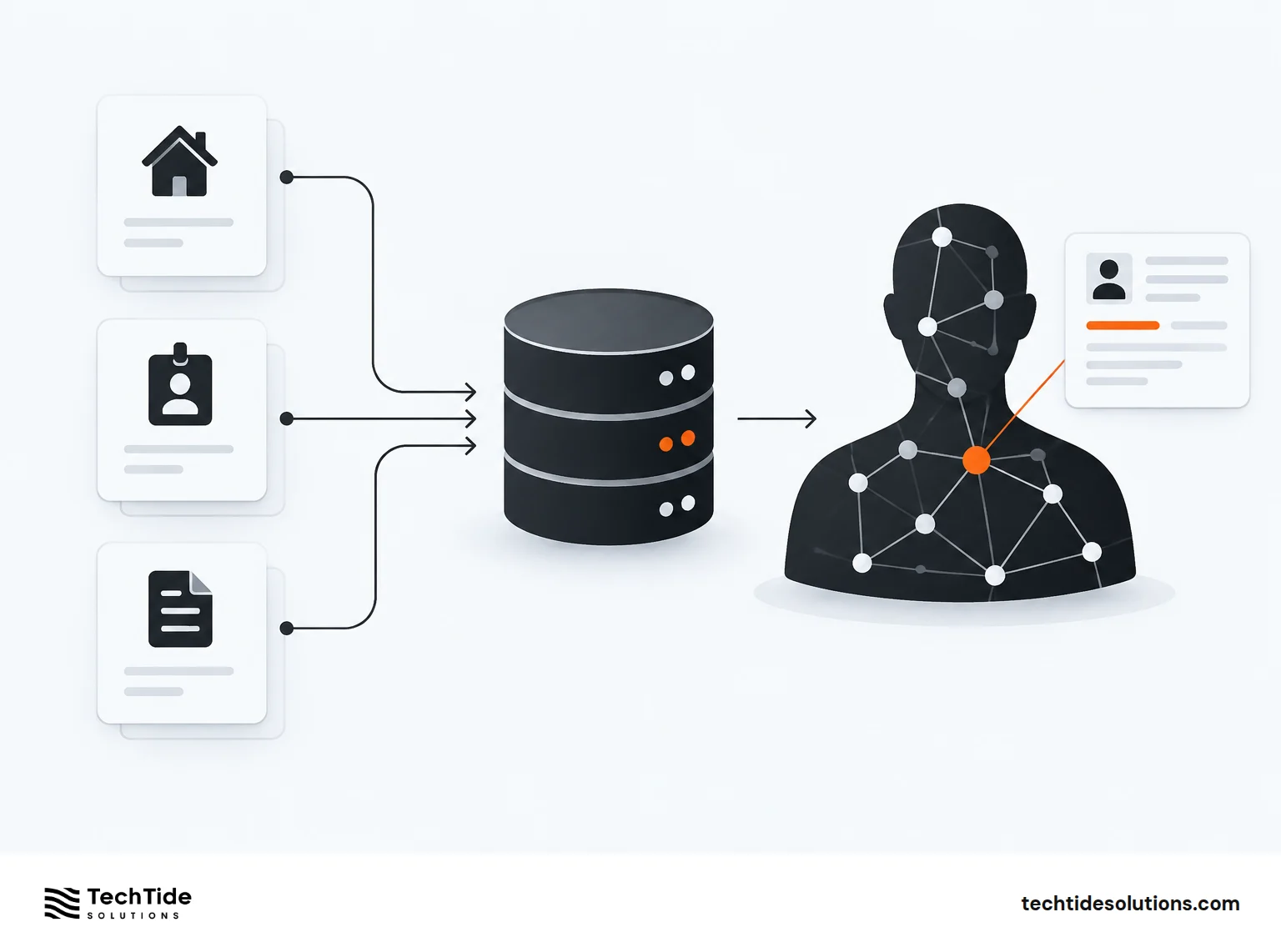
The process begins with ordinary transactions. Property registrations, professional licenses and public directories contain identifying details. Commercial databases add information obtained from permitted sources. Brokers then match these records to construct an identity online that extends beyond individual websites.
Consider a fictional teacher named Olivia. Her public employment profile reveals her profession. A property record connects her name with an address. An old directory lists a telephone number. None of these sources contains her entire story. Combined information produces a surprisingly detailed online identity.
This distinction matters because people rarely control every source contributing to their digital identities. Even limited online presence does not guarantee anonymity. Information shared years earlier might remain accessible through other databases.
Recommended reading: Importance of Testing Your Mobile Apps on Cloud-Based Testing Tools
Why Personal Information Online Creates Security Risks
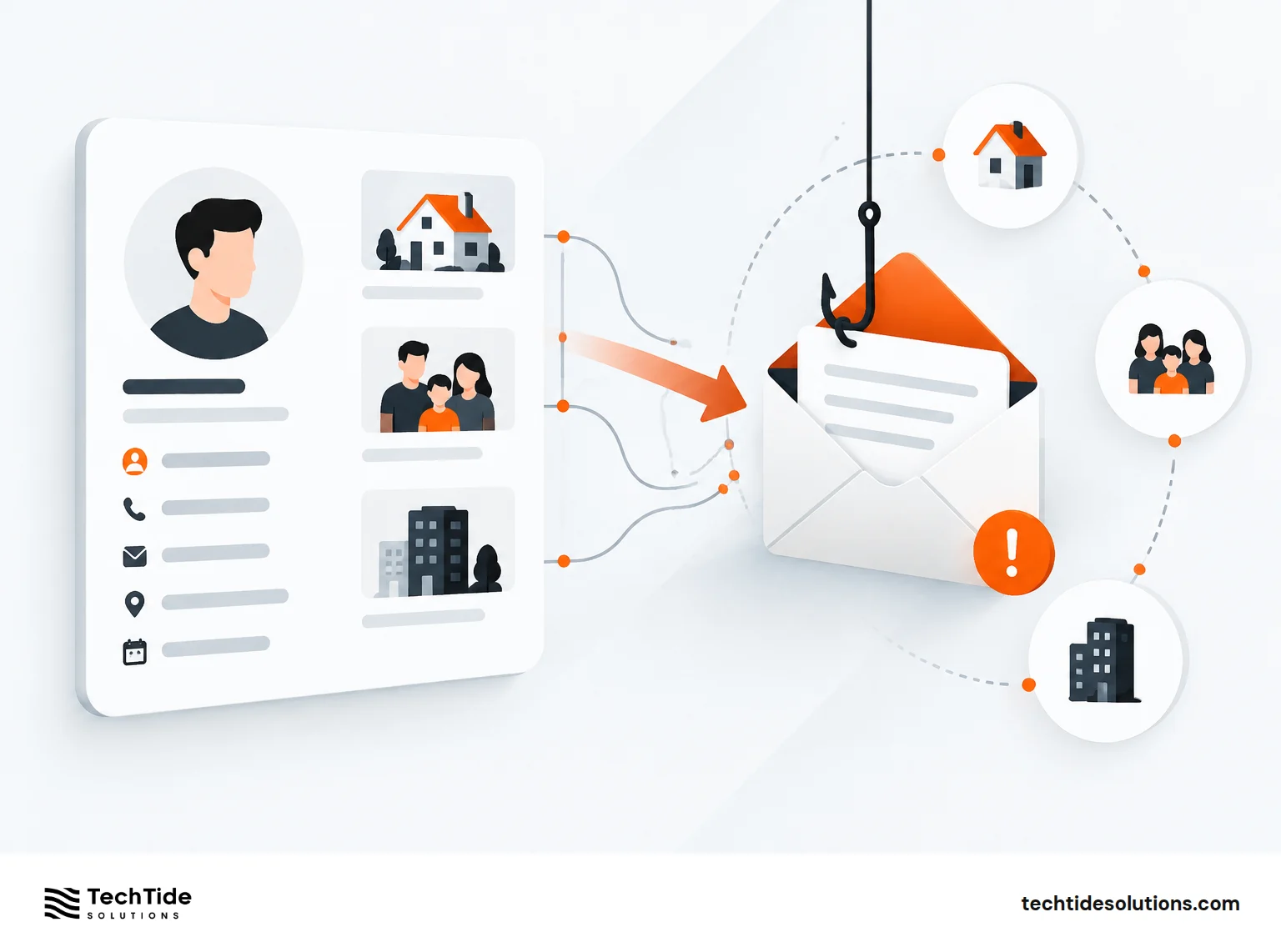
It gives a sense of panic when public profiles are exploited by criminals. Cybercriminals can even take advantage of the addresses, names of family members and the details of employment in their phishing operations. Effective preparation can make an attack look innocuous.
Identity theft refers to the illegal usage of someone else’s identity information for committing unlawful acts. Identity thieves can create accounts in the name of their victim or borrow money without their consent. Just having restricted details does not indicate that fraud will occur. However, reducing accessible personal details removes potential material from attackers.
An additional risk is caused by the occurrence of a data breach. This breach results in the distribution of stolen credentials or financial information through cyberspace. This information may in turn provide hints about fraudulent communication. Thus, all elements of this combination should be analyzed.
Recommended reading: Why Post-Purchase Communication Is a Technology Problem Worth Solving
Understanding Identity Theft and Digital Exposure
The importance of online privacy becomes clearer when ordinary details appear together. A street address reveals location. Employment records suggest professional connections. Public family relationships create opportunities for impersonation. None of these elements requires access to a password.
The following table shows how different information sources contribute to exposure.
| Information source | Exposed details | Potential concern |
|---|---|---|
| Property records | Home address | Location discovery |
| Public profiles | Employment history | Targeted phishing |
| People-search sites | Family connections | Impersonation attempts |
| Commercial databases | Contact information | Unwanted outreach |
It is a common misunderstanding that services for protecting identities eliminate all possible threats. They only deal with specific problems. Elimination of brokerage services limits some forms of public listing, while security for account information prevents the facilitation of login information. In today’s time, one can’t ignore both.
Recommended reading: Azumo vs Azumo Tech: What’s the Difference Between the Two Companies?
Why the Opt-Out Process Matters
An opt-out request is made to a website to take away personal details from public records. This entails locating the specific profile, following prescribed removal steps and undertaking necessary verification. As the information can surface again it is critical to monitor on a regular basis.
A simple opt-out checklist includes:
- Find personal information on broker websites.
- Follow official removal instructions.
- Complete the required verification.
- Save confirmation messages.
- Check periodically for returning records.
In order to keep online accounts safe, it is essential to create strong passwords. This should preferably be done by using a password manager. A unique password is necessary for gaining access to each account’s login. Moreover, using two-factor authentication is required, as well as continuous access to the privacy settings for the protection of confidential information.
A VPN encrypts traffic that is sent between the user and the provider of the VPN, thereby ensuring better security on public Wi-Fi. However, a VPN cannot remove the user’s personal information from brokers’ websites or prevent phishing attempts.
Recommended reading: Building a Stronger Technology Foundation for Your Business
Combining Privacy Tools With Account Security
Effective privacy protection requires several defenses. Identity protection services can address exposed records while security tools protect digital access. A VPN supports connection privacy. A password manager strengthens login practices. Browser protections reduce certain tracking activities. Each solution addresses a different vulnerability.
The Cybersecurity Alliance works on cultivating the culture of secure behavior in authentication and on sensitizing users to warning signs indicative of fraud. This protects a person’s privacy and brings an end to account compromise. Comprehensive identity protection entails frequent checking of online banking transactions and bank statements for signs of fraudulent behavior, as well as the necessity to report any suspicious activity to the bank immediately.
Recommended reading: Businesses Strengthen Defences Against Cyber Threats
What to Do When Your Identity Is Compromised
If you feel that your identity has been exposed, you should do something. Change your relevant passwords and check connected accounts. Also, contact the bank in case your bank account number or your credit card number has been accessed. Report any fraudulent transactions to the right authorities. If you are in the US, make sure to obtain copies of your credit reports and consider placing a security freeze when appropriate.
Recovery requires more than just installing software. You need to keep records of questionable messages and note financial losses caused by fraudulent activities. There may be multiple companies involved in identity theft cases. It is crucial to differentiate between processes like account takeover, fraudulent credit applications, and information lending.
Conclusion
The digital footprint formed accidentally should be taken earnestly. Online data companies gather huge data from general records showing out a person’s whereabouts, connections, and contact information. Thus to safeguard one’s private information isn’t enough to delete posts but it is necessary to decline data broker service, verify the process of sending of data through systems, and check data constantly.
FAQ
Can data brokers create profiles without social media accounts?
Yes. Public records and commercial sources can supply enough information to assemble identifying profiles.
Does changing a phone number erase old broker listings?
No. Historical records may remain searchable. Removal requests and follow-up checks are still useful.
Can a VPN hide someone’s address from people-search websites?
No. A VPN protects certain network traffic. It does not erase previously collected public records.
Why does removed information sometimes return?
Brokers periodically refresh listings using updated sources. New records can recreate previously removed profiles.
Do identity protection services prevent every form of fraud?
No. Protection depends on the service’s features. Strong authentication, financial monitoring and careful sharing remain essential.

